




Will Your New Building Pass the Guyana Fire Service Inspection?
Electrical faults and fire risks are increasing in Georgetown's dense commercial areas. Without the right protection, your investment can vanish in minutes, leaving you with nothing but ashes and debt.
To pass Guyana Fire Service inspections, use Fire Rated (Type X) Gypsum Board and Fiber Cement Board. These materials are ASTM E119 certified, providing a 1-to-4-hour fire barrier that prevents flames from spreading through commercial buildings and hotels.
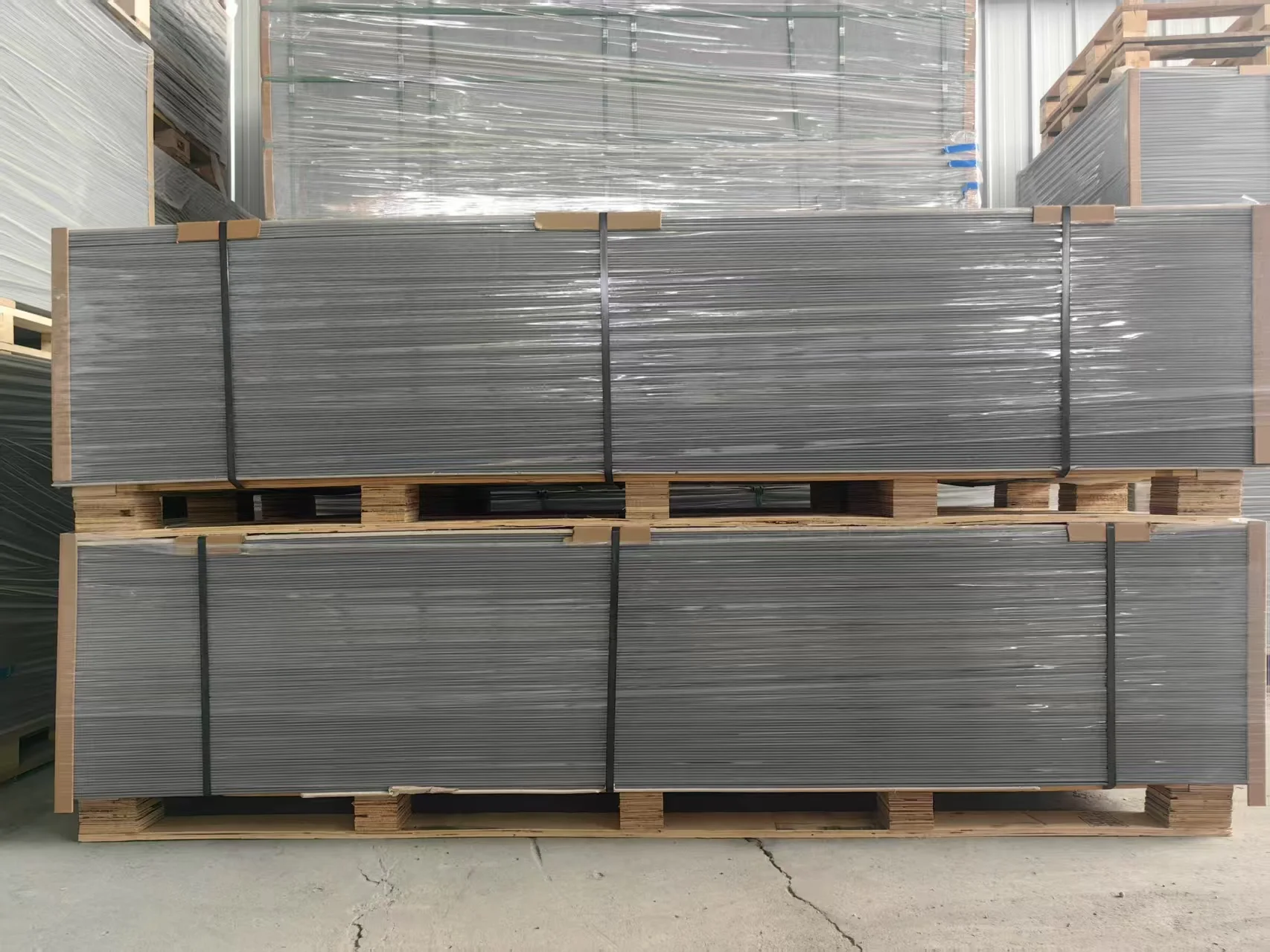
I have seen the aftermath of fires in older wooden structures across Guyana. It is heartbreaking to see a business destroyed in one night. But it is also avoidable if you choose the right materials from the start. Let's look at how the right drywall and framing systems save lives and properties.
Why is Fiber Cement the Ultimate Non-Combustible Shield for Guyana's Exterior?
Wood siding and cheap plastics catch fire instantly, acting as fuel for the flames. This turns a small kitchen fire into a total building loss before the fire truck even arrives at your site.
Fiber Cement Board is classified as a Class A Non-Combustible material. It does not burn, melt, or release toxic smoke, making it the safest choice for exterior cladding and commercial kitchen walls in high-traffic Georgetown areas.
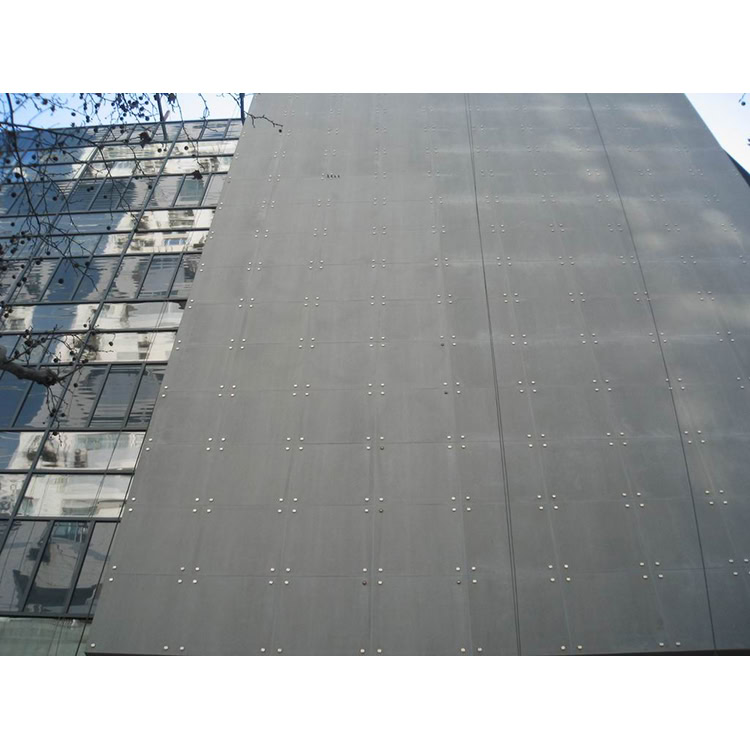
I always tell my clients that exterior walls are your first line of defense. Fiber cement is made from a mix of Portland cement, sand, and cellulose fibers. During our manufacturing process, we use high-pressure steam curing (autoclaving). This makes the board as tough as stone. Unlike wood, it has zero fuel load. If a fire starts at a neighboring property, your fiber cement siding will not let the heat pass through easily. This is critical in dense parts of the city where buildings are close together.
I also suggest using it for interior "wet areas" that need fire protection. For example, behind a commercial stove. It stays stable under high heat and does not warp. When you pair this with our galvanized steel studs, you have a wall that simply cannot burn. This is exactly what fire inspectors look for during their walkthroughs. They want to see materials that meet the ASTM C1186 standard for physical properties and fire safety.
| Material Type | Fire Reaction | Smoke Production | Guyana Site Suitability |
|---|---|---|---|
| Plywood Siding | Highly Flammable | Thick Black Smoke | High Risk |
| PVC Panels | Melts / Drips | Toxic Fumes | Dangerous in Fire |
| TRUSUS Fiber Cement | Non-Combustible | Zero Smoke | Safest Choice |
| Standard Drywall | Low Flammability | Minimal | Indoor Only |
How Does Fire Rated Plasterboard Protect Your Interior Escape Routes?
During a fire, regular walls collapse quickly, trapping people inside smoke-filled hallways. This lack of structural integrity is the main cause of fatalities in commercial building fires in Guyana.
Fire-rated plasterboard (often called Pink Board) contains a fiberglass-reinforced core that holds the board together under extreme heat. It creates a critical fire barrier for hallways and stairwells, giving occupants enough time to escape safely.
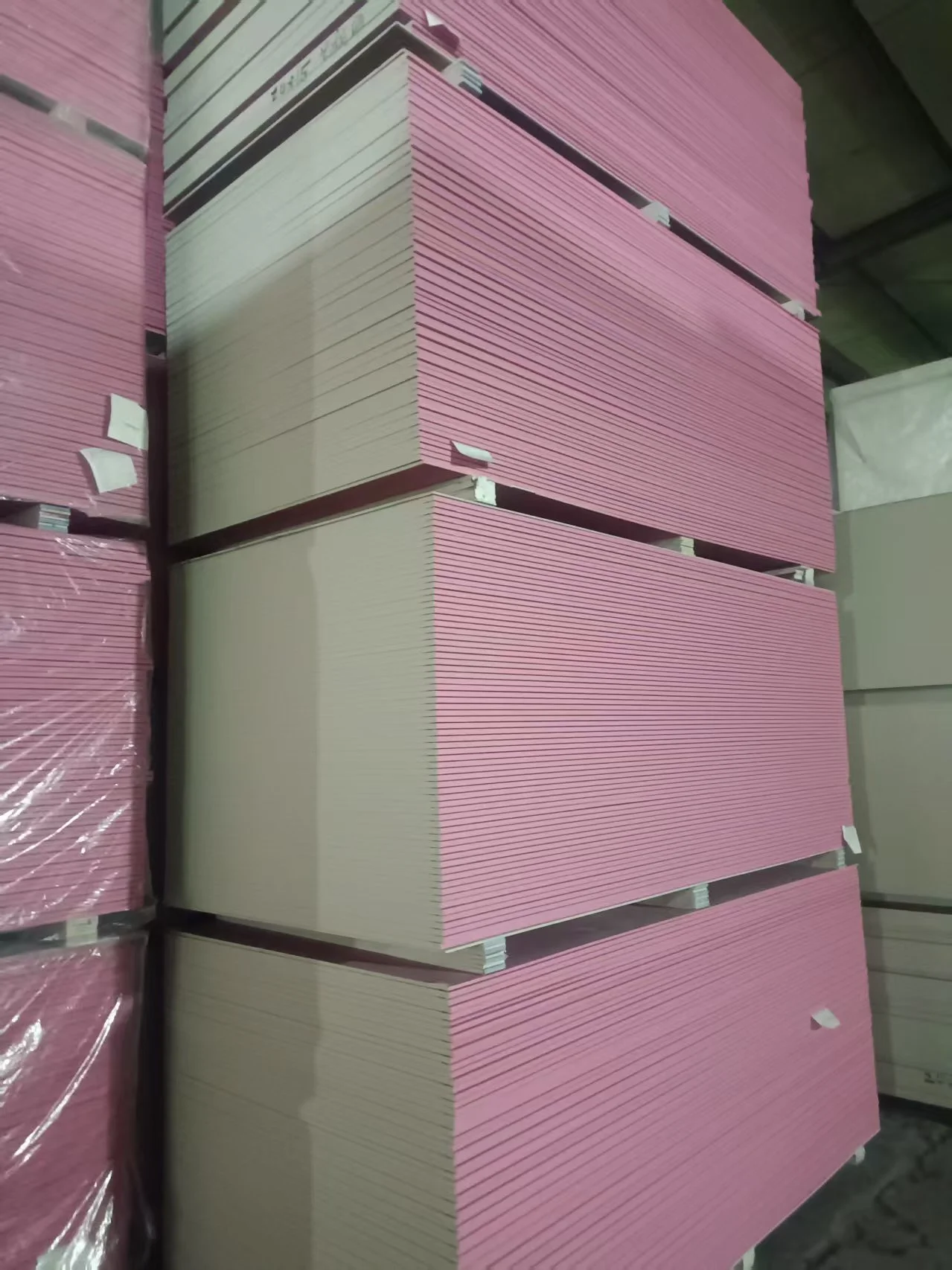
In my years at the factory, I learned the secret of the "Type X" gypsum board. Inside the gypsum core, there are tiny crystals of chemically combined water. When a fire hits the plasterboard, this water is released as steam. This process is called "calcination." It actually works like a built-in sprinkler system inside the wall to keep the temperature down.
We also add glass wool fibers into the gypsum mix. When the paper face burns off, these glass fibers act like a skeleton. They hold the charred gypsum in place so the wall stays standing. This is why it is called "Fire Rated." For a standard hotel corridor, you should use two layers of 5/8" drywall on each side of the metal stud. This can give you a 2-hour fire rating. I also recommend filling the wall with rockwool or glass wool insulation. This doesn't just help with acoustic privacy; these minerals have very high melting points. They act as an extra block against the heat. This complete system is what professionals use to protect high-rise buildings in the city.
| Board Type | Core Composition | Fire Resistance Time | Best Application |
|---|---|---|---|
| Standard Drywall | Regular Gypsum | 20-30 Minutes | Bedrooms |
| Moisture Resistant | Silicone Treated | 20-30 Minutes | Bathrooms |
| TRUSUS Fire Rated | Glass Fiber + Gypsum | 60-120 Minutes | Corridors / Shafts |
| Fiber Cement | Cement + Fiber | Non-Combustible | Kitchens / Exterior |
Conclusion: Don't gamble with safety. Build with fiber cement and fire-rated gypsum board to ensure your project meets Guyana’s codes and protects your long-term investment.
