




Will Cement Board Hold Up Outside?
Yes, cement board performs very well outdoors when properly installed and sealed. It resists moisture, temperature change, and UV exposure better than paper-faced gypsum or wood boards. When combined with correct framing and waterproofing, it becomes a durable substrate for exterior finishes.
TRUSUS outdoor insight: cement board doesn’t resist the weather—it works with it.
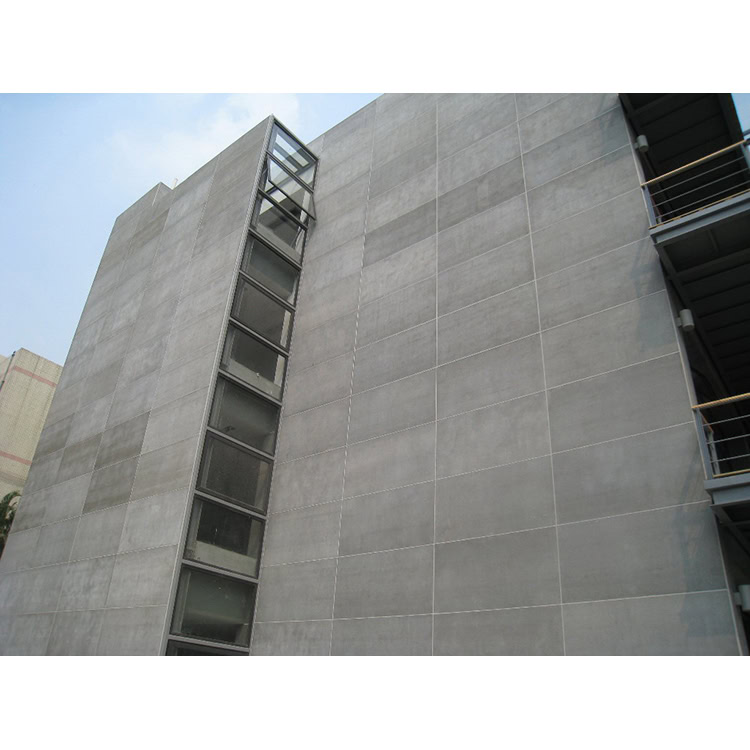
Cement board’s mineral composition and alkaline structure allow it to remain dimensionally stable through repeated wet-dry or hot-cold cycles.
Does Cement Board Absorb Heat?
Cement board absorbs some heat due to its density but doesn’t retain it excessively. Its high thermal mass helps moderate temperature swings, slowly absorbing and releasing heat without warping or weakening.
thermal insight: cement board stores heat like stone—steady, not scorching.
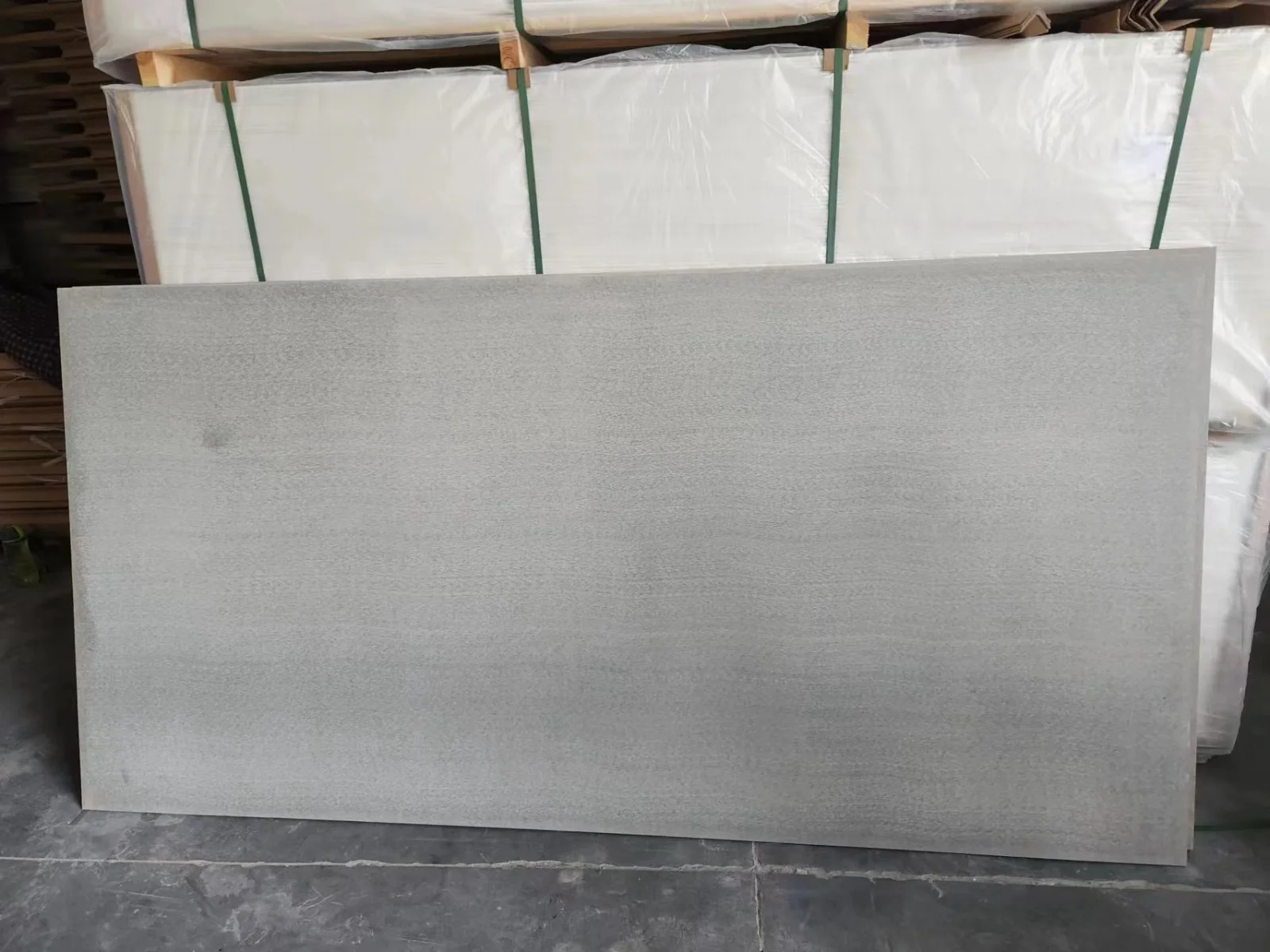
Thermal Characteristics
| Property | Description | Effect in Use |
|---|---|---|
| Thermal Conductivity | Moderate (0.25–0.3 W/m·K) | Prevents rapid heat transfer |
| Thermal Capacity | High mass | Delays interior temperature change |
| Expansion Coefficient | Low (≈ 6 × 10⁻⁶ /°C) | Resists cracking under heat |
| Surface Reaction | Non-combustible | Stable under flame or UV |
| Color Impact | Light grey | Reflects sunlight moderately |
This balanced behavior contributes to comfort and energy efficiency in both exterior cladding and interior wall systems.
Does Cement Board Dissipate Heat?
Cement board dissipates heat slowly and evenly, making it ideal as a fire barrier or substrate under tile and façade systems. Its dense matrix spreads heat across the surface without concentrating stress.
safety insight: when heat comes, cement board spreads calm—not panic.
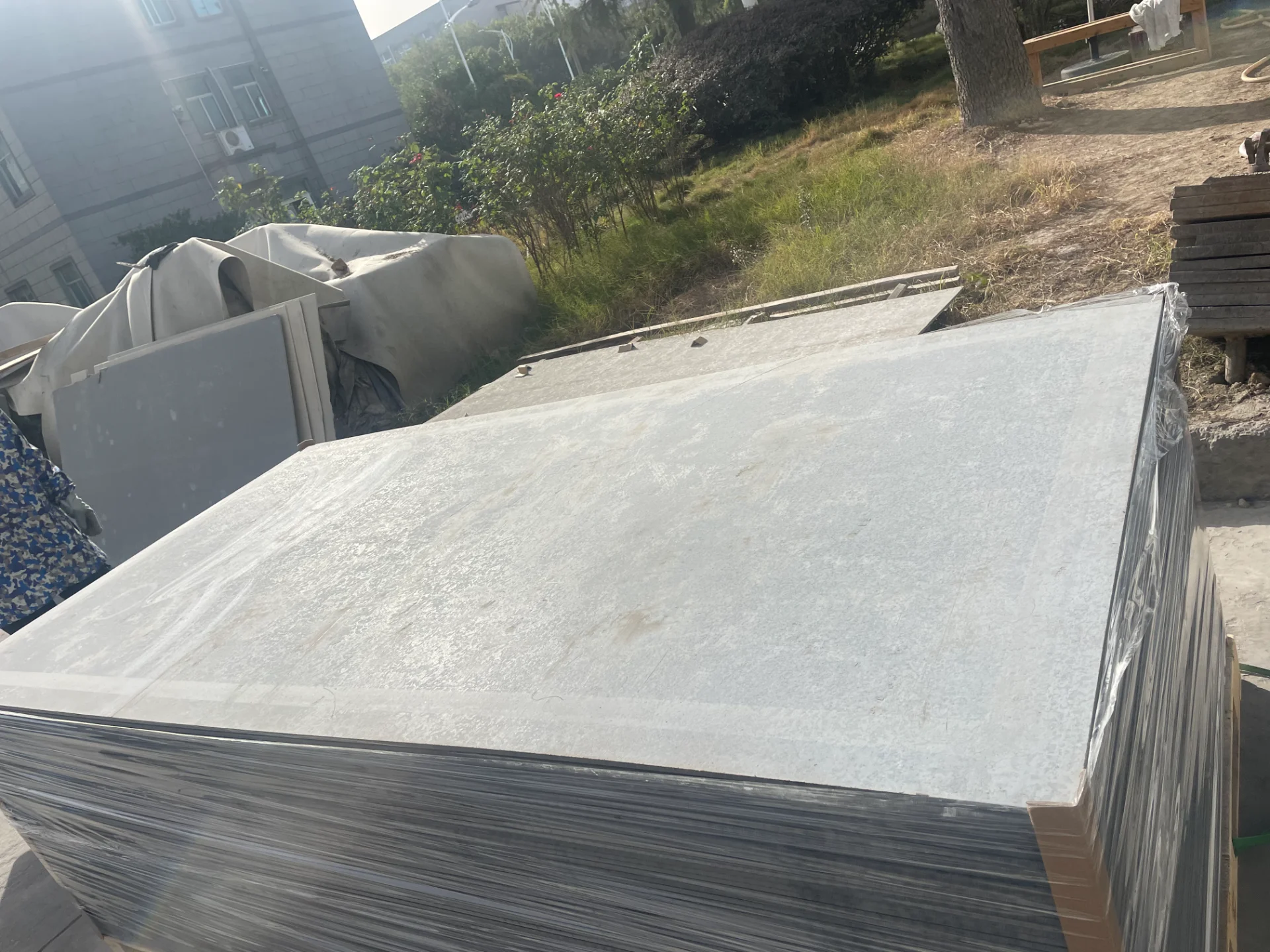
Heat Dissipation Table
| Situation | Heat Behavior | Result |
|---|---|---|
| Direct Sun Exposure | Gradual temperature rise | Durability unchanged |
| Behind Tile or Render | Distributes heat over area | Prevents cracks |
| Fire-Test Conditions | Heat spread over panel | Maintains integrity |
| Thermal Bridging Point | Low conduction loss | Energy balance support |
| Cold-to-Hot Cycles | Controlled expansion | Long-lasting surface adhesion |
Its ability to distribute heat makes cement board a common layer in roofs, façades, and fire-rated assemblies.
How Do Cement Boards Perform in Extreme Weather?
Cement boards remain stable in extreme weather—from heavy rain to frost, high winds, or desert heat. They neither rot nor delaminate and retain structural strength, even after years of exposure. They are often the first choice for high-humidity and coastal projects.
weather insight: cement board doesn’t fight nature—it endures it.
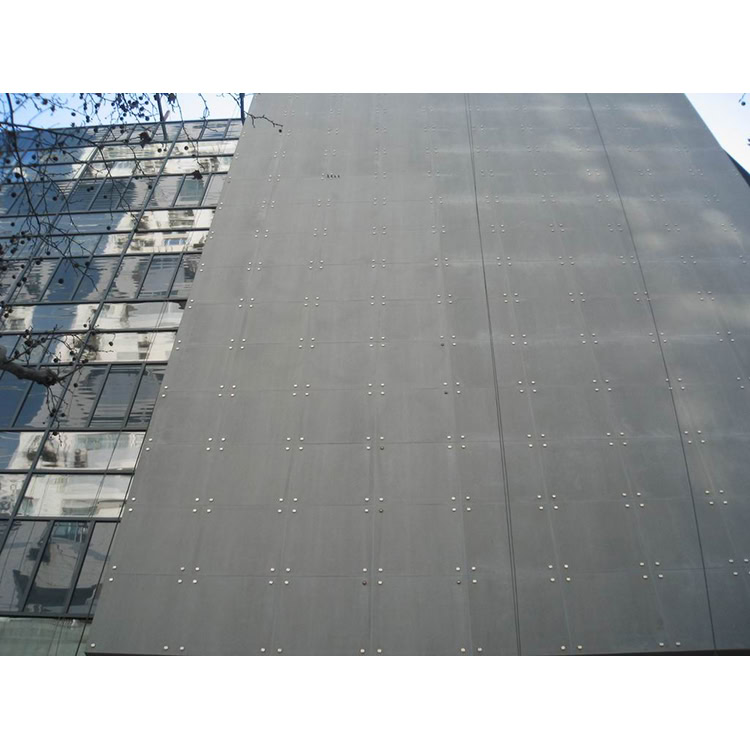
Extreme Weather Performance Matrix
| Condition | Challenge | Cement Board Response |
|---|---|---|
| Heavy Rainfall | Water absorption risk | Minimal swelling (< 0.1%) |
| Frost & Freeze-Thaw | Repeated contraction/expansion | No cracking if installed per spec |
| High Humidity | Mold and decay | Inorganic composition prevents growth |
| High Temperature | Heat distortion | Stable up to 800 °C |
| Coastal Air / Salt Fog | Corrosion exposure | Non-metallic surface resists salt damage |
| Wind Load | Dynamic pressure | Dependable when fastened with proper screws |
When part of an integrated system, cement board acts as both the skin and skeleton that keeps the building performing under diverse climates.
Conclusion
At TRUSUS, I see cement board not as a shield against weather but as an active partner in long-term building stability. It blends endurance, thermal intelligence, and material poise—allowing structures to stay strong, efficient, and graceful under any sky.
