



How Do You Design an Open‑Joint Rainscreen System Using Fiber Cement Board?
An open‑joint rainscreen with fiber cement board works by balancing protection and ventilation. It lets air circulate behind panels so moisture dries instead of being trapped.
TRUSUS façade insight: a rainscreen breathes; it doesn’t leak.
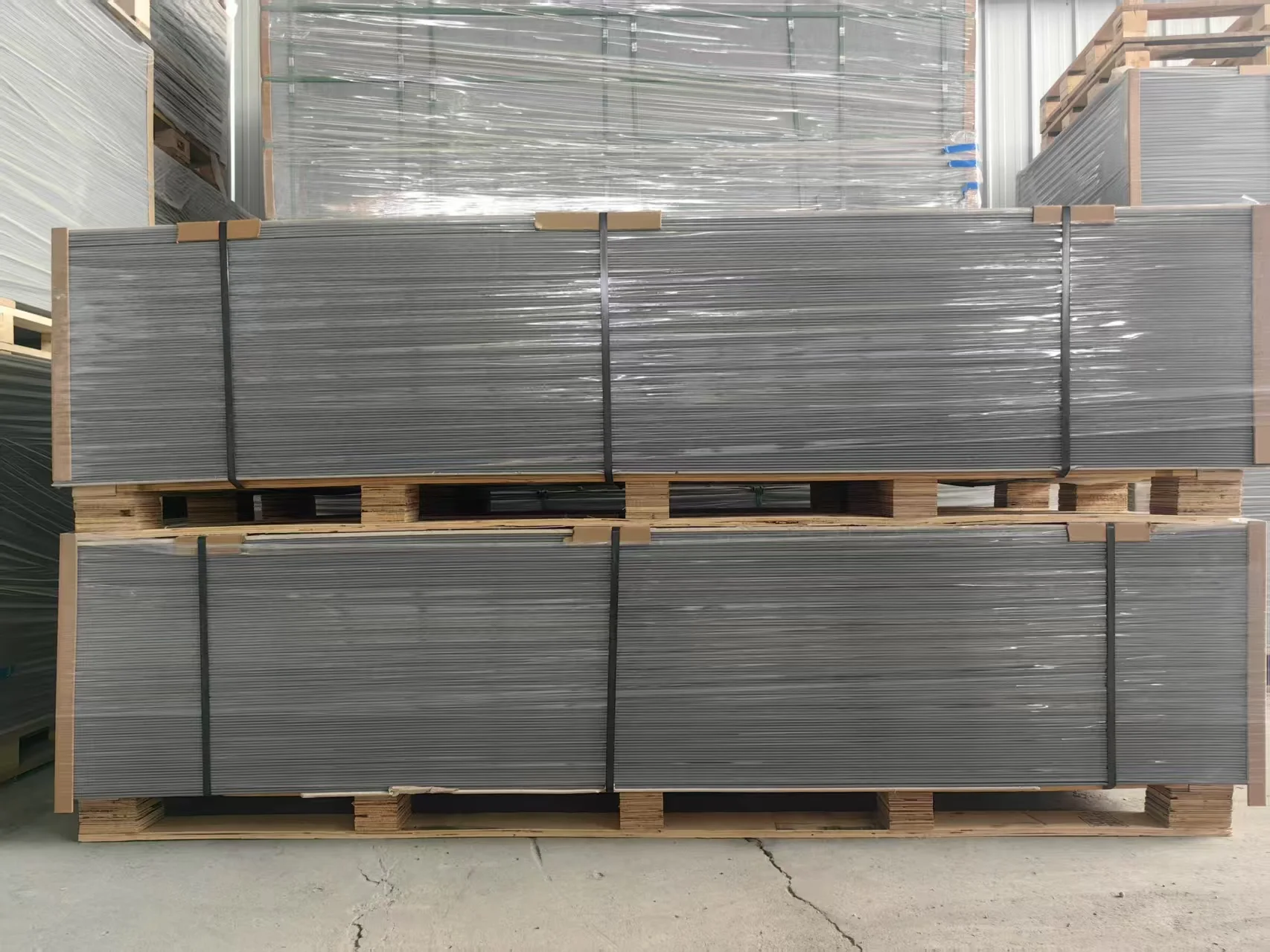
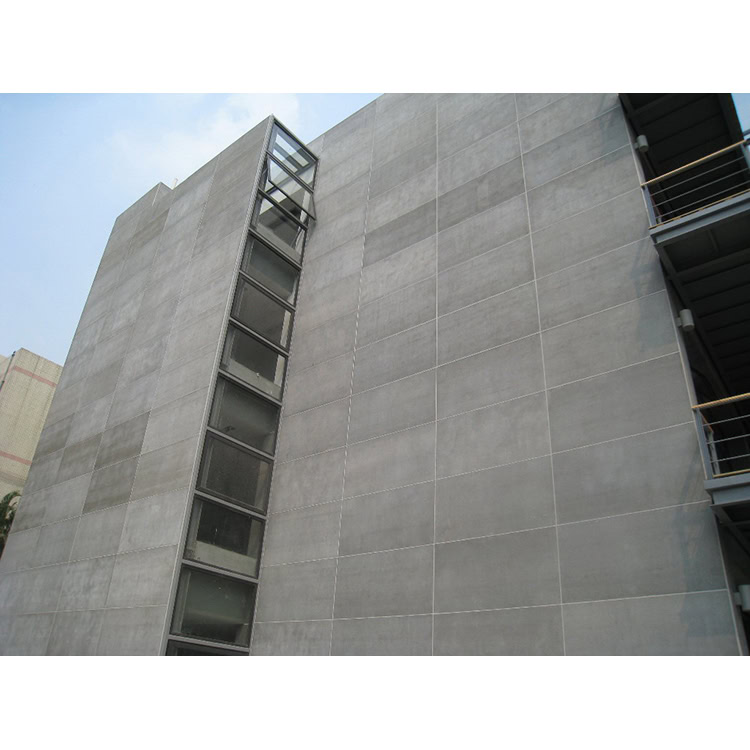
Design begins with spacing panels to create controlled gaps. Behind the boards, a continuous air cavity and waterproof membrane form a double defense line. This cavity equalizes pressure, keeping driven rain from penetrating. Fiber cement boards act as the skin, while the substructure and membrane are the lungs that exhale moisture.
What Is the Purpose of Using EPDM Gasketing Behind Fiber Cement Board Joints?
EPDM gasketing provides elastic sealing and weather protection within open joints. It directs wind‑driven rain outward while maintaining cavity ventilation.
TRUSUS sealing insight: flexibility keeps the façade alive through seasons.
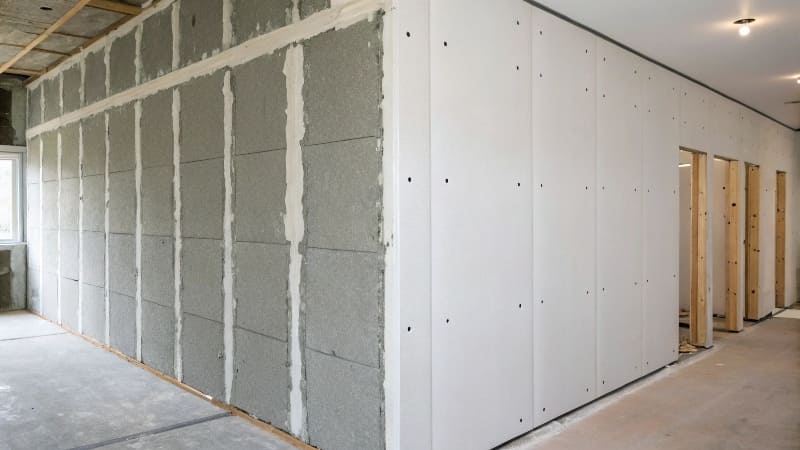
Gasket Function Table
| Component | Material | Function | Benefit |
|---|---|---|---|
| EPDM gasket | Synthetic rubber | Blocks rain penetration | Long‑life elasticity |
| Aluminum subframe | Metal support | Holds panels and gaskets | Dimensional stability |
| Air cavity | 20–40 mm gap | Enables drying airflow | Prevents moisture buildup |
| Waterproof membrane | Poly layer | Secondary protection | Adds safety against leaks |
During one installation project, we noticed gasket lines acting almost like veins, guiding excess moisture downward. Without EPDM behind joints, panels look clean but lack hidden protection. What stays unseen often defines what lasts.
Should You Use Caulk or Metal Flashing at Fiber Cement Board Butt Joints?
Use metal flashing for long‑term durability. Caulk serves temporary sealing but degrades under UV and temperature cycles.
TRUSUS detailing insight: water control means giving it a path, not just blocking it.
Joint Strategy Comparison
| Method | Durability | Maintenance | Design Intent |
|---|---|---|---|
| Caulk sealant | Short-term, 1–3 years | Requires reapplication | Blocks water quickly |
| Metal flashing | >15 years | Minimal upkeep | Guides water systematically |
I once revisited a building five years after completion. Caulk near panel joints had dried and cracked, while metal flashing at corners stayed perfect. It proved simple truth—guided drainage beats temporary closure.
How Do You Handle Transition Detailing Between Cement Board and Brick Masonry?
Use flexible sealants or metal transition strips, never rigid joints. Each material expands and contracts differently—freedom prevents cracking.
TRUSUS transition insight: let each material move in its own rhythm.
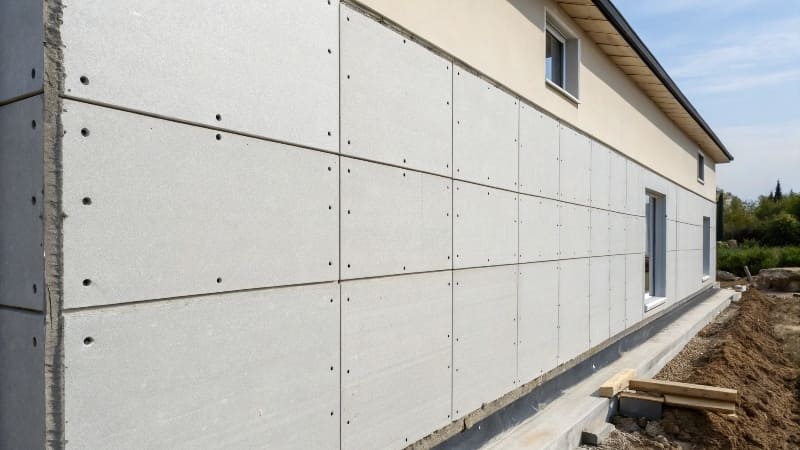
Transition Detailing Guide
| Adjacent Material | Connection Method | Stress Control | Visual Result |
|---|---|---|---|
| Brick masonry | Metal flashing + flexible sealant | Independent movement | Clean, shadowed joint |
| Aluminum panel | Separation gasket | Absorbs thermal expansion | Continuous gap aesthetic |
| Glass façade | Structural silicone seal | Weather resistance | Seamless reflection |
I remember a designer pairing smooth fiber cement panels next to rough brick. At first, cracks formed because the joint was rigid. Once a flexible gasket detail replaced mortar contact, the façade stayed stable and looked intentional.
Conclusion
At TRUSUS, I see every joint as part of a living system. Rainscreen design isn’t just water control—it’s a conversation between air, structure, and durability that lets buildings breathe for decades.