




Why Is High-Density Fiber Cement Board Used for Data Center Floors?
Data centers demand floor panels that stay stable under constant load, vibration, and temperature shifts. High‑density fiber cement boards deliver mechanical and dimensional stability where metal decks or wood fail.
TRUSUS infrastructure insight: a floor panel’s reliability defines a server’s uptime.
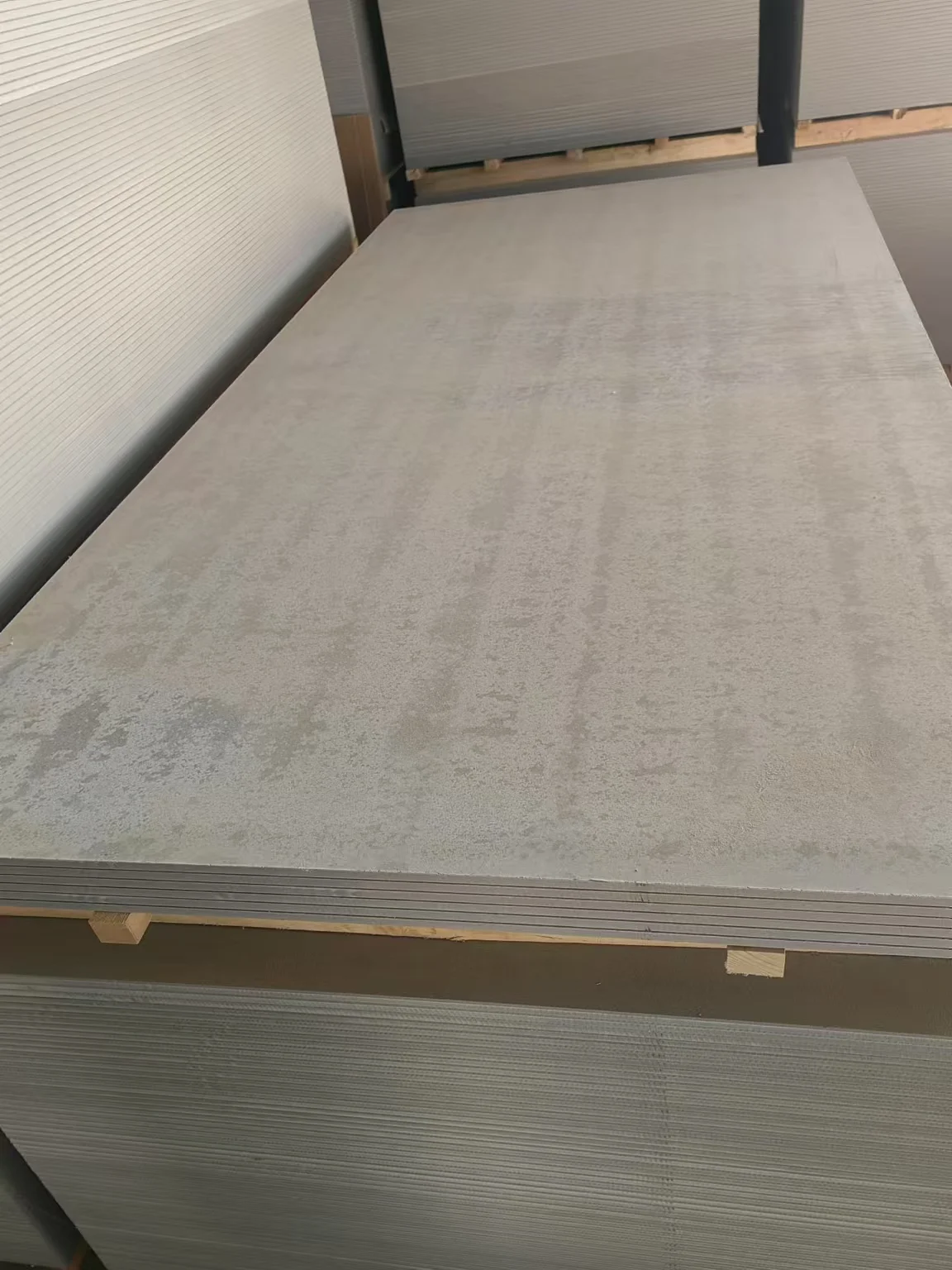
Fiber cement boards with density above 1.6 g/cm³ provide solid rigidity without resonance. They resist moisture, fire, and static buildup, while keeping dimensional tolerance through repeated cooling and heating cycles. These properties make them ideal base panels for raised access floors supporting heavy racks.
Can Fiber Cement Board Be Used for Industrial Mezzanine Decks?
Yes, provided it is a high‑density grade installed over steel joists or framing. The board’s strength and incombustibility make it ideal for elevated work floors or storage decks.
TRUSUS structural insight: think of the board not as cladding but as a load‑bearing surface component.
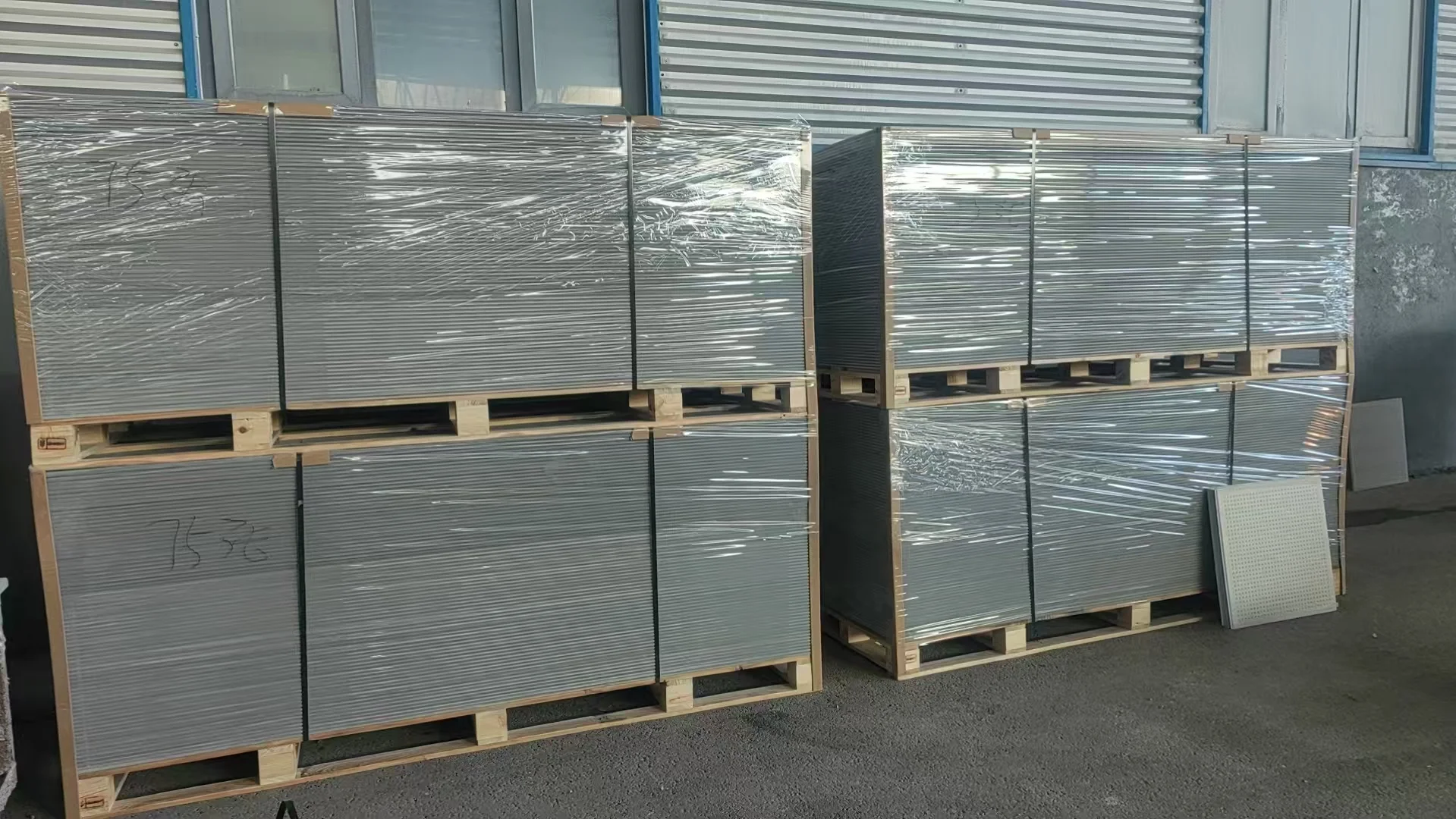
Mezzanine Deck Design Reference
| Property | Typical Requirement | Fiber Cement Performance |
|---|---|---|
| Flexural Strength | ≥ 16 MPa | 18–22 MPa (reinforced grade) |
| Fire Resistance | A1 non‑combustible | Passes EN/GB standards |
| Dimensional Change (humidity) | ≤ 0.25 % | Excellent stability |
| Impact Resistance | Industrial class | High rigidity surface |
When I supported a logistics client, the switch from wood decking to fiber cement panels stopped long‑term creep and swelling under pallets. The boards handled heavy forklifts while staying flat across steel subframes.
Is Fiber Cement Board Strong Enough for Heavy‑Duty Warehouse Shelving?
High‑density fiber cement board easily withstands concentrated shelf loads when correctly supported. Its compressive and bending strengths allow safe use as shelf flooring or platform decking.
TRUSUS warehouse insight: consistent surface stiffness means stable inventory systems.
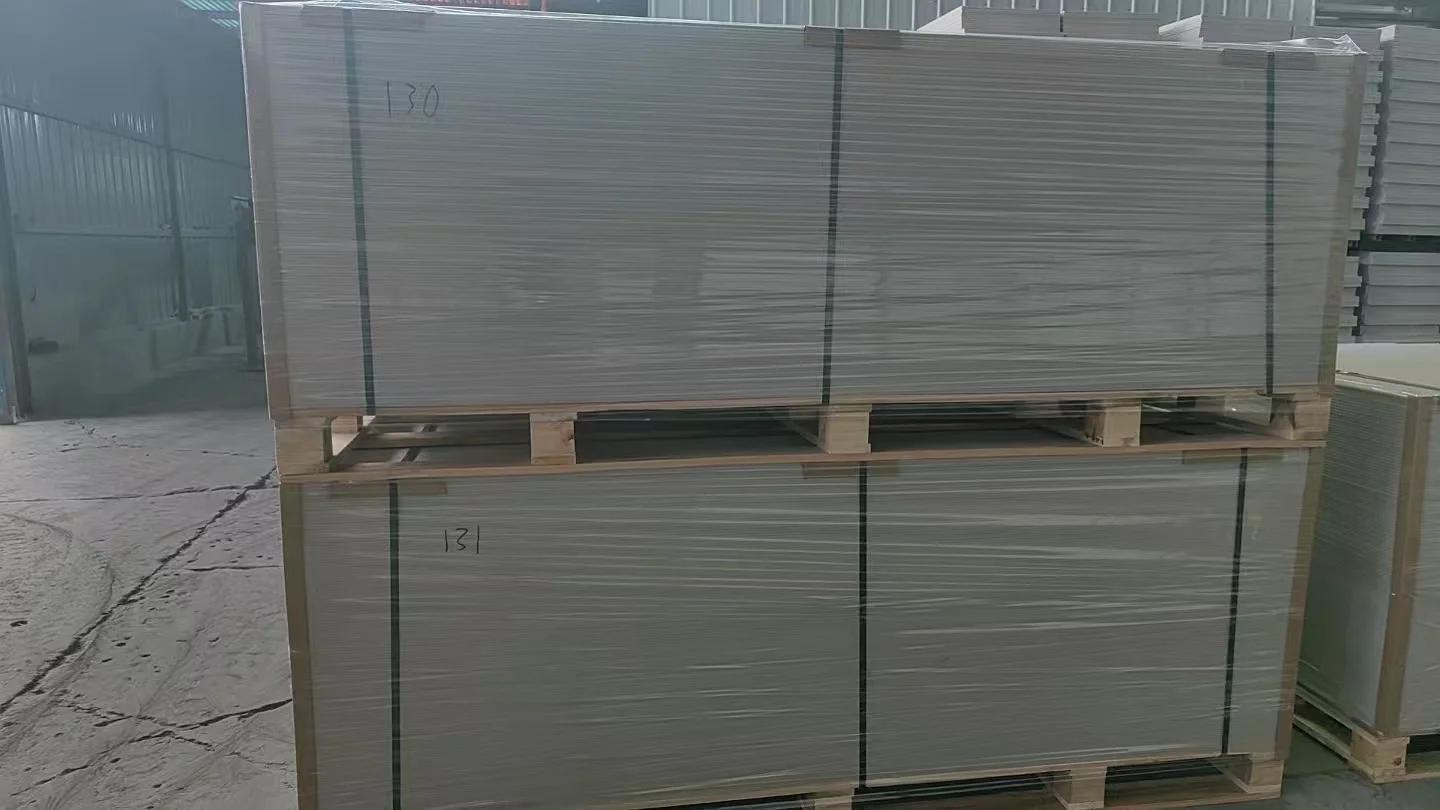
Shelf Load Analysis
| Panel Thickness | Shelf Span | Uniform Load Capacity | Application |
|---|---|---|---|
| 12 mm | ≤ 600 mm | ~500 kg/m² | Medium load |
| 15 mm | ≤ 800 mm | ~800 kg/m² | Heavy cartons |
| 18 mm | ≤ 1000 mm | > 1000 kg/m² | Pallet racking |
| 20 mm+ | Custom | > 1200 kg/m² | Machine stands |
In practice, I add a thin steel or aluminum strip at front edges to protect corners from impact. Combined with sealed joints, these panels give warehouses a rigid, fire‑safe, and low‑maintenance shelf surface.
How Does Fiber Cement Board Perform in Corrosive Chemical Environments?
Because it is an inorganic silicate material, fiber cement board shows strong resistance to most industrial vapors and chemical splashes. It neither rusts like steel nor degrades like organic panels.
TRUSUS chemical insight: true durability starts when material chemistry equals the environment.
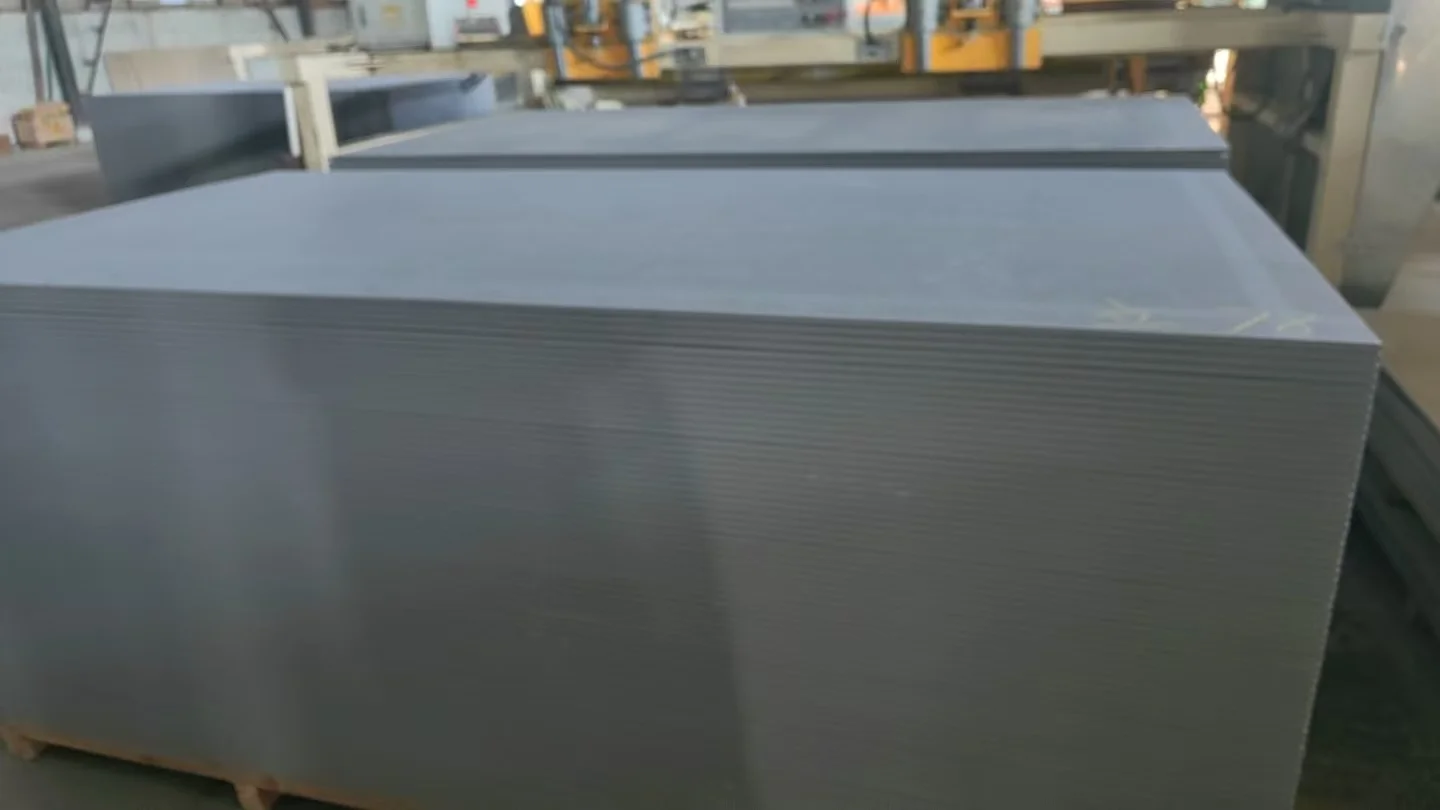
Chemical Resistance Table
| Environment | Common Problem Material | Fiber Cement Reaction |
|---|---|---|
| Acid fumes (HCl, SO₂) | Steel corrosion | Surface inert |
| Alkali vapor (NaOH) | Aluminum oxidation | Stable structure |
| Oil mist & solvents | Polymer swelling | No swelling |
| High humidity / saline air | Rust and delamination | Minimal effect |
| UV exposure | Paint aging | Stable core |
In one chemical plant retrofit, these boards replaced corroded galvanized decks and remained unchanged after years of acidic exhaust exposure. Periodic sealing ensures zero surface dusting and extends life indefinitely under heavy traffic.
Conclusion
At TRUSUS, I see high‑density fiber cement board as more than a finishing material. It is an engineering component linking fire safety, mechanical endurance, and environmental stability—turning industrial floors into lasting infrastructure.
