




Why Is Fiber Cement Board Density Critical For Tile Adhesion?
Fiber cement board density directly affects tile adhesion through surface porosity, mechanical strength, dimensional stability, and moisture resistance, with high-density boards (1.4-1.6 g/cm³) providing superior bonding surfaces compared to low-density alternatives.
Higher density creates stronger substrate conditions for long-term tile installation success.
TRUSUS density insight: board density fundamentally determines adhesive penetration depth, mechanical interlock strength, and long-term bond durability in tile applications.
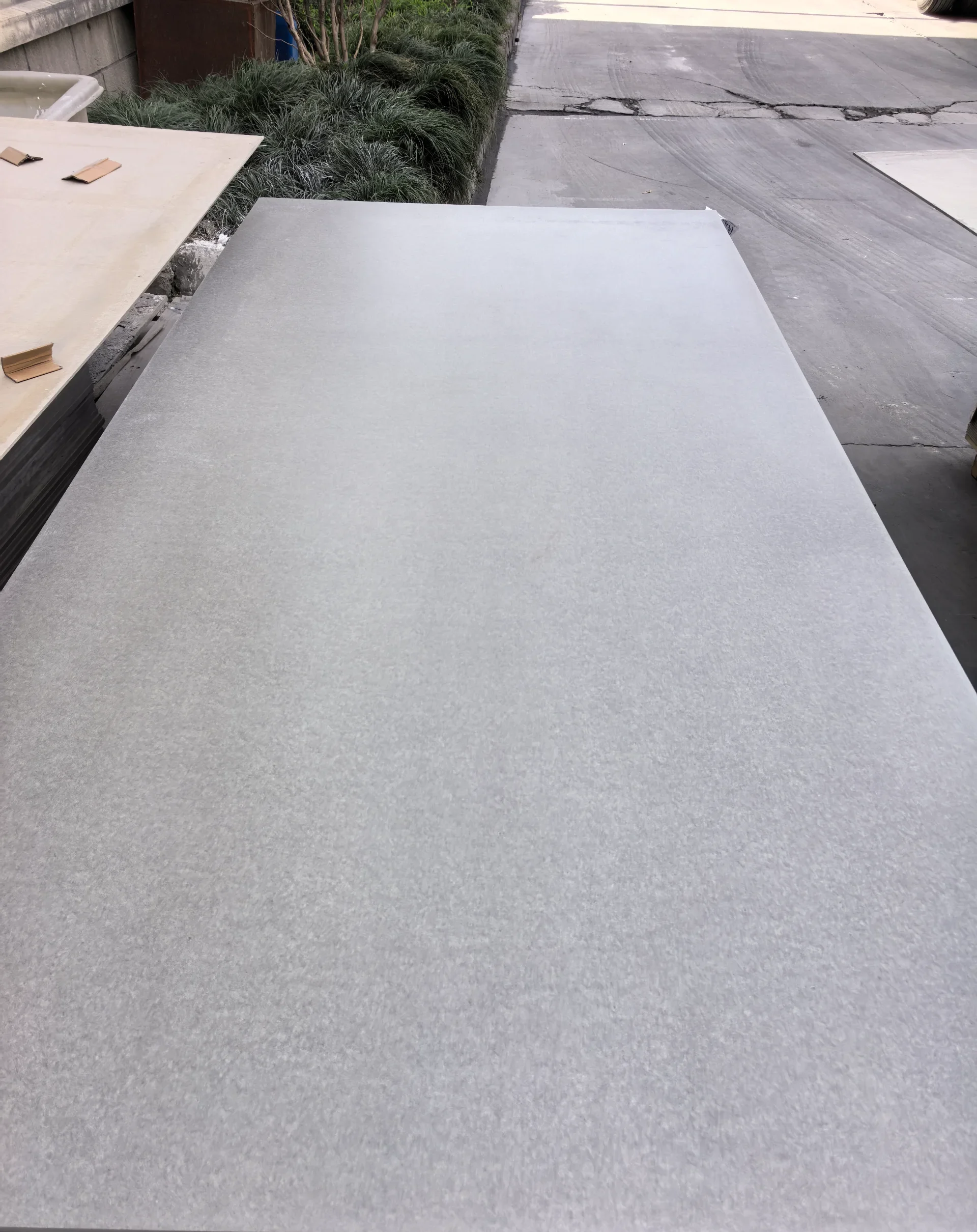
I increasingly see tile failures traced back to inadequate substrate density causing adhesion breakdown under stress conditions.
Proper substrate density selection prevents costly tile installation failures.
Density Impact On Adhesion Mechanisms
| Density Range | Surface Characteristics | Adhesion Performance |
|---|---|---|
| High (1.4-1.6 g/cm³) | Low porosity, high strength | Excellent bond strength |
| Medium (1.2-1.4 g/cm³) | Moderate porosity | Good adhesion |
| Low (0.8-1.2 g/cm³) | High porosity, lower strength | Poor long-term performance |
Higher density provides superior mechanical and chemical bonding conditions.
Technical Performance Comparison
| Performance Factor | High-Density Benefits | Low-Density Limitations |
|---|---|---|
| Surface strength | Excellent (>3 MPa) | Moderate (<2 MPa) |
| Water absorption | Low (<15%) | High (>20%) |
| Dimensional stability | Superior | Variable |
| Adhesive penetration | Controlled optimal depth | Excessive absorption |
High-density boards provide consistent, reliable substrate performance.
Moisture Resistance Analysis
| Moisture Condition | High-Density Response | Low-Density Response |
|---|---|---|
| Wet area applications | Excellent stability | Dimensional movement risk |
| Humidity cycling | Minimal expansion | Significant movement |
| Water penetration | Surface resistance | Deep absorption |
| Long-term exposure | Maintained integrity | Potential degradation |
Density directly correlates with moisture stability critical for tile adhesion.
Adhesive Interaction Mechanisms
| Interaction Type | High-Density Performance | Low-Density Performance |
|---|---|---|
| Mechanical interlock | Optimal surface texture | Excessive porosity |
| Chemical bonding | Strong matrix interaction | Inconsistent bonding |
| Stress distribution | Even load transfer | Localized stress points |
| Thermal movement | Coordinated expansion | Differential movement |
Proper density ensures ideal adhesive-substrate interaction.
Load Transfer Capabilities
| Load Type | High-Density Handling | Low-Density Limitations |
|---|---|---|
| Shear forces | Excellent resistance | Potential failure points |
| Tensile loads | Superior bond strength | Reduced capacity |
| Impact resistance | Robust performance | Vulnerability to damage |
| Long-term stress | Maintained integrity | Gradual bond degradation |
Higher density provides superior load handling for tile installations.
Quality Assurance Requirements
| Quality Factor | High-Density Advantage | Testing Method |
|---|---|---|
| Bond strength | Consistent >1.5 MPa | Pull-off testing |
| Surface integrity | Uniform characteristics | Visual and tactile |
| Dimensional tolerance | Precise specifications | Measurement verification |
| Moisture content | Controlled levels | Moisture meter testing |
High-density boards meet stringent tile installation quality standards.
Why Density Selection Matters
| Inadequate Density Selection | Proper High-Density Selection |
|---|---|
| Adhesion failure risk | Reliable long-term bonding |
| Moisture-related problems | Superior wet area performance |
| Uneven stress distribution | Consistent load transfer |
Proper density selection ensures tile installation success and longevity.
The Industry Shift Behind Density Questions
| Traditional Substrate Selection | Modern Performance-Based Selection |
|---|---|
| Cost-first decision making | Performance-critical evaluation |
| Generic board specifications | Density-optimized solutions |
| Basic suitability assessment | Comprehensive adhesion analysis |
I increasingly see professional tile installers specify high-density fiber cement boards based on adhesion performance requirements rather than cost considerations alone.
What Is The Maximum Wind Pressure Rating For Multi-Story Facade?
Multi-story facade wind pressure ratings typically range from 3.0-8.0 kPa depending on building height, location, and design factors, with high-rise buildings requiring specialized engineering analysis and wind tunnel testing for accurate pressure determination.
Wind pressure increases significantly with building height and exposure conditions.
TRUSUS wind pressure insight: facade systems must resist both positive and negative wind pressures while maintaining structural integrity and weather sealing performance.
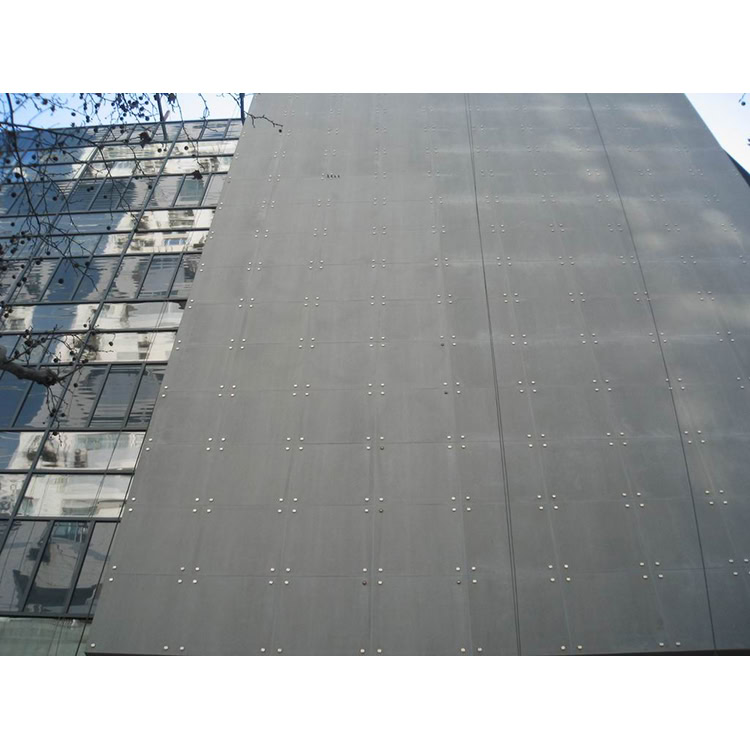
I increasingly see facade failures traced to inadequate wind pressure design considerations, particularly on tall buildings in high-wind zones.
Proper wind pressure analysis prevents catastrophic facade failures and safety hazards.
Wind Pressure By Building Height
| Building Height | Typical Wind Pressure | Safety Factor |
|---|---|---|
| Low-rise (1-3 floors) | 1.5-3.0 kPa | 1.4-1.6x |
| Mid-rise (4-10 floors) | 3.0-5.0 kPa | 1.6-2.0x |
| High-rise (10-20 floors) | 5.0-8.0 kPa | 2.0-2.5x |
| Super high-rise (20+ floors) | 8.0+ kPa | Engineering analysis |
Building height significantly affects wind pressure requirements.
Regional Wind Zone Classifications
| Wind Zone | Basic Wind Speed | Design Pressure |
|---|---|---|
| Low wind | 120-140 km/h | 2.0-3.5 kPa |
| Moderate wind | 140-170 km/h | 3.5-5.5 kPa |
| High wind | 170-200 km/h | 5.5-8.0 kPa |
| Extreme wind | 200+ km/h | >8.0 kPa |
Geographic location determines base wind pressure requirements.
Facade System Performance Requirements
| System Component | Pressure Resistance | Critical Factors |
|---|---|---|
| Structural frame | Design pressure +30% | Connection strength |
| Cladding panels | Full design pressure | Material strength |
| Sealing systems | Pressure differential | Water penetration resistance |
| Fastening systems | Ultimate strength | Fatigue resistance |
All system components must meet or exceed design wind pressures.
Testing And Verification Methods
| Test Method | Application | Pressure Range |
|---|---|---|
| Static pressure testing | Standard verification | Up to 6.0 kPa |
| Dynamic pressure testing | Fatigue analysis | Cyclic loading |
| Wind tunnel testing | Complex geometries | Site-specific |
| Field testing | Installation verification | Actual conditions |
Comprehensive testing ensures facade performance under wind loads.
Design Factors Affecting Pressure
| Design Factor | Pressure Impact |
|---|---|
| Building shape | Aerodynamic efficiency |
| Surface roughness | Boundary layer effects |
| Surrounding buildings | Wind acceleration/shelter |
| Architectural features | Local pressure variations |
Building design significantly influences wind pressure distribution.
Safety And Code Requirements
| Code Standard | Minimum Requirements | Safety Margins |
|---|---|---|
| International Building Code | Structural adequacy | 1.6x service loads |
| ASCE 7 Wind Loads | Regional wind speeds | Ultimate strength design |
| Local building codes | Site-specific requirements | Additional safety factors |
Code compliance ensures minimum safety standards for wind resistance.
Why Accurate Wind Analysis Matters
| Inadequate Wind Analysis | Proper Wind Engineering |
|---|---|
| Facade failure risk | Reliable performance |
| Safety hazards | Public safety assurance |
| Costly repairs | Preventive design |
Comprehensive wind analysis prevents facade failures and ensures occupant safety.
The Industry Shift Behind Wind-Pressure Questions
| Traditional Design Approach | Modern Wind Engineering |
|---|---|
| Code minimum compliance | Performance optimization |
| Generic pressure values | Site-specific analysis |
| Limited testing | Comprehensive verification |
I increasingly see architects and engineers implement sophisticated wind analysis for facade design optimization and risk mitigation.
Can Fiber Cement Board Be Used For Fire-Rated Shaft Walls?
Yes, fiber cement board can be used for fire-rated shaft walls when properly specified and installed as part of tested fire-rated assemblies, typically achieving 1-4 hour fire ratings depending on system configuration and board specifications.
Fire-rated applications require certified assemblies and proper installation details.
TRUSUS fire rating insight: shaft wall fire ratings depend on complete system performance, not individual component ratings, requiring tested assemblies and professional installation.
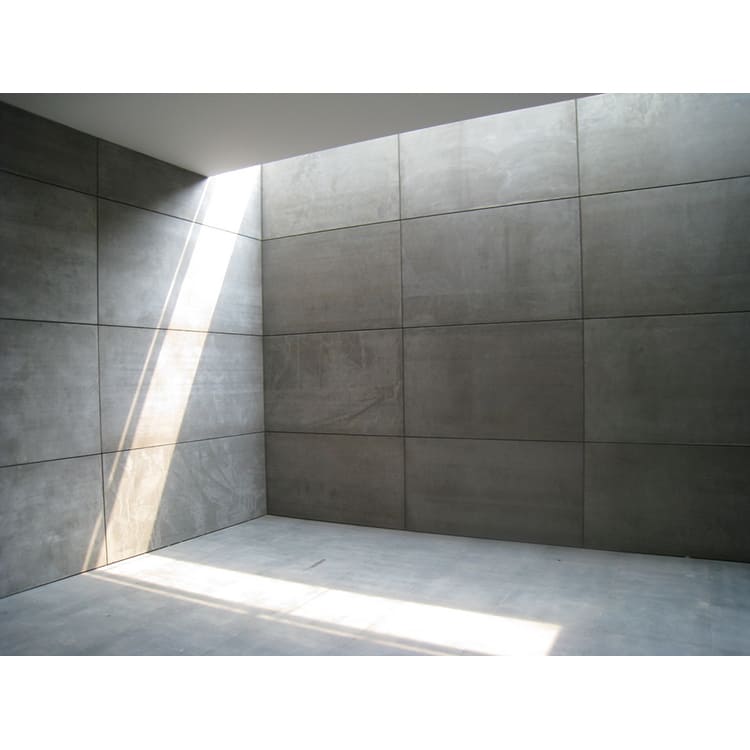
I increasingly see fire-rated shaft wall failures traced to improper assembly details rather than inadequate materials, emphasizing system design importance.
Proper fire-rated assembly design and installation ensures life safety compliance.
Fire Rating Assembly Requirements
| Fire Rating | Assembly Configuration | Fiber Cement Specification |
|---|---|---|
| 1-hour | Single layer + framing | 12mm minimum thickness |
| 2-hour | Double layer or enhanced | 15mm minimum thickness |
| 3-hour | Multi-layer system | 20mm+ thickness |
| 4-hour | Specialized assemblies | Engineering analysis |
Higher fire ratings require more robust assembly configurations.
Tested Assembly Components
| Assembly Element | Requirements | Critical Factors |
|---|---|---|
| Fiber cement board | UL/ULC listed | Thickness, density |
| Framing system | Fire-rated steel | Spacing, connections |
| Joint treatment | Fire-rated sealants | Continuity, compatibility |
| Penetrations | Fire-stopped | Maintain assembly rating |
All components must maintain fire rating integrity.
Installation Critical Details
| Detail Area | Requirements | Failure Points |
|---|---|---|
| Board joints | Proper treatment | Gap sealing |
| Framing connections | Rated fasteners | Connection integrity |
| Penetrations | Fire stopping | System continuity |
| Base/top details | Continuous protection | Barrier maintenance |
Proper installation details maintain fire rating performance.
Fire Performance Characteristics
| Performance Factor | Fiber Cement Capability |
|---|---|
| Non-combustibility | Class A rating |
| Structural integrity | Maintains strength at temperature |
| Thermal barrier | Limits heat transfer |
| Smoke generation | Minimal production |
Fiber cement provides excellent fire resistance characteristics.
Code Compliance Requirements
| Building Code | Fire Rating Requirements | Testing Standards |
|---|---|---|
| International Building Code | Minimum 1-hour shafts | ASTM E119/UL 263 |
| NFPA Life Safety Code | Compartmentation | CAN/ULC S101 |
| Local amendments | Enhanced requirements | Regional standards |
Code compliance ensures minimum fire safety performance.
Quality Assurance Process
| QA Element | Verification Method | Documentation |
|---|---|---|
| Material certification | UL listing verification | Certification labels |
| Installation inspection | Field verification | Inspection reports |
| Assembly compliance | Tested assembly match | Assembly drawings |
| Penetration details | Fire stopping verification | Completion certificates |
Comprehensive quality assurance ensures fire rating integrity.
Why Fire-Rated Systems Matter
| Non-Rated Construction | Properly Fire-Rated Systems |
|---|---|
| Fire spread risk | Compartmentalization |
| Life safety concerns | Evacuation time protection |
| Property damage | Asset protection |
Fire-rated shaft walls provide critical life safety protection.
The Industry Shift Behind Fire-Rating Questions
| Traditional Fire Protection | Modern Performance-Based Design |
|---|---|
| Minimum code compliance | Enhanced safety margins |
| Component-based thinking | System performance focus |
| Basic material selection | Assembly optimization |
I increasingly see building professionals implement comprehensive fire protection strategies emphasizing tested assembly performance and installation quality.
How To Distinguish Between High-Density And Low-Density Boards?
High-density and low-density fiber cement boards can be distinguished through visual inspection (surface texture), weight comparison (density >1.4 vs <1.2 g/cm³), hardness testing, water absorption rates, and technical documentation verification.
Multiple identification methods provide reliable density determination.
identification insight: proper board identification prevents application mismatches that can lead to performance failures and safety issues.
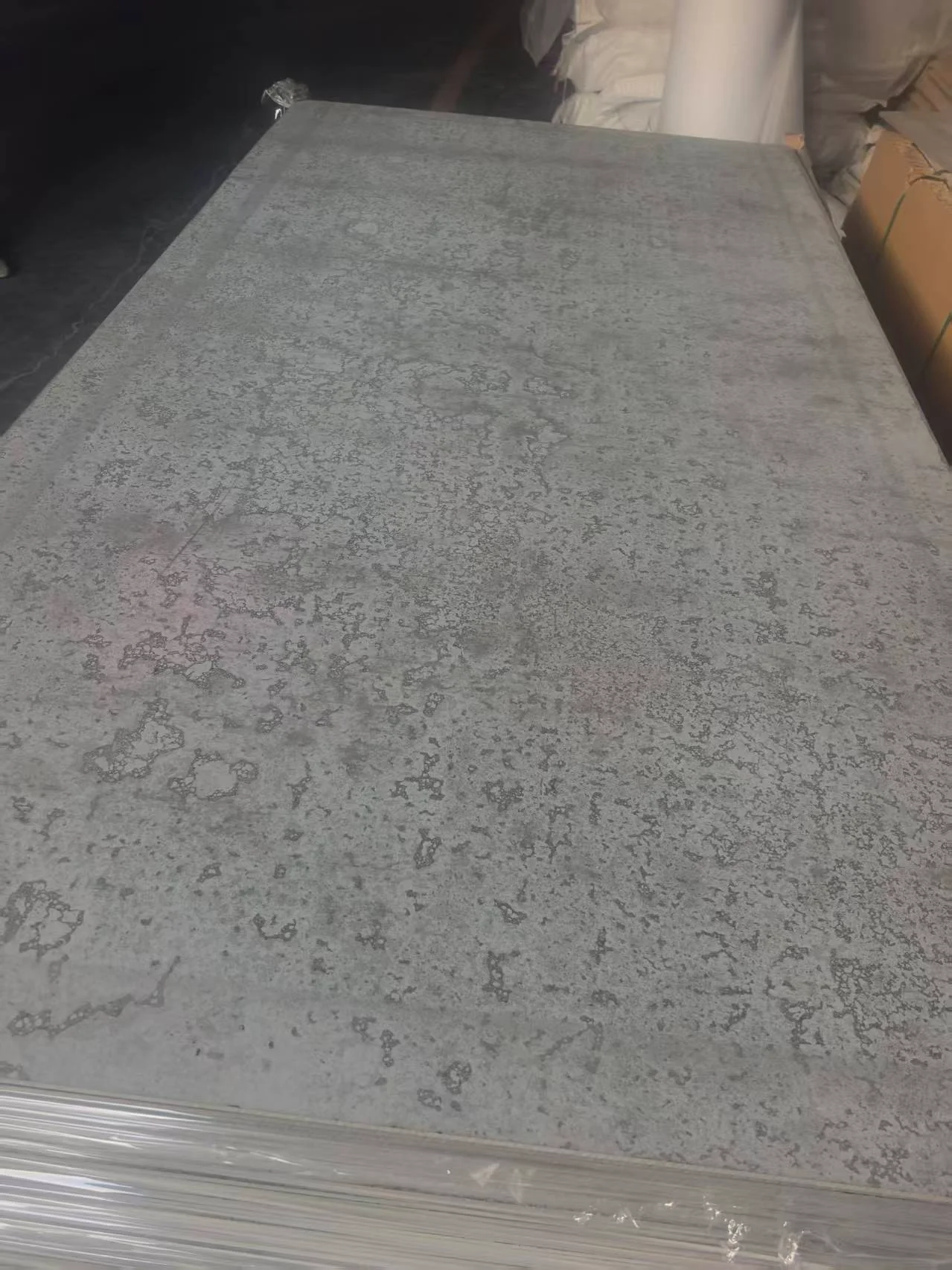
I increasingly see construction problems traced to incorrect board density selection, emphasizing the importance of accurate identification methods.
Reliable identification methods prevent costly application mismatches and performance failures.
Physical Identification Methods
| Identification Method | High-Density Indicators | Low-Density Indicators |
|---|---|---|
| Surface texture | Smooth, fine finish | Rougher, more porous |
| Edge appearance | Dense, uniform | Visible fiber structure |
| Weight comparison | Noticeably heavier | Lighter weight |
| Hardness test | Difficult to scratch | Easier to mark |
Visual and tactile methods provide immediate density indication.
Density Measurement Standards
| Density Classification | Range (g/cm³) | Typical Applications |
|---|---|---|
| High-density | 1.4-1.6 | Wet areas, exterior |
| Medium-density | 1.2-1.4 | Interior walls |
| Low-density | 0.8-1.2 | Ceiling, dry areas |
Density ranges determine appropriate application areas.
Water Absorption Testing
| Test Method | High-Density Result | Low-Density Result |
|---|---|---|
| Surface water drop | Slow absorption | Rapid absorption |
| 24-hour immersion | <15% water uptake | >20% water uptake |
| Capillary action | Limited wicking | Extensive wicking |
Water absorption tests reveal density-related porosity differences.
Technical Documentation Verification
| Documentation Source | Information Available | Reliability |
|---|---|---|
| Manufacturer labels | Density specifications | High reliability |
| Technical data sheets | Comprehensive properties | Authoritative |
| Test certificates | Verified performance | Laboratory confirmed |
| Product codes | Specification reference | Cross-reference required |
Technical documentation provides definitive density confirmation.
Field Testing Methods
| Field Test | Equipment Required | Accuracy |
|---|---|---|
| Digital scale | Precision balance | High |
| Moisture meter | Density function | Moderate |
| Hardness tester | Durometer | Moderate |
| Thickness gauge | Precision caliper | Supporting data |
Field testing enables on-site density verification.
Common Identification Mistakes
| Mistake | Consequence | Prevention |
|---|---|---|
| Visual assumption only | Wrong application choice | Multiple verification methods |
| Ignoring documentation | Performance issues | Check technical data |
| Single test reliance | Inconclusive results | Comprehensive testing |
Multiple identification methods prevent costly specification errors.
Why Accurate Identification Matters
| Incorrect Identification | Proper Density Selection |
|---|---|
| Performance failures | Optimal application matching |
| Safety concerns | Reliable system performance |
| Costly replacements | First-time installation success |
Accurate identification ensures appropriate application and performance success.
The Industry Shift Behind Identification Questions
| Traditional Material Selection | Modern Performance-Verification |
|---|---|
| Appearance-based assumptions | Technical verification methods |
| Generic product acceptance | Specific density requirements |
| Limited testing | Comprehensive identification |
I increasingly see professional contractors implement systematic board identification procedures to ensure optimal performance matching and prevent application failures.
Conclusion
At TRUSUS, I see fiber cement board applications evolving from basic material selection toward performance-engineered solutions requiring density optimization for adhesion, wind pressure analysis for safety, fire rating compliance for protection, and accurate identification for proper application matching.
Success requires treating fiber cement board as an engineered building system demanding comprehensive technical understanding.
