




Why Is Cement Board the Best Replacement for Plywood in Guyana?
Guyanese homeowners are frustrated with plywood floors and partitions that rot, swell, and attract termites after just a few rainy seasons. Continuing to use wood-based materials in wet areas is a waste of money that leads to constant repairs.
Fiber Cement Board is the ultimate upgrade from plywood, offering a waterproof, high-density, and termite-proof solution for flooring decks, bathroom partitions, and kitchen backings. Unlike wood, it meets ASTM C1186 standards, ensuring that your sub-floors and wet areas remain solid and mold-free for the lifetime of the building.
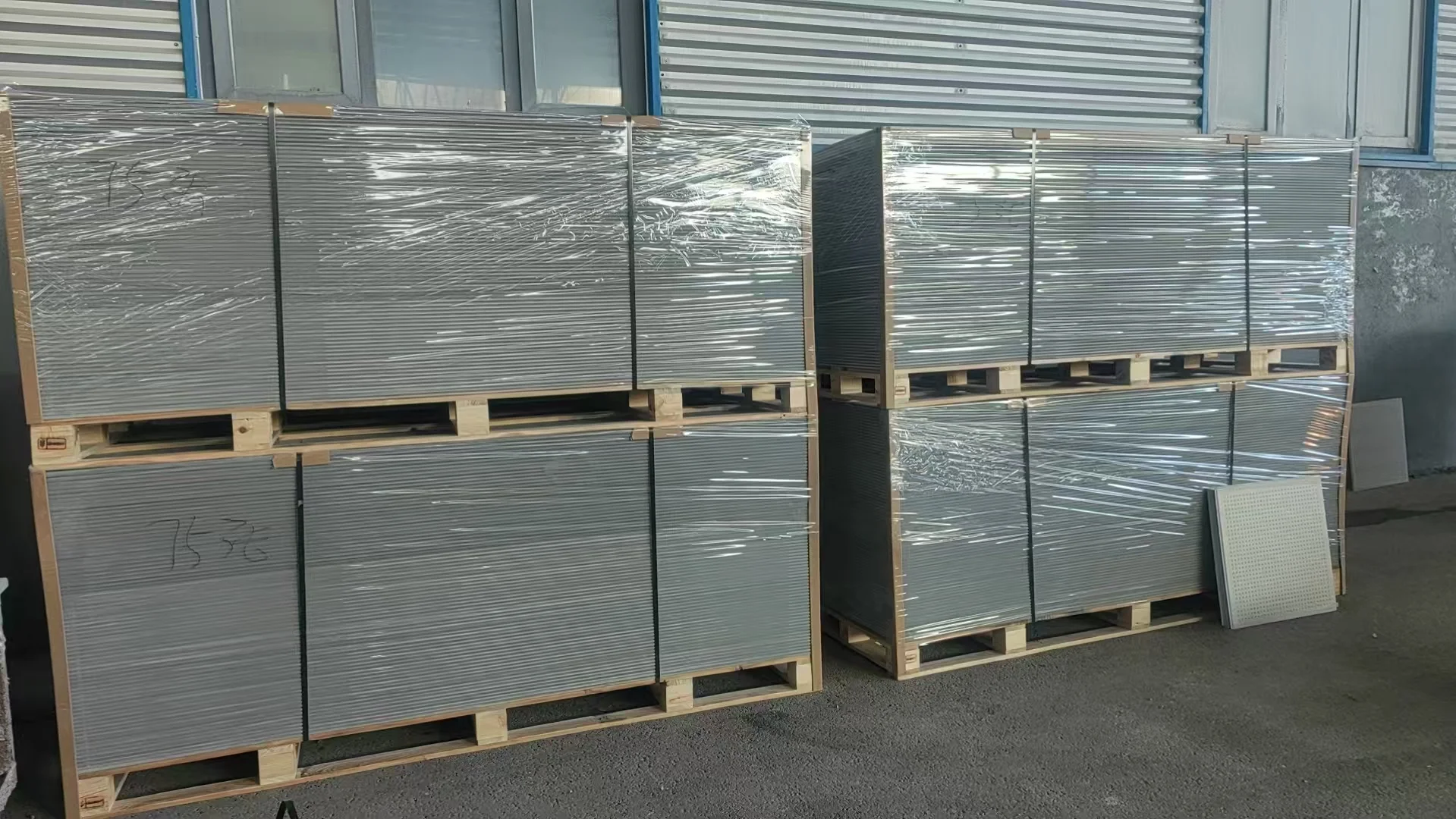
I have seen too many beautiful bathrooms in Georgetown ruined because the tiles were laid over plywood. The grout cracks, water gets in, the wood rots, and the tiles fall off. There is a better way.
Why Does Plywood Fail Where Cement Board Succeeds?
Plywood is made of glued wood layers that delaminate when wet and serve as food for termites, while cement board is a solid, inorganic shield.
Fiber Cement Board is autoclaved (steam-cured) to creating a rock-hard sheet that is impervious to moisture damage and pest infestation. While plywood softens and bounces over time, high-density cement board (18mm-20mm) provides a rigid, squeak-free base for tiling or laminate flooring, making it the professional choice for second-story additions and commercial mezzanines.
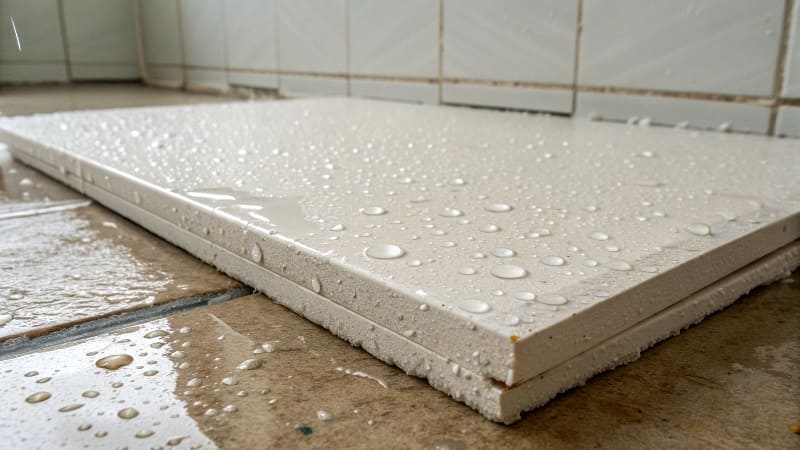
I want you to think of Cement Board not just as a wall material, but as "Synthetic Stone Sheets." In Guyana, where the humidity is relentless, organic materials like wood are fighting a losing battle.
When you build a mezzanine or a second floor, you need a material that can handle load and moisture.
- Plywood: Flexes under weight. If a pipe leaks, it swells. Termites love the glue.
- Cement Board: It is dead material. It does not move. It does not rot.
The "Wet Area" Rule: If you are tiling a shower or a kitchen backsplash, you must use Cement Board. It bonds with the tile adhesive (thin-set mortar) perfectly. Gypsum board (even moisture-resistant) is for walls that breathe. Cement board is for walls that get wet.
| Feature | Marine Plywood | TRUSUS Cement Board | The Guyana Reality |
|---|---|---|---|
| Water Response | Swells & Delaminates | 100% Waterproof | Leaks don't destroy it |
| Termites | High Risk | Zero Risk | Save on poison treatment |
| Flooring Use | Can become "spongy" | Solid Feel | No squeaking floors |
| Fire Safety | Flammable | Non-Combustible | Safer for kitchens |
| Lifespan | 5-10 Years | 50+ Years | Permanent solution |
What Other Materials Do You Need for a Cement Board Project?
Installing heavy cement board on weak wooden studs is dangerous; you need a complete, heavy-duty metal structural system to ensure safety.
To build a proper cement board wall or floor, you must use heavy-gauge Galvanized Steel Keels (0.8mm - 1.2mm thickness) that can support the extra weight. We supply the full compatible kit, including self-drilling ceramic-coated screws (to prevent rust) and alkali-resistant mesh tape, so you don't have to hunt for parts across Georgetown.
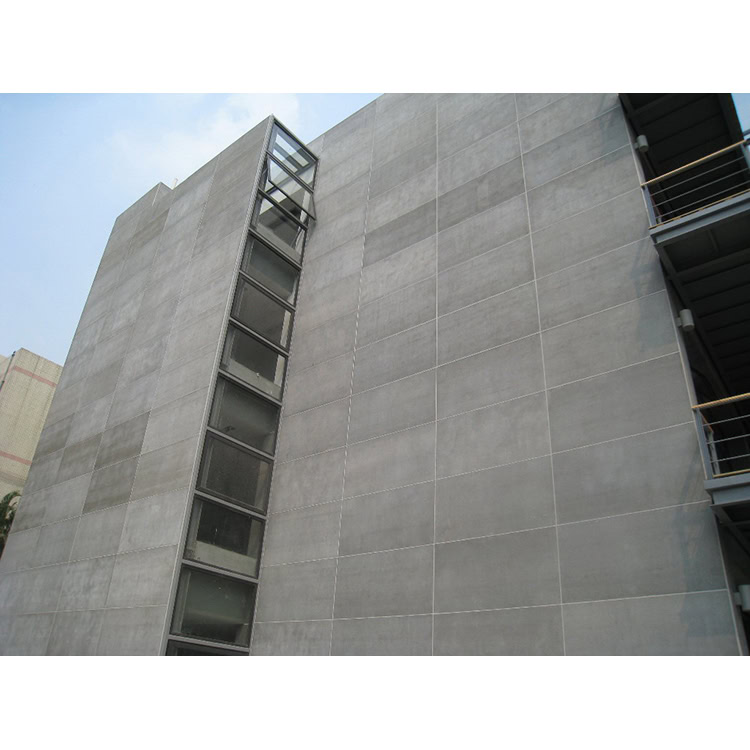
A common mistake I see is contractors buying our premium Cement Board and trying to screw it into cheap, thin metal studs intended for drywall. The board is heavy. It will twist a thin stud.
The TRUSUS System Approach: We don't just sell you the board. We ask: "What are you building?"
- For Flooring: We supply 18mm Cement Board + Galvanized Steel Joists.
- For Exterior Walls: We supply 8mm Siding Planks + Structural Studs.
- For Ceilings: We supply 4.5mm Cement Sheets + Ceiling Grid.
And don't forget the Gypsum Board. Most houses use Cement Board for the bathroom and exterior, but Standard Gypsum Board for the bedrooms and living room to save cost and get a smoother finish. We supply both in the same shipment.
Why is a One-Stop Supplier Critical for Guyanese Contractors?
Dealing with multiple suppliers for different boards and profiles leads to shipping delays and mismatched specifications.
By ordering from TRUSUS, you get a consolidated shipment containing your Cement Board, Gypsum Board, Steel Framing, and even PVC Ceiling Tiles. This one-stop service ensures that your heavy structural materials and delicate finishing products arrive in the same container, matched perfectly for ASTM compliance and installation ease.
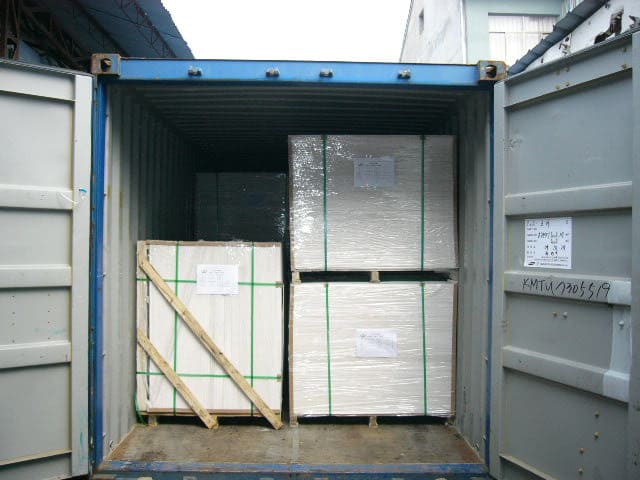
Logistics to Port Georgetown can be slow. If your cement board arrives in January but your steel studs arrive in February, your project stops.
We act as your warehouse in China. We consolidate.
- Weight Balance: Cement board is very heavy. We put it on the bottom.
- Volume Balance: Gypsum board and PVC tiles are lighter. We stack them on top.
- Protection: We use the steel bundles to brace the pallets so nothing moves during the ocean voyage.
This mix guarantees you have every single item needed to build the house—from the heavy floor to the delicate ceiling—the moment the container doors open.
Conclusion
Fiber Cement Board is the permanent, termite-proof replacement for plywood in Guyana. Pair it with our heavy steel keels and gypsum products for a complete, durable build.
