




Why Eco-Conscious Guyanese Are Choosing Fiber Cement Board?
Eco-conscious Guyanese are turning toward fiber cement board because it lasts decades, resists tropical humidity, and replaces wood without deforestation. Choosing longevity means choosing real sustainability—one board that stays strong for generations.
TRUSUS insight: durability is the quiet form of environmental care.
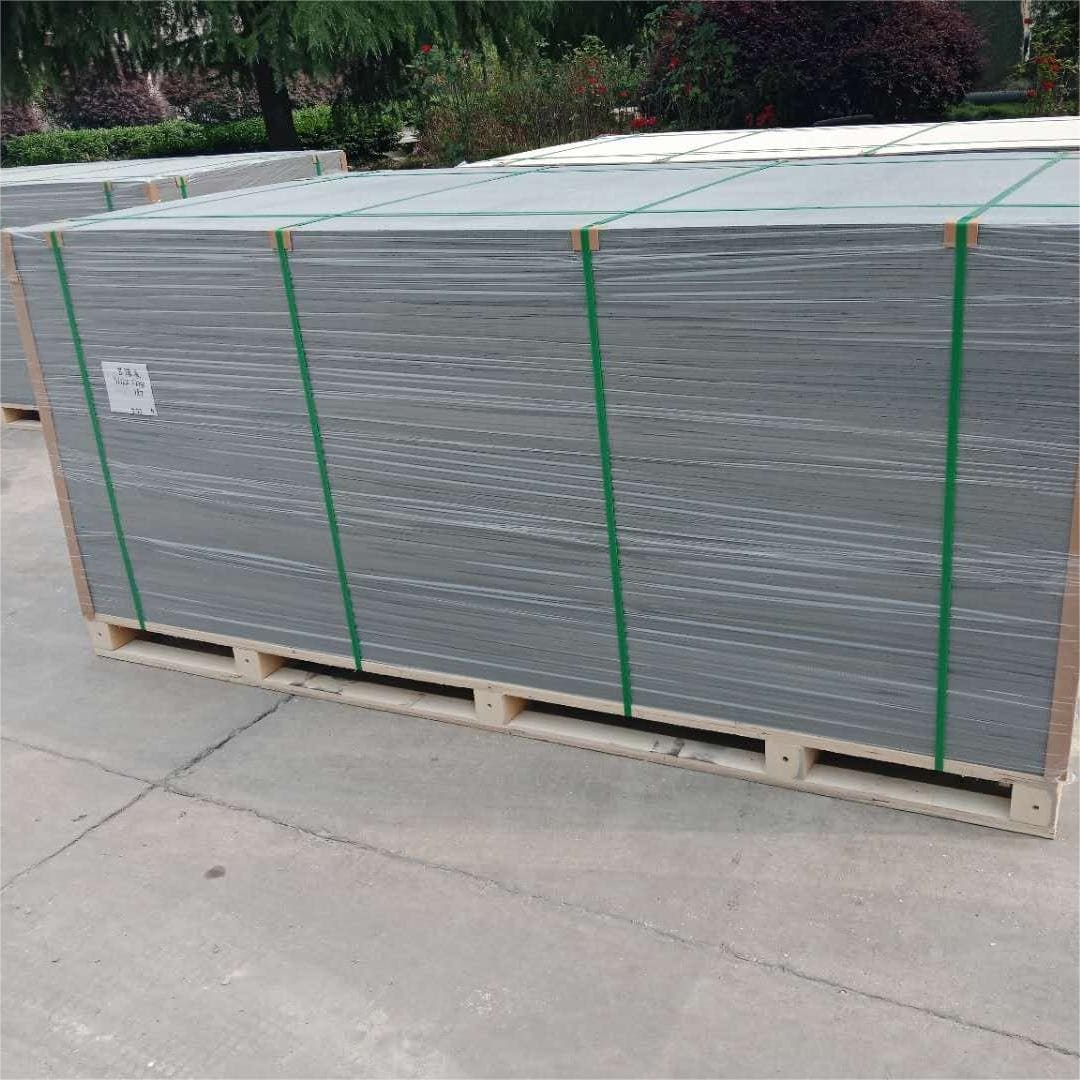
Fiber cement board offers a long-term, low-maintenance solution in Guyana’s humid coastal climate, reducing waste and preserving local resources.
How Does Fiber Cement Board Affect the Environment?
Fiber cement board affects the environment positively when produced and used responsibly. Modern factories in the Caribbean and South America now rely on local supply chains, low-energy curing, and recyclable materials like fly ash and silica fume. This reduces transport emissions and conserves resources.
TRUSUS manufacturing insight: smarter production protects nature more than fast output.
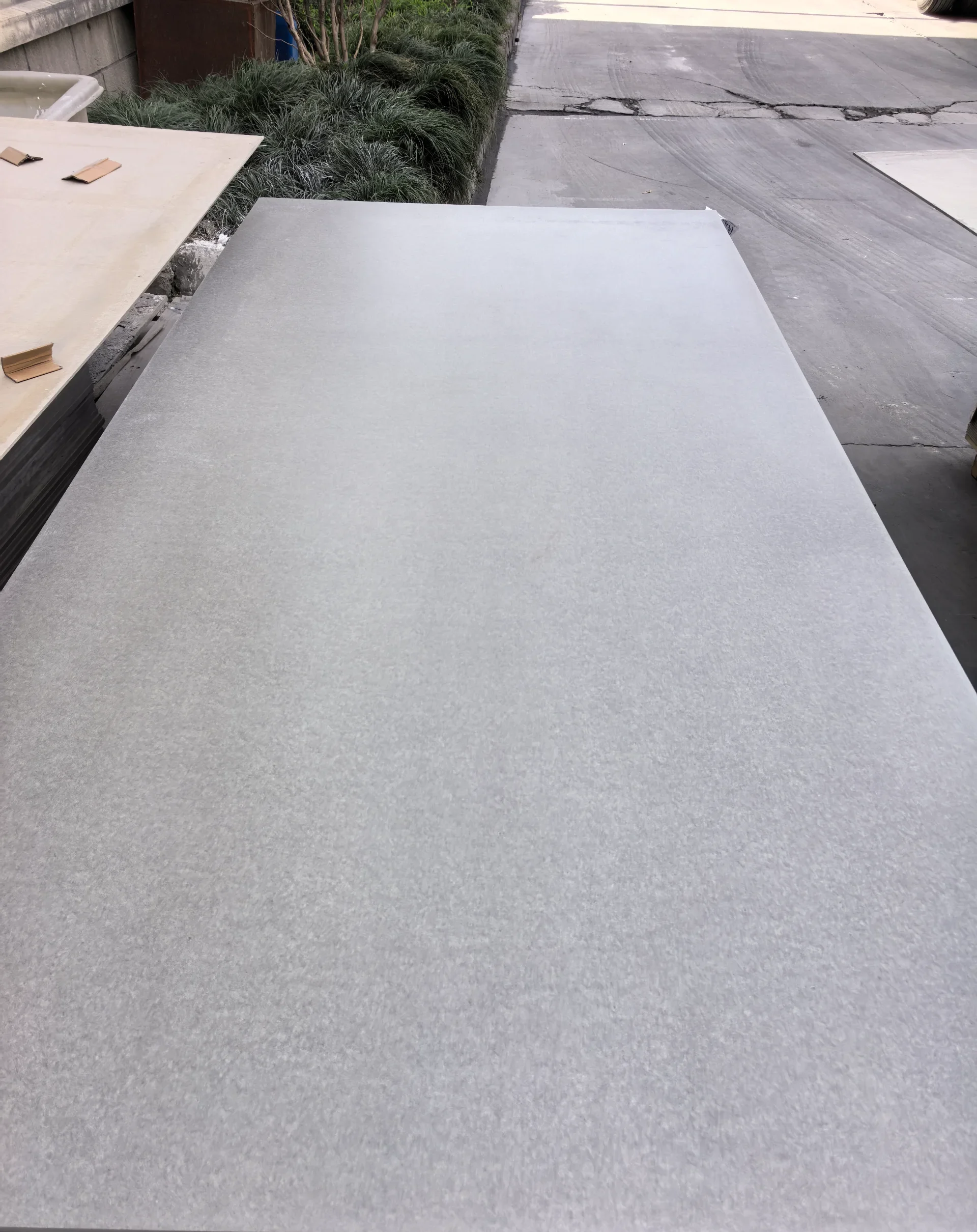
TRUSUS Sustainable Production Approach
| Environmental Stage | Method | Sustainability Benefit |
|---|---|---|
| Raw materials | Utilize fly ash and silica fume | Reduce cement demand |
| Energy consumption | Apply low-temperature steam curing | Cut energy use |
| Waste management | Recycle board scraps | Minimize landfill waste |
| Transportation | Local sourcing | Lower carbon footprint |
| Reuse cycle | Board crushed for filler | Create circular economy |
Lifecycle Perspective
| Phase | Impact | Solution |
|---|---|---|
| Manufacturing | Moderate energy use | Controlled recycling process |
| Operation | Very low impact | No chemical maintenance |
| End-of-life | Fully reusable | Reprocessed into filler material |
Each step replaces extraction with long-term reuse.
Is Fiber Cement Siding Eco-Friendly?
Yes, fiber cement siding is eco-friendly because it reduces maintenance carbon emissions, avoids chemical treatments, and performs well in humid climates. Once installed, it needs minimal repainting and no insecticide or rot prevention chemicals. This passive longevity saves energy across decades.
TRUSUS environmental insight: every avoided repair is environmental progress.
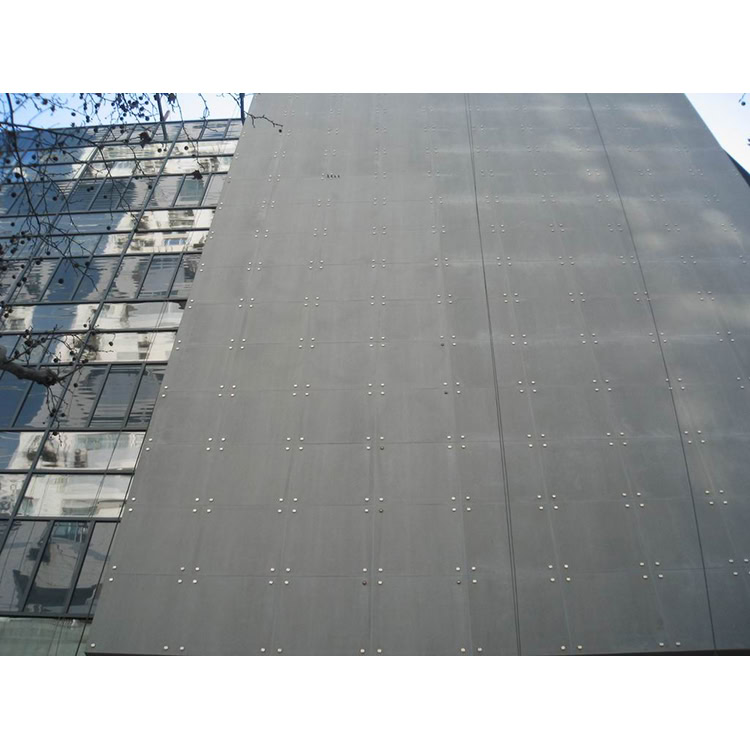
TRUSUS Comparison Table
| Material Type | Maintenance Frequency | Expected Lifespan | Eco Impact |
|---|---|---|---|
| Wood siding | Frequent (painting, sealing) | 10–15 years | High resource use |
| PVC cladding | Moderate, chemical-based | 15–20 years | Plastic waste risk |
| Fiber cement siding | Minimal | 40–50 years | Low lifecycle impact |
Low-Maintenance Green Logic
| Factor | Effect |
|---|---|
| Reduced paint use | Fewer solvents in environment |
| Fewer replacements | Less manufacturing waste |
| Long life cycle | Lower embodied carbon |
Durability becomes the new definition of green building.
Is Fiber Cement Sustainable?
Fiber cement is highly sustainable when viewed through its entire lifespan. It limits forest use, minimizes maintenance waste, and supports reuse cycles. Sustainability is not only about using less, but about lasting longer—fiber cement board’s endurance defines its ecological value.
TRUSUS sustainability insight: time itself is the measure of greenness.
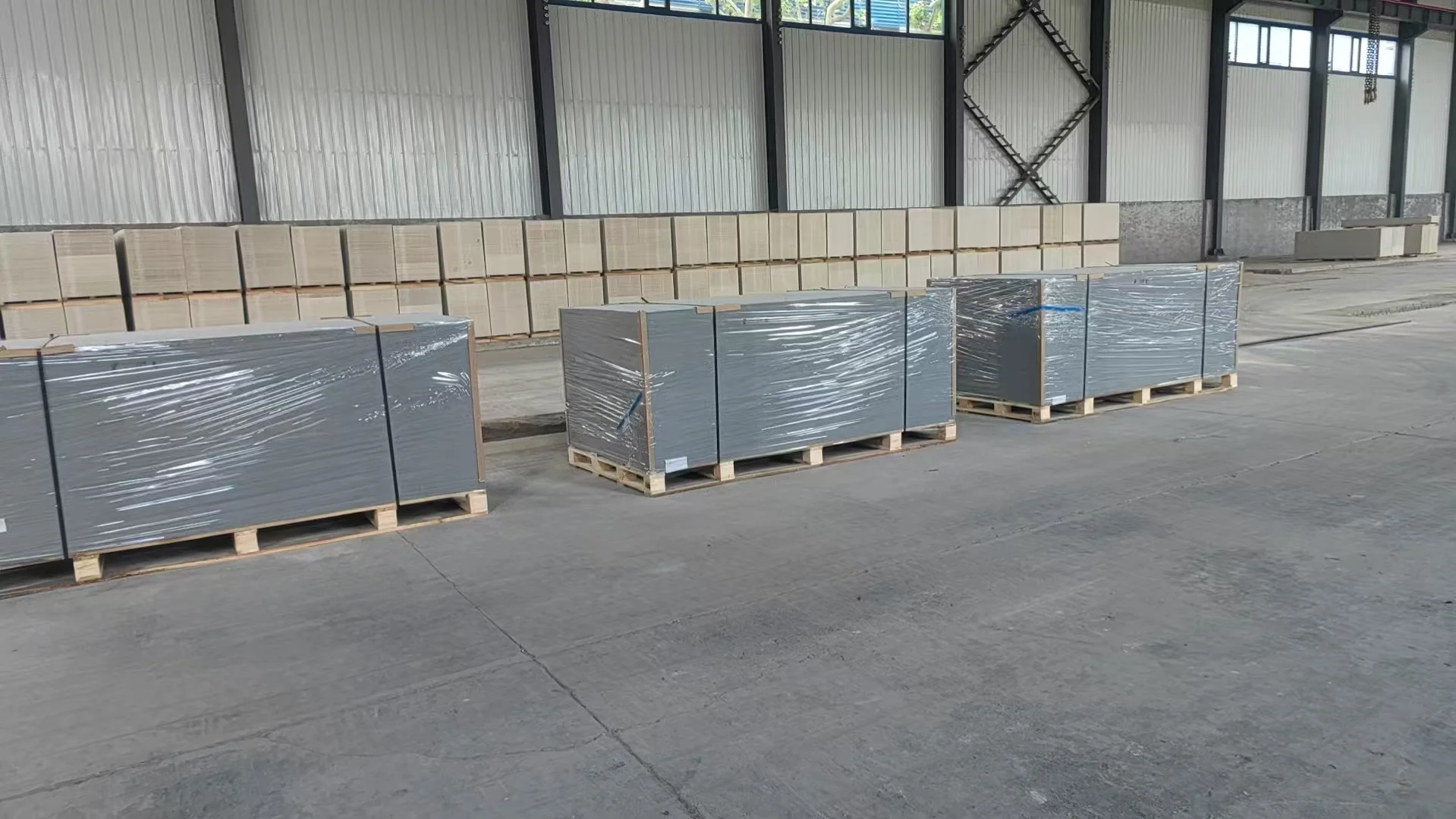
TRUSUS Sustainability Framework
| Dimension | Performance | Result |
|---|---|---|
| Material source | Non-forest, low-impact minerals | Preserves natural habitat |
| Manufacturing | Energy-optimized | Lower CO₂ footprint |
| Use stage | No repaint, no termite treatment | Avoids toxic emissions |
| End stage | Recyclable fragments | Enables material reuse |
Longevity and Carbon Balance
| Duration | Energy Saved | Outcome |
|---|---|---|
| 10 years | Standard efficiency | Maintenance savings |
| 30 years | Cumulative energy cut | Reduced construction turnover |
| 50 years | Deep sustainability | Long-term carbon stability |
In Guyana’s coastal environment, lasting materials equal ecological intelligence.
Conclusion
Fiber cement board brings a sustainable answer to tropical climates—strong, low-maintenance, and recyclable. TRUSUS believes Guyanese builders are choosing not only long-lasting walls but also a lifetime commitment to environmental balance. In sustainability, endurance speaks louder than color or label.
