




Why Do Tiny Home Builders Prefer Fiber Cement Board Over Wood?
Tiny home builders choose fiber cement board for its stability, fire resistance, and moisture durability. It outlasts wood under vibration, humidity, and climate shifts encountered in mobile environments.
TRUSUS mobile insight: stability becomes beauty when space itself begins to move.
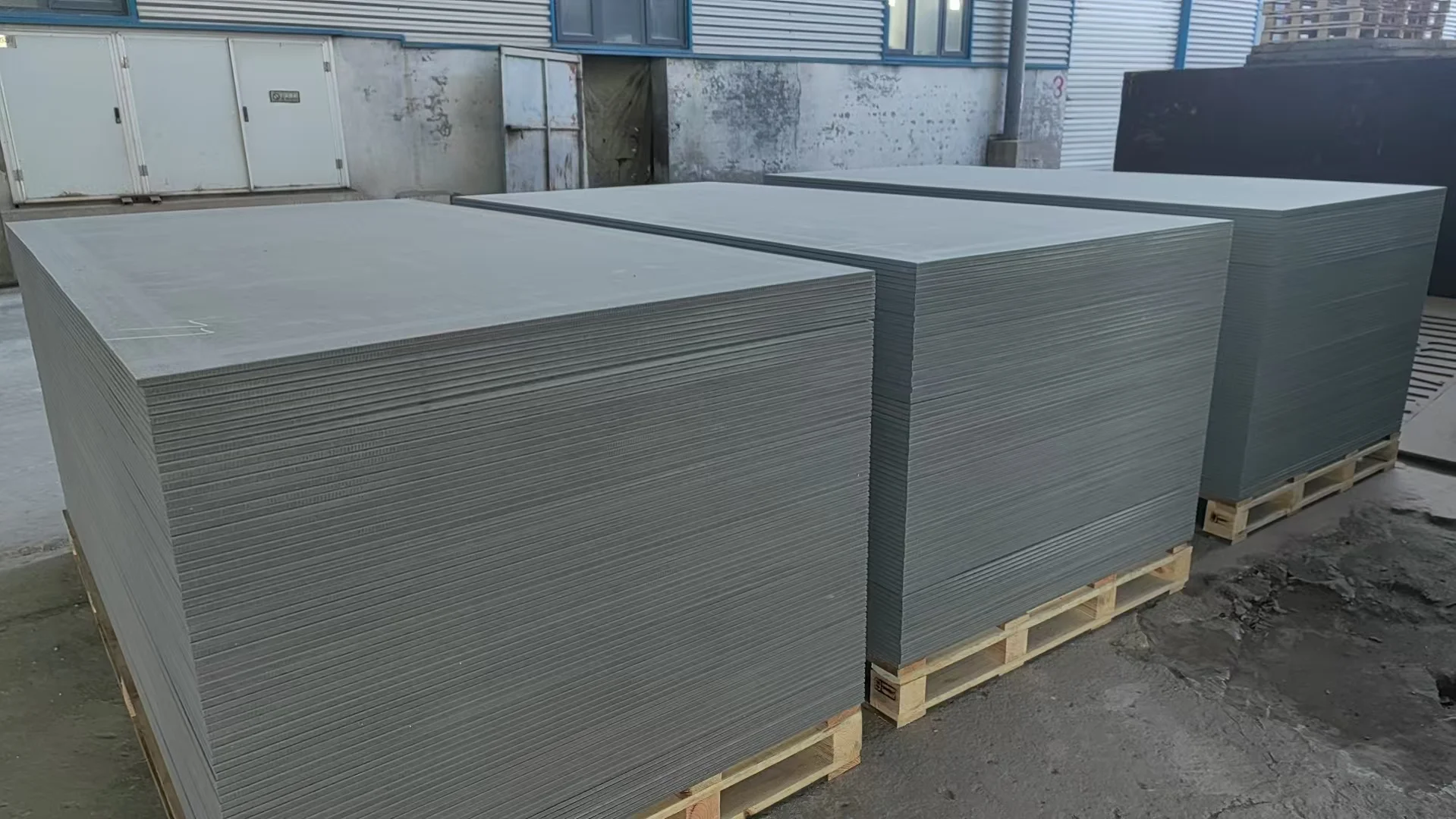
Wood expands and contracts with humidity and temperature, while fiber cement board maintains shape and sealed joints. For builders seeking fewer repair cycles and higher long‑term value, it becomes the logical system material.
How Does Fiber Cement Board Handle Road Vibration In Trailers?
Fiber cement board’s density helps dampen road vibration and prevents “breathing twist” in lightweight trailer frames. It reduces crack lines and joint gaps that often appear after long travel.
TRUSUS technical insight: vibration control starts where mass meets balance.
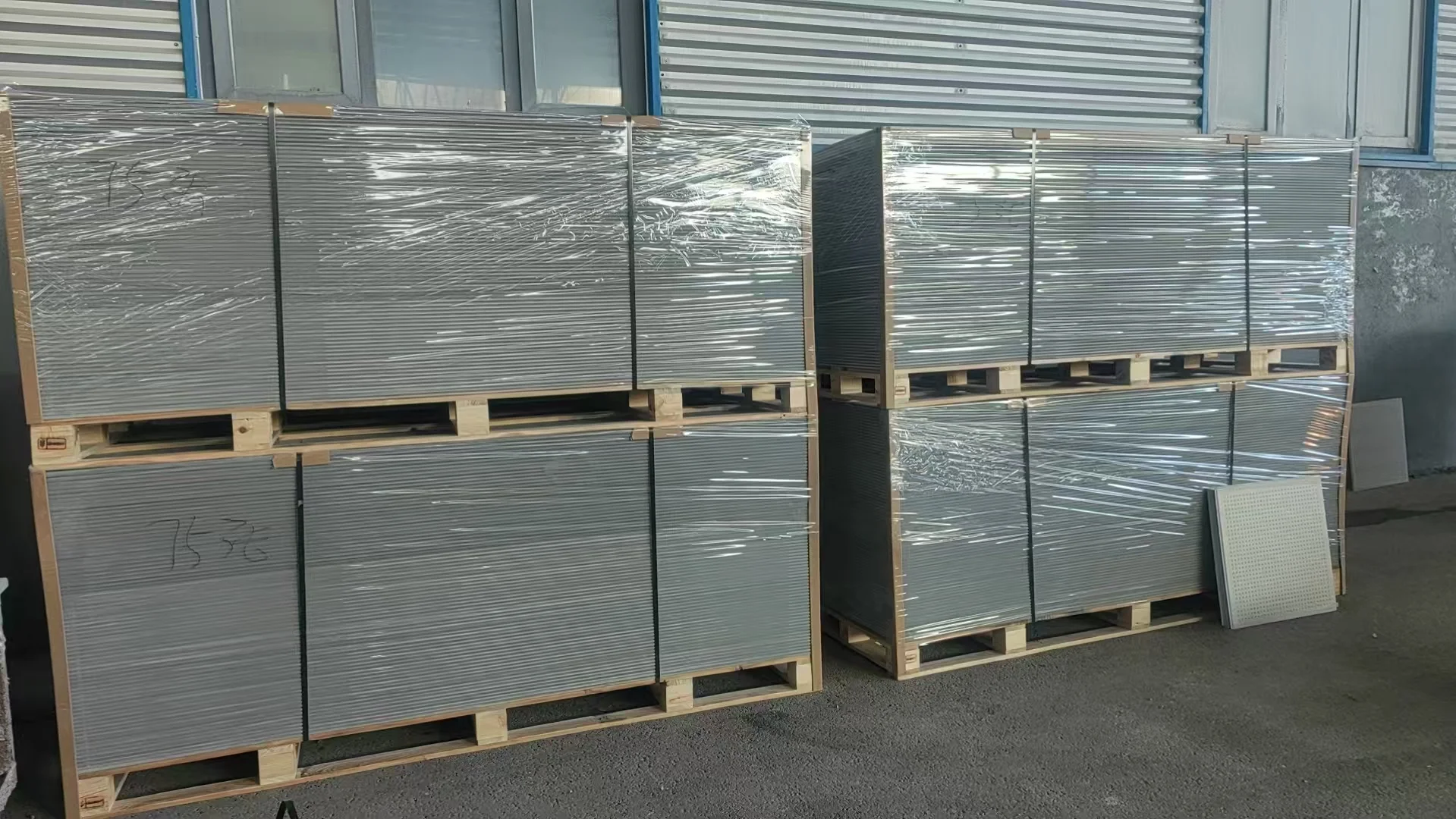
Trailer Build Comparison
| Material Type | Vibration Resistance | Deformation Risk | Recommended Use |
|---|---|---|---|
| Plywood | Low | High | Temporary interior |
| OSB | Medium | Moderate | Dry zone walls |
| Fiber cement board | High | Very low | Kitchen, bathroom, exterior skin |
I once helped retrofit a trailer cabin parked near coastal roads. The wood panels warped within months, but when we switched to fiber cement board, interior alignment stayed perfect even after 1,000 km of road vibration.
Is Fiber Cement Board Too Heavy For Mobile Off‑Grid Cabins?
It is heavier than wood, but not too heavy when used strategically. Proper structural framing balances this weight and turns it into stability during travel or harsh weather.
TRUSUS design insight: smart weight means durable comfort, not unnecessary burden.
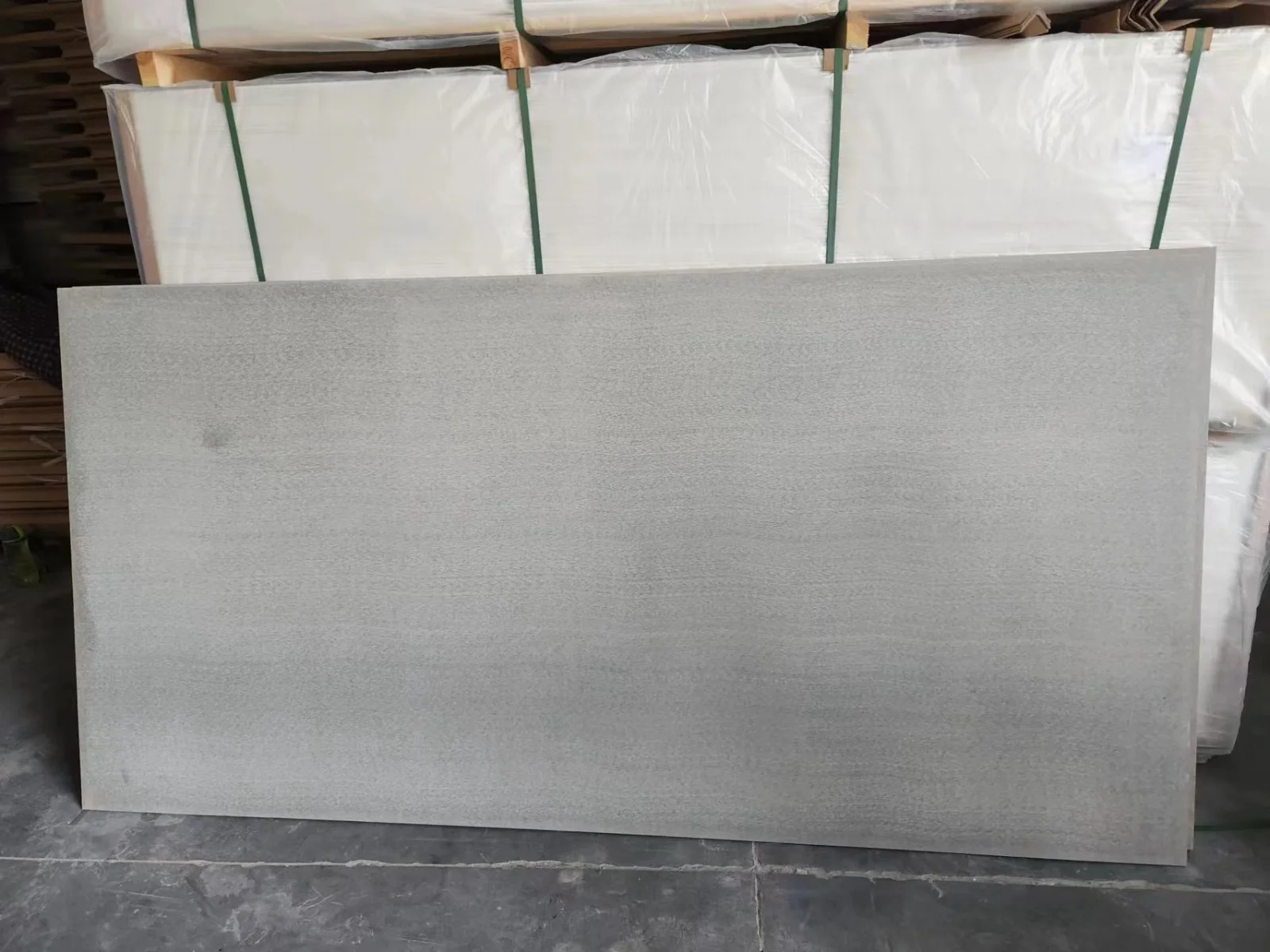
Weight Integration Table
| Application Zone | Board Type | Average Weight (kg/m²) | Frame Adjustment |
|---|---|---|---|
| Exterior wall | 8–10 mm fiber cement board | 13–16 | Reinforced steel studs |
| Wet area walls | 6–8 mm cement board | 10–12 | Add cross bracing |
| Ceiling & interior | 6 mm lightweight board | 8–9 | Use light steel furring |
During prototype testing for a compact off‑grid cabin, heavier cement panels actually stopped frame rattling during wind gusts. That calm silence inside validated the weight compromise.
Does Cement Board Provide Any R‑Value For Tiny Home Insulation?
Cement board itself has a low R‑value, around 0.15–0.25 per inch. It works as a thermal stabilizer instead of an insulator—slowing heat changes and protecting inner layers.
TRUSUS efficiency insight: R‑value is not everything; thermal balance matters more.
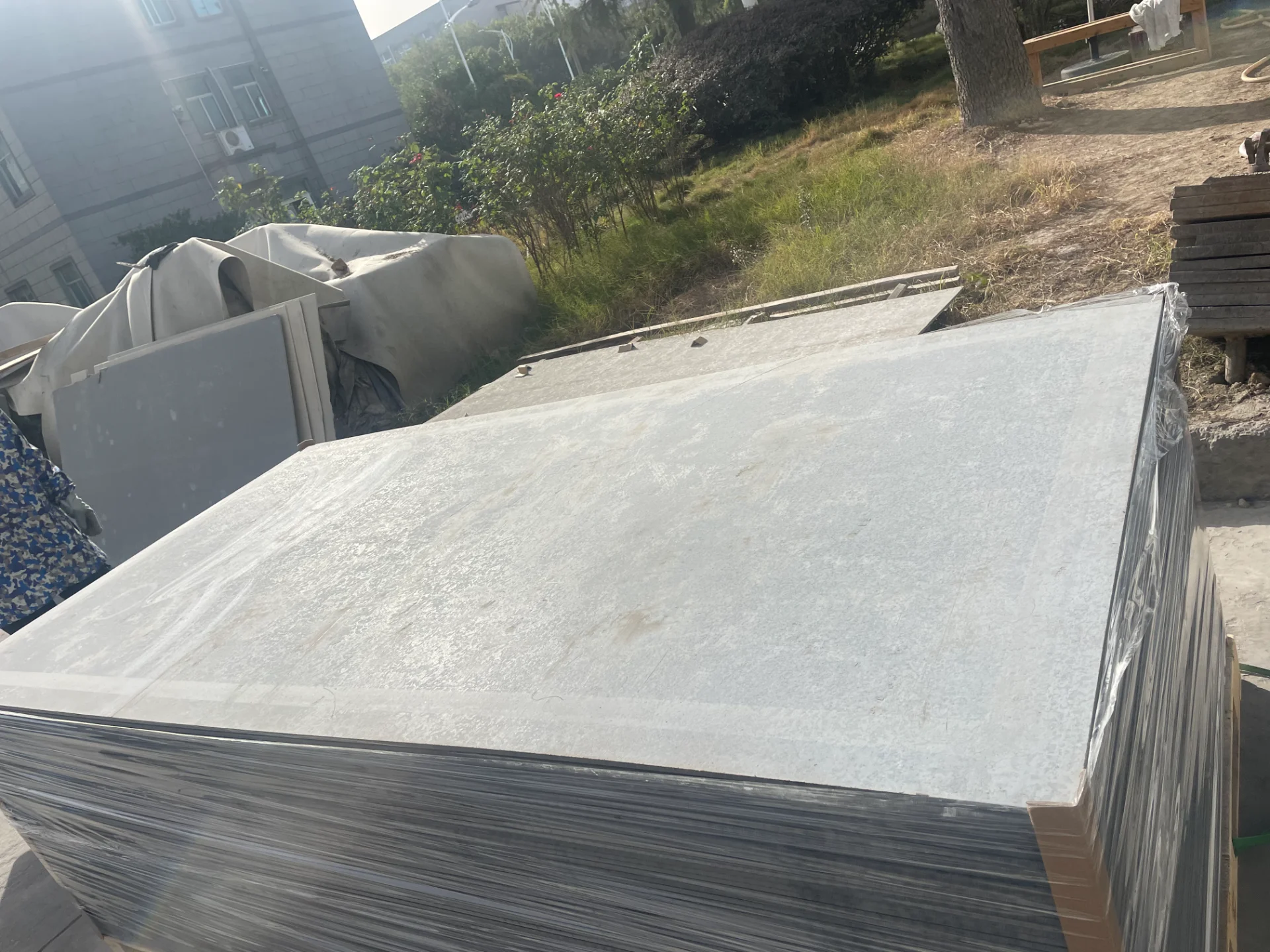
Insulation Layer Combination
| Layer Order | Material | Function | Typical R‑Value |
|---|---|---|---|
| Exterior finish | Fiber cement board | Fire and moisture resistance | 0.20 |
| Insulation layer | Mineral wool or foam | Main heat barrier | 3.5–6.0 |
| Interior finish | Gypsum board | Aesthetic surface | 0.45 |
In one off‑grid home project, I saw interior temperature hold steady for days because the cement board delayed the heat surge from afternoon sun—proof that stability can be an energy management tool.
Conclusion
At TRUSUS, I view fiber cement board as the quiet backbone of tiny and mobile homes. It transforms motion into stability, heat into balance, and small space into lasting safety.
