




Why Choose Fiber Cement Over Other Materials?
Fiber cement offers strong fire resistance, excellent weather durability, moisture resistance, low maintenance, and long service life compared with many traditional building materials. It balances safety, durability, and long-term value in one system.
TRUSUS material insight: more customers now compare total building performance instead of only initial material cost.
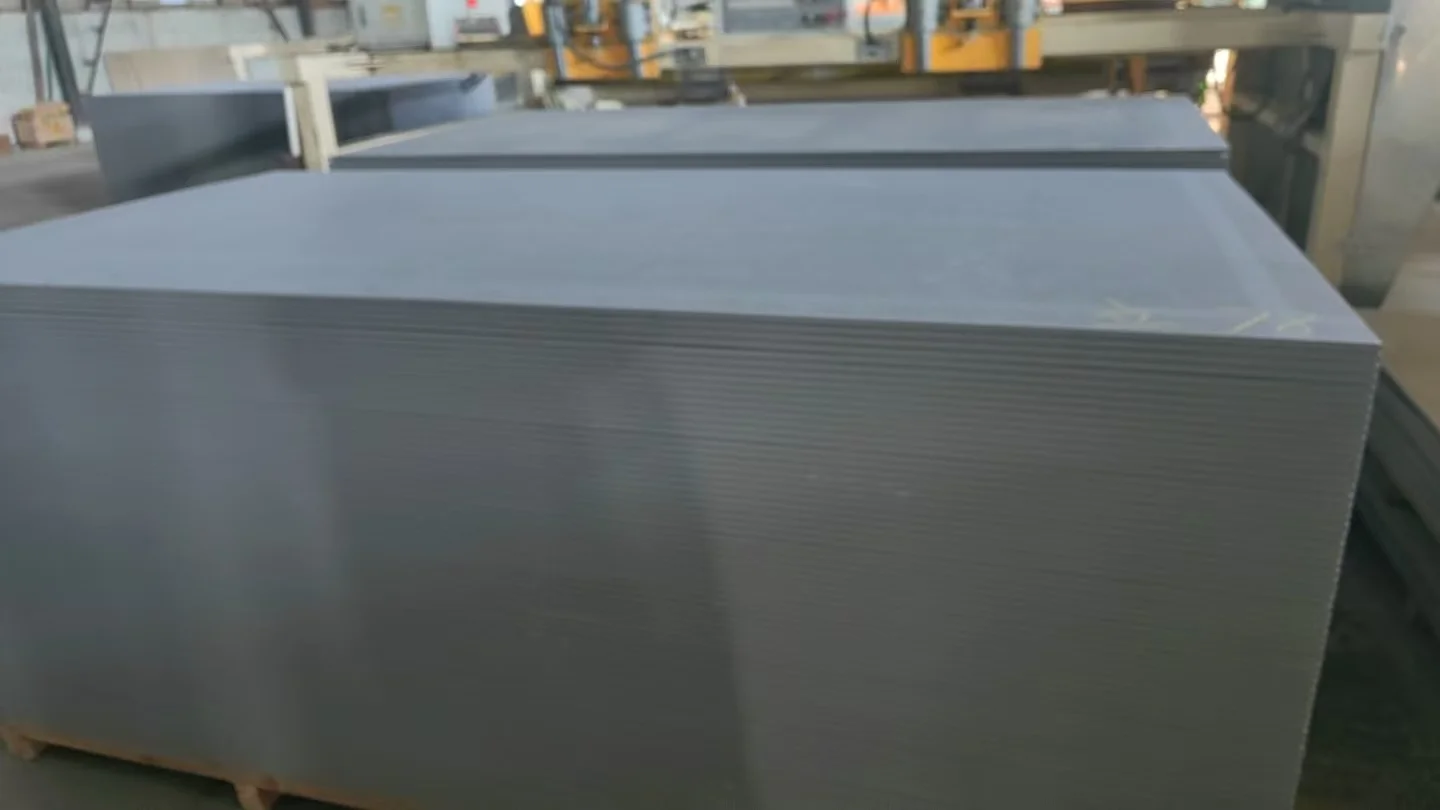
I increasingly see architects and contractors move away from single-performance materials because modern buildings require balanced long-term performance.
Material selection has become more strategic.
Main Advantages Of Fiber Cement
| Performance Area | Fiber Cement Benefit |
|---|---|
| Fire resistance | Non-combustible |
| Moisture resistance | Stable in humid conditions |
| Durability | Long service life |
Balanced performance is a major advantage.
Comparison With Traditional Materials
| Material | Common Weakness |
|---|---|
| Wood | Rot and fire risk |
| Vinyl | Heat distortion |
| Metal | Corrosion and denting |
Fiber cement reduces many common risks.
Why Durability Matters
| Durability Factor | Long-Term Impact |
|---|---|
| Weather resistance | Lower maintenance |
| Stable dimensions | Fewer repairs |
| Surface strength | Better appearance retention |
Longer lifespan improves value.
Why Safety Is Important
| Safety Feature | Benefit |
|---|---|
| A1 fire rating | Better fire protection |
| Moisture resistance | Reduced mold risk |
| Structural stability | Reliable performance |
Modern buildings require higher safety standards.
Why Customers Compare Materials More Carefully
| Traditional Material Selection | Modern Material Evaluation |
|---|---|
| Price-focused decisions | Lifecycle-value decisions |
| Familiar material choices | Performance-based choices |
| Basic function evaluation | Multi-performance analysis |
Building-material decisions are becoming more scientific.
The Industry Shift Behind Material-Comparison Questions
| Traditional Building-Material Industry | Modern Performance-Solution Industry |
|---|---|
| Product selling focus | Building-performance consulting |
| Basic specification comparison | Lifecycle engineering analysis |
| Cost competition | Value competition |
I increasingly believe technical education is becoming a major competitive advantage.
What Are The Pros And Cons Of Fiber Cement Siding?
Fiber cement siding offers excellent durability, fire resistance, weather resistance, and low maintenance, but it also has higher installation cost, heavier weight, and requires skilled installation. Its long-term performance often outweighs the initial investment.
TRUSUS siding insight: customers increasingly evaluate siding systems through total ownership cost instead of upfront price alone.
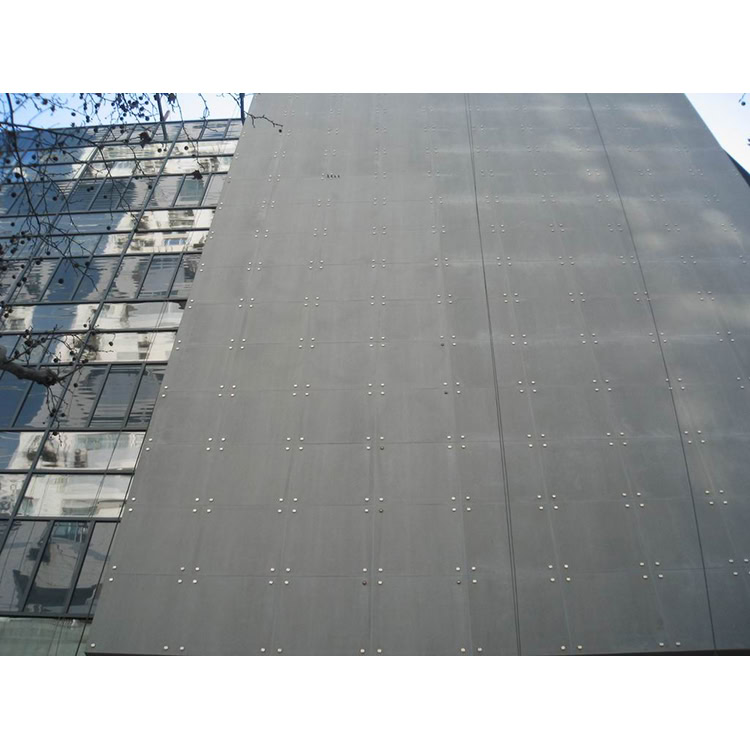
I increasingly see property developers focus more on durability and maintenance planning because repair costs continue to rise.
Long-term stability matters more now.
Main Advantages Of Fiber Cement Siding
| Advantage | Benefit |
|---|---|
| Fire resistance | Improved building safety |
| Weather durability | Longer exterior lifespan |
| Low maintenance | Reduced long-term cost |
These strengths support long-term building performance.
Common Disadvantages
| Limitation | Impact |
|---|---|
| Higher weight | Stronger support structure needed |
| Higher installation cost | Increased labor requirements |
| Cutting complexity | Professional tools required |
Professional installation improves results.
Why Maintenance Costs Matter
| Low-Durability Materials | Fiber Cement Siding |
|---|---|
| Frequent repainting | Longer finish stability |
| Higher repair frequency | Reduced maintenance |
| Shorter service life | Longer lifespan |
Maintenance savings add long-term value.
Why Fiber Cement Performs Well Outdoors
| Outdoor Challenge | Fiber Cement Response |
|---|---|
| Heavy rain | Moisture resistance |
| UV exposure | Stable appearance |
| Temperature changes | Better dimensional stability |
Exterior durability is a major benefit.
Why Siding Selection Is Changing
| Traditional Siding Decisions | Modern Façade Decisions |
|---|---|
| Appearance-first approach | Performance-first approach |
| Initial-cost focus | Lifecycle-value focus |
| Simple product comparison | System-level evaluation |
Façade engineering is becoming more advanced.
The Industry Shift Behind Pros-And-Cons Questions
| Traditional Cladding Industry | Modern Building-Envelope Industry |
|---|---|
| Material supply focus | Exterior-system consulting |
| Product feature promotion | Long-term performance analysis |
| Basic sales support | Technical decision support |
I increasingly see technical consulting become part of premium siding service.
What Are The Benefits Of Fiber Cement Board Over Plywood?
Fiber cement board offers better fire resistance, moisture resistance, durability, dimensional stability, and environmental performance than plywood. It is especially suitable for projects requiring long-term durability and safety.
TRUSUS engineering insight: many customers now compare materials based on performance stability instead of only installation familiarity.
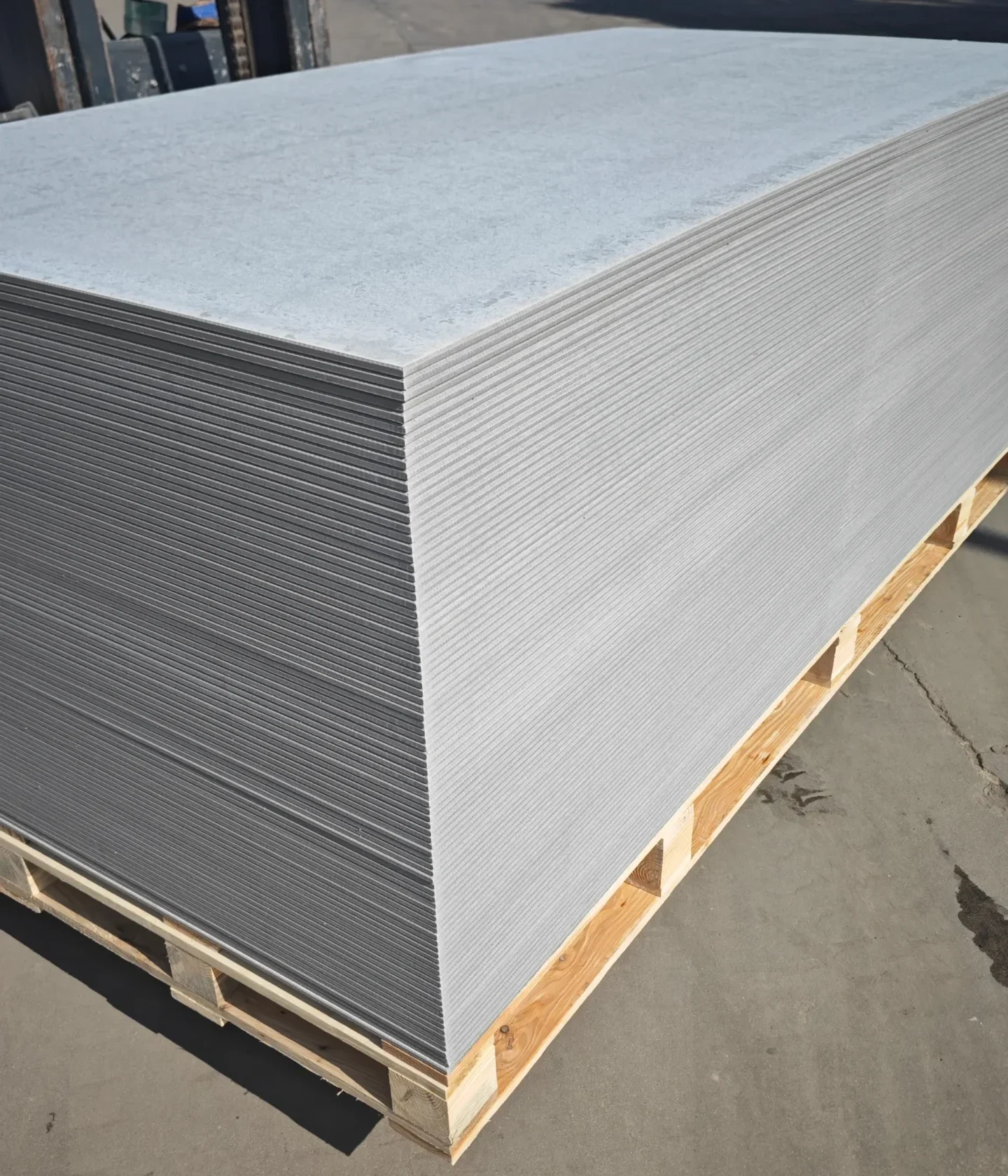
I increasingly see professional builders choose fiber cement because unpredictable weather conditions expose the limits of traditional wood products.
Environmental durability has become critical.
Fire Resistance Comparison
| Material | Fire Performance |
|---|---|
| Fiber cement board | Non-combustible |
| Plywood | Combustible |
Fire safety is a major difference.
Moisture Resistance Comparison
| Material | Moisture Behavior |
|---|---|
| Fiber cement board | Stable |
| Plywood | Swelling and warping risk |
Moisture exposure strongly affects wood products.
Durability Comparison
| Performance Area | Fiber Cement Board | Plywood |
|---|---|---|
| Lifespan | 50+ years | Often shorter |
| Weather resistance | Excellent | Limited |
| Maintenance | Lower | Higher |
Long-term performance changes project economics.
Environmental And Health Considerations
| Material Factor | Fiber Cement Board | Plywood |
|---|---|---|
| Formaldehyde risk | None | Possible |
| Mold resistance | Better | Lower |
| Sustainability potential | Strong | Depends on adhesive system |
Healthy-building standards are becoming stricter.
Why Builders Compare Materials Differently Today
| Traditional Material Thinking | Modern Performance Thinking |
|---|---|
| Familiarity-based selection | Data-based selection |
| Lowest upfront cost | Long-term value optimization |
| Basic durability focus | Multi-performance balance |
Construction standards continue evolving.
The Industry Shift Behind Plywood Comparisons
| Traditional Wood-Based Construction | Modern Engineered-Material Construction |
|---|---|
| Short-term cost focus | Lifecycle-performance focus |
| Basic building standards | High-performance building standards |
| Material habit dependence | Engineering-driven decisions |
I increasingly believe engineered building materials will continue replacing traditional systems in demanding applications.
Is Fiber Cement Board The Best Siding Option?
Fiber cement board is one of the best siding options for projects that require durability, fire safety, weather resistance, and low maintenance. However, the best siding material still depends on climate, budget, building design, and project goals.
TRUSUS application insight: there is no universal perfect siding material, but fiber cement performs strongly across many critical categories.
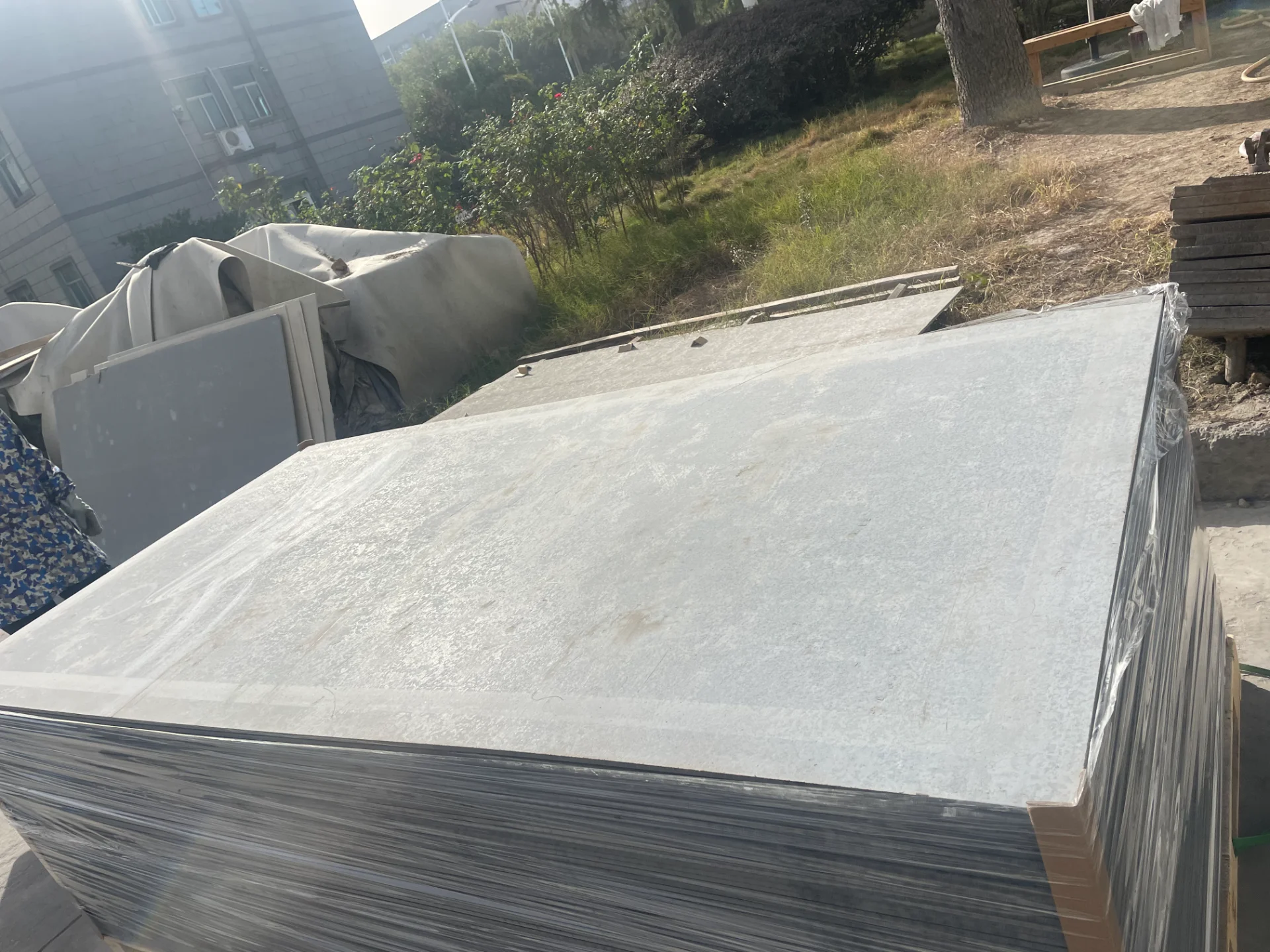
I increasingly see experienced project teams avoid extreme low-cost materials because long-term performance failures create much higher expenses later.
Balanced performance often wins.
Where Fiber Cement Performs Best
| Project Need | Fiber Cement Strength |
|---|---|
| Fire safety | Excellent |
| Harsh weather | Excellent |
| Long service life | Excellent |
It performs well in demanding conditions.
Situations Where Other Materials May Work Better
| Project Condition | Alternative Material Possibility |
|---|---|
| Ultra-low budget | Vinyl siding |
| Lightweight structures | Aluminum systems |
| Natural wood appearance priority | Wood siding |
Material selection depends on project priorities.
Why Lifecycle Cost Matters More Than Initial Cost
| Low-Cost Siding | Fiber Cement Siding |
|---|---|
| Lower purchase cost | Higher initial investment |
| Higher maintenance | Lower maintenance |
| Shorter lifespan | Longer durability |
Long-term economics often favor durability.
Why Fiber Cement Fits Modern Construction Trends
| Modern Building Requirement | Fiber Cement Benefit |
|---|---|
| Fire regulations | Non-combustibility |
| Sustainability goals | Long service life |
| Low-maintenance demand | Stable performance |
Modern standards favor durable materials.
Why Customers Ask About “Best” Materials More Often
| Traditional Material Purchasing | Modern Strategic Material Selection |
|---|---|
| Product familiarity | Data-driven comparison |
| Simple specification review | Full-system performance evaluation |
| Short-term thinking | Lifecycle-value planning |
The market is becoming more analytical.
The Industry Shift Behind “Best Siding” Questions
| Traditional Building-Material Market | Modern Building-Performance Market |
|---|---|
| Product-focused competition | Solution-focused competition |
| Basic material supply | Technical consulting and optimization |
| Standardized recommendations | Customized project analysis |
I increasingly believe the future of building materials will depend on technical consulting as much as manufacturing quality.
Conclusion
At TRUSUS, I see fiber cement evolving from a basic building panel into a high-value performance solution. Future market leadership will come from durability, safety, lifecycle value, and professional material-selection guidance.
