




Which Is Better, Timber or Fibre Cement Weatherboards?
Fibre cement weatherboards are better for long-term building performance because they resist moisture, termites, and fire while offering the look of natural timber. Timber boards provide warmth and authenticity but require regular maintenance, repainting, and treatment against rot and UV damage. Fibre cement achieves near-zero warping and longer lifespan under severe weather.
Timber gives natural texture and warm appearance, but needs upkeep. Fibre cement offers durability, stability, and fire resistance without constant repainting. Its composite design handles moisture, salt, and temperature change better than wood. TRUSUS fibre cement board maintains aesthetic with industrial strength.
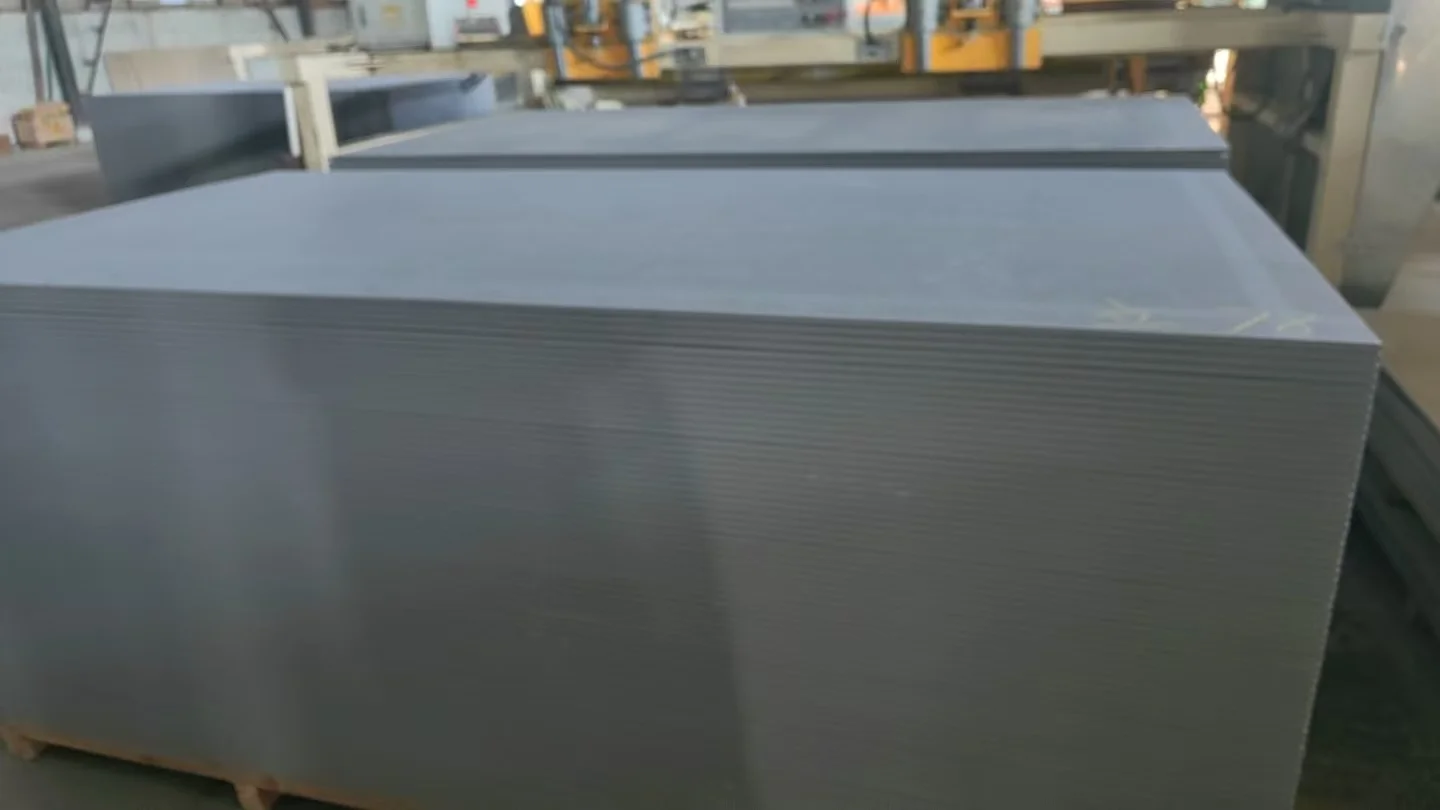
From my manufacturing experience, timber expresses emotion; fibre cement reflects logic. Choosing between them often depends on maintenance budgets and environmental conditions rather than design taste alone.
Can Fibre Cement Siding Look Like Wood?
Yes, fibre cement siding can replicate the appearance of wood. Advanced embossing technology and printed grain finishes make TRUSUS boards almost indistinguishable from timber at a distance. These surfaces mimic the depth and shadow of real wood while avoiding rot, fading, and warping found in natural materials.
Fibre cement boards use texture embossing, grain printing, and color finishing to reproduce wood’s look. They can match cedar or oak patterns precisely. Appearance remains stable for over 15 years without fading. blend wood charm and material strength effectively.
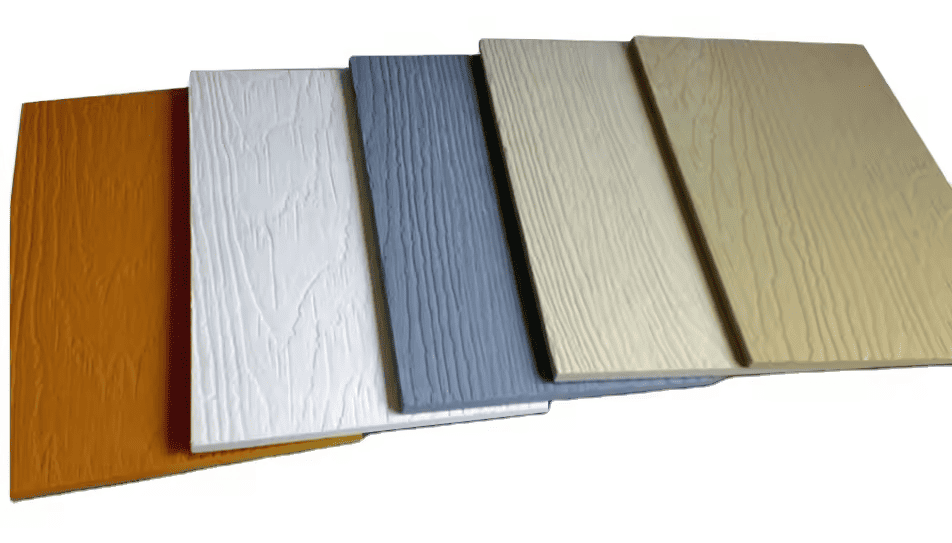
TRUSUS Fibre Cement Appearance Options
| Finish Type | Texture Effect | Visual Result | Maintenance Need | Typical Use |
|---|---|---|---|---|
| Natural Timber Grain | Deep embossed patterns | Warm and organic | Minimal | Residential |
| Smooth Contemporary | Matte surface | Clean and modern | None | Commercial |
| Coastal Driftwood | Soft washed tone | Distressed natural look | Very low | Coastal houses |
| Painted Cedar Style | Pre-coated finish | Strong wood simulation | No repaint | Luxury villas |
Wood aesthetic achieved with engineered precision, not organic vulnerability.
Technical Comparison of Visual Properties
| Feature | Real Timber | TRUSUS Fibre Cement |
|---|---|---|
| Grain Depth | Natural, variable | Consistent, embossed |
| Color Longevity | Fades after 2–3 years | Maintains 10–15 years |
| Surface Smoothness | Variable by grain | Controlled by production |
| Moisture Response | Absorbs water | Hydrophobic finish |
| Fire Resistance | Poor | Excellent |
Material engineering creates durable wood aesthetics with predictable lifespan.
Does Fibre Cement Siding Require Painting?
Factory-finished fibre cement siding does not require painting for many years. TRUSUS boards are pre-coated with UV-stable acrylic or silicone-based layers cured during production. This system eliminates regular repainting cycles that timber requires, saving both time and maintenance cost. If color change is desired, repainting is possible but not necessary.
Pre-finished boards include protective layers that last over a decade. No painting required after installation. Strong adhesion coatings resist sunlight and rain. pre-finish system ensures long-term aesthetic durability.
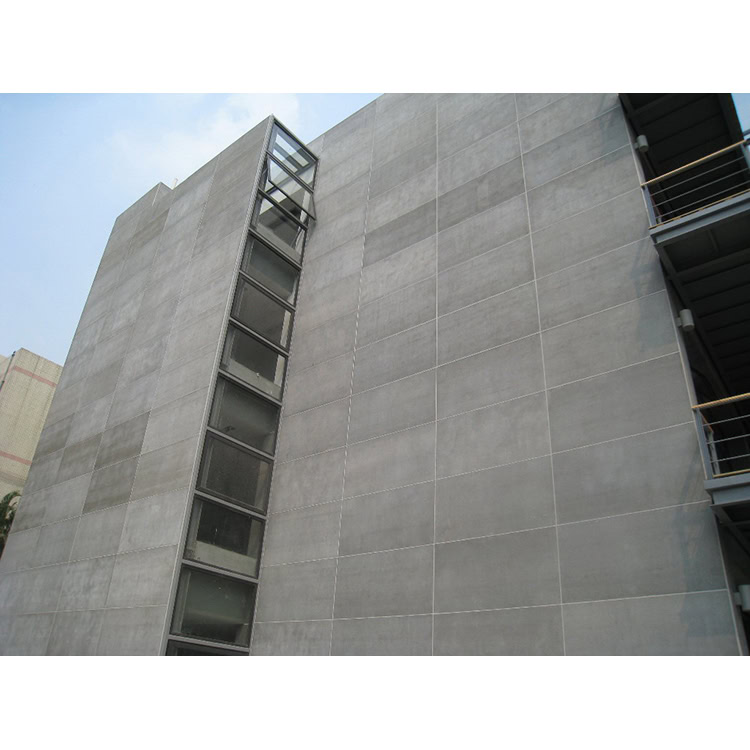
Coating System Layers
| Layer | Function | Durability | Maintenance Frequency |
|---|---|---|---|
| Base Sealer | Blocks porosity | 15 years | None |
| Primer | Enhances adhesion | 15 years | None |
| Topcoat Finish | Provides UV and color stability | 10–15 years | Optional repaint |
| Edge Seal | Prevents moisture ingress | 20 years | Inspection only |
Integrated finish delivers longevity and uniform performance.
Painting Decision Guide
| Situation | Painting Needed? | Reason |
|---|---|---|
| Pre-finished board | No | Coating included |
| Unfinished raw board | Yes | Protect surface |
| Color redesign | Optional | Personal preference |
| Repair after impact | Spot paint | Restore appearance |
Modern boards convert painting from necessity to choice.
What Cladding to Avoid?
Avoid cladding materials that absorb moisture, expand with temperature, or demand high maintenance. Options like untreated timber, low-grade PVC, and metal sheets without protective coatings deteriorate quickly in humid or coastal climates. Fibre cement provides balanced protection against fire, moisture, corrosion, and UV, achieving cost-effective resistance over time.
Avoid raw or organic claddings in wet or sunny regions. Wood, PVC, and thin metal sheets deform or corrode easily. TRUSUS fibre cement boards remain dimensionally stable and low maintenance, permanently resisting weather stress.
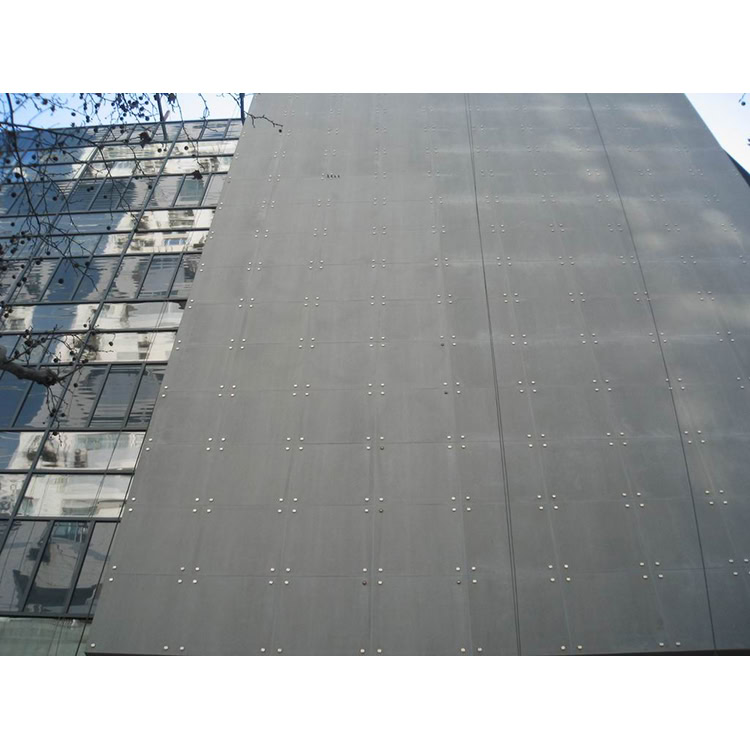
Material Risk Comparison Table
| Material Type | Moisture Resistance | UV Stability | Fire Safety | Maintenance Demand | Recommendation |
|---|---|---|---|---|---|
| Untreated Timber | Low | Moderate | Poor | High | Avoid |
| PVC Siding | Moderate | Low (fades) | Poor | Medium | Avoid |
| Metal Sheet (Uncoated) | High | Low (corrosion) | Good | High | Avoid |
| TRUSUS Fibre Cement | Very High | Very High | Excellent | Very Low | Prefer |
Choosing the right cladding ensures long-term structural protection.
Climate Adaptation Guide
| Climate | Risk Factors | Ideal Cladding | Failed Options |
|---|---|---|---|
| Tropical Humid | Mold, swelling | Fibre Cement | Timber |
| Coastal Salty | Corrosion | Fibre Cement with sealant | Uncoated metal |
| Desert Hot | UV fading | Acrylic-coated Fibre Cement | PVC |
| Cold Frost | Expansion and cracking | Dense Fibre Cement | Thin wood panels |
Adapt materials to environment, not temporary fashion trends.
Conclusion
Fibre cement weatherboards outperform timber for durability, fire resistance, and moisture control while replicating the beauty of wood grain flawlessly. They rarely require painting and deliver factory-finished longevity. Avoid moisture-sensitive cladding like untreated timber, PVC, or thin metal in demanding climates. With TRUSUS fibre cement, you gain an architectural shield that merges natural aesthetics, engineering reliability, and lifetime value—transforming wall design into a sustainable performance solution.
