




When Did They Stop Using Asbestos in Concrete and Cement Products?
Understanding the asbestos ban timeline in building materials helps assess asbestos exposure risk in older concrete and cement products.
Asbestos use in concrete products was largely phased out between the late 1970s and early 1980s, according to global asbestos regulations and EPA asbestos bans. In the United States, the Environmental Protection Agency (EPA) asbestos ban in 1989 restricted most asbestos-containing materials, though some asbestos cement applications continued until the mid-1990s. The complete phase-out of asbestos in cement and concrete varied by country and product type.
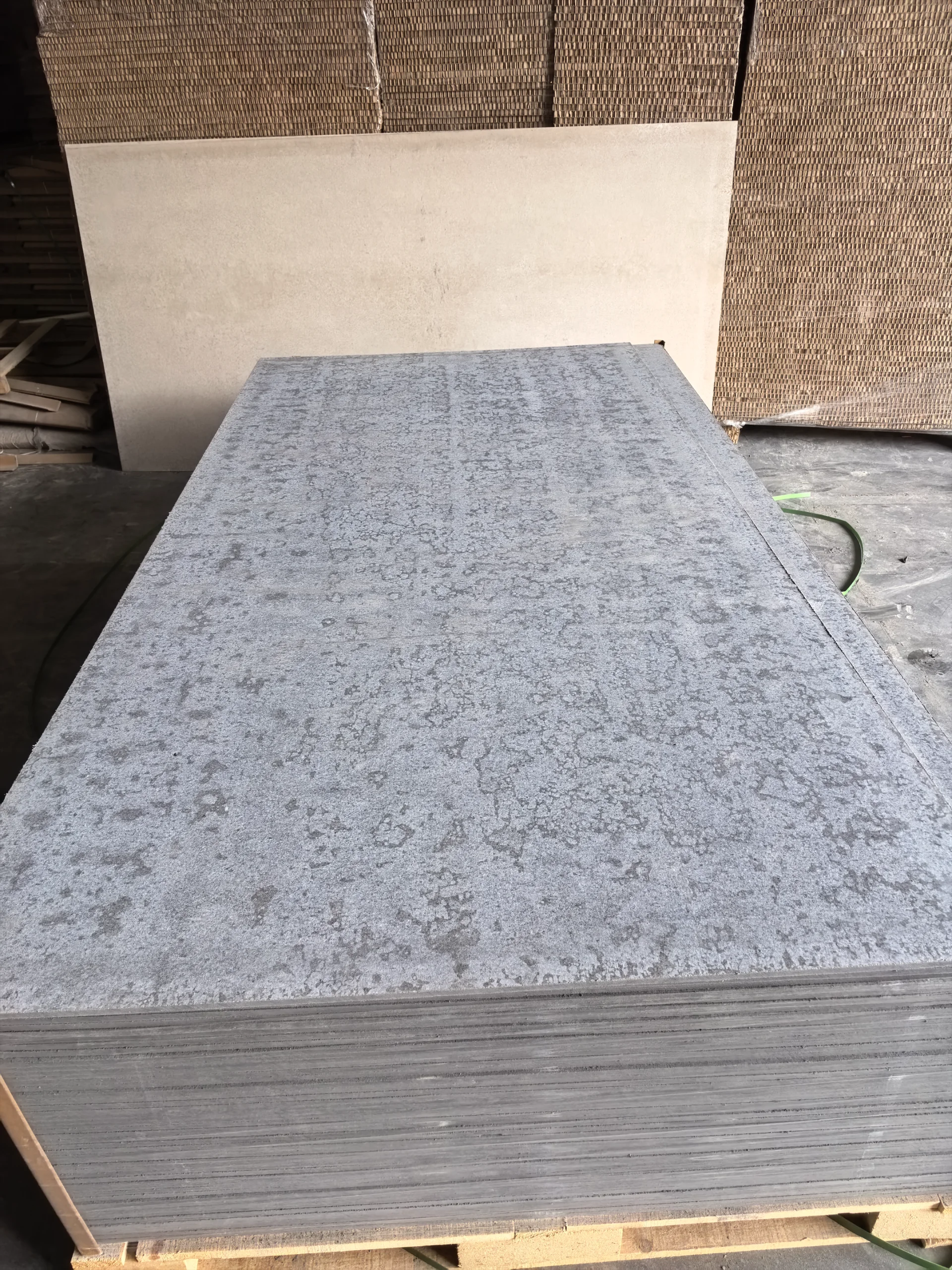
From my experience in the cement board and fiber cement industry, I’ve seen a complete transition from asbestos-containing materials to modern asbestos-free fiber reinforced concrete alternatives that maintain performance without health hazards.
Do All Homes Built Before 1978 Contain Asbestos?
The link between home construction date and asbestos presence depends on regional building codes, local asbestos regulations, and common materials used.
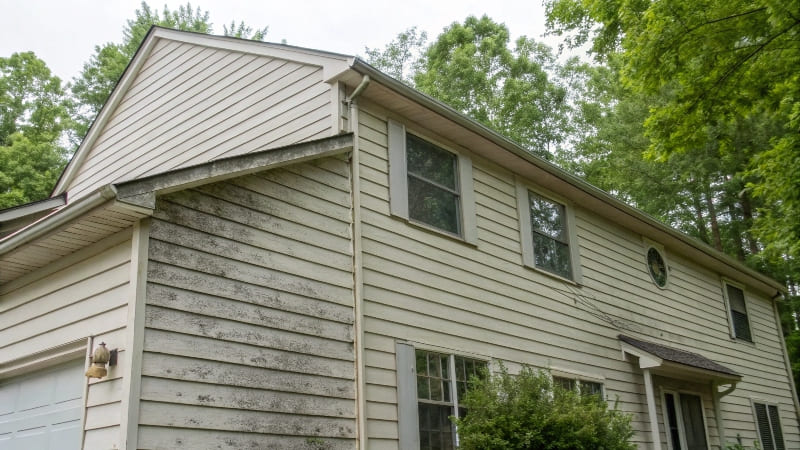
Not all homes built before 1978 contain asbestos, but the likelihood is higher for certain building materials. Asbestos-containing insulation, floor tiles, roofing, and cement boards were common until the late 1970s. Asbestos risk varies by location, builder practices, and materials used.
Asbestos in Building Materials: Usage Timeline
Data from asbestos building material history and regulatory documentation show clear usage patterns over time.
| Material Category | Peak Usage | Phase-out | Asbestos Risk (Pre-1978) |
|---|---|---|---|
| Asbestos Insulation | 1940s–1970s | 1975–1980 | Very High (80–90%) |
| Asbestos Floor Tiles | 1950s–1970s | 1980–1985 | High (60–80%) |
| Asbestos Roofing Materials | 1940s–1970s | 1975–1985 | High (70–85%) |
| Asbestos Cement Board | 1950s–1970s | 1978–1982 | Moderate-High (50–70%) |
| Asbestos Drywall Compound | 1940s–1970s | 1977–1980 | Moderate (30–50%) |
| Asbestos Pipe Insulation | 1930s–1970s | 1975–1978 | Very High (90–95%) |
Homes built before 1960 show a higher probability of asbestos use across nearly all categories.
Asbestos Regulations by Country
Regional asbestos bans and legislation affected how long asbestos remained in construction materials.
| Region | Regulatory Timeline | Common Asbestos Products | Inspection Requirements |
|---|---|---|---|
| United States | 1973 partial ban, 1989 EPA asbestos rule | Insulation, flooring, roofing | Professional asbestos inspection recommended |
| Canada | 1970s–1980s provincial bans | Similar to U.S. | Mandatory asbestos disclosure laws |
| United Kingdom | 1980s–1999 phased ban | Cement sheets, insulation | Required asbestos survey before renovation |
| Australia | Complete ban in 2003 | Asbestos cement products | Strict asbestos removal regulations |
How to Identify Asbestos in Cement Boards or Sheeting
Asbestos cement sheet testing requires laboratory analysis; visual identification is unreliable.
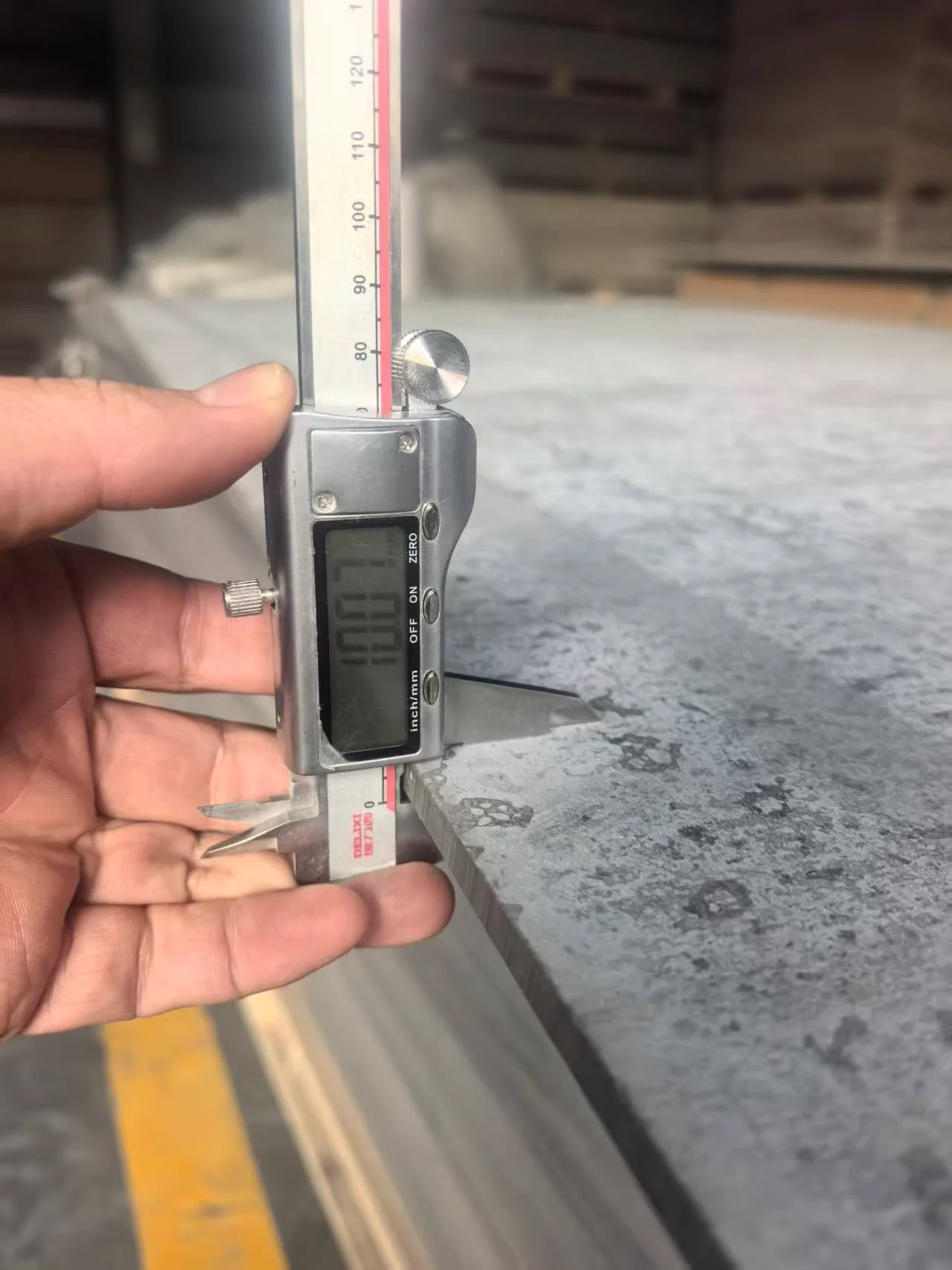
You cannot confirm asbestos in cement just by looking – professional asbestos testing laboratories provide the only accurate results. Suspect asbestos cement materials include roofing sheets, siding, and flat boards made before 1985. Always avoid disturbing possible asbestos materials without proper safety procedures.
Visual Indicators for Asbestos Cement
These features may suggest possible asbestos presence, but only lab testing confirms asbestos.
| Visual Feature | Asbestos Risk | Clues | Testing Priority |
|---|---|---|---|
| Gray-White Color | Moderate | Pre-1980 manufacture | Medium |
| Corrugated Profile | High | Industrial/agricultural use | High |
| Smooth Dense Surface | Variable | Depends on brand | Medium |
| Producer Markings | High | Known asbestos manufacturer | Immediate Testing |
| Install Date Pre-1985 | High | Older materials | High |
How to Test Concrete for Asbestos
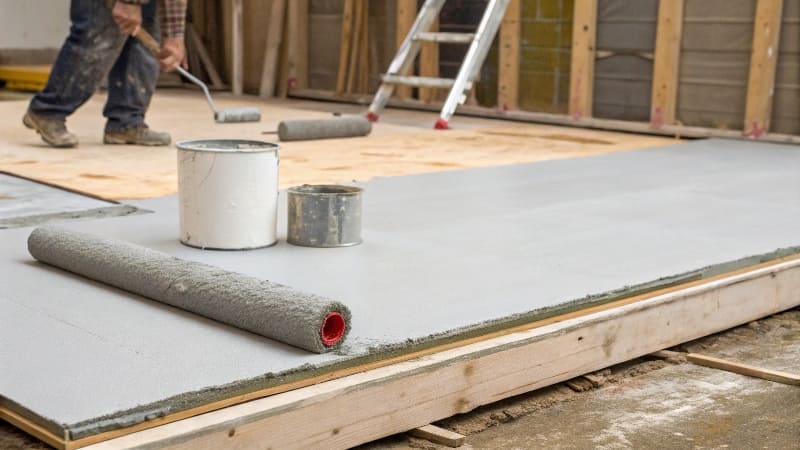
Does concrete have asbestos? It rarely contains asbestos as an intentional additive, but older asbestos-contaminated aggregates may appear in pre-1980 concrete.
Testing requires special asbestos sampling methods due to uneven material distribution. Concrete with asbestos content is usually identified through PLM or TEM testing methods performed by certified labs.
Common Sources of Asbestos in Concrete
| Asbestos Source | Risk Level | Common Use | Identification Method |
|---|---|---|---|
| Intentional Additive | Low | Fireproof concrete | Bulk sample analysis |
| Contaminated Aggregate | Moderate | Industrial zones | Multi-point sampling |
| Recycled Material | Variable | Post-demolition concrete | Source verification |
| Factory Contamination | Low | Cross-production | Manufacturer record checks |
Asbestos Concrete Testing Procedures
| Testing Step | Description | Safety Level | Cost Estimate |
|---|---|---|---|
| Pre-sampling | Site risk assessment | Basic PPE | $100–200 |
| Sample Collection | Core or surface samples | Full PPE | $200–400 |
| Lab Analysis | Microscopic asbestos identification | Certified lab | $25–75/sample |
| Reporting | Final results and recommendations | Certified consultant | Included |
Concrete Asbestos Risk Assessment
| Risk Factor | Exposure Level | Explanation | Mitigation |
|---|---|---|---|
| Intact Concrete | Very Low | Fibers trapped in matrix | Normal maintenance |
| Cutting/Drilling | Moderate | Fiber release possible | Use wet control methods |
| Demolition | High | Heavy dust generation | Hire asbestos abatement professionals |
| Weathering | Low | Slow degradation | Routine inspection |
Modern Concrete Safety Standards
Today’s asbestos-free concrete manufacturing standards ensure all modern cement products are asbestos-free through strict quality control.
| Safety Control | Implementation | Effectiveness | Industry Adoption |
|---|---|---|---|
| Source Material Testing | Pre-purchase asbestos checks | High | Standard |
| Supplier Certification | Asbestos-free guarantee | Very High | Industry-wide |
| Factory Clean Standards | Dust control and monitoring | High | Regulated |
| Random Product Testing | Third-party verification | Very High | Standard QA practice |
Conclusion
Asbestos use in concrete and cement products was phased out between the late 1970s and early 1980s, though specialized applications continued into the 1990s. Homes built before 1978 may contain asbestos in insulation, floor tiles, roofing, or cement products.
Always rely on professional asbestos testing services for accurate identification, as visual inspection is not enough.
Modern construction materials are asbestos-free, but any renovation or demolition of older structures should start with a certified asbestos inspection to ensure safety.
