




Common Problems With Fiber Cement Board Siding
When customers mention fiber cement board siding, the first thing they often ask me is, “Why does it crack?” or “Is fiber cement too brittle?” These concerns come up again and again.
The main problem with fiber cement board siding is improper installation and moisture management, not the board itself. Incorrect nailing patterns, insufficient gaps for expansion, or poor moisture control often lead to cracking, warping, or edge damage over time.
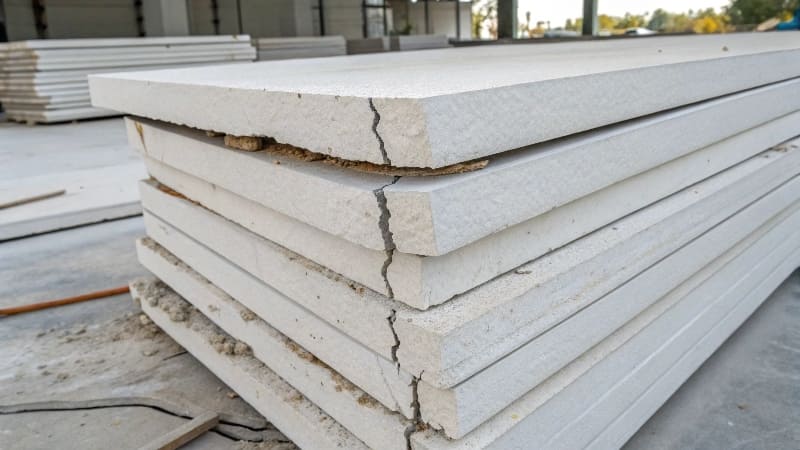
I have seen projects where the boards were installed like wood or drywall—rigidly fixed without expansion joints. Fiber cement is strong but not flexible; it needs space to move along with temperature and humidity changes.
What Is the Most Common Problem With Fiber Cement Siding?
Most of the surface issues that people associate with fiber cement siding share one source.
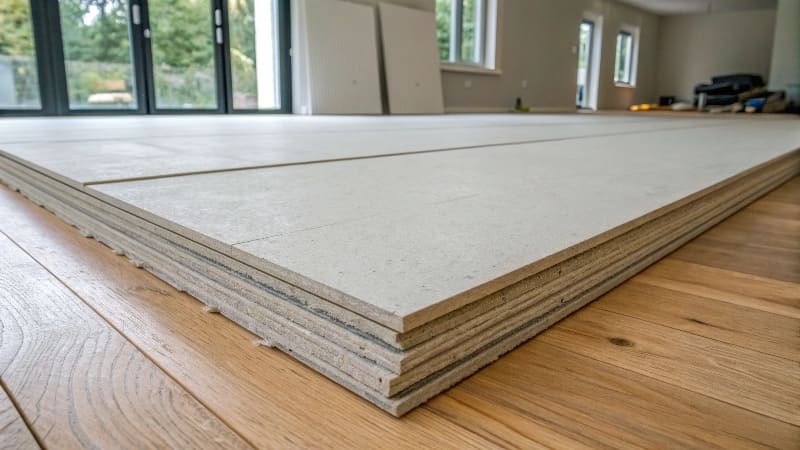
The most common problem with fiber cement siding is cracking or edge chipping caused by improper fastening and insufficient ventilation during or after installation. Improperly stored or installed panels can absorb moisture and expand beyond design limits.
How Incorrect Systems Cause Damage
From years of factory and site experience, I know fiber cement performs best when treated as part of a system. The board alone isn’t the problem—it’s how it interacts with the structure and environment.
| Installation Error | Resulting Problem | Prevention |
|---|---|---|
| No expansion joint | Cracking at joint lines | Leave 2–3 mm gap between panels |
| Nails too close to edge | Edge breakage | Maintain at least 20–25 mm distance |
| No weather barrier | Moisture infiltration | Apply waterproof layer behind panels |
| Poor ventilation | Mold and swelling | Use vertical battens for rear airflow |
| Thin or uneven coating | Surface flaking | Use manufacturer-recommended primer/paint |
When these design points are ignored, even high-quality boards can fail prematurely. Correct installation ensures decades of stability.
What Causes Fiber Cement Siding to Crack?
It’s easy to think cracking means poor quality. But the real cause is mechanical stress combined with environmental change.
Fiber cement cracks when installation or movement stresses exceed its flexibility limits. Temperature swings, humidity cycles, foundation shifts, and fasteners that restrict expansion are the main triggers.
Understanding the Mechanism Behind Cracks
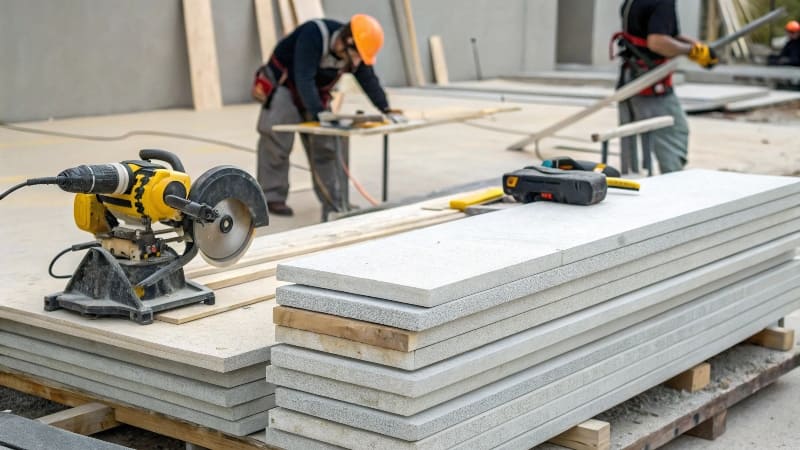
When I explain to clients why their panels cracked, I often use simple diagrams to show stress transfer—cement is strong under compression but weak under tension. Flexible joints are the key.
| Stress Source | Description | Structural Result | Recommended Solution |
|---|---|---|---|
| Thermal Expansion | Steel or frame movement due to heat | Hairline cracks along edges | Add expansion joints |
| Moisture Swelling | Moisture absorbed by board core | Surface bulging, cracking | Seal and ventilate cladding |
| Overdriven Nails | Nails sink too deep into surface | Localized surface splitting | Adjust torque settings |
| Uneven Substructure | Panels unsupported | Midsection cracks | Level framing |
| Impact or Load Stress | External force | Edge or corner fractures | Use corner trims or reinforcement |
Cracking is often blamed on materials, but in my career I’ve found it’s usually a symptom of missing design allowances.
Can Fiber Cement Siding Be Repaired?
When damage happens, the next question is always: “Can it be repaired, or do we need replacement?”
Yes, fiber cement siding can be repaired depending on the level of damage. Hairline or small edge cracks can be sealed with high-quality exterior fillers, while larger broken panels may need section replacement and repainting.
Effective Repair and Maintenance Methods
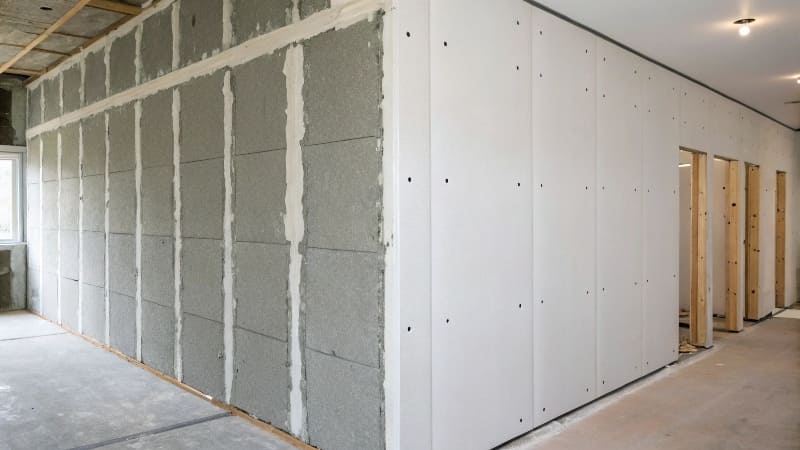
I often encourage owners to treat fiber cement siding the same way they would maintain concrete surfaces—monitor, seal, and repaint periodically.
| Issue Type | Repair Method | Expected Longevity | Notes |
|---|---|---|---|
| Hairline Cracks | Flexible exterior sealant + repaint | 5–8 years | Prevent water entry |
| Edge Damage | Sand and patch with cement filler | 8–10 years | Refinish with primer |
| Panel Crack (midsection) | Replace single plank or panel | 15+ years | Maintain joint clearance |
| Coating Peeling | Sand, clean, recoat | 10–12 years | Use breathable paint |
| Water Staining/Mold | Clean and dry thoroughly | Continuous | Add vapor barrier behind wall |
With proper surface coating and ventilation, repaired boards can remain strong and visually clean for many years. Fiber cement is not maintenance-free—but it's manageable, durable, and predictable.
Conclusion
The biggest problems with fiber cement siding—cracking, delamination, edge damage—stem from incorrect installation and poor moisture management. Cracks are typically caused by stress, not material failure. With correct fastening, joint spacing, and maintenance, fiber cement siding can last for decades and repairs are straightforward. In short, the issue isn’t brittleness—it’s integration. Fiber cement lasts when used with proper structural intelligence.
