




What Voids the Fiber Cement Board Warranty?
Improper installation, use of unapproved adhesives, or lack of correct framing and moisture control can void a fiber cement board warranty.
Manufacturers guarantee system performance, not isolated material misuse.
TRUSUS system insight: warranty protects systems, not shortcuts.
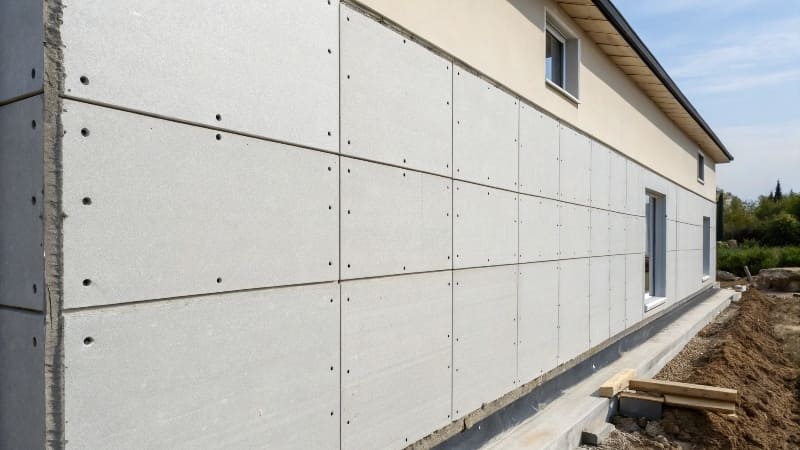
A valid warranty relies on correct substrate preparation, certified fasteners, and approved adhesives.
Deviating from specified methods often causes delamination, swelling, or structural failure—conditions excluded from coverage.
What Is the Best Adhesive for Cement Board to Brick?
Use polymer‑modified cementitious adhesive designed for exterior or heavy‑duty applications.
Avoid universal glues or standard tile mortars, which lack long‑term bonding strength and moisture resistance.
TRUSUS bonding insight: the right adhesive connects systems, not surfaces.
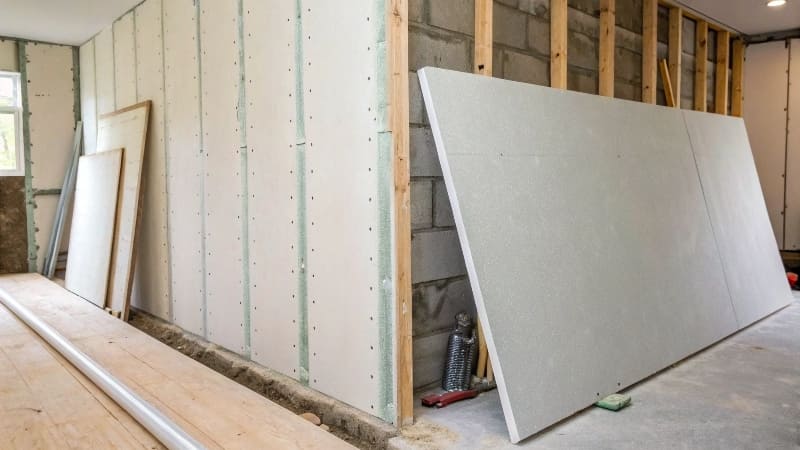
Adhesive Performance Comparison
| Adhesive Type | Bond Strength | Water Resistance | Suitable For | Notes |
|---|---|---|---|---|
| Polymer‑Modified Cement Adhesive | High | Excellent | Brick and Cement Board | Preferred choice |
| Construction Epoxy | Very High | Moderate | Indoor applications | Not ideal outdoors |
| Tile Mortar (Standard) | Medium | Poor | Small repairs only | Not durable |
| Acrylic Structural Glue | High | Good | Lightweight panels | Needs sealed surfaces |
For large panels, I prefer combining mechanical fasteners with adhesive.
This hybrid approach ensures stability under thermal expansion and moisture cycles.
How Do You Attach Brick to Cement Board?
Brick veneer is usually attached using a mechanical anchor system plus thin‑set mortar.
Fasteners secure a metal or fiberglass lath, and polymer mortar bonds the brick to the board.
TRUSUS structural insight: attachment strength comes from layers working together, not from glue alone.
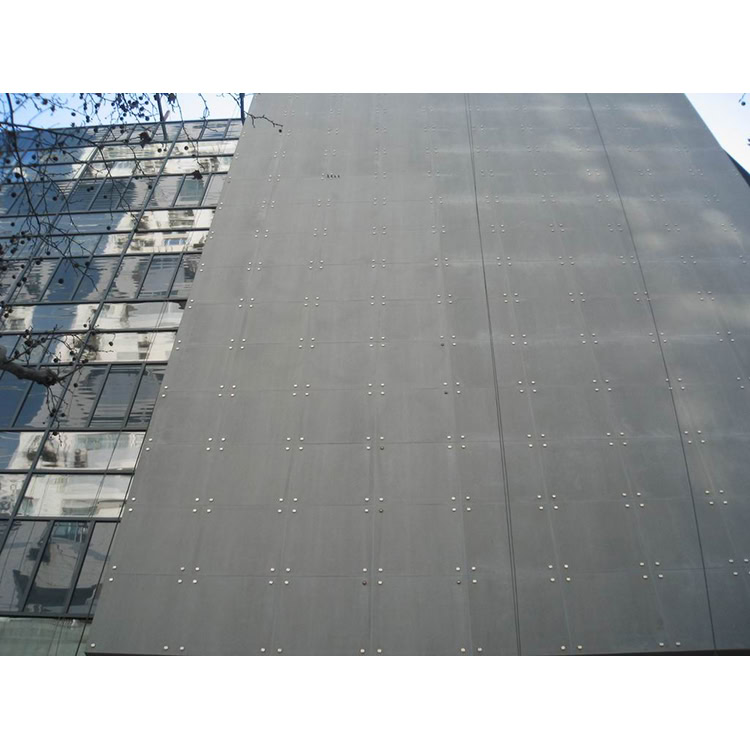
Brick Attachment Guide
| Step | Task | Purpose |
|---|---|---|
| 1 | Fix cement board on metal or wood framing | Stable backing |
| 2 | Install corrosion‑resistant lath and anchors | Mechanical grip |
| 3 | Apply scratch coat mortar | Creates bonding texture |
| 4 | Set thin brick with polymer mortar | Bonding layer |
| 5 | Fill joints and seal | Moisture control |
When this system is used, weight distribution and air circulation are balanced, ensuring both durability and visual consistency.
What Is the Cheapest Way to Cover Brick Walls?
Painting or installing thin decorative cement panels offers the most affordable solution.
Both improve appearance without major structure changes or costly adhesives.
TRUSUS design insight: low cost shouldn’t ignore system balance—surface beauty must rest on sound base work.
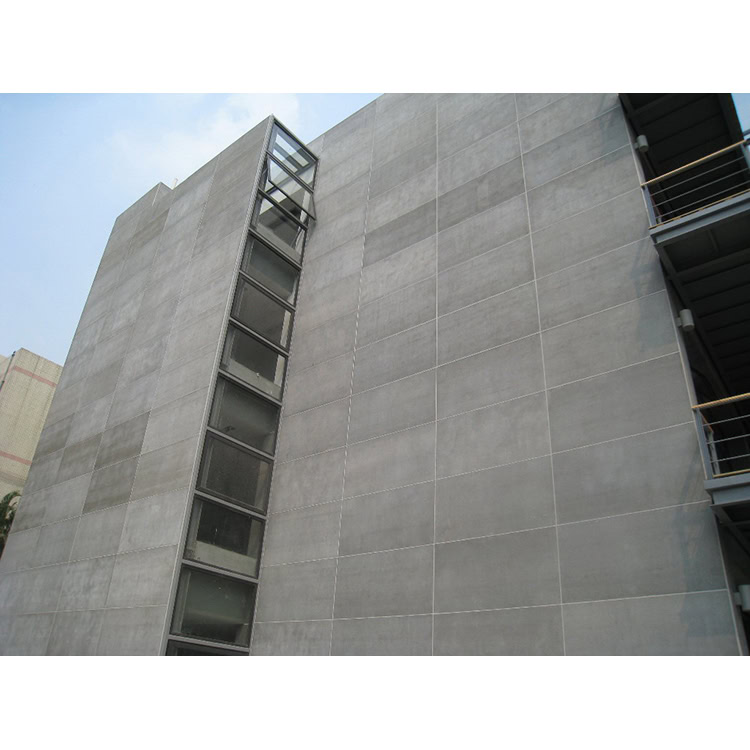
Cost‑Effectiveness Options
| Method | Cost Level | Visual Effect | Durability | Maintenance |
|---|---|---|---|---|
| Masonry Paint | Lowest | Simple refresh | Medium | Repaint periodically |
| Fiber Cement Overlay | Moderate | Modern look | High | Minimal |
| Decorative PVC Panels | Moderate | Smooth finish | Medium | Sensitive to heat |
| Stucco Render | Moderate‑High | Textured finish | High | Occasional repair |
I often guide clients toward fiber cement overlays—they offer a clean, lasting finish and integrate easily with existing wall systems.
Conclusion
At TRUSUS, I see every fiber cement installation as a system, not an isolated action.
Warranty, adhesion, structure, and design beauty all depend on one truth: materials only last when the system supports them.
