



What Type of Fixing Must Not Be Used to Attach Fibre Cement Sheets to the Frame?
You should never use ordinary steel nails or non-corrosion-resistant fasteners to attach fibre cement sheets to the frame. These fixings can rust, expand, or lose their hold over time.
TRUSUS installation insight: poor fixings don’t just loosen boards—they weaken trust in the whole wall system.
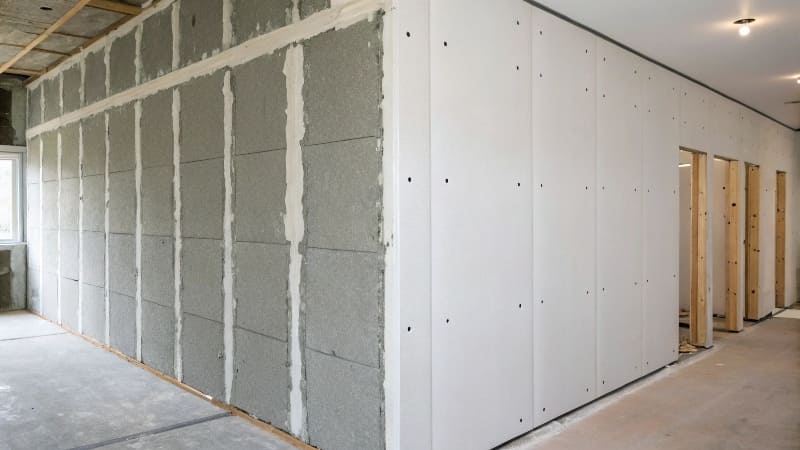
Non-galvanized or mild steel fasteners will fail under temperature and humidity changes, leading to cracks, delamination, or panel detachment.
What Is the Best Fixing for Cement Board?
The best fixing for cement board is a corrosion-resistant self-drilling screw or specialized fibre cement screw, designed with deep threads and anti-rust coating for a secure and lasting hold.
craftsmanship insight: the right screw choice keeps the panel flat, dry, and strong for years.
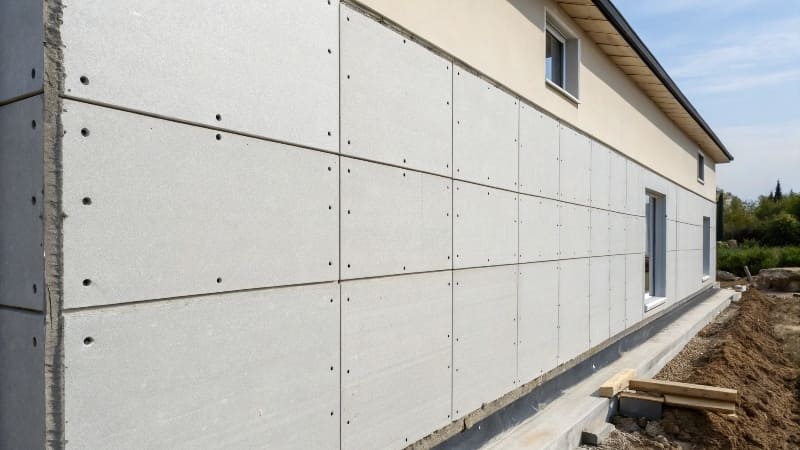
Cement Board Fixing Comparison Table
| Fixing Type | Material | Recommended Use | Key Advantage |
|---|---|---|---|
| Fibre Cement Screw | Galvanized or stainless steel | Steel or timber frames | Long-term corrosion resistance |
| Self-Drilling Screw | Zinc or polymer coated | Metal frames | No pre-drilling, strong grip |
| Nail (Hot Dip Galvanized) | Galvanized steel | Low-impact applications | Faster but less precise |
| Ordinary Nail | Mild steel | Not recommended | Rust and structural failure risk |
Choosing certified, anti-corrosive screws ensures compatibility with cement board density and minimizes edge cracking or flex under load.
Can You Screw Into Fibre Cement Sheeting?
Yes, you can screw directly into fibre cement sheeting, but pre-drilling is recommended for precision and to prevent edge cracking, especially on thicker or denser boards.
TRUSUS precision insight: every screw hole is a stress point—control it, and the board stays flawless.
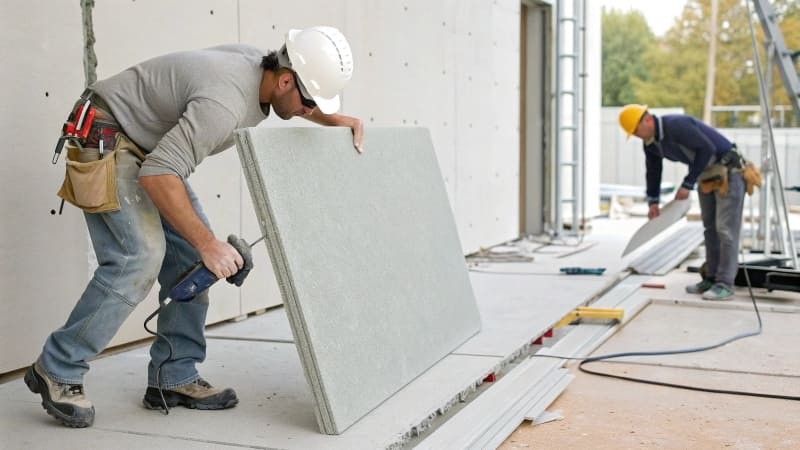
TRUSUS Screw Installation Guidelines
| Step | Recommendation | Purpose |
|---|---|---|
| 1 | Use a self-drilling, corrosion-resistant screw | Prevent rust and slippage |
| 2 | Pre-drill near edges with a smaller bit | Avoid splitting and stress |
| 3 | Keep 12mm from edges and 50mm from corners | Maintain structural strength |
| 4 | Set screw flush with the board surface | Prevent surface wave or indentation |
Proper placement and pressure maintain the sheet’s surface integrity and ensure uniform load distribution through the wall system.
How to Fix Fibre Cement Sheets?
To fix fibre cement sheets, mark alignment lines on frames, pre-drill holes where needed, use approved screws or nails, and keep even spacing. Always ensure the framing is level and rigid before fastening sheets.
professional insight: fixing cement sheets is more about rhythm and spacing than speed.
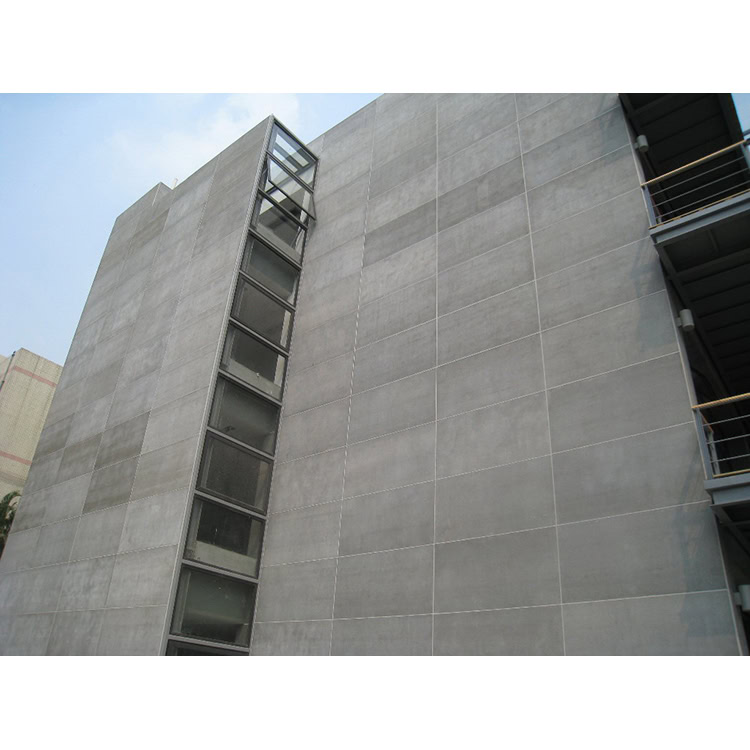
Fibre Cement Fixing Process Table
| Step | Action | Note |
|---|---|---|
| 1 | Check frame alignment and spacing | Frame must be level and square |
| 2 | Mark fixing points on sheet | Use chalk line for straight placement |
| 3 | Pre-drill (where needed) | Especially near sheet edges |
| 4 | Insert screws evenly (200mm–300mm apart) | Maintain consistent pressure |
| 5 | Seal joints and corners | Prevent water ingress and movement |
| 6 | Finish with primer and paint | Protect board and improve durability |
Correct fixing transforms a fibre cement sheet from a flat panel into a stable wall element capable of withstanding moisture, temperature change, and impact.
Conclusion
Fibre cement sheet performance depends less on its material and more on its fixing accuracy. At TRUSUS, I believe every screw tells the story of stability—where detail and discipline turn panels into lasting architecture.