




What Sizes Does Cement Sheeting Come In?
Cement sheeting comes in a variety of standard sizes, most commonly 2400 × 1200 mm (8×4 feet) and 3000 × 1200 mm (10×4 feet). Thicknesses usually range from 4.5 mm to 20 mm.
TRUSUS insight: choose sheet size by system design, not just wall area.
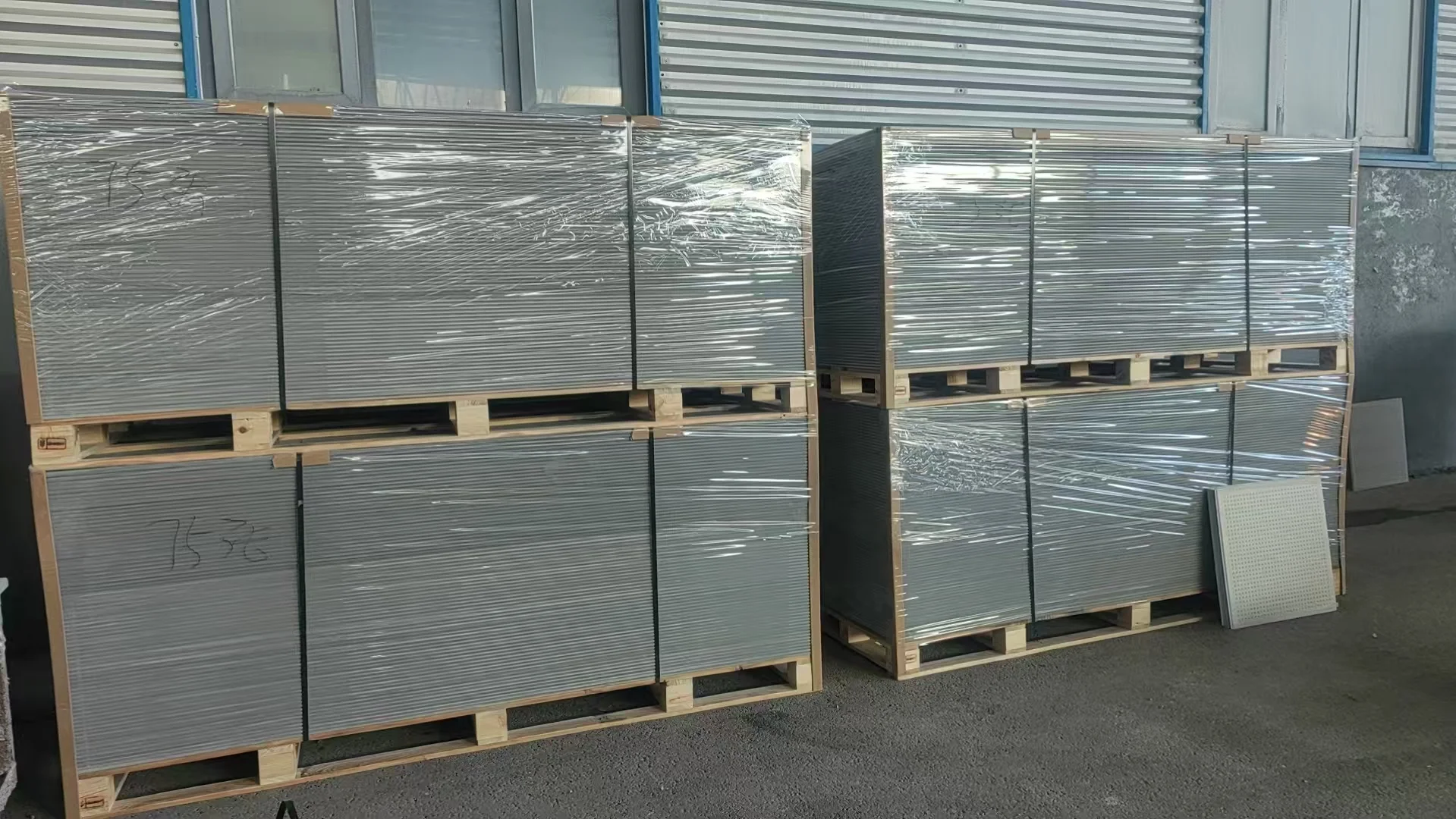
These standard dimensions make handling efficient and compatible with stud spacing in modular wall or cladding systems. Larger panels reduce joint seams but require two-person lifting for safety.
What Are the Standard Sizes of Cement Sheets?
The standard cement sheet sizes depend on application—internal lining, eaves, or facade systems. Common options are 2400×1200 mm, 2700×1200 mm, and 3000×1200 mm, with thicknesses from 6 mm for linings to 18 mm for external facades.
manufacturing insight: standardization ensures precision installation and reduces material waste.
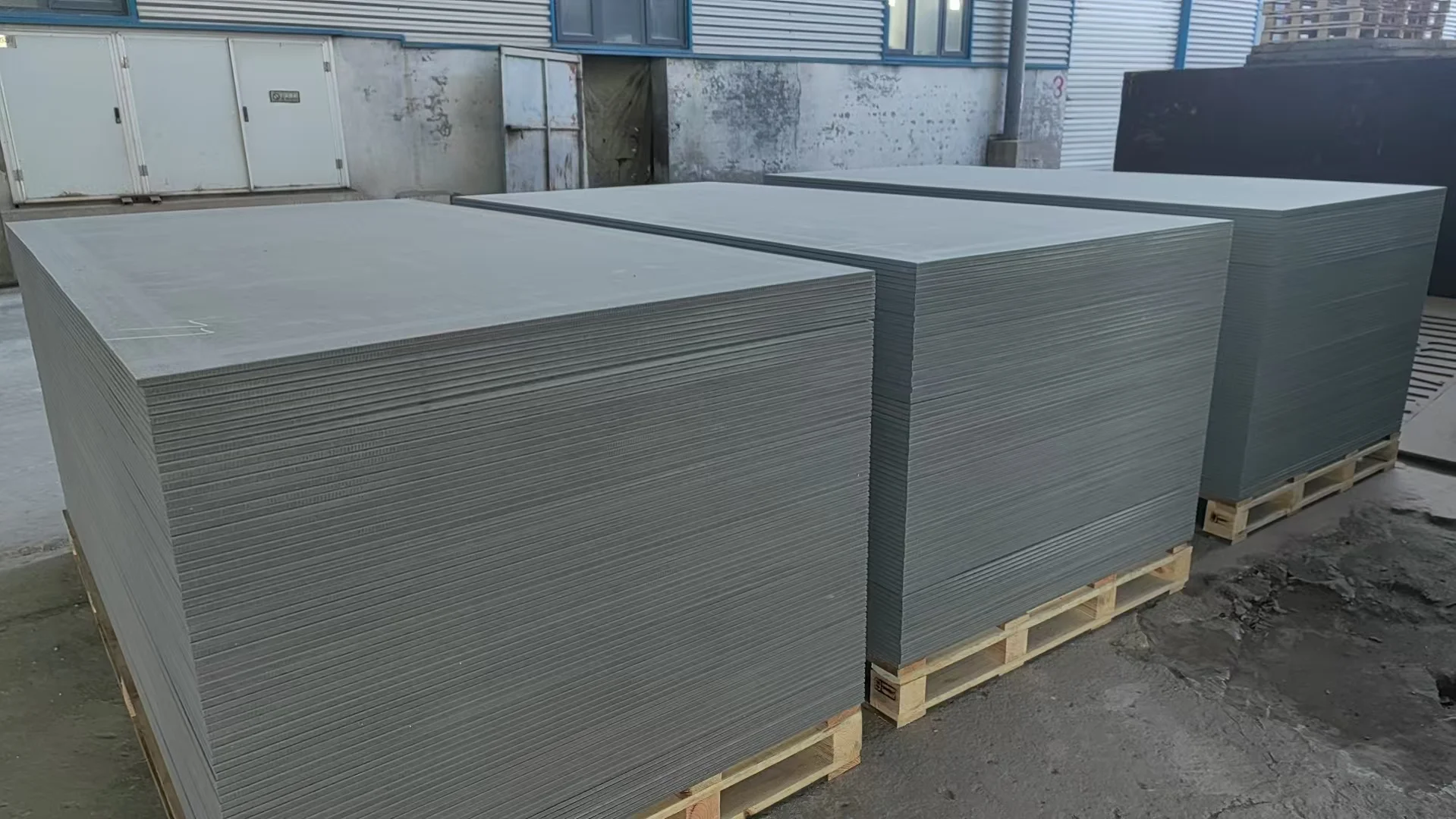
Cement Board Specification Table
| Application | Common Size (mm) | Thickness Range | Recommended Use |
|---|---|---|---|
| Internal wall lining | 2400×1200 | 6–9 mm | Bathroom, laundry, wet area walls |
| External facade panels | 3000×1200 | 12–18 mm | Ventilated facade or cladding systems |
| Eaves and soffits | 2400×450 / 2400×600 | 4.5–6 mm | Roof eaves and ceilings |
| Flooring substrate | 2700×600 | 15–20 mm | Tile backing and raised floor base |
Uniform sizing allows it to integrate with other modular components like gypsum boards or lightweight steel framing.
Can You Put Texture on Cement Board?
Yes, cement board can be textured using surface treatments such as acrylic coatings, textured plasters, or spray finishes. Its dense, porous surface allows strong adhesion when correctly primed.
surface insight: a good texture starts with a primed foundation.
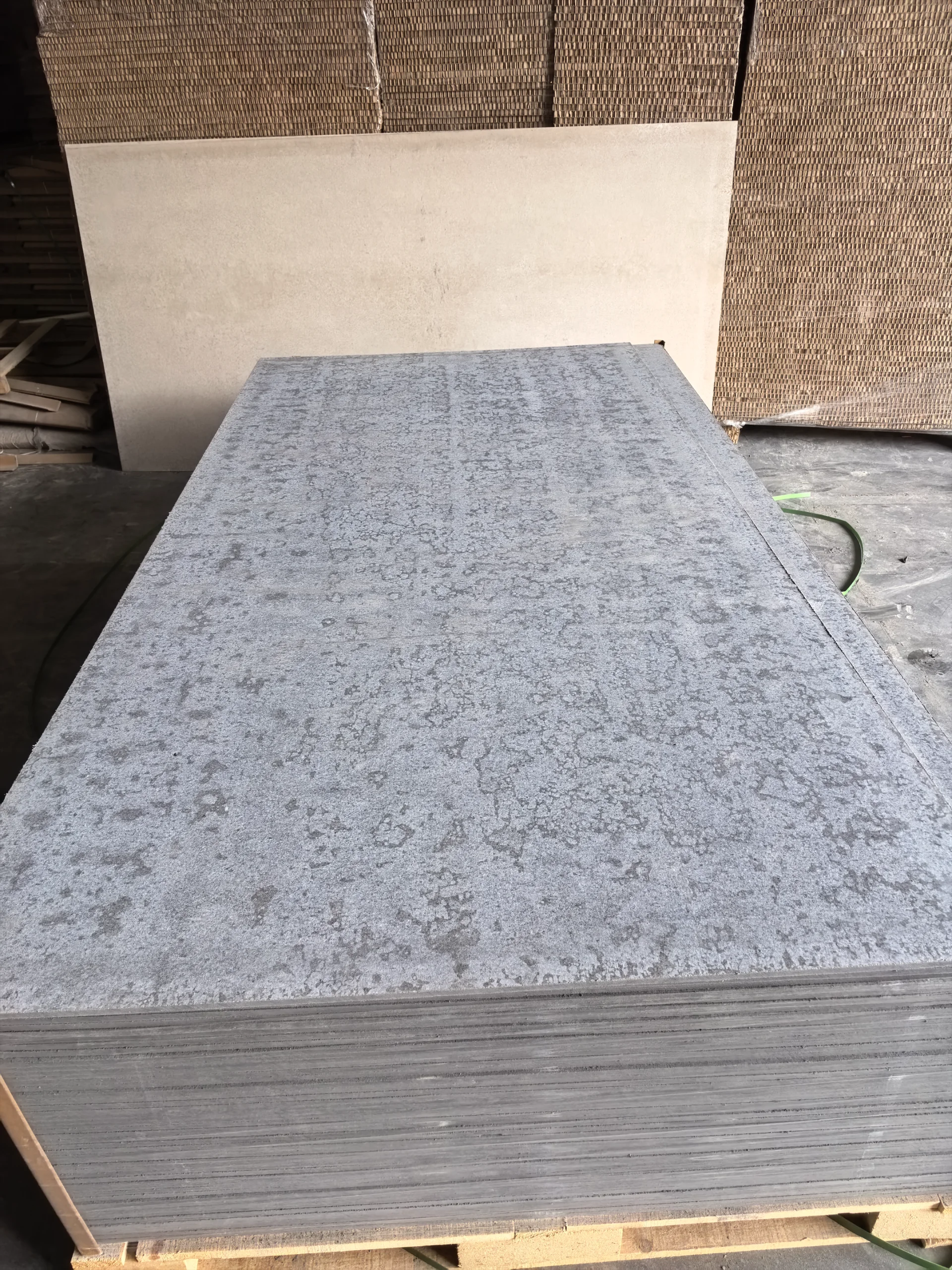
Texturing System Steps
| Step | Description | Purpose |
|---|---|---|
| 1. Surface Cleaning | Remove dust and debris | Ensure uniform adhesion |
| 2. Primer Application | Apply acrylic primer or bonding agent | Seal surface pores and improve strength |
| 3. Texture Coating | Apply textured paint, plaster, or spray coat | Create desired visual pattern |
| 4. Finishing Seal | Use clear or colored topcoat | Protect and stabilize the surface |
Using a whole-system approach, including primer and sealant, prevents moisture ingress and cracking under weather exposure.
Can I Render Straight Onto Cement Board?
You can render directly onto cement board, but the surface must be reinforced with alkali-resistant mesh and a suitable base coat before rendering. This prevents cracking and improves adhesion between the render and board.
construction insight: the system succeeds through preparation, not shortcuts.
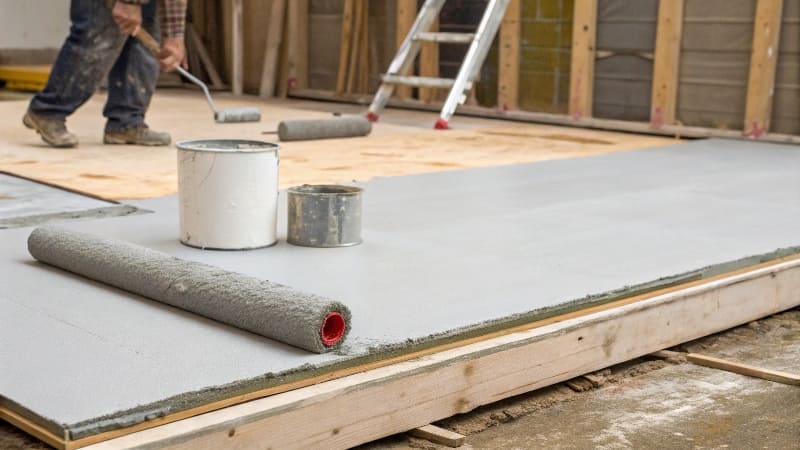
Rendering System Schema
| Layer | Material | Function |
|---|---|---|
| Base Layer | Cement board | Structural backing |
| Bonding Coat | Polymer-modified adhesive | Ensures render adhesion |
| Reinforcement | Fiberglass mesh | Prevents cracking |
| Render Layer | Acrylic or cement render | Decorative and protective finish |
| Topcoat | Paint or sealer | Final weather barrier |
Proper detailing at joints and corners is vital to stop thermal cracking and water ingress. A system-tested render combination always outperforms a direct, unreinforced coating.
Conclusion
Cement boards are more than flat sheets—they are precision components in wall and facade systems. From size to texture to rendering, everything depends on system thinking. At TRUSUS, I see each board not as a single surface, but as a building skin—strong, adaptable, and made for the future of modern construction.
