




What Kind of Primer Do You Use for Fiber Cement Siding?
The best primer for fiber cement siding is a high-penetration, alkali-resistant acrylic primer. It seals the surface, blocks alkali migration, and ensures durable paint adhesion for long-lasting color stability.
TRUSUS protective insight: durability begins with the first coat, not the last.
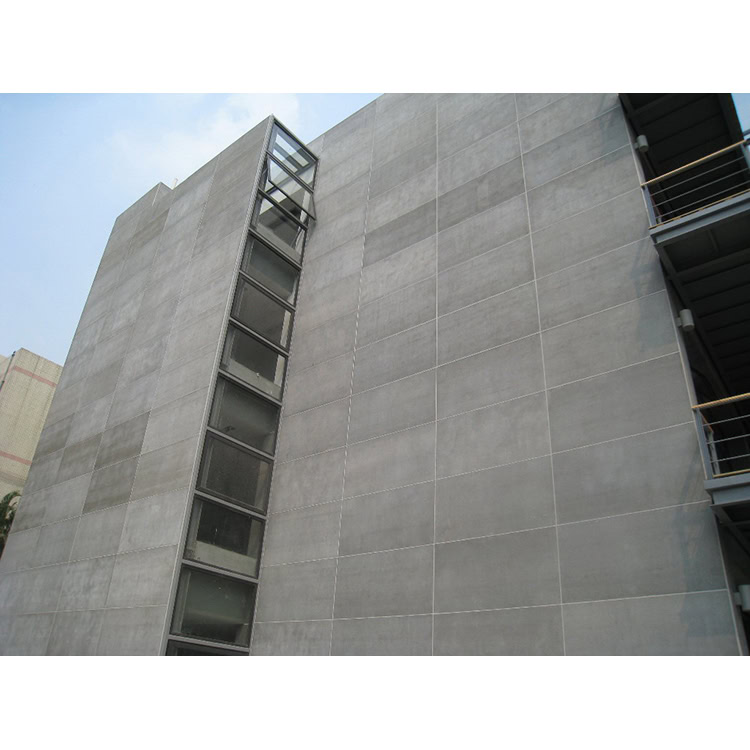
Using a wrong primer—like water-based paint without alkali resistance—can cause peeling or discoloration. Always apply primer to clean, dry surfaces before painting or sealing the cladding system.
Can I Change the Color of My Cladding?
Yes, you can repaint or change the color of your fiber cement cladding. Once the board has cured and been primed correctly, high-quality exterior acrylic paint can be applied to achieve new aesthetic results.
design insight: color flexibility is freedom backed by preparation.
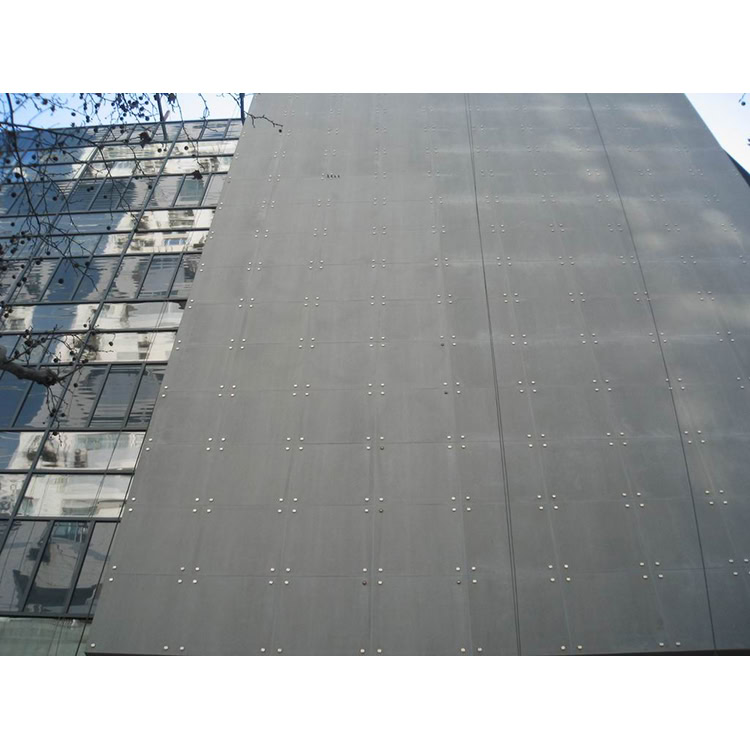
Cladding Color Management Table
| Step | Material Used | Purpose | Result |
|---|---|---|---|
| 1 | Alkali-resistant primer | Create bonding layer | Prevent paint failure |
| 2 | Exterior acrylic paint | UV and weather protection | Consistent color over time |
| 3 | Maintenance check | Inspect coating integrity | Extend repaint cycle |
Changing color works best when surface is properly sealed, joints are maintained, and repaint intervals follow established schedules for UV exposure control.
What Do I Put Between Seams of Fiber Cement Siding?
Between seams of fiber cement siding, use flexible exterior-grade sealant or joint tape to maintain waterproofing and prevent cracking due to temperature or moisture movement.
continuity insight: a wall’s unity depends on its smallest joint.
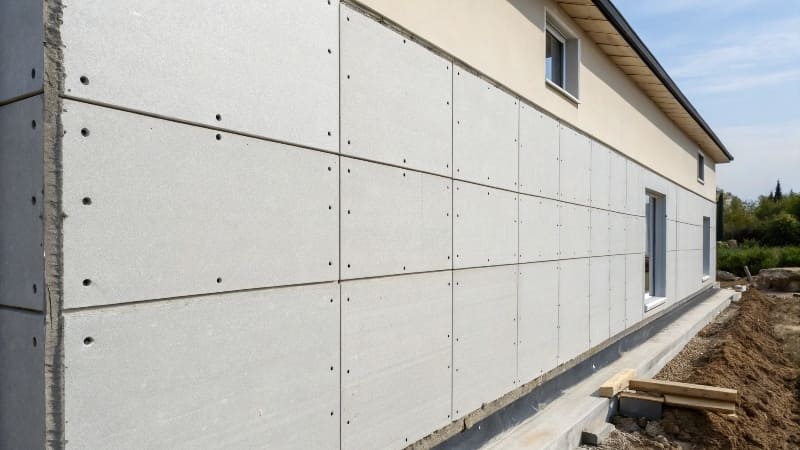
Joint Performance Comparison
| Joint Solution | Function | Benefit |
|---|---|---|
| Flexible Sealant | Absorbs structural movement | Prevents water penetration |
| Fiber Mesh Tape + Compound | Used in architectural facades | Smooth surface continuity |
| Backer Rod + Sealant | For wide gaps | Maintains flexible compression |
These joints protect both aesthetics and structural integrity, allowing panels to expand or contract without causing visual or material failure.
How Can You Prevent Damage to the Edge of Fiber Cement Sheets When Storing Them?
To prevent edge damage, store fiber cement sheets flat, on level pallets, in a dry, ventilated area, away from direct sunlight or moisture. Avoid stacking unevenly or standing them vertically.
handling insight: care in rest is protection in performance.
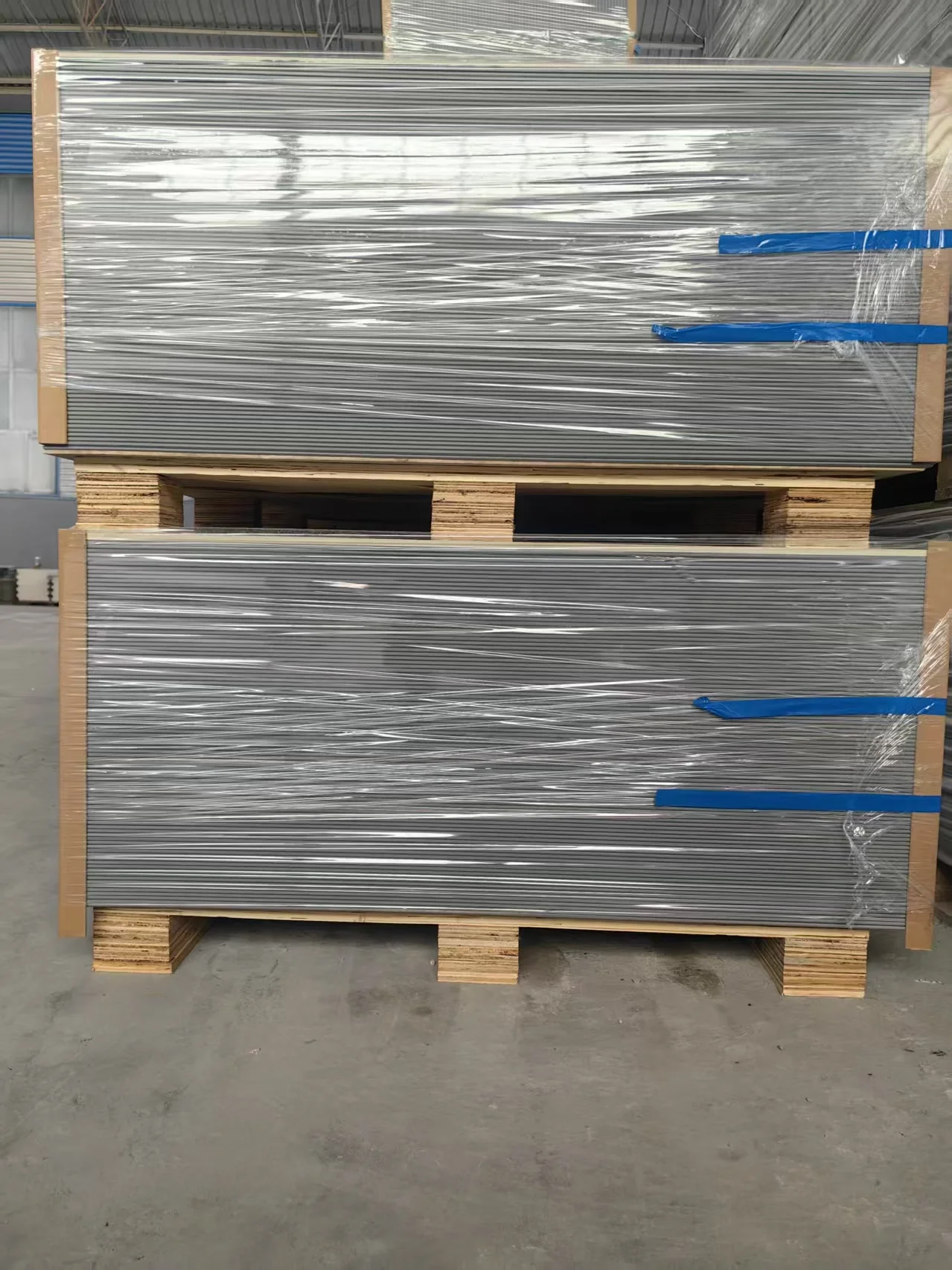
Storage Safety Guidelines
| Step | Recommendation | Risk Prevented |
|---|---|---|
| Level Surface | Use flat supports | Prevent bending and cracking |
| Dry Conditions | Covered, ventilated environment | Avoid moisture swelling |
| Horizontal Stacking | Stack uniformly | Protect edges from pressure |
| Edge Protection | Use foam or cardboard spacers | Keep corners intact |
Proper storage ensures sheets arrive on-site with perfect edges, supporting a smooth installation and preserving their long-term durability.
Conclusion
Every layer, joint, and stored sheet defines the system behind fiber cement’s lasting performance. At TRUSUS, I view it not as a decorative panel, but as a design-engineered solution connecting color freedom with structural endurance.
