




What Kills Mold on Cement Block Walls?
To kill mold on cement block walls, use a mixture of water and bleach or hydrogen peroxide—one part bleach to three parts water. Spray it, scrub the area, and ensure ventilation until dry. Killing the mold is only half the solution; stopping moisture entry through sealing or drainage keeps it from returning.
Mold removal means surface cleaning plus moisture management. TRUSUS recommends a quick disinfectant followed by anti-microbial sealant to prevent regrowth.
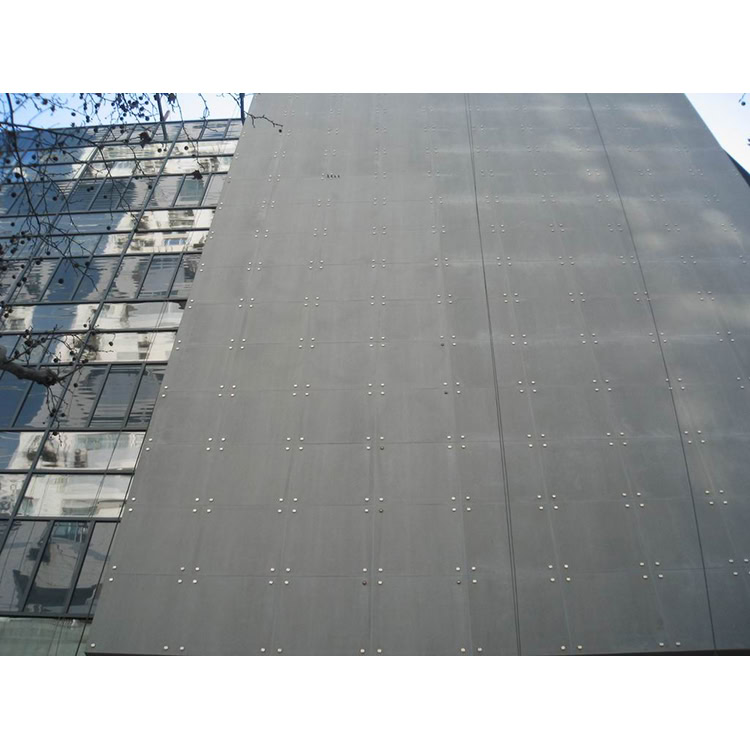
From my factory site experiences, even well-made cement surfaces develop mold if airflow is blocked. The real cure is creating dry conditions, not just chemical washing.
Does Cement Board Prevent Mold?
Yes, cement board resists mold growth because it’s inorganic and has no organic food source. Its fiber-reinforced, dense composition keeps humidity from penetrating easily. While it doesn’t “kill” mold, it prevents it from forming, especially when combined with proper installation, ventilation, and sealed joints.
Cement boards don’t feed mold colonies. They act like a moisture shield. TRUSUS fiber cement boards add low-porosity chemistry that improves anti-fungal resistance in wet zones like bathrooms or kitchens.
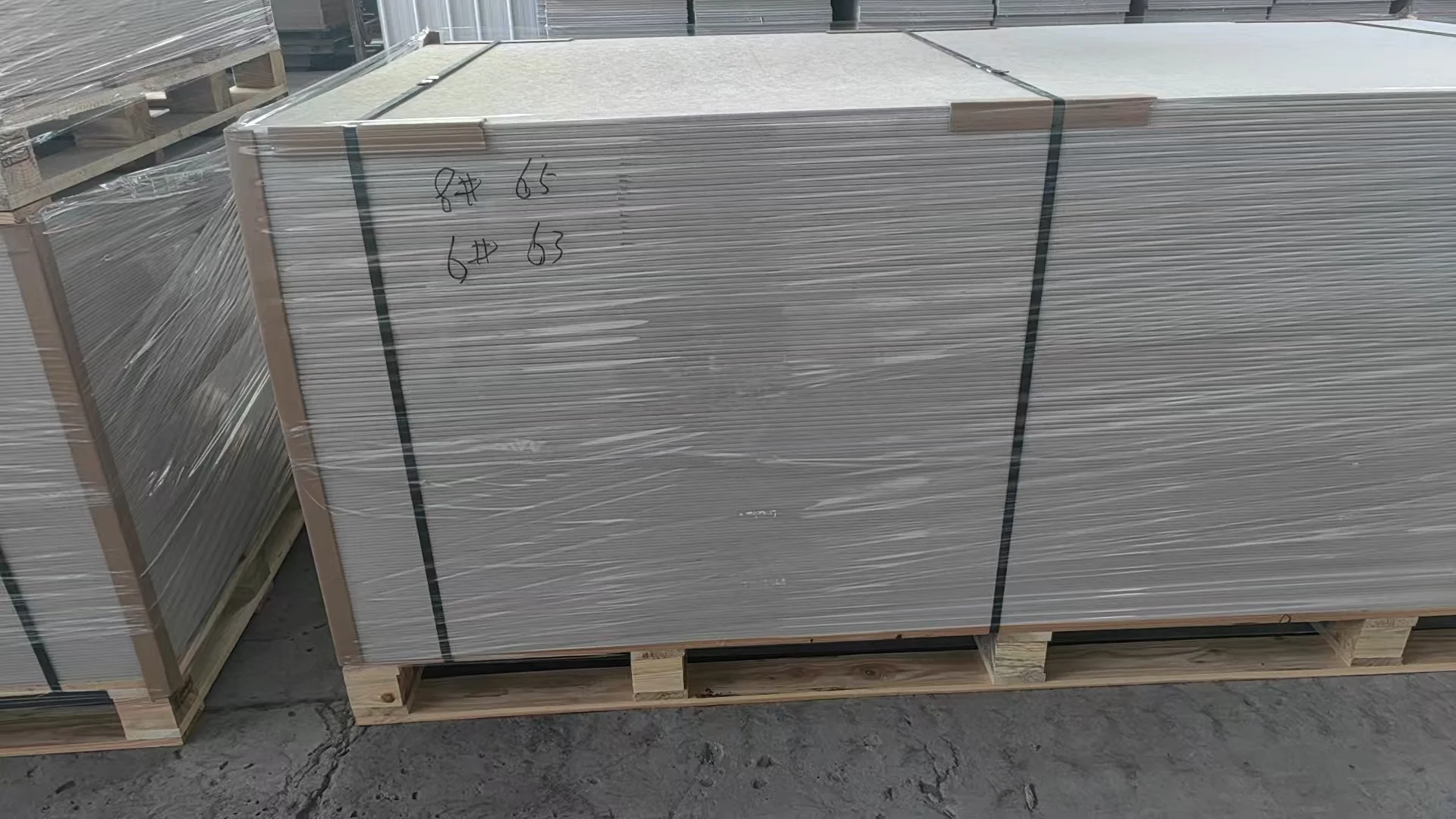
Anti-Mold System Components
| Part | Function | Effect | Example |
|---|---|---|---|
| Inorganic matrix | Blocks organic decay | Stops mold food source | Cement-silica composite |
| Fibrous reinforcement | Controls micro cracks | Keeps surface sealed | Cellulose/PVA fiber |
| Surface sealant | Adds resistance | Prevents moisture absorption | Silicone coat |
| Vent gap design | Prevents condensation | Allows breathing | Air cavity |
Proper sealing and air design are just as important as the material’s immunity itself.
Installation Support for Anti-Mold
| Step | Key Action | Goal |
|---|---|---|
| Edge sealing | Apply caulk on joints | Block humidity |
| Back ventilation | Provide air gap | Evaporate trapped moisture |
| Screw protection | Use coated fasteners | Avoid rust |
| Primer coating | Seal micro pores | Stabilize surface absorption |
Cement board systems resist mold only when mechanical details are correct.
How to Tell If It’s Black Mold or Just Mold?
Black mold appears dark green to black and often slimy, especially on damp or hidden areas. Ordinary mold may be white, yellow, or green and powdery. The main difference lies in appearance and odor—black mold smells musty and signals deep moisture issues. Either type requires removal and moisture correction.
Color isn’t proof of toxicity. TRUSUS suggests testing humidity and checking ventilation patterns to diagnose surface conditions rather than panicking over appearance.
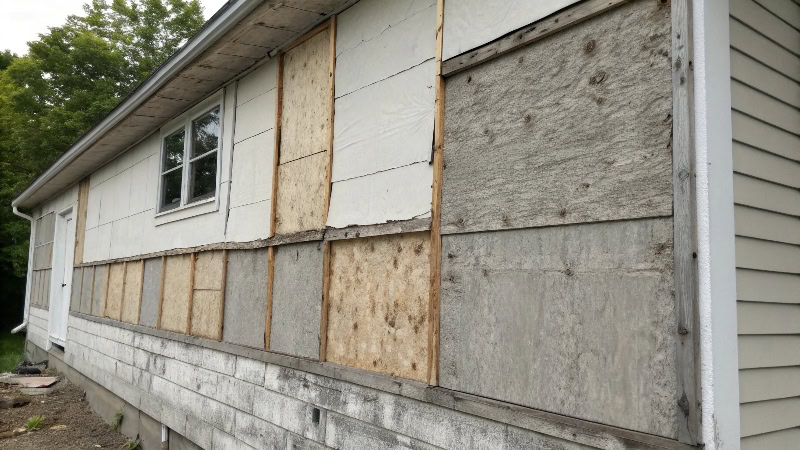
Mold Type Recognition Table
| Feature | Common Mold | Black Mold | Meaning |
|---|---|---|---|
| Color | White/green/yellow | Dark green/black | Type indicator |
| Texture | Powdery | Slimy or sticky | Moisture level |
| Smell | Mild musty | Strong earthy | Ventilation warning |
| Growth zone | Visible surface | Hidden behind panels | Hidden moisture |
| Risk level | Moderate | High | Needs immediate control |
All types of mold return if moisture pathways remain. Identifying only color isn’t enough—look for dampness and airflow.
Steps for Mold Diagnosis
| Step | Tool | Use |
|---|---|---|
| Visual survey | Magnifying view | Identify colony color |
| Humidity check | Hygrometer | Detect damp area |
| Ventilation test | Smoke or airflow | Find stagnant zone |
| Surface scraping | Sample for lab | Confirm spore species |
True prevention happens when humidity stays under control year-round.
What Are Common Mistakes When Installing Cement Board?
Common mistakes include skipping waterproofing membranes, not leaving expansion gaps, using uncoated screws, or misaligning boards. These errors create moisture traps and stress cracks that let water in and encourage hidden mold. Correct installation is about moisture management, not mechanical stacking.
Installation flaws kill durability faster than humidity. TRUSUS training manuals stress gap spacing (3–5 mm) and continuous waterproof membranes to ensure long-term health performance.
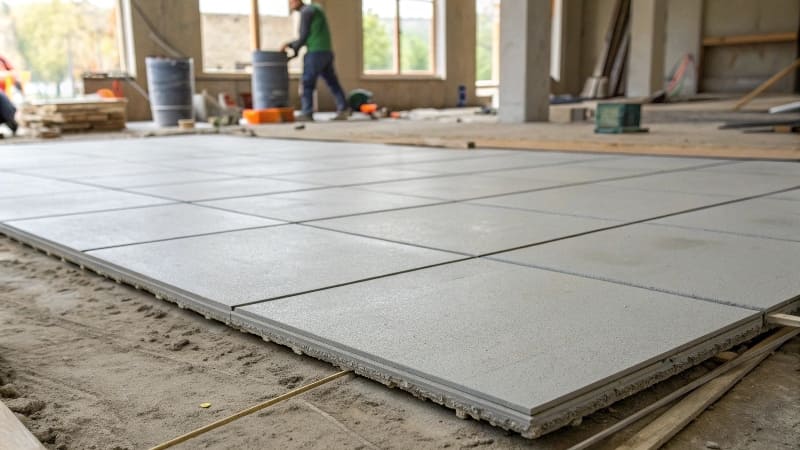
Common Mistake Breakdown
| Mistake | Cause | Impact | Fix |
|---|---|---|---|
| No expansion gap | Boards flush-mounted | Cracking and moisture trap | Leave joints and seal |
| Unsealed screws | Rust formation | Leaks and staining | Use stainless screws |
| Skipping vapor wrap | Direct wall contact | Damp zone | Add waterproof membrane |
| Uneven fastening | High-pressure screwing | Surface distortion | Moderate torque |
| Improper corner alignment | Tilted edges | Weak joints | Align with plumb frame |
Mistakes look small but cause major maintenance costs later.
Precision Methods for Installing Cement Board
| Stage | Best Practice | Result |
|---|---|---|
| Preparation | Level frame and clean substrate | Stable base |
| Fastening | Use self-tapping corrosion-proof screws | Long-lasting fit |
| Joint sealing | Apply mesh tape + joint compound | Air and water seal |
| Surface finishing | Prime before tile or paint | Uniform look |
| Ventilation setup | Allow airflow with spacers | Dry, mold-free wall |
Accurate installation creates a healthy microclimate behind the board.
Conclusion
Mold control begins with moisture control. Bleach kills visible colonies, but ventilation keeps surfaces clean. TRUSUS cement boards prevent mold thanks to their inorganic, sealed structure. Regardless of color—black or light—mold marks humidity imbalance. Avoiding mistakes like unsealed edges and missing membranes ensures both structural and health durability. For future buildings, cement boards aren’t just mold-resistant—they’re air-balancing foundations that secure cleaner, longer-lasting indoor environments.
