




What Is the Typical Screw Pull‑Out Value for a 9 mm Fiber Cement Board?
A 9 mm fiber cement board typically has a screw pull‑out value in the range of 500–800 N per screw, depending on substrate type and embedment depth. It reflects the synergy between screw design and board density.
TRUSUS fastening insight: the number isn’t strength alone—it’s trust in the system.
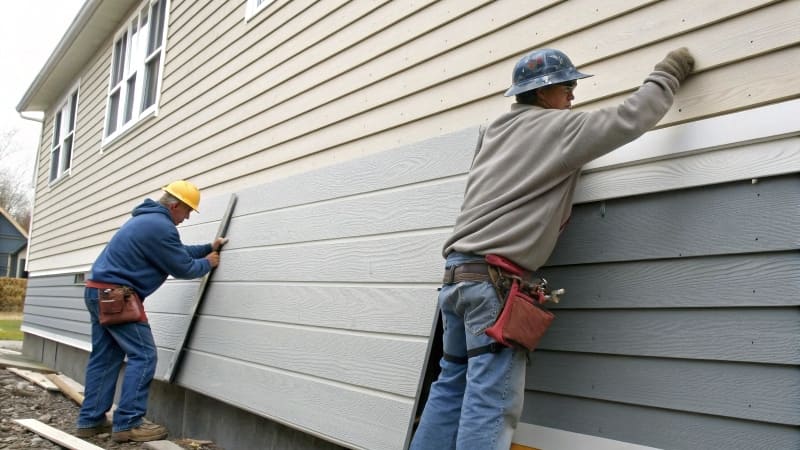
Pull‑out strength changes with base framing, driver torque, angle, and humidity. Each screw becomes a transfer bridge between material integrity and overall structure. The real measure of performance is uniform engagement, not isolated value.
How Does Shear Strength Compare Between Nail‑Fixed and Screw‑Fixed Cement Board?
Screw‑fixed boards usually show 30–40% higher shear resistance than nail‑fixed boards. This results from thread grip controlling slip under wind or humidity stress.
TRUSUS connection insight: speed of fastening often trades stability for precision.
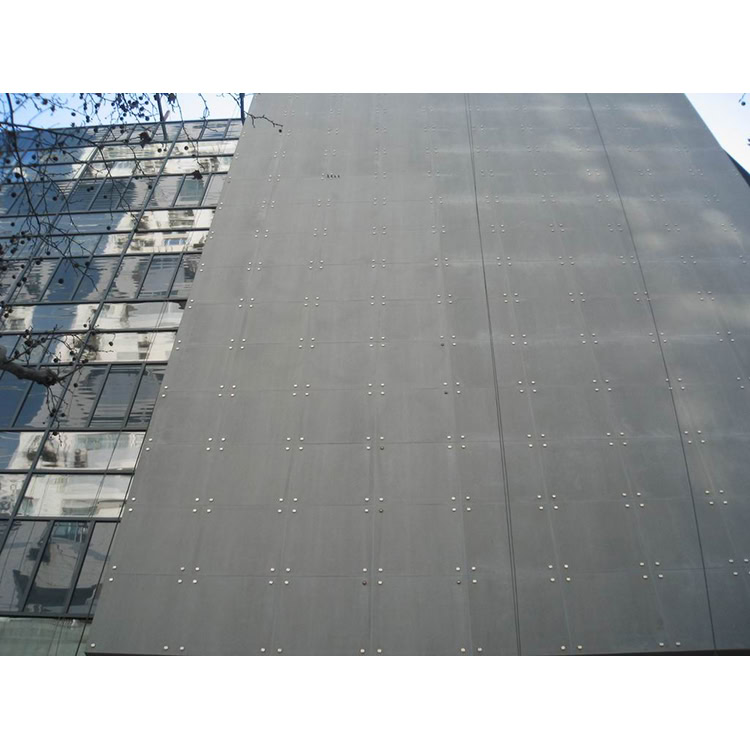
Shear Strength Comparison
| Fixing Type | Average Shear Strength (N/mm²) | Key Limitation | Typical Use |
|---|---|---|---|
| Pneumatic nails | 2.0–2.8 | Surface loosen under vibration | Rapid siding installation |
| Self‑tapping screws | 3.2–4.0 | Torque control vital | Structural or façade assembly |
I once watched a team install façade panels with nail guns. It looked fast—but when humidity changed, panel joints lifted. Later tests proved screws held their shear load nearly twice as long under the same stress.
Will Over‑Driving Screws Cause the Face of a Fiber Cement Board to Blowout?
Yes. Over‑driving disturbs surface layers and causes micro‑fracturing known as “face blowout.” Controlled torque preserves fiber bond integrity.
TRUSUS torque insight: tight doesn’t mean right.
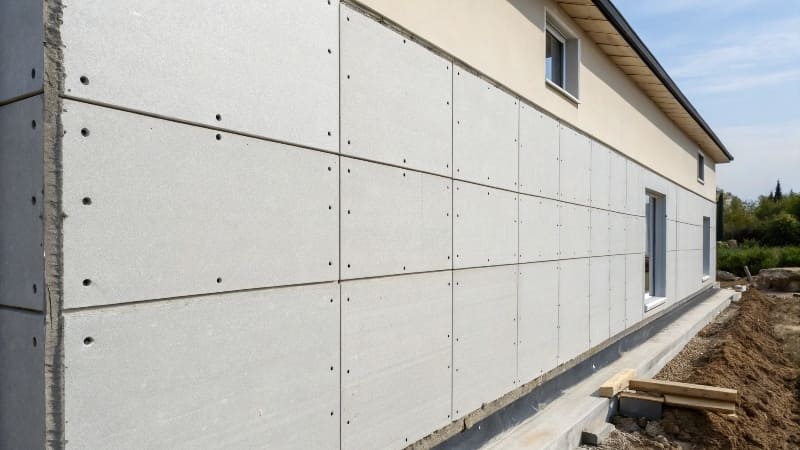
Torque Sensitivity Table
| Drive Depth | Surface Condition | Structural Effect |
|---|---|---|
| Flush head | Smooth, intact | Ideal tension |
| 1 mm over‑drive | Light crater | Minor fiber damage |
| 2–3 mm over‑drive | Powder burst, crack halo | Severe surface failure |
| Under‑drive | Protruding screw | Uneven load transfer |
On‑site, I often see hidden damage from over‑tightening—white powder rings around screw heads. That small mistake shortens board life significantly; torque meters are worth their cost.
Can You Use Pneumatically Driven Nails to Install Fiber Cement Board Siding?
You can, but only if nails meet hardened‑steel requirements and are applied under controlled pressure. For long‑term durability, screws remain the preferred fastener.
TRUSUS installation insight: pneumatic speed must yield to structural reasoning.
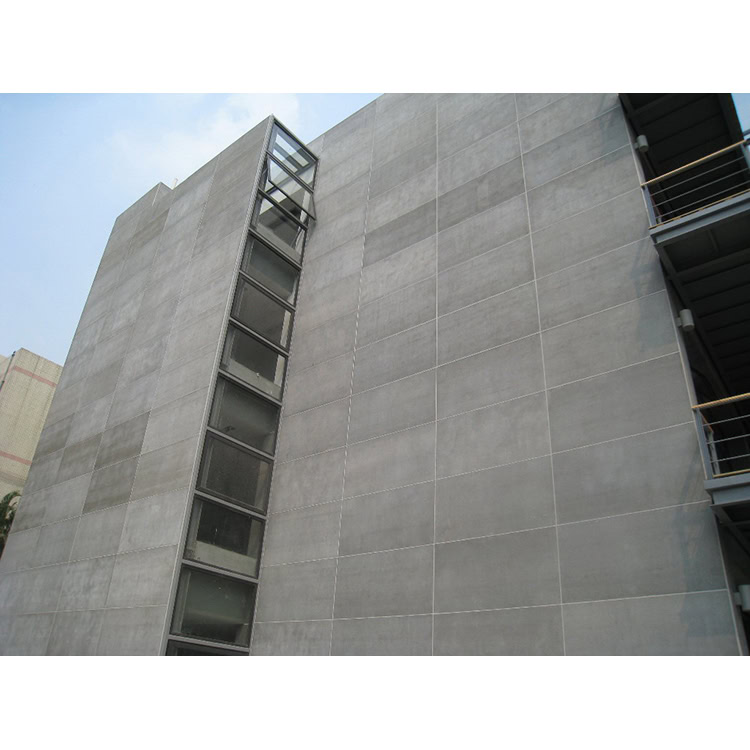
Installation Guide
| Fastener | Tool | Risk | Application Notes |
|---|---|---|---|
| Pneumatic nail | Nail gun | Edge cracking | Suitable for thin siding only |
| Self‑drilling screw | Drill driver | Torque variance | Provides higher pull‑out and shear |
| Stainless screw | Power driver | Added cost | Best for coastal or humid zones |
I once allowed pneumatic nails on a test façade project to improve speed. When vibrations and temperature changed, corners began to loosen after six months—proof that structure beats speed every time.
Conclusion
At TRUSUS, I see each fastener as a story of precision. Pull‑out, shear, torque, or tool choice—every detail writes the language of reliability that defines true structural quality.
