




What Is the Recommended Screw Spacing for Fiber Cement Board Siding?
Proper screw spacing ensures stability and prevents stress cracks in fiber cement boards.
For wall applications, screws should be placed 200–300 mm apart horizontally and 20 mm from edges.
TRUSUS installation insight: the board performs best when spacing follows system rules, not guesswork.
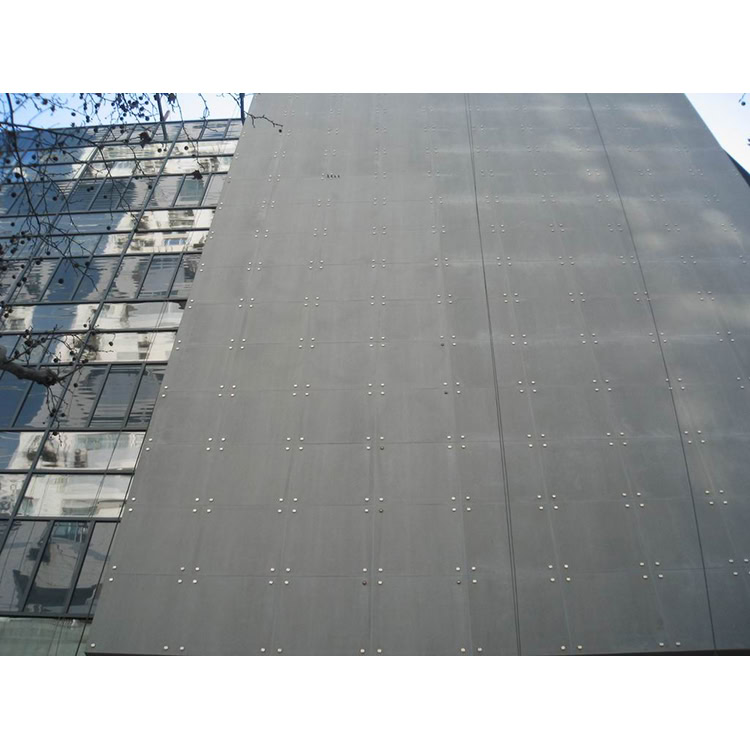
Incorrect spacing concentrates stress, causing fractures or uneven surface tension.
When screws are aligned evenly and distances respected, the board can expand and contract naturally, maintaining long‑term durability.
Can You Use High‑Strength Adhesive Instead of Screws for Fiber Cement Board?
No, strong adhesives cannot replace mechanical fasteners.
Adhesives lack flexibility to handle board movement caused by humidity and temperature changes.
TRUSUS structural insight: fixation is not only adhesion—it’s mechanical breathing.
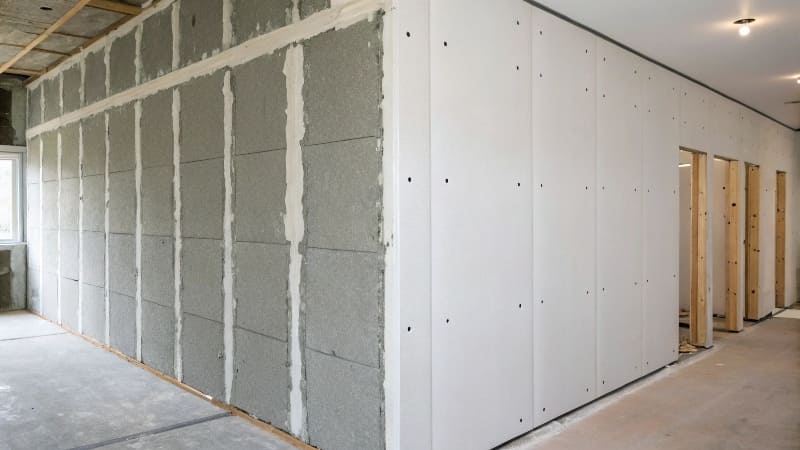
Comparison: Screws vs. Adhesives
| Feature | Screws | Adhesives |
|---|---|---|
| Load transfer | Excellent | Limited |
| Shrink/expand control | Effective | Poor |
| Long‑term durability | 10+ years | Variable |
| Maintenance | Simple | Complex |
| Recommended use | Primary fixation | Optional surface bonding |
In practice, some designers attempt seamless finishes with adhesive alone.
But months later, we see delamination and warping because stress had no path to release.
This taught us that engineering intention must override visual desire.
How Do You Finish the Edges of a Fiber Cement Board for a Seamless Look?
Use proper joint treatment instead of hiding joints completely.
Edges should be beveled, sealed, or joined with flexible filler or trim profiles.
TRUSUS finishing insight: real seamlessness comes from controlled connection.
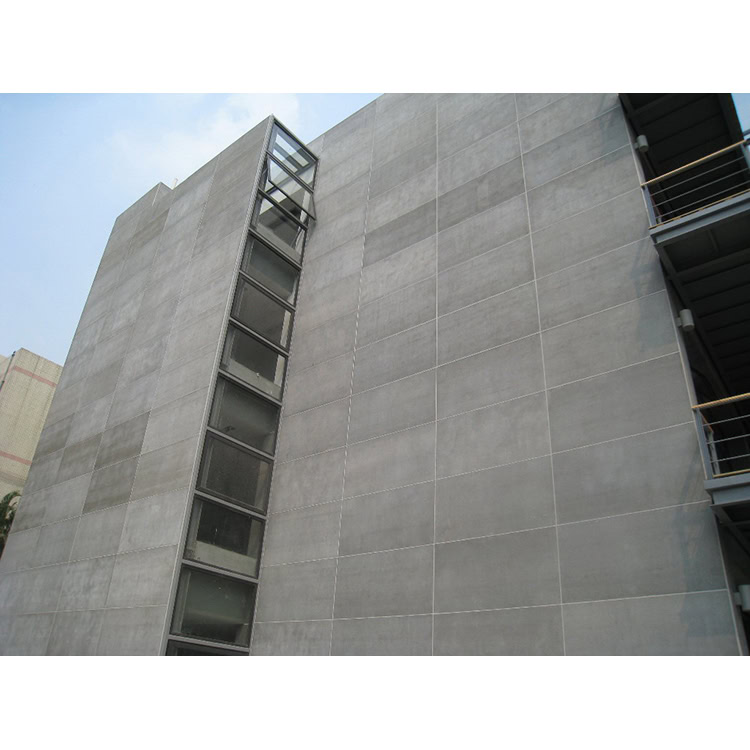
Edge Finishing Options
| Technique | Tools Needed | Finish Style | Durability |
|---|---|---|---|
| Beveled joint + filler | Angle grinder, joint compound | Minimal joint line | High |
| Metal/ PVC trim | Edge profiles, screws | Defined sharp edge | Very high |
| Paint seal | Primer + paint | Visual blend | Medium |
| Caulk + repaint | Flexible caulk | Smooth continuous line | High |
I tested joint designs across humid areas.
Flexible edge sealing consistently handled expansion better than rigid joint filler.
The outcome looked clean and lasted longer—showing beauty is engineered, not improvised.
Why Is My Cement Board Snapping When I Try to Score and Cut It?
Cement boards break when scored improperly or snapped like drywall.
They require mechanical cutting tools rather than hand breaking.
TRUSUS cutting insight: fiber reinforcement changes the rule—cut, don’t snap.
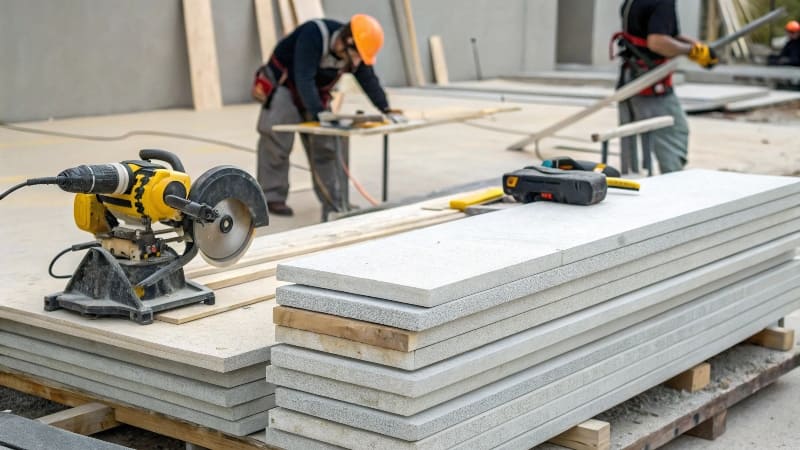
Cutting Method Guide
| Tool | Recommended Use | Typical Result |
|---|---|---|
| Circular saw with carbide blade | Precise straight cuts | Clean edge |
| Fiber cement shears | Small panels | Low dust, neat cut |
| Utility knife + snap | Not recommended | Edge fracture |
| Wet saw | Thick boards | Smooth finish |
In factory trials, we confirmed that the internal fiber mesh resists hand snapping.
Only with proper saws do edges stay uniform.
This simple tool awareness prevents most breakage complaints we hear on sites.
Conclusion
At TRUSUS, I see fiber cement boards not as single panels but as parts of a system.
When screws, joints, and cutting methods follow that logic, the board becomes durable, precise, and beautiful.
