




What is the most common problem with fiber cement siding?
Fiber cement siding is strong and durable, but problems can still occur if it is not installed the right way.
The most common problem with fiber cement siding is cracking, and in most cases, this results from improper installation rather than the material's quality.
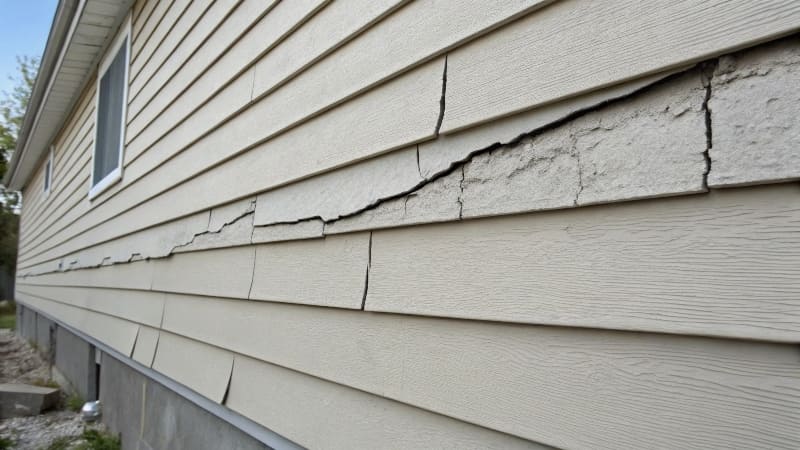
Many people think fiber cement boards crack because the product is poor. From my experience as a manufacturer, most cracks happen because of poor installation work. I have seen nails nailed too tightly, gaps between boards left too small, and no allowance for expansion and contraction in temperature changes. These mistakes put stress on the boards, and they crack. Once we started sending our own technical people to guide on proper installation, these cracking complaints went down a lot.
What are the negatives of Hardie board siding?
Hardie board siding (a brand of fiber cement) has many strengths, but it has downsides that need to be understood.
Negatives include higher installation difficulty, more dust during cutting, heavier weight, and higher labor and tool requirements compared to vinyl or wood siding.
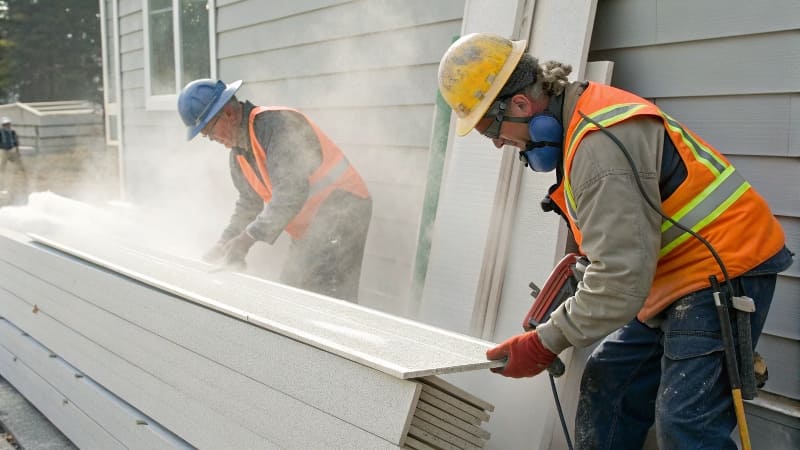
From my own observation, Hardie board needs extra effort during installation. The boards are heavy. Cutting them creates fine dust that needs special masks and tools to manage safely. Workers who are used to vinyl siding can find this frustrating. On one villa project, the contractor wanted to change the material to avoid the labor hassle. The homeowner insisted on Hardie board because of its durability and fire resistance. In the end, after the work was done, the contractor admitted it was worth the extra effort. The building looked great and had a solid, long-lasting surface.
Here’s how its negatives compare to other siding:
| Feature | Fiber Cement / Hardie | Vinyl Siding | Wood Siding |
|---|---|---|---|
| Weight | Heavy | Light | Medium |
| Cutting process | Dusty, slow | Easy | Moderate |
| Tool requirements | Specialized | Basic | Moderate |
| Labor cost | High | Low | Medium |
| Durability | High | Medium | Low-High (varies) |
What are the disadvantages of fiber cement?
Fiber cement siding is a high-performance material, but it is not perfect for every project.
Disadvantages include a higher initial cost, more complex installation, and less flexibility for shaping compared to newer synthetic materials.
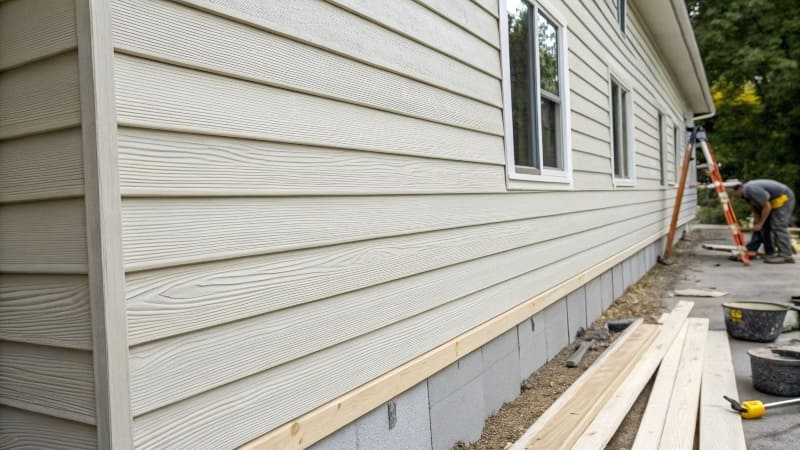
The cost of installing fiber cement siding can surprise some clients. The boards themselves are more expensive than vinyl. The installation process demands skilled labor, which adds to the cost. This is not a problem for big projects with planned budgets, but it can be tough for small builders.
Another issue is flexibility in design. While I can produce fiber cement boards in many textures and colors, shaping the boards into complex forms is harder than with some modern synthetic products. For custom-style architectural elements, other materials can be easier to work with.
From a durability point of view, I still believe fiber cement is worth the cost. It resists fire, insects, and severe weather — and when installed well, there is almost no maintenance.
What is the life expectancy of fiber cement siding?
Longevity is one of the main reasons builders choose fiber cement siding.
A well-manufactured and properly installed fiber cement siding typically lasts 30–50 years, even in harsh climates.

Many clients ask me how many years our siding will last. I always give them the same honest answer: between 30 and 50 years under normal maintenance. The variation is due to climate, exposure, and installation quality. Our own statistics, based on years of tracking projects, confirm this range.
For example, well-installed boards in dry climates may last more than 50 years without major issues. In more humid or coastal areas, regular checks and small repairs can extend their life. What matters most is that the installation follows the right spacing, fastening, and weatherproofing steps. It is an upfront investment in skill and care that pays off in decades of performance.
Conclusion
Fiber cement siding can last decades with few problems, but correct installation, awareness of weight and cost, and realistic expectations are key to getting the best results.
