




What is the Maximum Load Capacity of 20mm Fiber Cement Floor Boards?
20mm fiber cement floor boards typically support 3-5 kN/m² distributed loads and 1.5-2.5 kN concentrated point loads when properly supported on 400-600mm centers, with actual capacity depending on support spacing, board quality, moisture conditions, and load distribution patterns according to manufacturer specifications and structural calculations.
Distributed load capacity ranges 3-5 kN/m² for uniform loading across board surface with proper support spacing. Point load capacity handles 1.5-2.5 kN concentrated loads at board centers between support points. Support spacing critically affects load capacity with 400mm centers providing maximum ratings and 600mm centers reducing capacity significantly. Load distribution improves through continuous supports or structural underlayment systems. Safety factors require professional engineering calculations for critical applications beyond residential use.
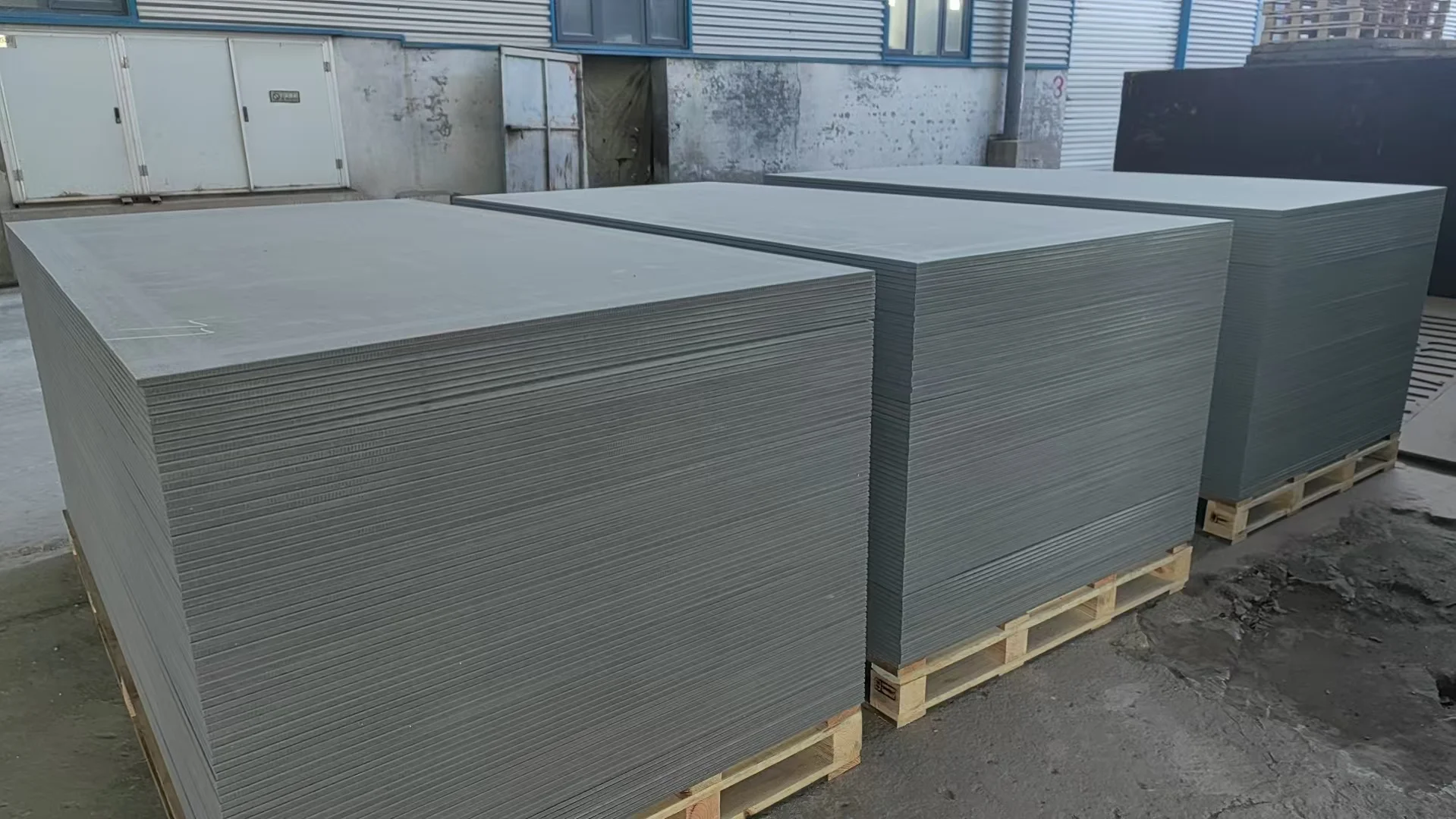
From my extensive experience manufacturing fiber cement products, I've observed that proper support spacing is more critical than board thickness for achieving maximum load capacity.
Can Fiber Cement Flooring Replace Steel Plates for Industrial Mezzanines?
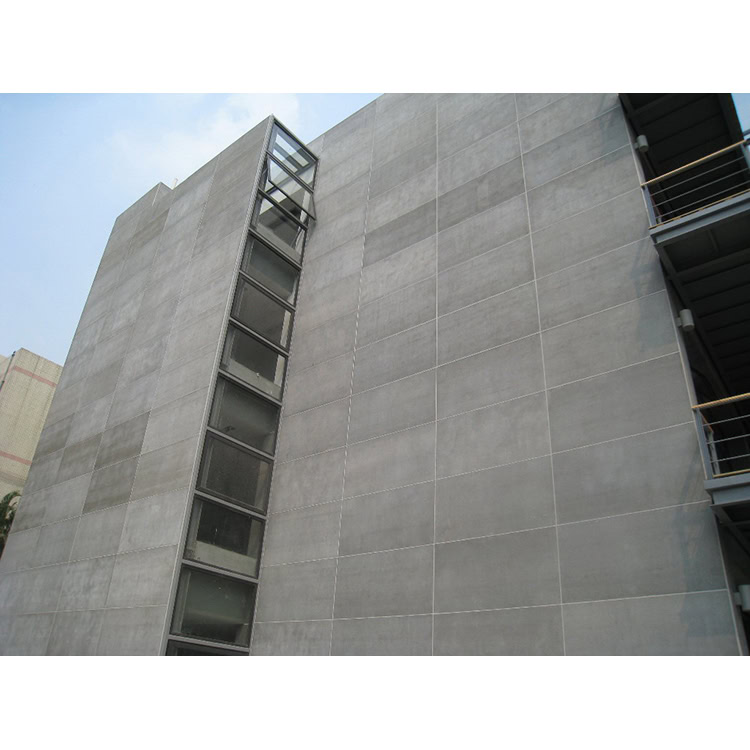
Fiber cement flooring can replace steel plates for light industrial mezzanines in specific applications with loads under 3-4 kN/m², offering advantages in fire resistance, corrosion immunity, and installation simplicity, though steel plates remain necessary for heavy industrial loads exceeding 5 kN/m² or applications requiring maximum structural efficiency.
Light industrial applications with loads under 3-4 kN/m² work well with fiber cement systems providing adequate structural capacity. Fire resistance advantages offer superior performance compared to steel plates without fire protection coatings. Corrosion immunity eliminates maintenance issues common with steel plate systems in humid environments. Installation benefits include easier cutting, lighter handling, and standard fastening without welding requirements. Cost considerations show material savings offset by increased support requirements for equivalent load capacity.
Load Capacity Comparison
Detailed comparison between fiber cement and steel plate flooring systems.
| System Type | Distributed Load | Point Load | Span Capability | Weight | Fire Rating |
|---|---|---|---|---|---|
| 20mm Fiber Cement | 3-5 kN/m² | 1.5-2.5 kN | 400-600mm | 35 kg/m² | 2+ hours |
| 3mm Steel Plate | 8-12 kN/m² | 5-8 kN | 800-1200mm | 24 kg/m² | Requires coating |
| 5mm Steel Plate | 15-20 kN/m² | 10-15 kN | 1200-1600mm | 40 kg/m² | Requires coating |
| Composite System | 6-8 kN/m² | 3-5 kN | 600-800mm | 45 kg/m² | 1+ hour |
| Concrete Deck | 10-15 kN/m² | 8-12 kN | 600-1000mm | 60 kg/m² | 2+ hours |
Steel plates provide superior load capacity but require fire protection in many applications.
Application Suitability
Different industrial applications and their flooring system requirements.
| Application Type | Load Requirements | Environmental Factors | Fiber Cement Suitable | Steel Plate Required |
|---|---|---|---|---|
| Office Mezzanine | 2-3 kN/m² | Climate controlled | Yes | No |
| Light Storage | 3-4 kN/m² | Moderate humidity | Yes | Optional |
| Equipment Platform | 4-6 kN/m² | Variable conditions | Marginal | Preferred |
| Heavy Storage | 6+ kN/m² | Industrial environment | No | Yes |
| Production Floor | 5+ kN/m² | Chemical exposure | No | Yes |
Fiber cement works best for office and light storage applications.
Cost Analysis
Comprehensive cost comparison including installation and maintenance factors.
| Cost Component | Fiber Cement System | Steel Plate System | Difference | Long-term Factor |
|---|---|---|---|---|
| Material | $25-35/m² | $35-50/m² | -30% | Stable |
| Support Structure | $40-60/m² | $25-35/m² | +60% | Stable |
| Installation | $15-25/m² | $25-40/m² | -40% | One-time |
| Fire Protection | Included | $15-25/m² | -100% | Periodic |
| Maintenance | $2-4/m²/year | $5-8/m²/year | -60% | Ongoing |
| Total 10-year | $100-150/m² | $150-220/m² | -30% | Significant |
Fiber cement systems show 30% lower total cost over 10-year lifecycle.
How to Install Ceramic Tiles Directly on Fiber Cement Floor Boards?
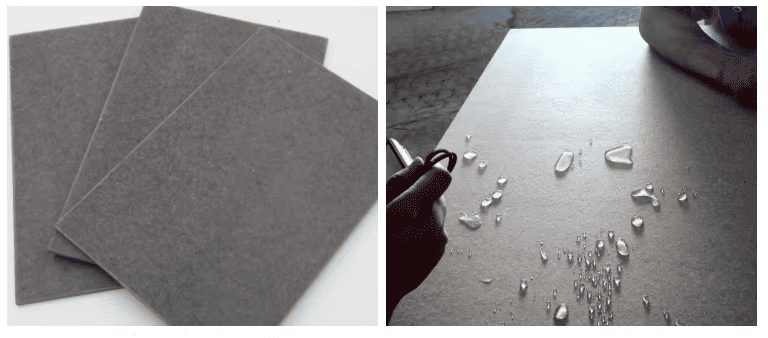
Install ceramic tiles directly on fiber cement floor boards using flexible tile adhesive, proper surface preparation with primer sealer, adequate support spacing at 400mm centers maximum, expansion joints every 3-4 meters, and waterproof membrane where moisture exposure occurs, ensuring boards are properly fastened and deflection-limited for tile integrity.
Surface preparation requires clean, dust-free fiber cement with primer sealer application for optimal adhesive bonding. Flexible tile adhesive accommodates minor board movement preventing tile cracking from structural deflection. Support spacing at 400mm maximum centers limits board deflection maintaining tile installation integrity. Expansion joints every 3-4 meters prevent thermal stress in large tile areas. Waterproof membrane installation protects underlying structure in wet areas like bathrooms or kitchens.
Installation Process
Step-by-step process for successful tile installation on fiber cement flooring.
| Installation Step | Procedure | Materials Required | Time Required | Critical Factors |
|---|---|---|---|---|
| Surface Prep | Clean and prime | Primer sealer | 2-4 hours | Complete coverage |
| Layout Planning | Mark tile pattern | Chalk lines | 1-2 hours | Square alignment |
| Adhesive Application | Spread evenly | Flexible adhesive | Ongoing | Consistent thickness |
| Tile Installation | Work systematically | Tiles and spacers | 6-8 hours/10m² | Level placement |
| Grouting | Fill joints completely | Flexible grout | 2-3 hours | Clean excess |
| Sealing | Protect joints | Grout sealer | 1 hour | Coverage verification |
Surface preparation and adhesive selection are most critical for long-term success.
Material Specifications
Recommended materials for tile installation on fiber cement substrates.
| Material Type | Specification | Performance Requirement | Cost Factor | Availability |
|---|---|---|---|---|
| Primer Sealer | Acrylic-based | Penetrating seal | Baseline | Common |
| Tile Adhesive | Flexible polymer | Class C2T rating | +25% | Specialty |
| Grout | Flexible formulation | Movement accommodation | +30% | Common |
| Expansion Joint | Flexible sealant | 25% movement | +15% | Specialty |
| Waterproof Membrane | Sheet or liquid | Water resistance | +40% | Common |
Flexible adhesive provides essential performance for fiber cement substrates.
Common Issues
Potential problems and prevention strategies for tile installations.
| Problem | Cause | Prevention Method | Repair Difficulty | Cost Impact |
|---|---|---|---|---|
| Tile Cracking | Excessive deflection | Proper support spacing | High | Major |
| Adhesive Failure | Poor surface prep | Thorough cleaning/priming | Moderate | Moderate |
| Grout Cracking | Rigid grout selection | Flexible grout use | Low | Minor |
| Edge Lifting | Thermal movement | Expansion joints | Moderate | Moderate |
| Hollow Sounds | Incomplete bonding | Proper adhesive coverage | High | Major |
Excessive deflection causes the most serious and expensive tile failures.
Does Fiber Cement Flooring Vibrate or Bounce More Than Plywood?
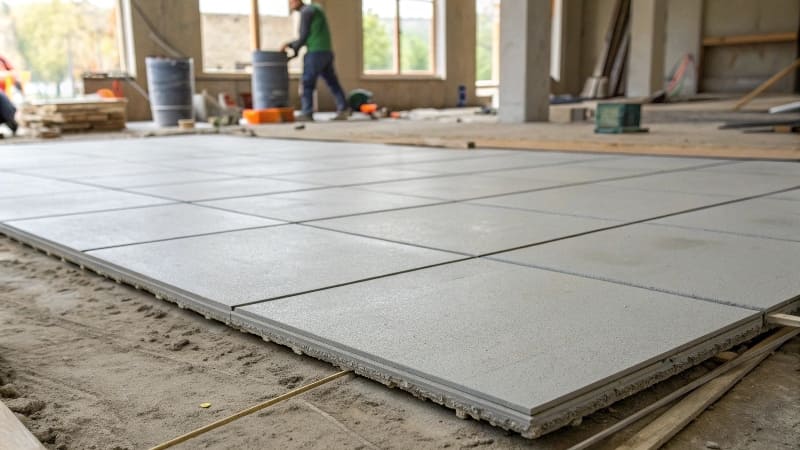
Fiber cement flooring vibrates and bounces significantly less than plywood due to higher density (1400-1600 kg/m³ versus 500-600 kg/m³), superior stiffness characteristics, and better damping properties, providing more solid feel similar to concrete floors while plywood exhibits springy behavior from wood fiber flexibility.
Higher density at 1400-1600 kg/m³ compared to plywood's 500-600 kg/m³ provides natural vibration damping through increased mass. Stiffness characteristics show higher modulus preventing deflection that causes bounce sensation. Damping properties absorb impact energy rather than transferring vibrations through floor system. Solid feel resembles concrete floors providing stable walking surface. Reduced resonance minimizes noise transmission and structural vibration in multi-story applications.
Material Properties Comparison
Physical properties affecting vibration and bounce characteristics.
| Property | Fiber Cement | Plywood | Impact on Vibration | Performance Advantage |
|---|---|---|---|---|
| Density | 1400-1600 kg/m³ | 500-600 kg/m³ | Major reduction | Fiber cement |
| Modulus of Elasticity | 8000-12000 MPa | 6000-9000 MPa | Moderate reduction | Fiber cement |
| Damping Ratio | 0.03-0.05 | 0.01-0.02 | Significant reduction | Fiber cement |
| Thickness Stability | Excellent | Variable | Minor improvement | Fiber cement |
| Moisture Response | Minimal | Significant | Moderate improvement | Fiber cement |
Higher density provides the greatest vibration reduction benefit.
Vibration Testing Results
Measured vibration response under standard walking loads.
| Load Condition | Fiber Cement Response | Plywood Response | Reduction Factor | User Perception |
|---|---|---|---|---|
| Normal Walking | 0.5-1.0 mm deflection | 1.5-3.0 mm deflection | 60-70% | Much more solid |
| Running/Jumping | 1.0-2.0 mm deflection | 3.0-6.0 mm deflection | 65-70% | Significantly less bounce |
| Heel Impact | 0.8-1.5 mm deflection | 2.0-4.0 mm deflection | 60-65% | Reduced noise/vibration |
| Furniture Movement | Minimal response | Moderate response | 70-80% | Less disturbance |
| Multiple Occupants | Low vibration | High vibration | 60-75% | More stable platform |
Normal walking loads show 60-70% reduction in deflection and vibration.
Support Spacing Impact
Effect of joist spacing on vibration characteristics for both materials.
| Joist Spacing | Fiber Cement Vibration | Plywood Vibration | Relative Performance | Recommended Use |
|---|---|---|---|---|
| 300mm | Minimal | Very low | Similar performance | Premium applications |
| 400mm | Low | Low-moderate | Fiber cement better | Standard applications |
| 500mm | Moderate | Moderate-high | Fiber cement superior | Economy applications |
| 600mm | Moderate-high | High | Fiber cement much better | Minimum acceptable |
| 800mm | High | Excessive | Fiber cement only option | Not recommended |
Fiber cement maintains better performance at wider joist spacings.
User Experience Factors
Subjective factors affecting occupant comfort and satisfaction.
| Experience Factor | Fiber Cement | Plywood | User Preference | Application Impact |
|---|---|---|---|---|
| Walking Comfort | Solid, stable | Springy feel | Strongly prefer fiber cement | High |
| Noise Generation | Low impact noise | Higher impact noise | Prefer fiber cement | Moderate |
| Vibration Transfer | Minimal | Moderate-high | Strongly prefer fiber cement | High |
| Perceived Quality | Premium feel | Standard feel | Prefer fiber cement | Moderate |
| Long-term Stability | Consistent | May develop squeaks | Prefer fiber cement | High |
Walking comfort and vibration transfer show strongest user preferences for fiber cement.
Conclusion
20mm fiber cement floor boards support 3-5 kN/m² distributed loads and 1.5-2.5 kN point loads when properly supported at 400-600mm centers with actual capacity depending on support spacing and load distribution. Fiber cement flooring can replace steel plates for light industrial mezzanines under 3-4 kN/m² offering fire resistance, corrosion immunity, and installation advantages though steel remains necessary for heavy industrial loads exceeding 5 kN/m². Ceramic tiles install directly on fiber cement floors using flexible tile adhesive, proper surface preparation, 400mm maximum support spacing, expansion joints every 3-4 meters, and waterproof membranes in wet areas. Fiber cement flooring vibrates and bounces significantly less than plywood due to higher density at 1400-1600 kg/m³, superior stiffness, and better damping properties providing concrete-like stability. Success with fiber cement flooring requires understanding that load capacity depends critically on support spacing rather than just board thickness, light industrial applications benefit from fire resistance and corrosion immunity advantages, tile installation requires flexible materials and proper support to prevent cracking, and higher density provides superior vibration control and user comfort compared to wood-based flooring systems, making fiber cement an excellent choice for applications requiring structural stability with reduced maintenance.
