




What is the lifespan of fiber cement board?
Many people hear claims that fiber cement boards can last 50 years. But is this true in real-world conditions?
Fiber cement boards last 30–40 years on average. In ideal conditions with proper installation and maintenance, they may last up to 50 years, but in harsh climates, it can drop to about 25 years.
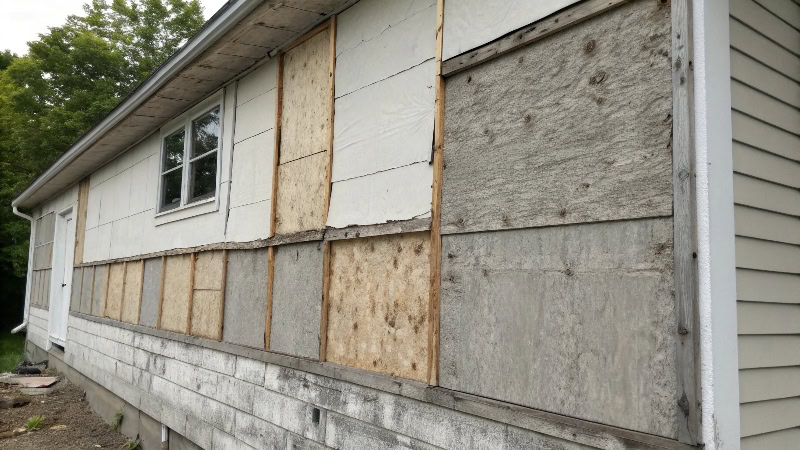
The actual lifespan depends on quality, installation, climate, and maintenance. Knowing these factors helps you set realistic expectations before making your choice.
How long does fiber cement last?
There is often a big gap between advertised and actual performance, and this material is no exception.
While manufacturers claim 50 years, most homes see 30–40 years of service life from fiber cement siding, depending on care and local weather conditions.
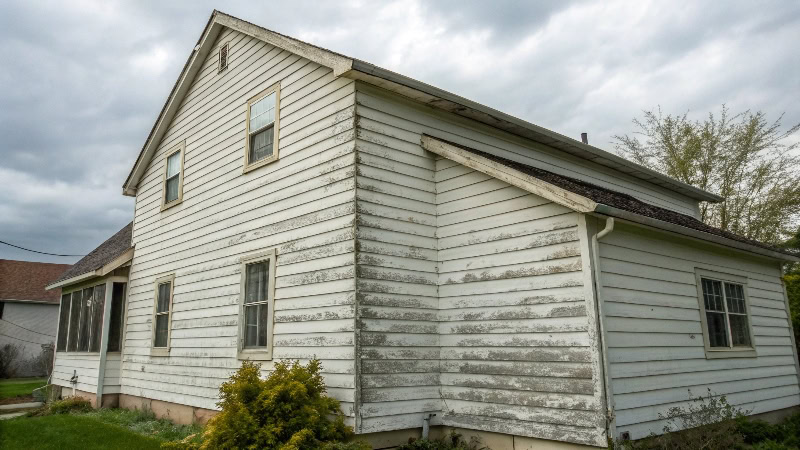
When I worked on a coastal housing project, we used premium fiber cement boards. Strong winds and salt air wore them faster than expected. Regular repainting kept them looking fresh, but after 28 years several panels needed replacing.
We can split the influencing factors into four main areas:
| Factor | Positive Impact | Negative Impact |
|---|---|---|
| Installation Quality | Reduces moisture ingress and cracking | Poor fit allows water penetration |
| Climate | Mild weather extends life | Extreme cold, heat, storms shorten life |
| Maintenance | Repainting every 5–7 years preserves durability | Neglected repainting leads to surface failure |
| Material Grade | Premium boards resist wear | Cheap boards degrade faster |
With care, you can approach the upper end of the lifespan range. Without it, you may face replacements far sooner.
What are the disadvantages of cement fibre board?
Even with a long lifespan, fiber cement boards have weaknesses that you should not overlook.
Fiber cement boards are heavy, brittle, costly to install, require repainting every 5–7 years, and may develop mold in poorly ventilated, damp conditions.
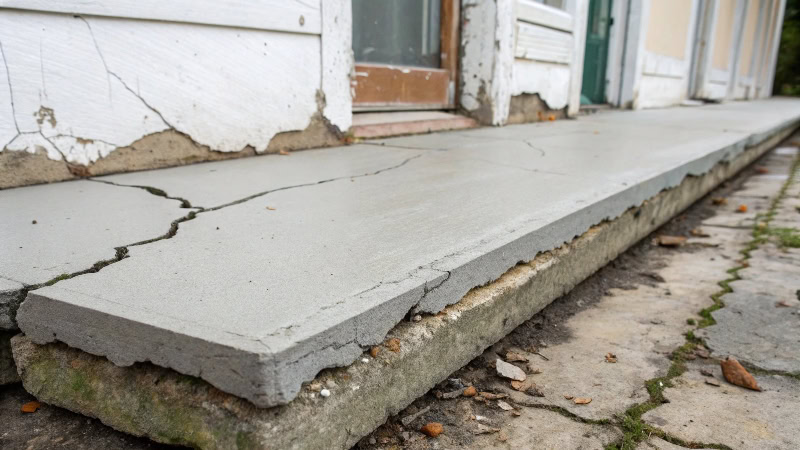
I still remember my first encounter with the brittleness issue. A single dropped panel on site cracked into two pieces before it was ever installed. That fragility means extra care is needed during transport and fitting.
Here’s a clear breakdown:
| Disadvantage | Impact Level | Notes |
|---|---|---|
| Brittleness | High | Can crack during handling or if struck |
| Heavy Weight | High | Needs more manpower and equipment to install |
| Maintenance Needs | Medium | Requires repainting for protection and appearance |
| Mold Risk | Medium | Can occur if moisture gets trapped behind the boards |
| High Installation Cost | Medium | Labor-intensive process increases total expense |
These downsides do not cancel the benefits, but they affect budget and planning.
How often should I replace fiber cement siding?
With proper upkeep, replacement is not something you will need to think about for decades.
Fiber cement siding does not have a fixed replacement time. Replace it when cracks, surface failure, or deformation cannot be repaired through repainting or patching.
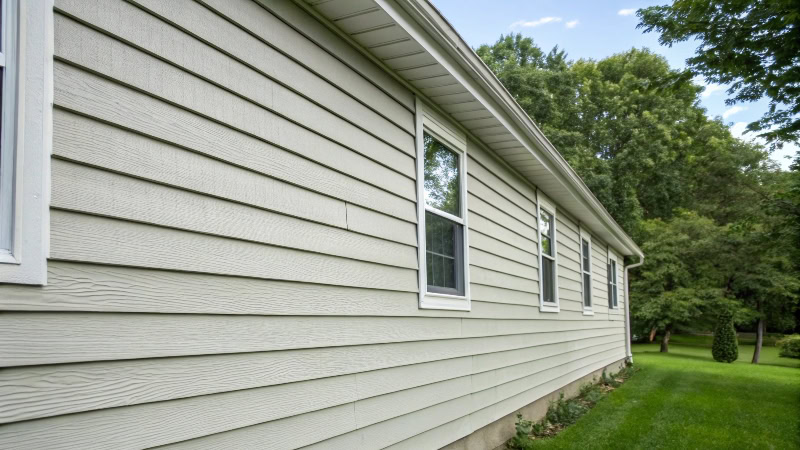
For most projects I’ve managed, a complete change hasn’t been needed within 30 years if installation was done right and maintenance kept up. Regular inspections every year reveal cracks and paint problems early, which prevents larger damage.
Here’s how I usually guide clients:
| Condition | Action Needed |
|---|---|
| Small cracks or chipped paint | Repaint and seal |
| Localized mildew or mold | Clean and treat, check ventilation |
| Large cracks or broken panels | Replace affected panels |
| Severe warping or rotting edges | Plan full replacement in affected area |
This symptom-based approach saves money and maximizes the usable life of the material.
Conclusion
Fiber cement boards can protect your home for 30–40 years if installed and maintained well. Choose quality, inspect regularly, and repair early to extend life.
TRUSUS — Bring beauty to every corner of the world
www.cementboardchina.com
By Nick Wang
