




What is the lifespan of calcium silicate board?
Marketing claims often promise extremely long service lives, but actual results are more modest.
In typical building environments, calcium silicate board lasts about 30–40 years. In high-humidity or industrial conditions, lifespan may shorten to around 20 years.
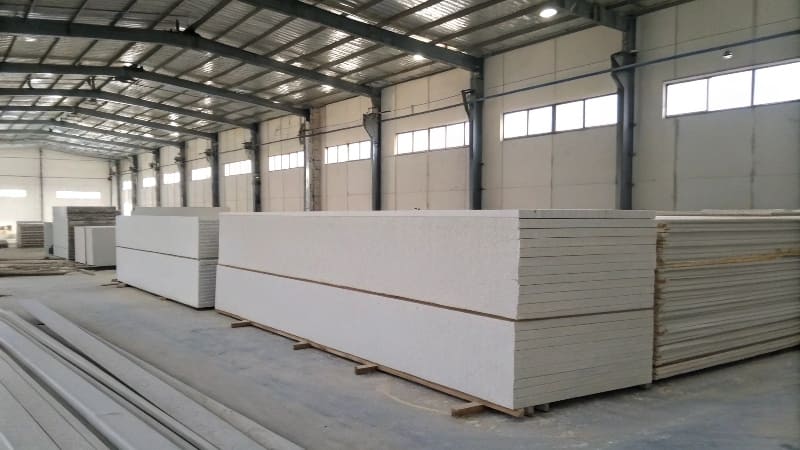
Understanding real-world lifespan avoids overestimating and helps plan material replacement cycles for different types of projects.
What is the shelf life of calcium silicate?
Unopened boards in storage are not permanent — they degrade over time.
Shelf life for unopened calcium silicate board is usually 2–3 years, after which strength loss and edge brittleness may occur.
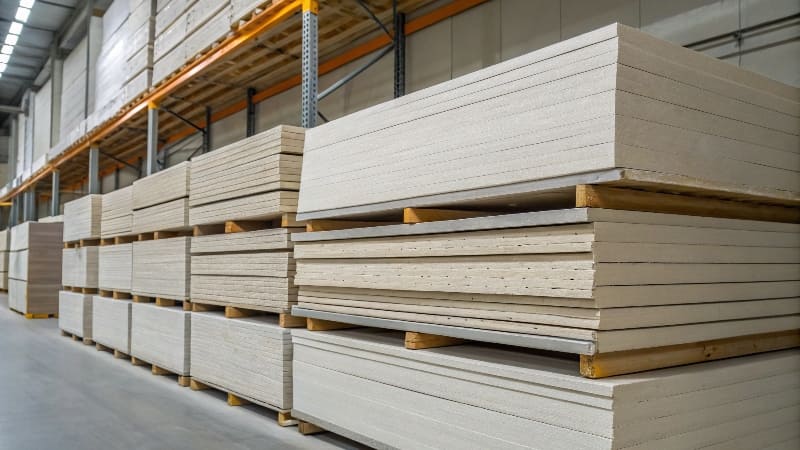
I investigated a case where expired stock was installed in a public building. Within months, cracks appeared along edges, requiring costly repairs.
Common storage life factors:
| Storage Condition | Shelf Life Estimate | Impact of Poor Storage |
|---|---|---|
| Dry, indoor, covered | 2–3 years | Minimal degradation if kept sealed |
| High humidity storage | <2 years | Increased brittleness and reduced strength |
| Outdoor, uncovered | 1 year or less | Rapid damage from moisture and temperature |
Always check manufacture date before buying in bulk for future use.
What are the disadvantages of calcium silicate board?
No material is perfect. Even high-performance boards have trade-offs.
Calcium silicate board is costly, heavy, hard to cut, and can crack under building movement. Poor-quality products degrade faster.
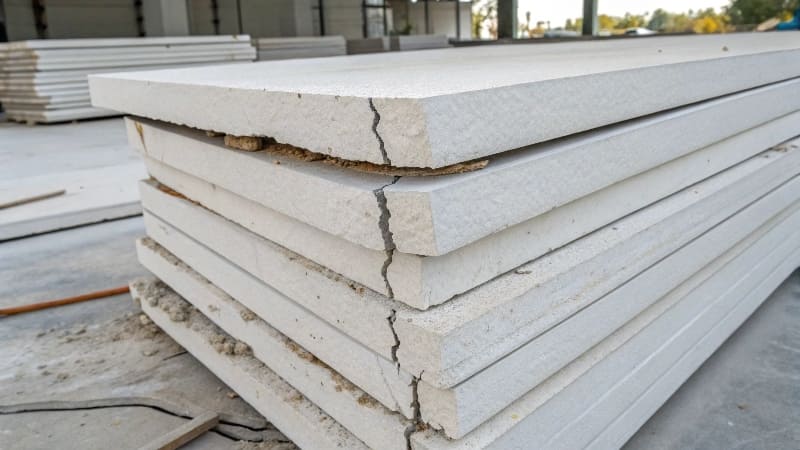
On one project, extra installation time and extra support framing increased labor costs by nearly 25%. These should be planned into budgets.
Key disadvantages:
| Disadvantage | Cost Impact | Note |
|---|---|---|
| High initial price | High | 40–60% more than gypsum board |
| Heavy weight | Medium | Needs stronger support structures |
| Complex installation | Medium | Needs specialized tools and trained workers |
| Low flexibility | Medium | Can crack during slight structural shifts |
Knowing these helps set realistic expectations in project planning.
Is calcium silicate board waterproof?
It resists moisture better than many boards, but it is not truly waterproof.
Calcium silicate board is moisture-resistant, not fully waterproof. Long-term exposure to water weakens strength and can cause mold.
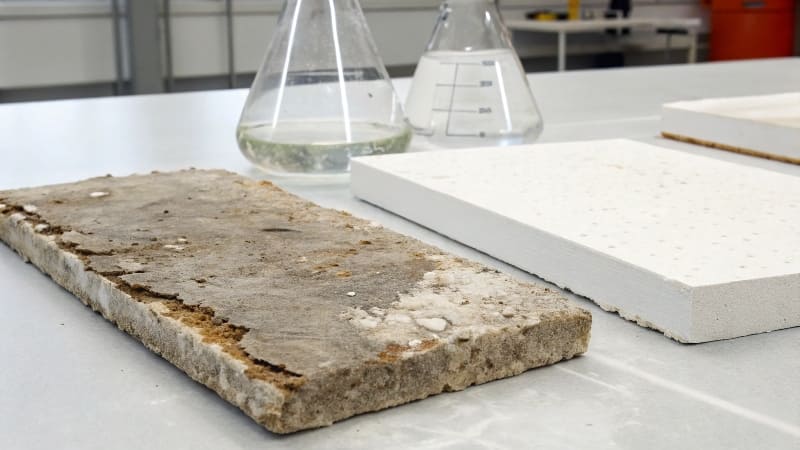
In my tests, strength dropped by up to 25% in prolonged high-humidity conditions. For bathrooms and kitchens, always add a proper waterproof layer.
Moisture performance summary:
| Exposure Type | Board Response | Recommendation |
|---|---|---|
| Occasional splashes | No structural damage | Safe without special coating |
| Constant humidity >85% | Gradual strength loss | Apply waterproof coating |
| Full water submersion | Severe integrity loss, mold | Avoid exposure; use proper waterproofing |
Matching the board’s limits with correct installation methods keeps performance reliable.
Conclusion
Calcium silicate board lasts decades in the right conditions, but is not immortal or fully waterproof. Understand its real limits before choosing it.
TRUSUS — Bring beauty to every corner of the world
www.cementboardchina.com
By Nick Wang
