



What Is the Life Expectancy of Cement Board?
Builders often ask how long cement board remains reliable before replacement. Its lifespan depends on composition, installation, and environmental management—not just time or visible cracks on the surface.
Cement board can last 40 to 50 years or longer under proper installation and maintenance. The board’s durability comes from its cement and fiber composite design, offering resistance to moisture, fire, and impact when integrated correctly into building systems.
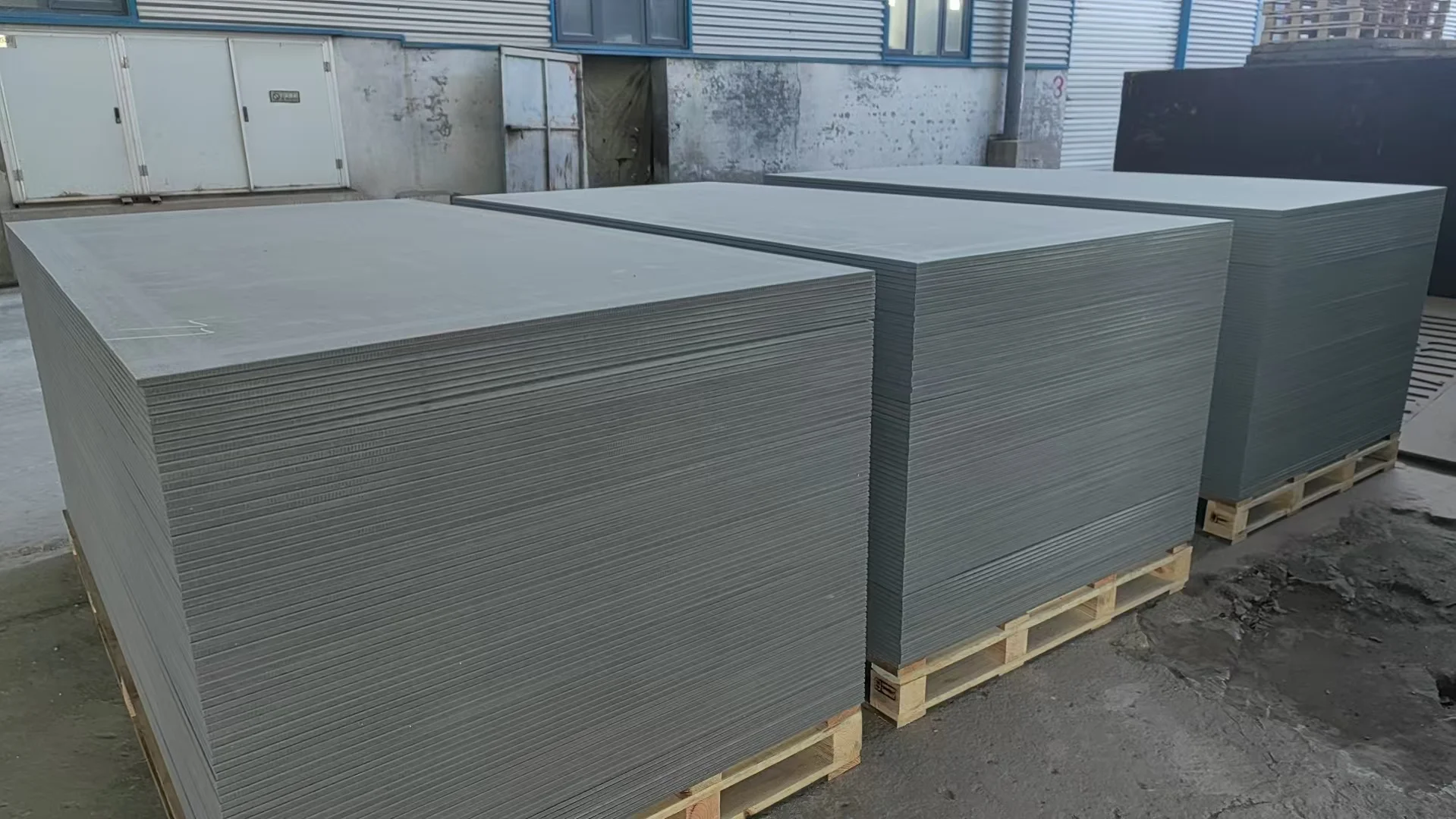
From decades manufacturing and testing cement boards, I found longevity rests on correct installation techniques—proper sealing, joint treatment, and ventilation define whether a board stays intact for decades or fails within years.
What Would Cause a cement Board to Crack?
Many homeowners notice cracks and assume poor material quality, yet most damage originates from structural or installation factors that stress board joints beyond design limits.
Hardie board, or fiber cement siding, cracks mainly due to improper fastening, structural movement, thermal expansion, impact, or water infiltration compromising board flexibility and bond integrity with framing substrate.
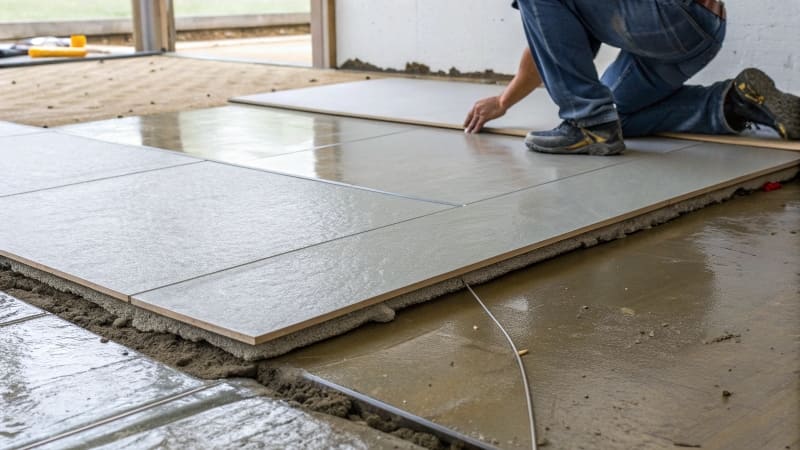
Causes Behind Fiber Cement Cracking
Fiber cement boards—including Hardie boards—combine cement, sand, and cellulose fibers. Though strong, they rely on balanced stress distribution. Over years inspecting cracked installations, I’ve learned mechanical misalignment and environmental stress trigger most failures.
Improper Fastening creates concentrated stress at screw points. When triggered by frame movement, cracks follow board edges.
Thermal Expansion occurs under fluctuating temperature, especially without proper expansion gaps. Cement boards expand and contract slightly; confined sections lead to surface tension fractures.
Water Infiltration weakens area near cut edges or joints, allowing internal pressure during freeze-thaw cycles, causing splitting.
Structural Movement from foundation shifts or wind load accumulates load at panel junctions, encouraging crack lines along weak bonds.
Installation Without Joint Treatment leaves boards unsealed. Over time, water and dust intrusion generate micro-cracks beneath paint coatings, revealing deeper structural weakening.
| Cause | Description | Preventive Action |
|---|---|---|
| Fastener Stress | Screws too tight or misaligned | Maintain spacing and torque |
| Thermal Shifting | Expansion without gap | Add proper joint clearance |
| Water Damage | Soaked board edges | Seal and paint cuts |
| Impact Force | Physical hit or vibration | Reinforce surface protection |
| Foundation Movement | Structural shift | Monitor and adjust framing |
How Do You Stop Cement From Cracking?
Cracks in cement board or actual cement structures come from shrinkage, stress variation, and improper curing. The goal isn’t total prevention but control and durability maintenance.
To stop cement from cracking, apply sound installation practices: use fiber reinforcement, control moisture during curing, maintain expansion joints, and ensure thermal and structural balance across panels.
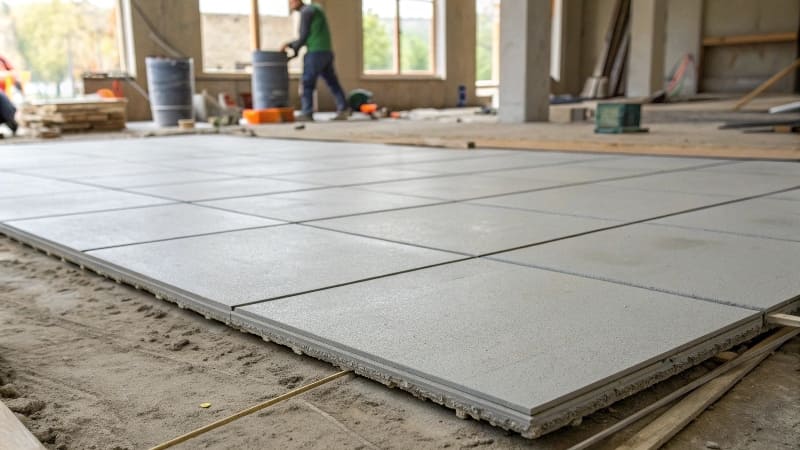
Practical Methods to Reduce Cracking
I’ve learned over many construction projects that crack prevention involves stabilization rather than complete elimination. Cement inherently shrinks as water evaporates; managing this process prevents uncontrolled fracturing.
Fiber Reinforcement introduces flexibility through micro-synthetic or cellulose fibers absorbing stress across curing stages.
Moisture Control during curing maintains gradual water evaporation, reducing internal tensile stress that forms random cracks.
Expansion Joints enable movement absorption. Placed strategically, they prevent buildup of compressive pressure between panels.
Substrate Strength matters. Weak or uneven framing transmits shear stress upward causing visible fracture lines across cement board joints.
Surface Sealing keeps consistent moisture protection, preventing repeated wet-dry cycles responsible for surface delamination and long-term weakening.
| Technique | Description | Benefit |
|---|---|---|
| Fiber Reinforcement | Distributes internal stress | Stronger flexibility |
| Controlled Curing | Maintain hydration | Reduced shrinkage cracks |
| Expansion Jointing | Allows structural movement | Prevents edge splitting |
| Moisture Sealing | Prevents water absorption | Prolongs durability |
| Stress Balancing | Proper framing alignment | Uniform load transfer |
These practices protect both cement boards and cement substrates, ensuring the material absorbs movement yet retains strength throughout its lifecycle.
How Do You Repair Cracked Cement Board?
Once cracking appears, the instinct is to replace the whole sheet. However, proper repair techniques restore structural integrity when damage is minor and localized.
Repairing cracked cement board involves cleaning the damaged area, applying flexible joint compound or epoxy filler, reinforcing fibers or mesh, sanding smooth, and resealing with waterproof coating to maintain durability.
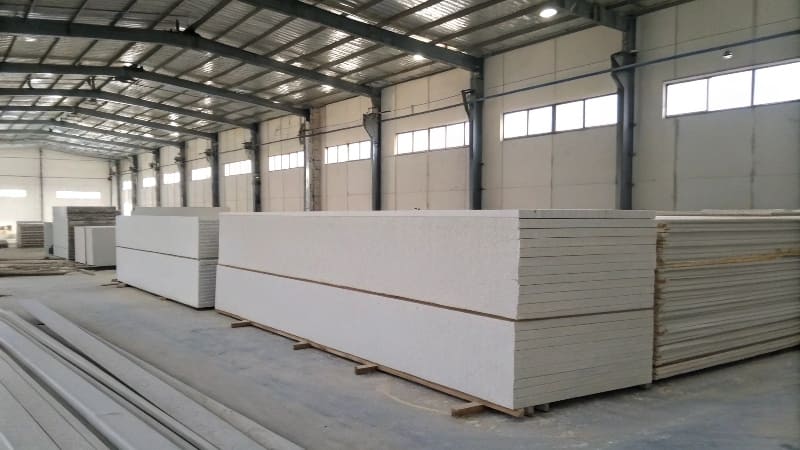
Step-by-Step Cement Board Restoration
I have repaired countless cracked panels across wall and floor systems. Successful repair focuses on restoring load transfer continuity and preventing further moisture intrusion rather than cosmetic patches.
1. Assess Crack Width: Hairline cracks indicate surface stress; wide cracks often reflect deeper structural movement. Only stable base conditions qualify for repair.
2. Clean and Dry Area: Remove any loose material, dust, or mold before applying filler. Surface must remain dry to ensure proper chemical adhesion.
3. Apply Flexible Compound: Use cement-based filler or polymer-modified patch for small cracks, ensuring slight elasticity compatible with board expansion.
4. Reinforce with Mesh Tape: Place mesh tape across wider cracks for strength, combining patch compound to merge with board substrate.
5. Sand and Seal: After curing, smooth surface then seal with waterproof coating or exterior-grade paint preventing future water intrusion.
6. Monitor Structure: If cracks reappear, inspect framing movement or moisture infiltration—repair symptoms mean structural redesign may be needed.
| Step | Action | Key Purpose |
|---|---|---|
| Assess Damage | Identify depth and cause | Choose correct method |
| Cleaning | Prepare surface | Ensure adhesion |
| Patch Application | Fill with flexible compound | Restore integrity |
| Reinforce | Mesh integration | Strengthen joint |
| Finish and Seal | Smooth and coat | Protect from water |
| Inspection | Monitor recurrence | Prevent future failure |
Even after repair, routine inspection ensures cracks don’t evolve into larger problems. When repaired correctly, cement boards can serve additional decades—transforming repair from damage control into sustainable maintenance.
Conclusion
Cement board life expectancy reaches 40–50 years with proper installation and care. Cracks occur mainly from fastening stress, water infiltration, or structural movement. Prevent cracking through fiber reinforcement, moisture control, and expansion joints. When cracks appear, repair using flexible fillers, mesh reinforcement, and sealing—turning maintenance into long-term structural trust that extends the board’s functional lifecycle across decades of building performance.