




What Is the Difference Between Cement and Fibre Cement?
Cement boards and fibre cement boards differ in composition, strength, and flexibility. Cement boards are dense and brittle, while fibre cement boards combine cement with fibres for improved tensile strength and design versatility.
TRUSUS insight: fiber makes cement smarter and more adaptable.
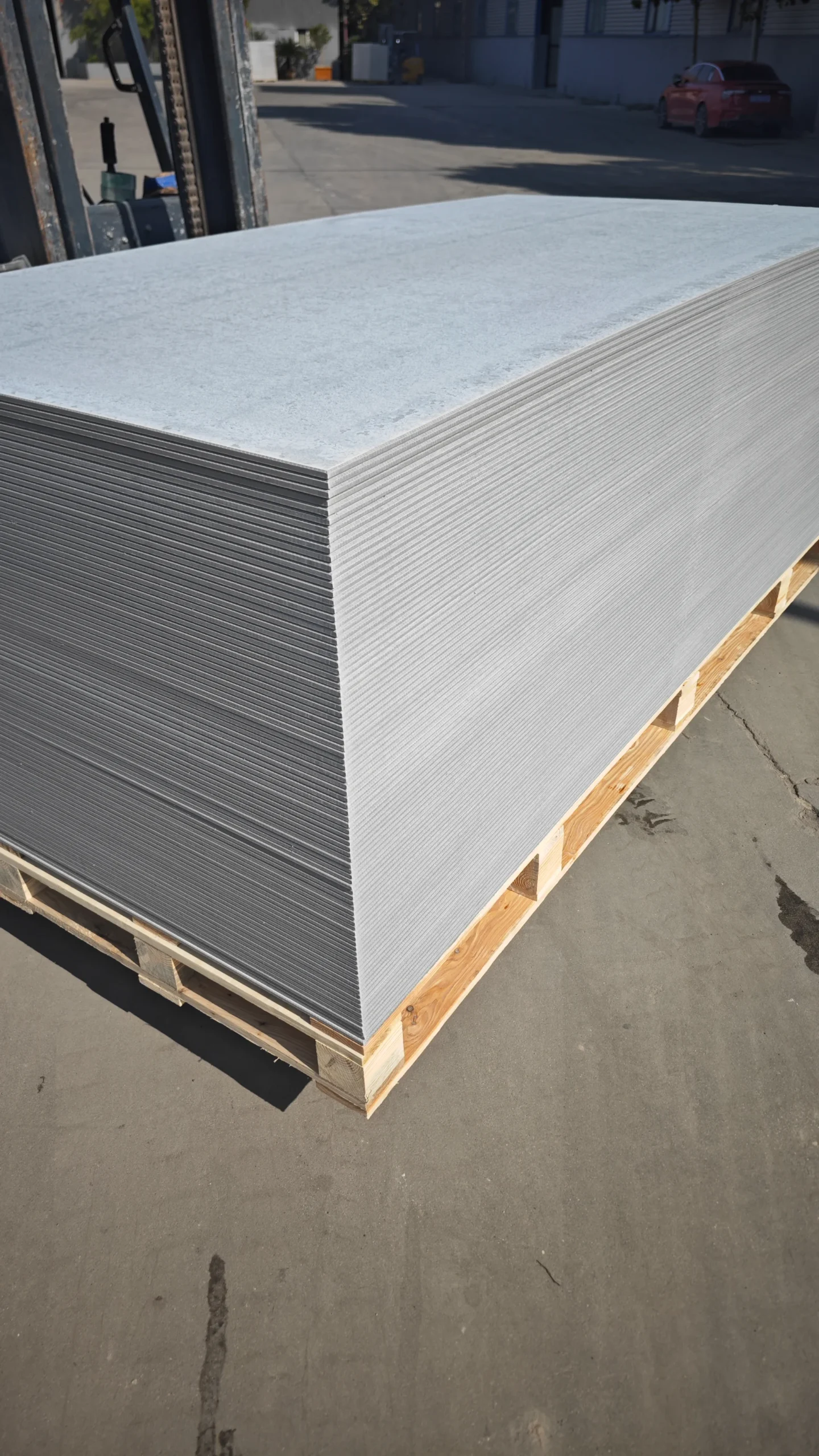
Fibre cement is built from Portland cement, fillers, and strong cellulose or synthetic fibers, giving the board both rigidity and flexibility. Cement board is solid but heavy, suitable mainly for tiling substrates. Fibre cement, lighter and stable, performs in facades, interiors, and decorative systems where durability meets design.
Does Fiber Cement Come in Different Colors?
Yes. Fibre cement comes in a wide range of colors and surface finishes, from natural cement gray to whites, browns, and even textures that mimic wood or stone.
design insight: color turns cement from structure into expression.
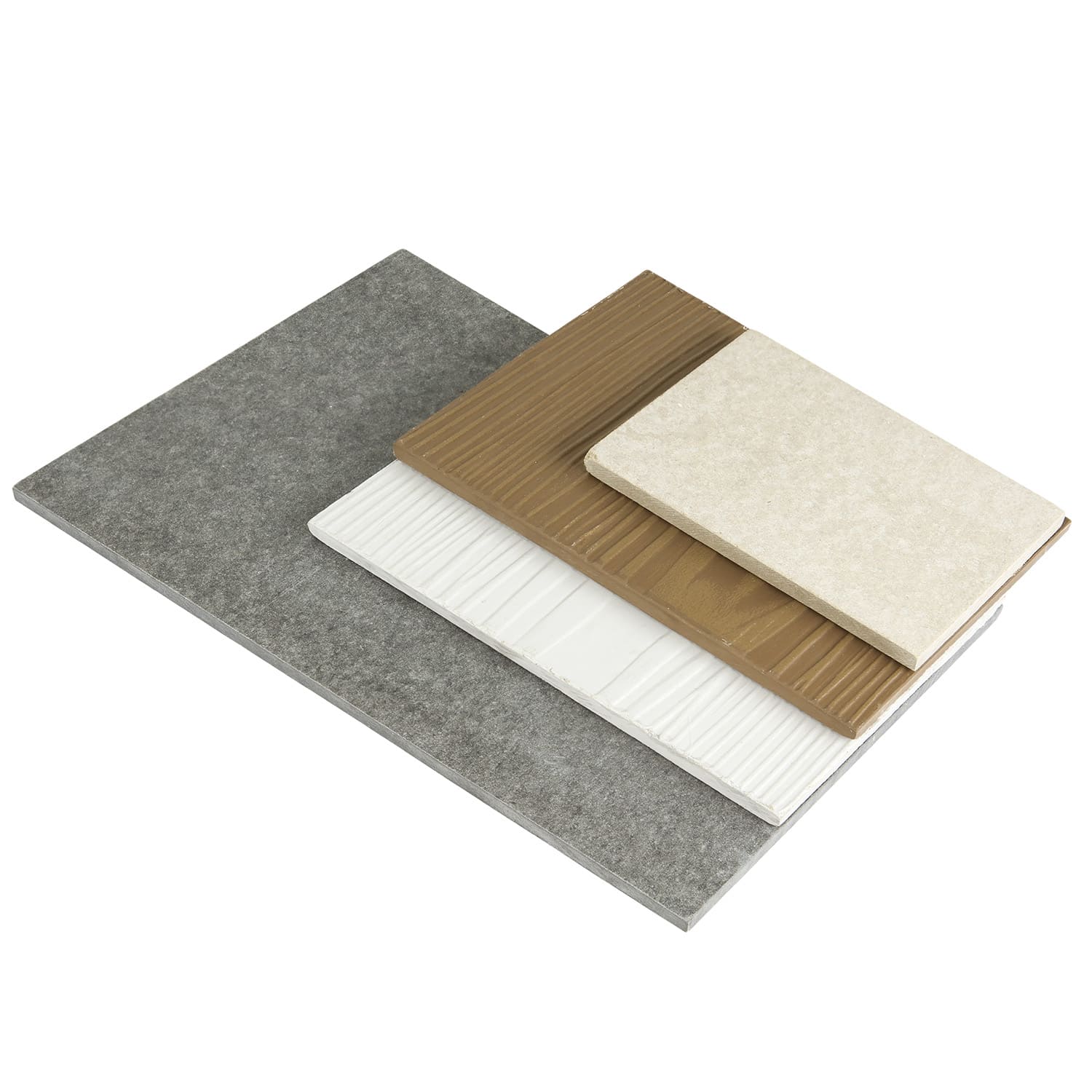
Color Options Overview
| Process | Type of Finish | Resulting Tone | Typical Use |
|---|---|---|---|
| Natural | Unpainted cement | Grayish tone | Base or industrial finish |
| Painted | External acrylic coating | Custom colors | Facade cladding |
| Through-color | Pigment integrated in mixture | Uniform color | Long-lasting architectural use |
| Textured | Embossed or patterned surface | Imitates wood or stone | Decorative panel systems |
Modern fibre cement allows customization without losing its structural integrity. Surface coating and pigments ensure longevity even in outdoor environments.
What Does Old Cement Board Look Like?
Old cement boards are usually rough, faded gray, and often show cracks or edge wear. They lack fibers, so they become brittle and uneven with age or humidity stress.
material insight: old boards tell stories of construction evolution.
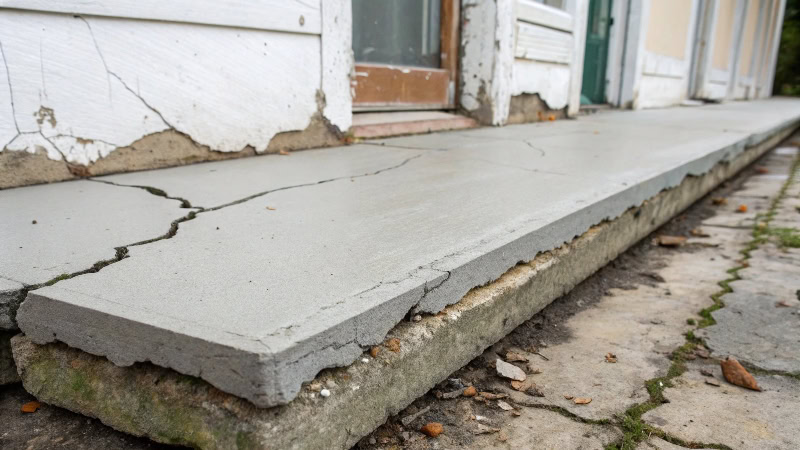
Visual Characteristics of Old Boards
| Feature | Typical Appearance | Reason |
|---|---|---|
| Surface | Uneven, grainy | Natural curing and aging |
| Color | Dark or patchy gray | Moisture and dust absorption |
| Structural edges | Cracking or crumbling | Lack of reinforcement |
| Weight | Very heavy | Dense solid cement base |
These visible signs define the transition from traditional cement to modern composite boards—a shift from rigidity to performance balance.
Are Grey and Cement Color the Same?
Not exactly. “Grey” describes a color tone, while “cement color” refers to the material’s natural shade, often blending grey with beige or mineral undertones depending on curing and composition.
perception insight: grey is pigment; cement color is process.
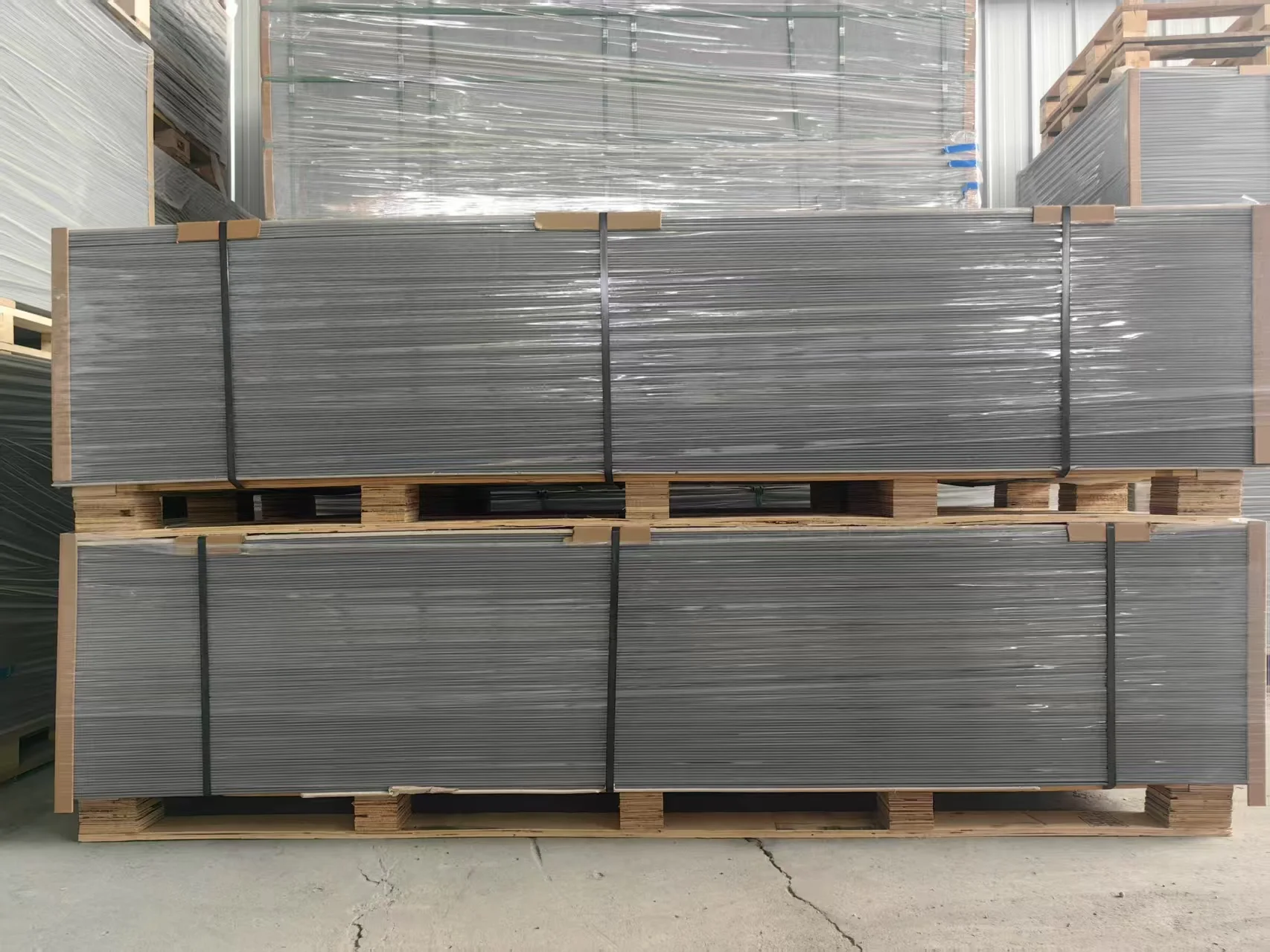
Color Distinction Chart
| Term | Definition | Common Use | Visual Result |
|---|---|---|---|
| Grey | Neutral tone defined by color scale | Paints, digital design | Cool or soft appearance |
| Cement Color | Actual cured cement tone | Construction boards, tiles | Varied mineral hue |
| Aesthetic Difference | Cement color is organic and textured | – | Reflects substance, not pigment |
Understanding this distinction helps designers balance visual and practical aspects—choosing colors that integrate physics, chemistry, and aesthetic harmony.
Conclusion
Fibre cement redefines cement’s identity by adding flexibility, beauty, and sustainability. At TRUSUS, I view it as more than a board—it is a synthesis of strength and design logic, linking structural science with creative architecture. Cement may build; fibre cement inspires.
