




What is the Correct Screw Spacing for External Cement Board to Prevent Sagging?
The correct screw spacing for external cement board to prevent sagging is 200mm on-center for standard applications, 150mm for high-wind coastal areas, with edge spacing of 15mm minimum from board edges, using corrosion-resistant screws with 8mm minimum embedment into structural framing, and maintaining consistent fastener pattern across all support points.
200mm spacing provides structural stability for standard residential applications in normal wind conditions. 150mm spacing required for high-wind coastal areas and commercial applications with enhanced load requirements. Edge spacing of 15mm minimum prevents edge cracking and maintains structural integrity. Corrosion-resistant screws with 8mm embedment ensure long-term holding power in tropical conditions. Consistent patterns across all supports distribute loads evenly preventing sagging and deflection.
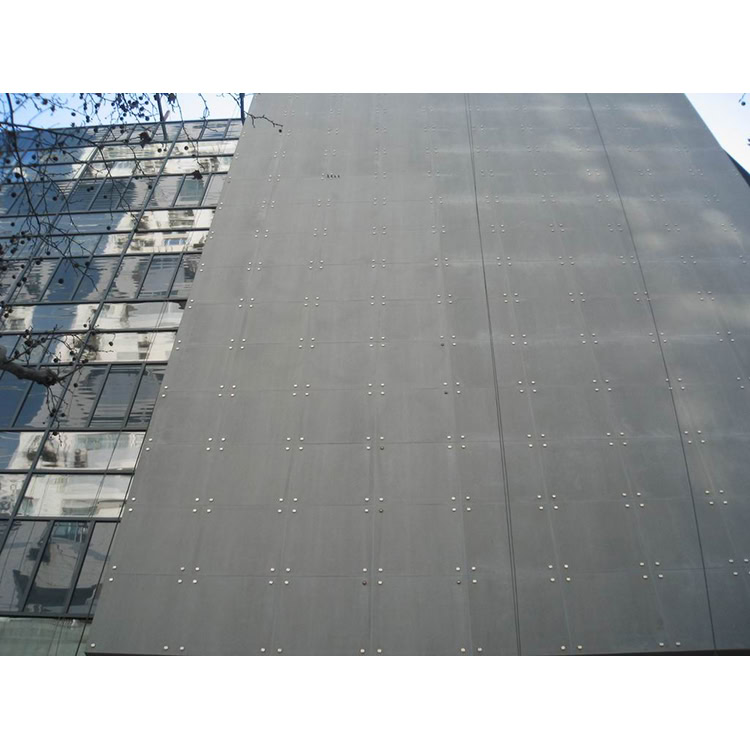
From my extensive experience with cement board installations in coastal environments, I've found that proper fastener spacing is the single most critical factor determining long-term performance and preventing costly repairs.
How Does a Cement Board Exterior Improve Fire Resistance for Coastal Homes?
Cement board exterior improves fire resistance for coastal homes by providing Class A non-combustible rating with zero flame spread, creating fire-resistant barrier preventing ignition from external sources, maintaining structural integrity at temperatures up to 1000°C, eliminating toxic smoke emission during fire exposure, and meeting strict building codes for fire-rated construction assemblies.
Class A rating provides highest fire resistance with zero flame spread and smoke development. Fire-resistant barrier prevents external ignition from wildfire or neighboring structures. Structural integrity maintained at temperatures up to 1000°C without failure or collapse. Non-toxic properties eliminate smoke emission protecting occupant safety. Code compliance meets strict requirements for fire-rated assemblies in high-risk areas.
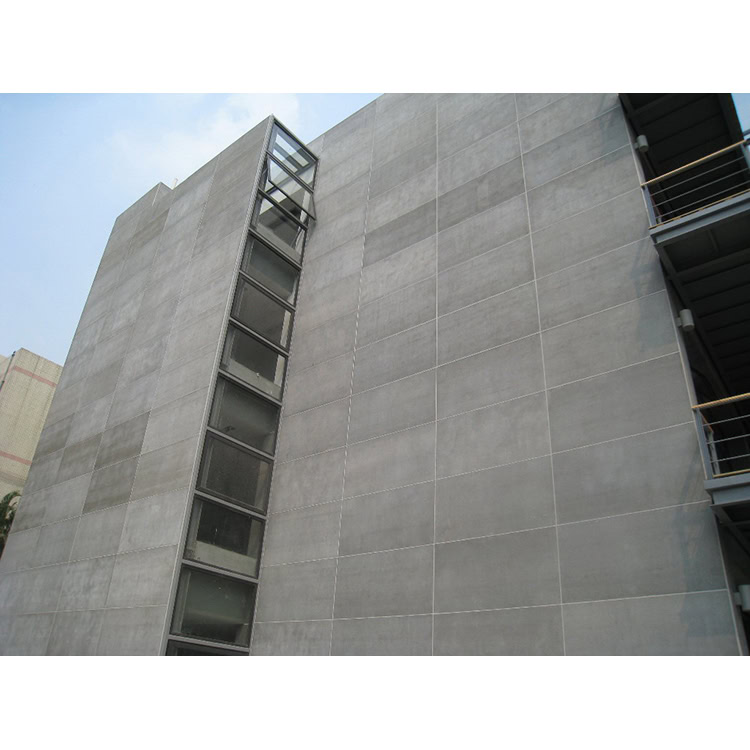
Fire Performance Specifications
Comprehensive fire resistance specifications for cement board exterior systems.
| Fire Performance Metric | TRUSUS Cement Board | Wood Siding | Vinyl Siding | Fiber Cement Composite |
|---|---|---|---|---|
| Fire Rating | Class A (0/0) | Class C (76-200) | Not rated | Class A (0-25) |
| Flame Spread Index | 0 | 76-200 | >200 | 0-25 |
| Smoke Development | 0 | 76-200 | >450 | 0-50 |
| Ignition Temperature | Non-combustible | 250-300°C | 160-180°C | Non-combustible |
| Fire Endurance | 2+ hours | 15-30 minutes | 5-10 minutes | 1-2 hours |
Superior performance provides maximum fire protection for coastal homes.
Fire Code Compliance Benefits
Building code advantages achieved through cement board exterior installation.
| Code Requirement | Standard Compliance | TRUSUS Advantage | Regulatory Benefit | Insurance Impact |
|---|---|---|---|---|
| Fire Separation | Reduced distances | Non-combustible rating | Closer construction | Lower premiums |
| Wildfire Zones | Defensible space | Ignition resistance | Extended protection | Risk reduction |
| Multi-Family | Fire ratings required | Exceeds standards | Simplified approval | Faster permits |
| Commercial Code | Stricter requirements | Full compliance | Design flexibility | Cost optimization |
| Retrofit Projects | Upgrade standards | Performance improvement | Code modernization | Value enhancement |
Code compliance simplifies approval processes and reduces costs.
Fire Barrier System Integration
Integration with other fire-resistant building components for complete protection.
| System Component | Material Selection | Fire Rating | Integration Method | Protection Level |
|---|---|---|---|---|
| Wall Assembly | Cement board + insulation | 2-hour rating | Continuous barrier | Structural protection |
| Roof Interface | Fire-stop sealants | Maintained rating | Sealed connections | Vertical fire spread prevention |
| Window/Door | Fire-rated frames | 1+ hour rating | Proper detailing | Opening protection |
| Penetrations | Intumescent seals | Rating maintenance | Fire-stop systems | Breach prevention |
| Foundation | Non-combustible base | Continuous protection | Proper attachment | Ground-level barrier |
Integrated systems provide comprehensive fire protection.
Can I Use Construction Adhesive to Reinforce Cement Board on Uneven Wood?
Yes, you can use construction adhesive to reinforce cement board on uneven wood using approved polyurethane or hybrid polymer adhesives that accommodate surface irregularities up to 6mm, provide structural bonding strength, maintain flexibility for thermal movement, resist moisture penetration, and complement mechanical fasteners for enhanced attachment.
Polyurethane adhesives accommodate surface irregularities up to 6mm while maintaining structural bonding strength. Hybrid polymers provide excellent adhesion to both cement board and wood substrates. Flexible properties allow thermal movement without bond failure. Moisture resistance prevents adhesive degradation in humid conditions. Mechanical reinforcement with screws provides redundant attachment for maximum security.
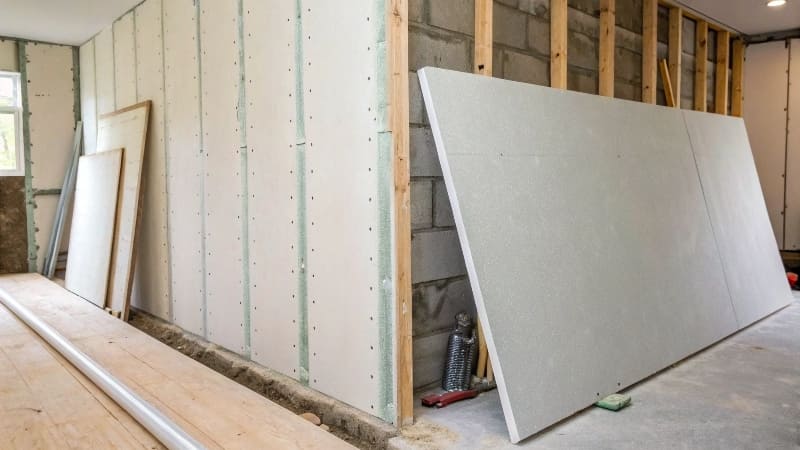
Approved Adhesive Systems
Adhesive specifications for cement board installation on irregular wood substrates.
| Adhesive Type | Gap-Filling Capacity | Bond Strength | Flexibility Rating | Moisture Resistance |
|---|---|---|---|---|
| Polyurethane | 3-6mm | 2.5-3.5 MPa | Excellent | Superior |
| Hybrid Polymer | 2-5mm | 3.0-4.0 MPa | Very Good | Excellent |
| Modified Silicone | 1-4mm | 2.0-3.0 MPa | Outstanding | Good |
| Epoxy Adhesive | 1-3mm | 4.0-6.0 MPa | Limited | Excellent |
| Construction PL | 2-4mm | 2.8-3.8 MPa | Good | Very Good |
Polyurethane systems provide optimal performance for uneven substrates.
Installation Technique for Uneven Surfaces
Step-by-step installation process for cement board over irregular wood substrates.
| Installation Step | Procedure | Quality Control | Performance Impact | Critical Success Factor |
|---|---|---|---|---|
| Surface Assessment | Measure irregularities | Document high/low points | Installation planning | Accurate measurement |
| Substrate Preparation | Clean and prime wood | Remove debris/coatings | Adhesive performance | Complete preparation |
| Adhesive Application | Continuous bead pattern | Consistent coverage | Bond strength | Proper application |
| Board Placement | Immediate positioning | Check alignment | System performance | Accurate placement |
| Mechanical Fastening | Screw installation | Verify penetration | Redundant attachment | Proper fastener selection |
Systematic approach ensures reliable installation on uneven surfaces.
Performance Considerations
Performance factors when using adhesive reinforcement on uneven wood substrates.
| Performance Factor | Standard Installation | Adhesive-Enhanced | Improvement Factor | Long-Term Benefit |
|---|---|---|---|---|
| Bond Strength | Mechanical only | Mechanical + adhesive | 40-60% increase | Enhanced durability |
| Weather Sealing | Fastener penetration | Continuous seal | Complete barrier | Moisture protection |
| Load Distribution | Point loads | Area loads | Stress reduction | Reduced fastener stress |
| Thermal Movement | Rigid connection | Flexible connection | Movement accommodation | Reduced cracking |
| Installation Speed | Standard pace | Reduced shimming | 20-30% faster | Cost efficiency |
Adhesive enhancement significantly improves overall performance.
Which Sealant is Best for Expansion Joints in Fiber Cement Siding?
The best sealant for expansion joints in fiber cement siding is neutral-cure silicone or polyurethane sealant with 50%+ movement capability, UV resistance for 15+ years, excellent adhesion to cement substrates, weather-resistant properties, and paintability for aesthetic integration, specifically TRUSUS-recommended marine-grade formulations for coastal applications.
Neutral-cure silicone provides 50%+ movement capability accommodating thermal expansion without adhesive failure. UV resistance for 15+ years prevents degradation and discoloration in intense sunlight. Excellent adhesion to cement substrates ensures long-term bond integrity. Weather resistance maintains flexibility through temperature extremes and moisture cycles. Paintable formulations allow aesthetic integration with siding color schemes.
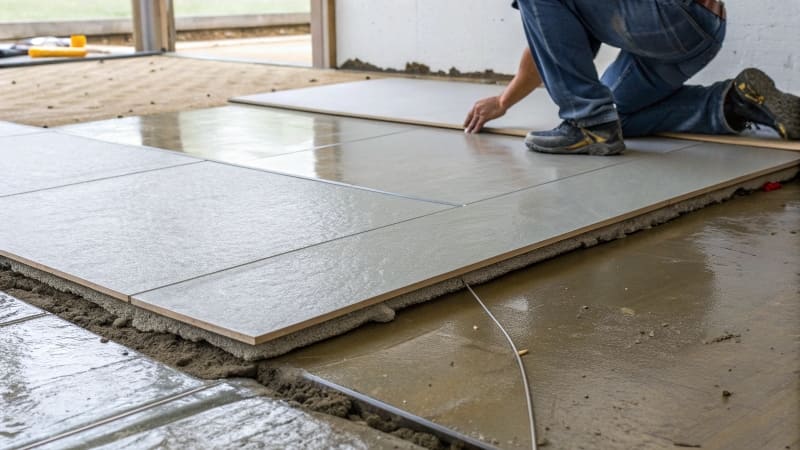
Sealant Performance Specifications
Comparative performance analysis of sealants for fiber cement expansion joints.
| Sealant Type | Movement Capability | UV Resistance | Adhesion Rating | Service Life | Cost Factor |
|---|---|---|---|---|---|
| Neutral Silicone | ±50% | 15+ years | Excellent | 20+ years | Premium |
| Polyurethane | ±25% | 10+ years | Superior | 15+ years | Moderate |
| Acrylic Latex | ±12.5% | 5+ years | Good | 8+ years | Economy |
| Butyl Rubber | ±20% | 8+ years | Very Good | 12+ years | Low |
| Polysulfide | ±25% | 12+ years | Excellent | 18+ years | High |
Neutral silicone provides optimal performance for coastal applications.
Installation Best Practices
Best practice procedures for sealant application in expansion joints.
| Installation Phase | Procedure | Quality Standard | Performance Impact | Maintenance Benefit |
|---|---|---|---|---|
| Joint Preparation | Clean and prime | Contaminant-free surface | Maximum adhesion | Extended service life |
| Backer Rod | Proper sizing | 25% compression | Optimal sealant shape | Prevents adhesive failure |
| Sealant Application | Continuous bead | No air entrapment | Weather seal integrity | Reduced maintenance |
| Tooling Finish | Smooth profile | Proper geometry | Water shedding | Aesthetic quality |
| Curing Protection | Weather protection | Undisturbed cure | Full performance | Long-term reliability |
Proper installation critical for maximum sealant performance.
Climate Considerations for Coastal Applications
Special considerations for sealant selection in tropical coastal environments.
| Environmental Factor | Impact on Sealant | TRUSUS Recommendation | Protection Strategy | Performance Benefit |
|---|---|---|---|---|
| UV Exposure | Degradation risk | UV-stable formulation | Stabilized polymers | Color stability |
| Salt Air | Corrosion potential | Marine-grade sealant | Corrosion inhibitors | Extended life |
| Humidity Cycling | Adhesion stress | Flexible systems | High-movement capability | Prevents failure |
| Temperature Range | Thermal stress | Wide-range performance | Stable polymers | Consistent performance |
| Wind-Driven Rain | Water penetration | Superior adhesion | Primer systems | Weather protection |
Marine-grade formulations essential for coastal performance.
Economic Analysis of Sealant Options
Cost-performance analysis for different sealant systems over 20-year service life.
| Sealant System | Initial Cost | Maintenance Cost | Replacement Cycle | 20-Year Total | Performance Rating |
|---|---|---|---|---|---|
| Premium Silicone | $8-12/linear meter | Minimal | 20+ years | $8-12/meter | Excellent |
| Standard Polyurethane | $5-8/linear meter | Moderate | 15 years | $12-18/meter | Very Good |
| Acrylic Latex | $3-5/linear meter | High | 8 years | $15-25/meter | Fair |
| Economy Options | $2-3/linear meter | Very High | 5 years | $20-35/meter | Poor |
| Marine Silicone | $10-15/linear meter | None | 25+ years | $10-15/meter | Superior |
Premium systems provide best long-term value in coastal environments.
Quality Control and Inspection
Quality control procedures ensuring optimal sealant installation and performance.
| Inspection Point | Evaluation Criteria | Acceptance Standard | Corrective Action | Performance Impact |
|---|---|---|---|---|
| Surface Prep | Cleanliness/dryness | Visual inspection | Re-clean if needed | Adhesion quality |
| Backer Rod | Size/compression | 25% compression | Resize if incorrect | Sealant profile |
| Application | Continuity/thickness | No gaps/voids | Re-apply sections | Weather seal |
| Tooling | Profile/finish | Smooth concave | Re-tool if needed | Water management |
| Curing | Time/conditions | Manufacturer specs | Protect during cure | Full performance |
Rigorous inspection ensures optimal sealant performance.
Conclusion
Correct screw spacing for external cement board is 200mm on-center for standard applications, 150mm for high-wind coastal areas, with 15mm minimum edge spacing using corrosion-resistant screws with 8mm embedment. Cement board exterior improves fire resistance through Class A non-combustible rating with zero flame spread, fire-resistant barrier preventing external ignition, structural integrity at 1000°C, and code compliance for fire-rated assemblies. Construction adhesive can reinforce cement board on uneven wood using polyurethane or hybrid polymers accommodating 6mm irregularities while maintaining flexibility and moisture resistance. Best sealant for expansion joints is neutral-cure silicone with 50%+ movement capability, 15+ year UV resistance, excellent adhesion, and marine-grade formulation for coastal applications.
