



What Is the Best Underlayment for Cement Board Floors?
The best underlayment for cement board floors is one that creates a stable, moisture-protected, and reinforced layer between the subfloor and the final finish. It is not a single material, but a system.
TRUSUS insight: underlayment is the quiet hero behind every durable floor.
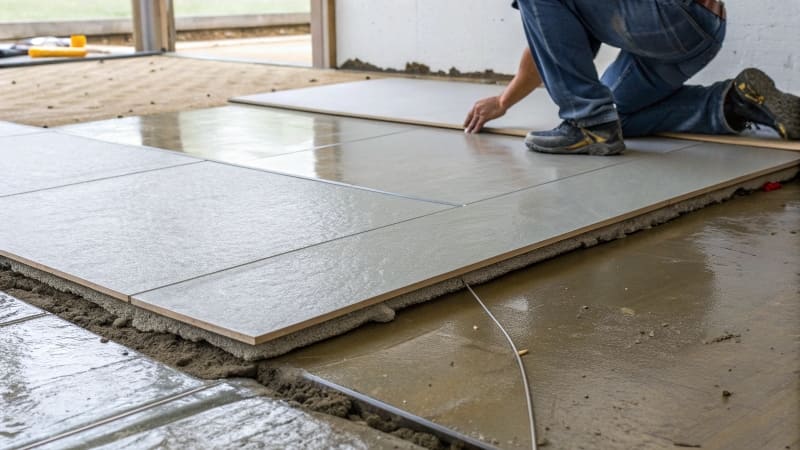
The best practice combines a thin-set mortar bed beneath cement boards, secure fastening with corrosion-resistant screws, and reinforced seams with tape. This ensures balanced stress distribution, moisture control, and improved adhesion for tiles or floor coverings above.
What Is Cement Board Underlayment?
Cement board underlayment is a support layer placed between a subfloor (wood or concrete) and the final surface finish. Its purpose is to strengthen, level, and protect the structure from moisture or cracking.
construction insight: it’s not just a layer—it’s a performance system.
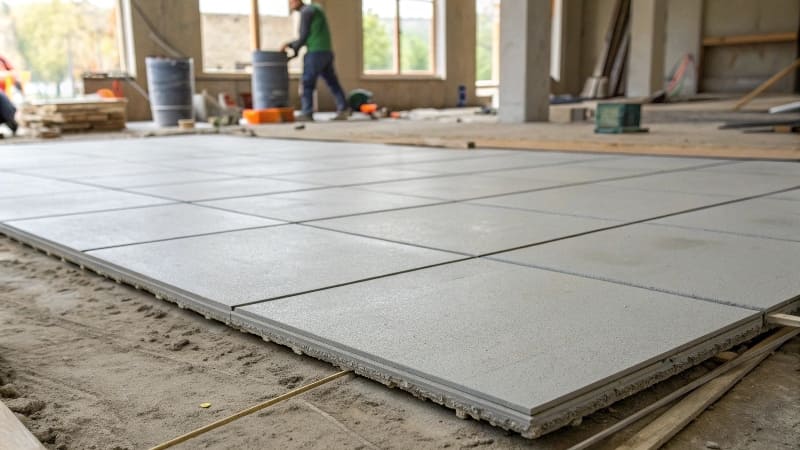
Underlayment System Overview
| Layer | Function | Common Material | Installation Note |
|---|---|---|---|
| Subfloor | Base structure | Plywood or concrete | Must be solid and even |
| Thin-set mortar | Adhesive cushion | Polymer-modified cement | Spreads stress evenly |
| Cement board | Structural underlayment | Fibre cement or cement board | Fastened and leveled |
| Tape and mortar | Joint reinforcement | Alkali-resistant glass tape | Seals and stabilizes seams |
| Floor finish | Visible surface | Tile, vinyl, or wood | Installed on top layer |
Underlayment doesn’t bear weight alone—it works with every surrounding layer for balanced flooring stability.
How Thick Is Cement Board Underlayment?
Cement board underlayment is typically 6mm to 12mm (¼ to ½ inch) thick, depending on the surface finish and expected foot traffic. Thickness alone doesn’t define quality—system compatibility does.
measurement insight: thickness is a number; performance is interaction.
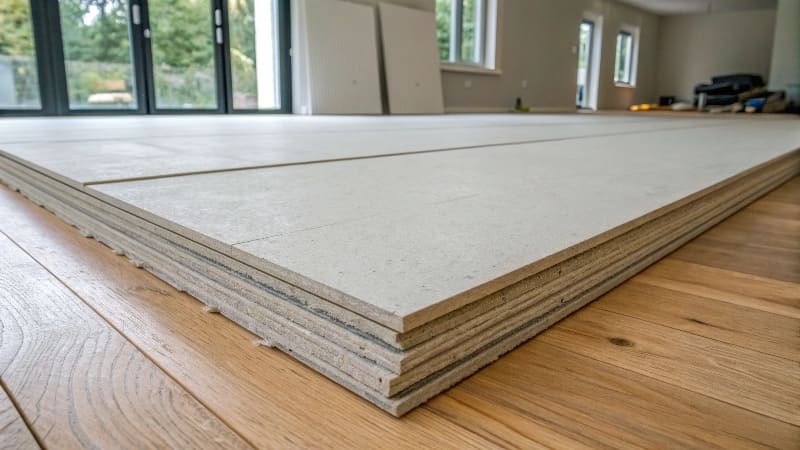
Thickness Reference Guide
| Application | Recommended Thickness | Purpose |
|---|---|---|
| Residential tile floor | 6mm (1/4") | Prevents cracking and improves adhesion |
| Heavy traffic commercial area | 12mm (1/2") | Enhances impact resistance |
| Heated floors | 6–10mm | Allows even thermal transfer |
| Wet areas (bathroom, laundry) | 10–12mm | Added moisture protection |
The real decision lies in how well the board interacts with its adhesive, fasteners, and finishing materials—not in how thick it is.
Do You Tape Cement Board Seams on the Floor?
Yes. Seams between cement boards on the floor should always be taped using alkali-resistant fiberglass mesh tape embedded in thin-set mortar. This step strengthens the surface and prevents future cracks.
installation insight: taping seams connects boards into one working surface.
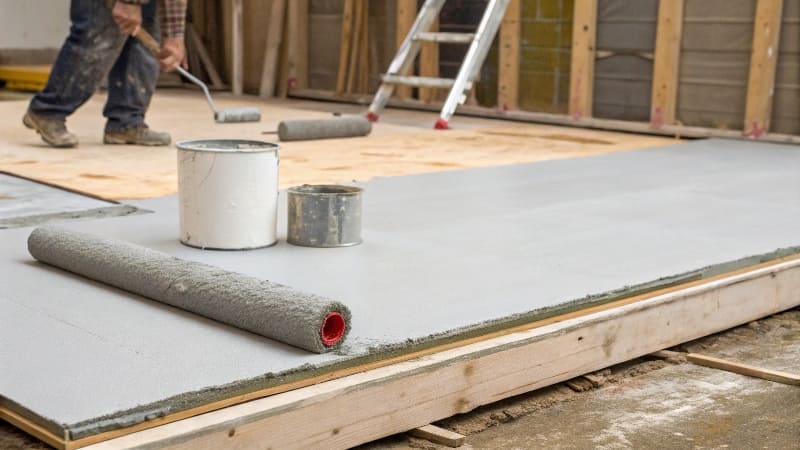
Seam Sealing Process
| Step | Description | Purpose |
|---|---|---|
| Apply thin-set | Spread mortar over seam | Creates bonding layer |
| Place tape | Lay fiberglass mesh tape | Reinforces joint |
| Embed tape | Press with trowel | Smooths and secures |
| Dry and cure | Allow setting time | Prepares for surface tile or finish |
Skipping this process often leads to cracked tile lines or moisture infiltration. Correct seam treatment creates structural unity across the floor.
Conclusion
Cement board underlayment isn’t just a base—it’s the core support system of the floor. When paired with proper thickness, bonding materials, and taped seams, it turns fragile surfaces into long-lasting platforms. At TRUSUS, I always say: the visible floor earns admiration, but the underlayment earns trust.