




What Is the Best Sheen for Fiber Cement Siding?
The best sheen for fiber cement siding is low-luster or matte finish, which helps disguise surface imperfections and reduces glare. It also offers strong UV resistance while providing a natural, architectural look suitable for modern and traditional exteriors.
TRUSUS finish insight: beauty hides in soft light—matte surfaces blend authenticity with endurance.
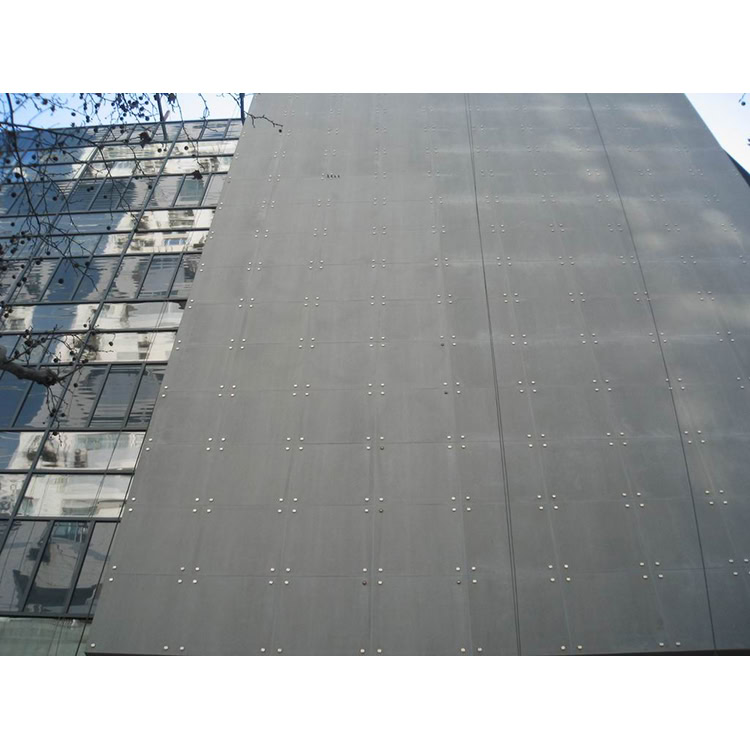
A low-sheen acrylic or elastomeric paint keeps colors stable, avoids chalking, and supports the board’s breathability.
What to Coat Cement Board With?
Cement board should be coated with high-quality, breathable, waterproof paint or elastomeric coating. These coatings protect the board against moisture while maintaining vapor permeability.
protection insight: coating is not only protection—it’s communication between wall and weather.
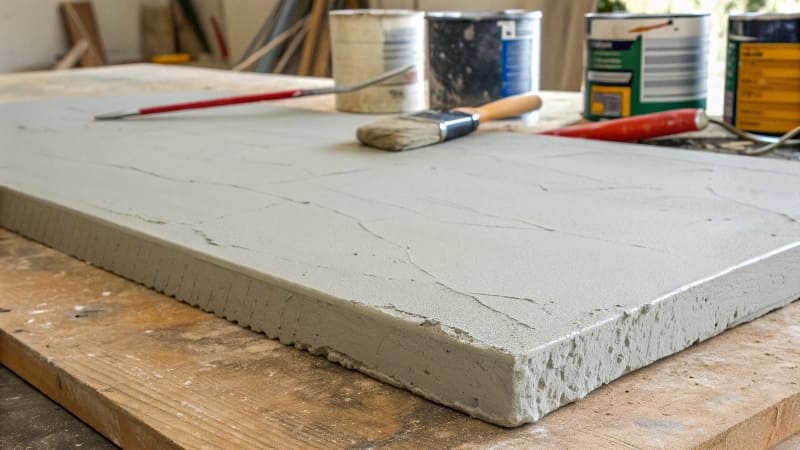
Recommended Cement Board Coatings
| Coating Type | Properties | Ideal Application | Key Advantage |
|---|---|---|---|
| Elastomeric paint | Flexible, waterproof | Exterior facades | Expands/contracts with temperature |
| Acrylic latex | UV-resistant, vapor-permeable | Residential siding | Long-lasting color balance |
| Silicate mineral paint | Breathable, highly durable | Historic or stone-like finishes | Natural texture effect |
| Polyurethane top coat | Chemical-resistant, glossy | Industrial walls | High durability and washability |
Ensure the surface is clean and properly primed with alkali-resistant primer to anchor paint adhesion and minimize efflorescence.
What Goes Under Fiber Cement Siding?
Under fiber cement siding, install a moisture barrier or weather-resistant membrane over wall sheathing. This layer prevents external water intrusion while allowing vapor diffusion from inside the structure.
layering insight: what lies beneath counts—the unseen layers define resistance, not just protection.
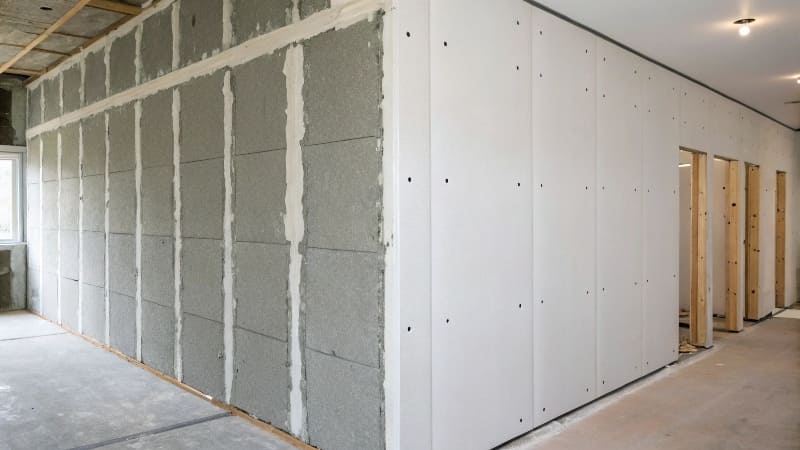
Wall Assembly Structure
| Layer Order | Material | Purpose | Notes |
|---|---|---|---|
| Outer Layer | Fiber cement board | Main weather surface | Painted or coated |
| Second Layer | WRB (Weather-Resistant Barrier) | Blocks exterior moisture | Breathable membrane |
| Third Layer | Sheathing board (OSB or plywood) | Provides structure | Must be dry and flat |
| Inner Layer | Insulation and vapor control | Regulates indoor humidity | Match climate zone |
Proper flashing and joint sealing are crucial at window and corner connections to maintain integrity across seasons.
How to Camouflage a Cement Wall?
To camouflage a cement wall, apply textured coatings, faux finishes, or vertical cladding. You can transform the look using wood-texture fiber cement panels, stone-effect coatings, or microtexture plaster that integrate with the environment.
design insight: disguise is design—when a wall blends, it belongs.
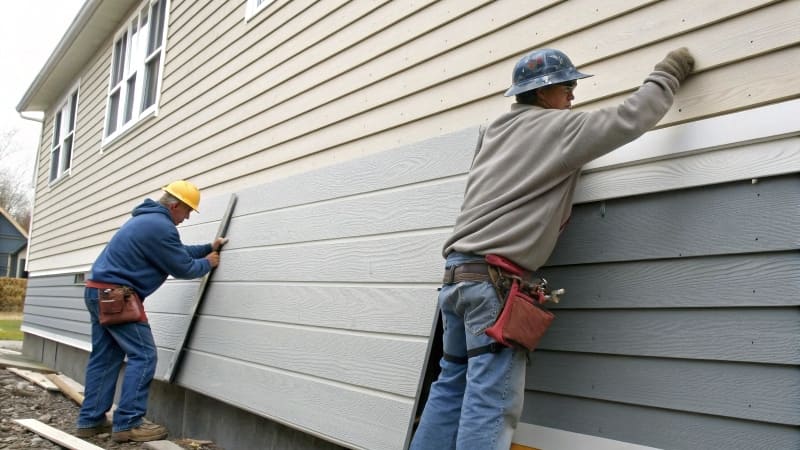
Visual Camouflage Techniques
| Technique | Material | Appearance | Durability |
|---|---|---|---|
| Textured paint | Acrylic or silicate | Natural grain or soft matte | 10+ years |
| Faux stone coating | Polymer blend | Stone-like aesthetic | High abrasion resistance |
| Fiber cement cladding | Pre-textured panels | Wood or concrete finish | Long-term stability |
| Green wall system | Living plants + frame | Organic integration | Requires maintenance |
Combining aesthetic texture with protective coating turns cement from industrial coldness into architectural harmony that supports natural blending.
Conclusion
At TRUSUS, I see fiber cement not just as a panel, but as architecture’s skin—it breathes, shields, and speaks. When treated as a system, it transforms walls into lasting elements of design and durability.
