




What Is the Best Cement Board for Exterior Use?
The best cement board for exterior use is fiber cement board, reinforced with cellulose or synthetic fibers. It resists water, rot, frost, and fire, making it ideal for rainscreen facades, soffits, and cladding systems.
TRUSUS durability insight: the strongest board is the one designed as part of a complete system.
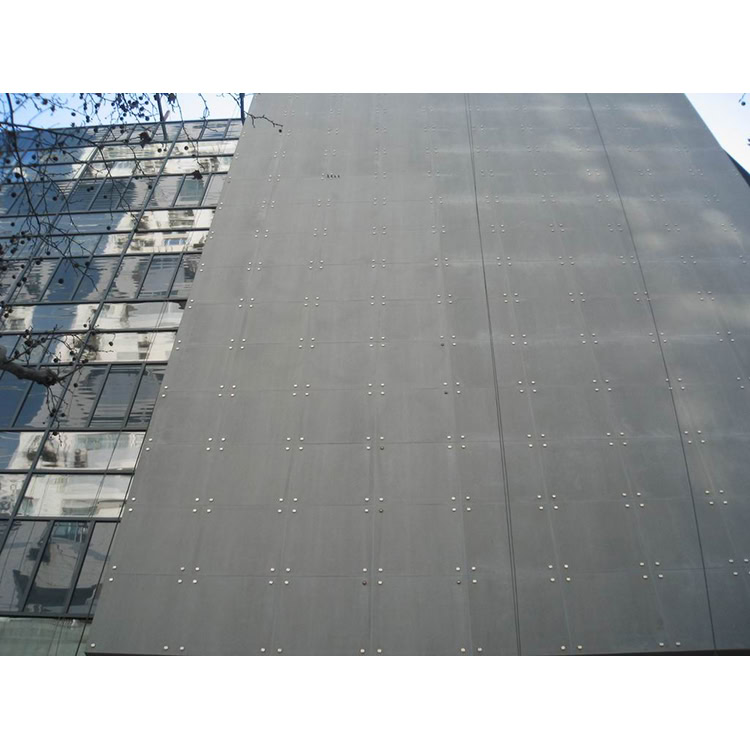
The balance between density, flexibility, and breathability gives fiber cement its long-term performance, even under constant weather exposure.
What Cement Board Can Be Used Outside?
For exterior installations, non-combustible, water- and mold-resistant fiber cement boards or magnesium oxide boards are most suitable. Both remain stable under moisture and temperature changes, unlike gypsum-based boards meant for indoor use.
material insight: not every cement board belongs outdoors—composition defines endurance.
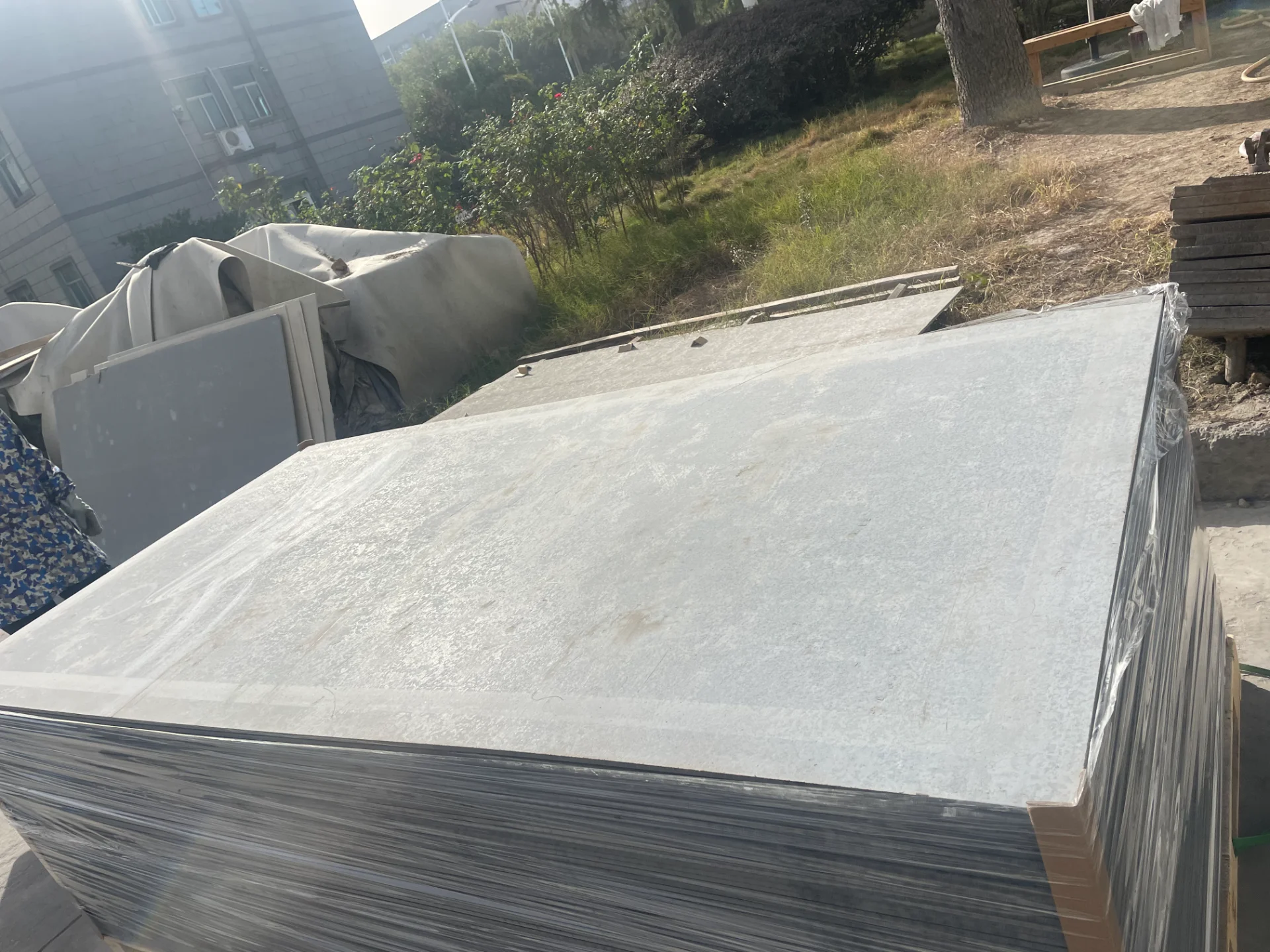
Exterior Cement Board Comparison
| Type | Key Features | Application Suitability |
|---|---|---|
| Fiber Cement Board | Water-resistant, fire-rated, easy to cut | Exterior cladding, soffits |
| Magnesium Oxide Board | Lightweight, high impact resistance | Facade substrate, insulated panels |
| Cement-Bonded Particle Board | Dense, structural stability | Wet area sheathing |
| Gypsum Fiber Board | Limited moisture tolerance | Interior walls only |
Only boards with tested exterior certification (EN 12467 or ASTM C1186) should be used for outer façades to guarantee weather durability.
How to Waterproof Exterior Cement Board?
To waterproof exterior cement board, use a breathable waterproof barrier, seal all joints with flexible caulk or joint tape, and apply a UV-resistant topcoat or render system. These layers prevent direct water penetration but allow vapor to escape.
protection insight: waterproofing is a system, not a surface coating.
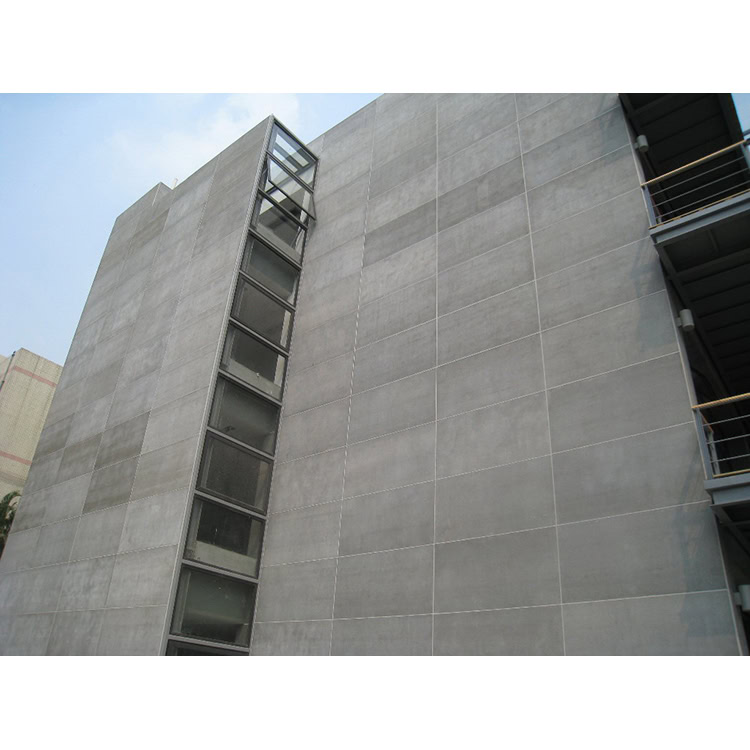
Exterior Waterproofing System
| Layer | Material | Function |
|---|---|---|
| Sheathing | Cement or Magnesium Board | Structural base layer |
| Waterproof Membrane | Breathable WRB film | Stops liquid water entry |
| Joint Treatment | Tape + Sealant | Seals gaps and corners |
| Air Gap Battens | Aluminum or plastic spacers | Promotes drainage and airflow |
| Finishing Coat | Paint, render, or tile | Adds UV and weather protection |
All edges of the board must be sealed before finishing, especially where fasteners penetrate the surface. Proper joint detailing ensures system integrity over decades.
How Thick Should My Cement Board Be?
For exterior use, the ideal thickness is 8–12 mm, depending on application and fastening distance. Thicker boards improve rigidity against wind loads, while thinner boards work well for soffits or framed facades with close stud spacing.
structural insight: choose thickness for performance, not just for weight savings.
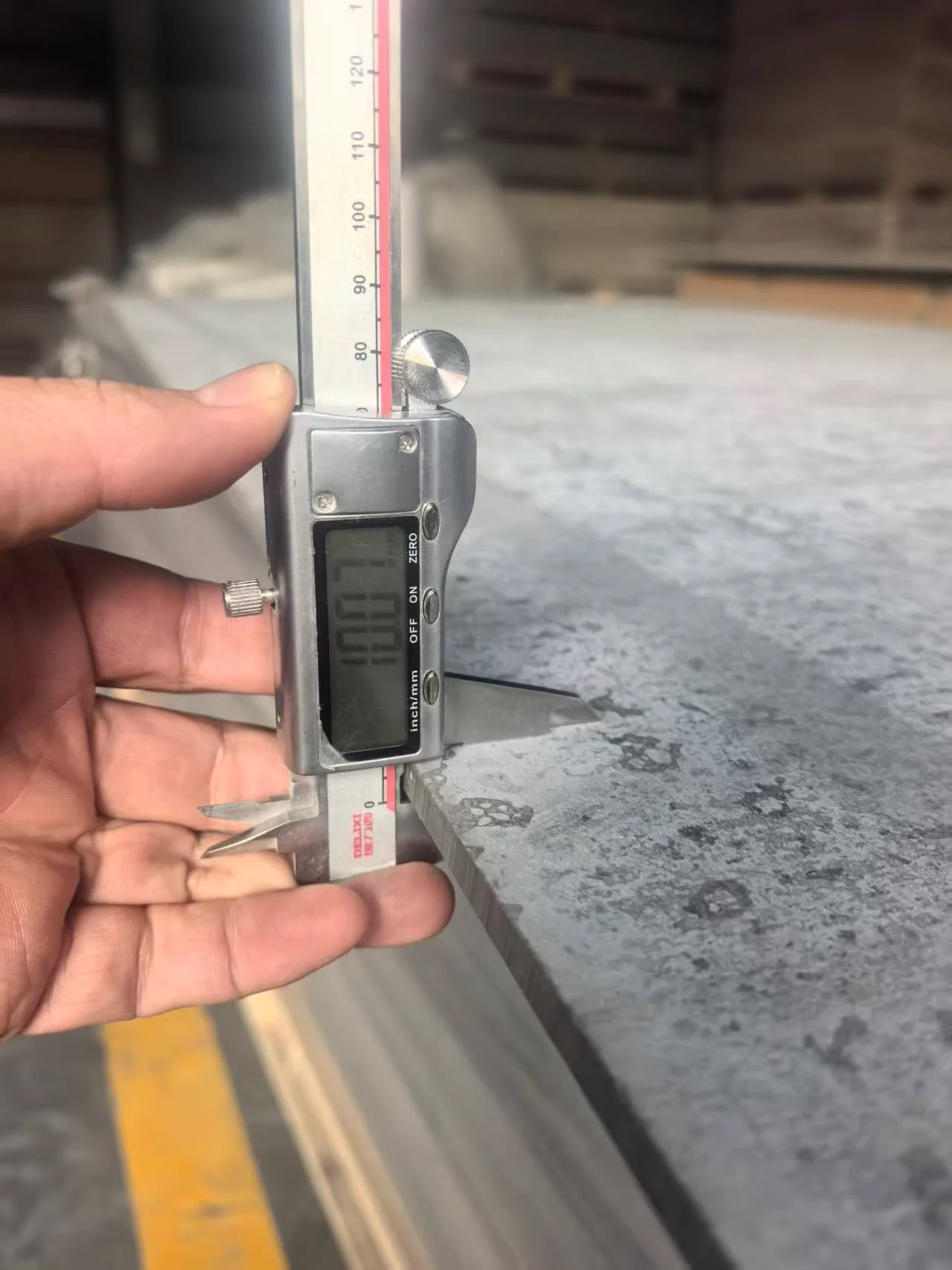
Recommended Thickness Chart
| Application | Recommended Thickness | Support Spacing |
|---|---|---|
| Exterior Cladding | 10–12 mm | ≤600 mm |
| Soffit Panels | 8–10 mm | ≤400 mm |
| Roof Eaves | 8 mm | ≤300 mm |
| Fire-Rated Envelope | ≥12 mm | ≤600 mm |
| Multi-Layer Facade Base | 9–11 mm | ≤450 mm |
Following installation guides and wind-load assessments ensures both durability and stability under seasonal movement.
Conclusion
At TRUSUS, I see exterior cement board not as a single material but as a living interface of architecture and environment. Its purpose goes beyond strength—it is to create breathable resilience, allowing buildings to endure sun, wind, and rain while maintaining their beauty over time.
