




What is Grey Cement Board?
Grey cement board is a fiber-reinforced cementitious panel made from Portland cement, cellulose fibers, and mineral additives, providing structural strength and moisture resistance for construction applications.
Grey cement board consists of 65-75% Portland cement with 15-20% cellulose fiber reinforcement and 5-10% mineral additives including silica and perlite. Manufacturing process involves high-pressure forming and steam curing creating dense, homogeneous panels with 1200-1400 kg/m³ density. Standard thicknesses range 6-25mm with panel sizes up to 3000x1250mm for efficient installation coverage. Compressive strength reaches 25-35 N/mm² while flexural strength achieves 8-12 N/mm² providing structural integrity for wall and floor applications. Fire resistance rating achieves Class A non-combustible with zero flame spread and smoke generation.
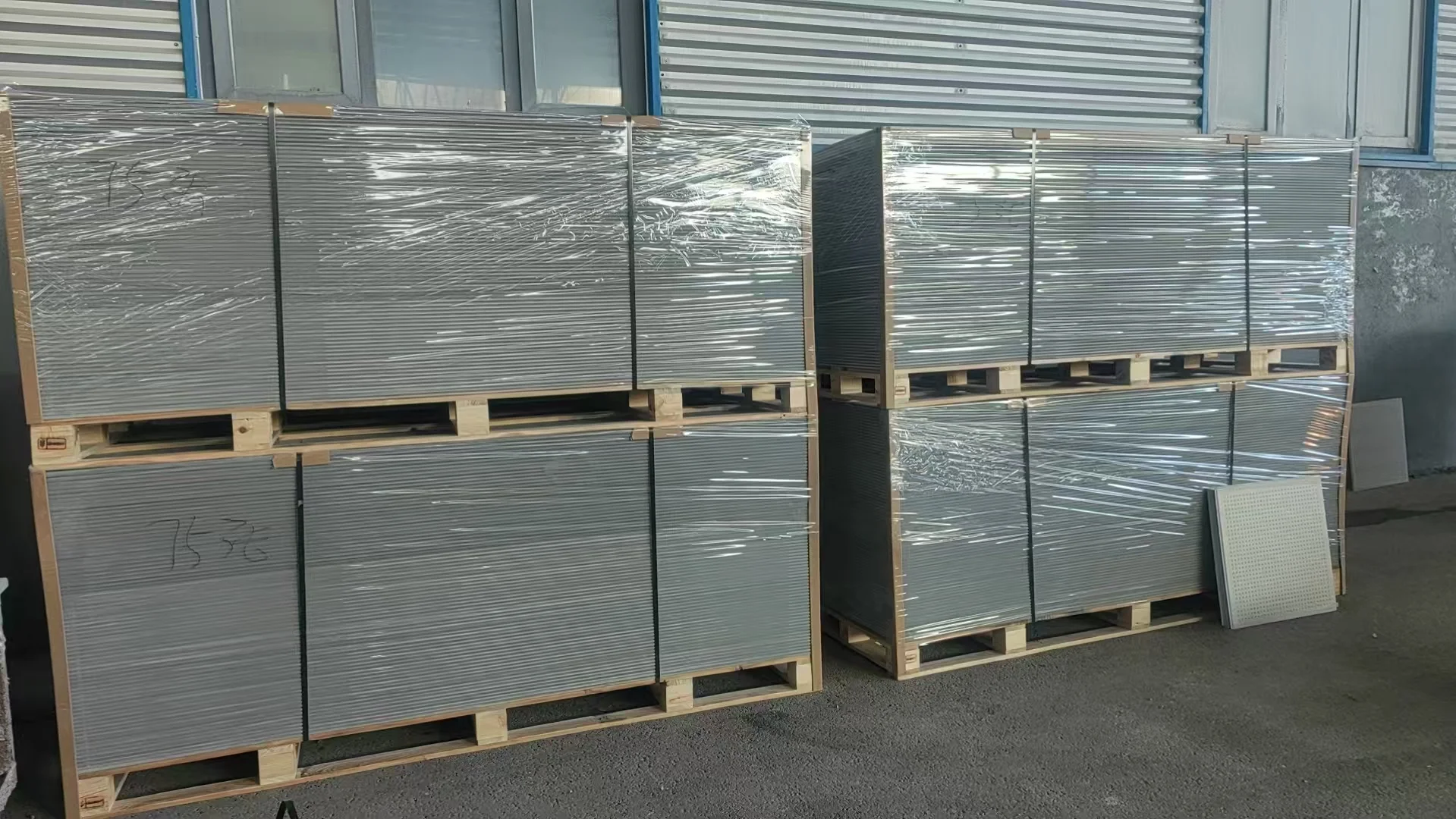
From my extensive experience in cement board manufacturing, I've observed that grey cement board serves as a fundamental building system component rather than just a surface material, providing the structural foundation for complex multi-layer building assemblies.
Which is Stronger White Cement Board or Grey Cement Board?
Grey cement board typically demonstrates superior strength characteristics compared to white cement board due to higher Portland cement content and optimized mineral composition for structural performance.
Grey cement board achieves compressive strength 25-35 N/mm² while white cement board typically reaches 20-28 N/mm² under identical testing conditions. Flexural strength advantage shows grey cement board 8-12 N/mm² compared to white cement board 6-10 N/mm² providing better load-bearing capacity. Impact resistance testing demonstrates grey cement board superior performance with 20-30% higher energy absorption before failure compared to white alternatives. Density differences contribute to strength variation with grey cement board 1200-1400 kg/m³ versus white cement board 1000-1200 kg/m³. Long-term durability testing shows grey cement board maintains strength better under cyclic loading and environmental stress.
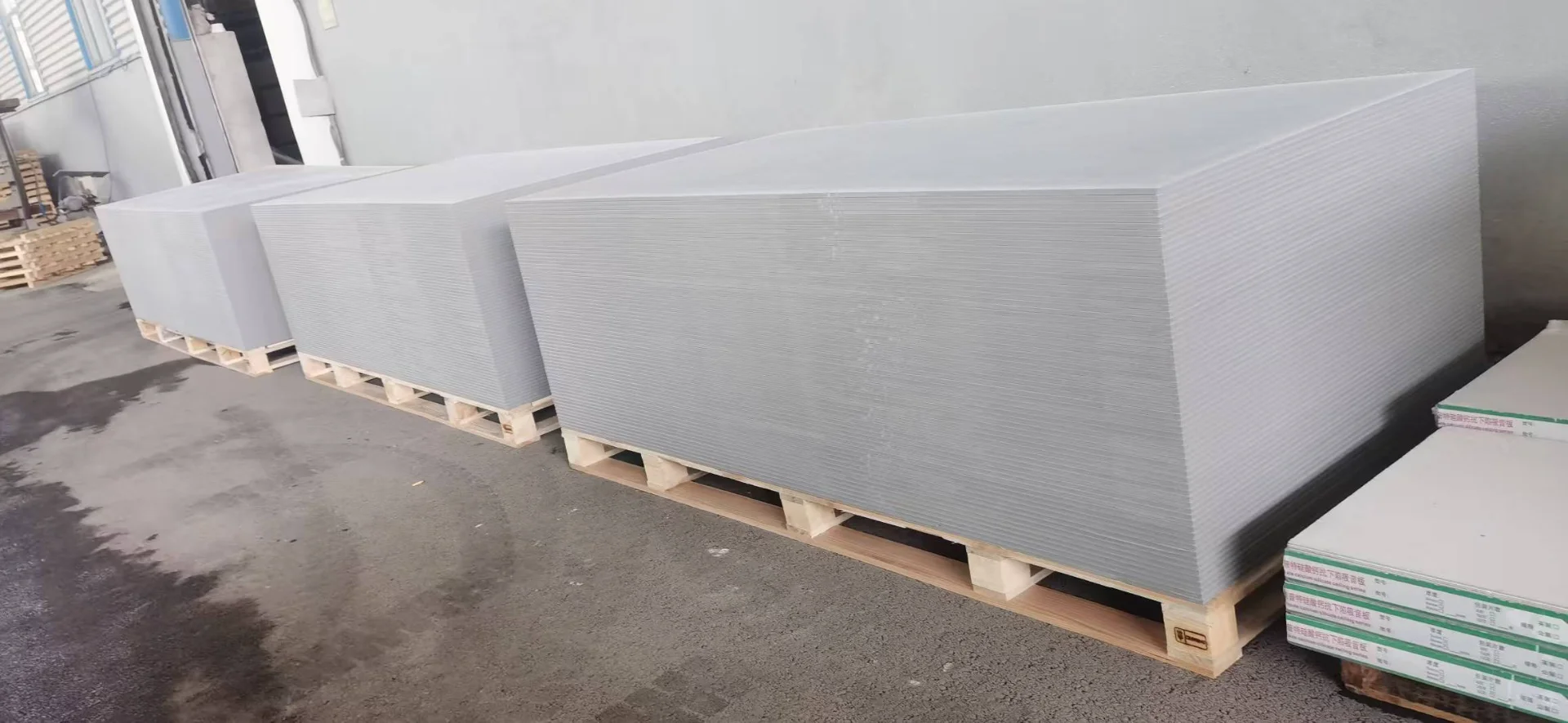
Mechanical Property Comparison
Strength characteristics vary significantly between grey and white cement board formulations.
| Strength Parameter | Grey Cement Board | White Cement Board | Performance Advantage | Typical Applications |
|---|---|---|---|---|
| Compressive Strength | 25-35 N/mm² | 20-28 N/mm² | Grey cement board | Structural applications |
| Flexural Strength | 8-12 N/mm² | 6-10 N/mm² | Grey cement board | Floor underlayment |
| Tensile Strength | 3-5 N/mm² | 2.5-4 N/mm² | Grey cement board | Wall systems |
| Shear Strength | 4-6 N/mm² | 3-5 N/mm² | Grey cement board | Structural sheathing |
| Impact Resistance | 15-25 J | 12-20 J | Grey cement board | High-traffic areas |
Grey cement board consistently demonstrates superior mechanical properties across all testing parameters.
Composition Impact on Performance
Different material compositions directly influence strength and durability characteristics.
| Component | Grey Cement Board (%) | White Cement Board (%) | Strength Contribution | Performance Benefit |
|---|---|---|---|---|
| Portland Cement | 65-75% | 60-70% | Primary binding | Structural integrity |
| Cellulose Fiber | 15-20% | 15-20% | Tensile reinforcement | Crack resistance |
| Mineral Fillers | 5-10% | 8-15% | Density enhancement | Durability |
| Pozzolanic Materials | 3-8% | 2-5% | Long-term strength | Chemical resistance |
| Additives | 2-5% | 3-8% | Processing aids | Workability |
Higher Portland cement content in grey cement board provides the primary strength advantage.
Durability Performance Factors
Grey cement board shows superior performance in most durability testing categories.
How to Use Grey Cement Board?
Grey cement board installation requires proper substrate preparation, appropriate fastening systems, joint sealing, and surface treatment for optimal performance in construction applications.
Substrate preparation involves clean, dry, structurally sound surfaces with maximum 6mm variation over 3-meter span. Fastening uses corrosion-resistant screws spaced 200-300mm centers with 6mm minimum edge distance and 12mm board thickness. Joint treatment requires flexible sealant or reinforcing tape with compound for movement accommodation. Cutting uses carbide-tipped tools with dust collection systems for worker safety compliance. Surface preparation includes primer application before tile installation or direct finishing ensuring proper adhesion and long-term performance.
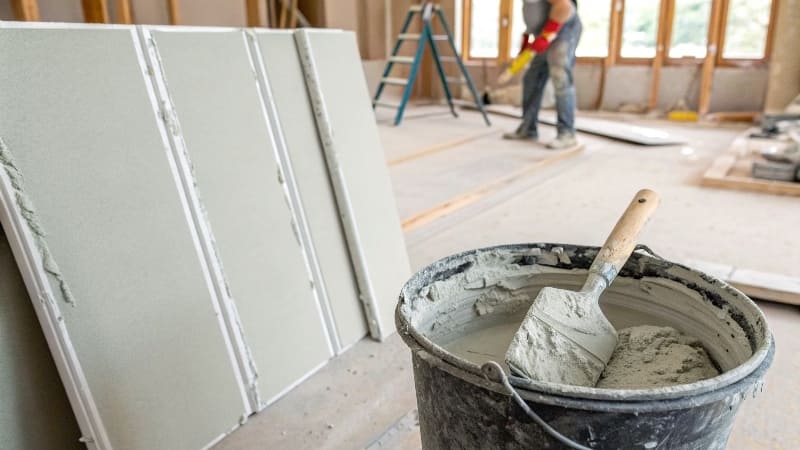
Installation Specification Guidelines
Proper installation procedures ensure optimal performance and longevity.
| Installation Parameter | Specification | Tolerance | Critical Factors | Quality Control |
|---|---|---|---|---|
| Substrate Flatness | ±3mm in 3m | Strict | Level surface | Straightedge check |
| Fastener Spacing | 200-300mm o.c. | ±25mm | Structural integrity | Pattern verification |
| Edge Distance | 6-12mm minimum | ±2mm | Panel stability | Ruler measurement |
| Joint Width | 3-6mm | ±1mm | Movement allowance | Gap gauge |
| Screw Depth | Flush to 1mm below | ±0.5mm | Surface finish | Depth gauge |
Substrate flatness represents the most critical factor for successful installation.
Fastening System Requirements
Appropriate fastening ensures structural integrity and long-term performance.
| Fastener Type | Application | Spacing | Penetration | Corrosion Resistance |
|---|---|---|---|---|
| Stainless Steel Screws | Wet areas | 200mm o.c. | 25mm minimum | Excellent |
| Galvanized Screws | Dry areas | 300mm o.c. | 20mm minimum | Good |
| Pneumatic Nails | Temporary fixing | 150mm o.c. | 30mm minimum | Fair |
| Construction Adhesive | Supplementary | Continuous bead | N/A | Variable |
| Mechanical Anchors | Heavy loads | Per calculation | 50mm minimum | Excellent |
Stainless steel screws provide the most reliable fastening for moisture-prone applications.
Joint Sealing Methods
Proper joint treatment accommodates structural movement and prevents moisture infiltration.
| Joint Treatment | Application | Movement Capacity | Durability | Cost Factor |
|---|---|---|---|---|
| Flexible Sealant | Exterior applications | ±25% joint width | 15-20 years | Medium |
| Tape and Compound | Interior dry areas | ±10% joint width | 10-15 years | Low |
| Mesh Reinforcement | High-stress joints | ±15% joint width | 20+ years | Medium |
| Expansion Strips | Large panels | ±50% joint width | 25+ years | High |
| Control Joints | Planned cracks | Unlimited | Permanent | Low |
Flexible sealant systems provide the most versatile joint sealing solution.
Is Grey Cement Board Waterproof?
Grey cement board is water-resistant but not inherently waterproof, requiring additional waterproofing systems for complete moisture barrier protection in wet environments.
Standard grey cement board provides water resistance through dense cementitious matrix reducing water absorption to 15-25% by weight. Moisture transmission rate measures 5-15 ng/Pa·s·m² allowing controlled vapor permeability while preventing bulk water penetration. Extended water exposure causes dimensional changes of 0.02-0.05% linear expansion requiring movement joint accommodation. Complete waterproofing requires membrane systems including liquid-applied or sheet membranes over cement board substrate. Proper installation with sealed joints and appropriate drainage design ensures long-term moisture management performance.
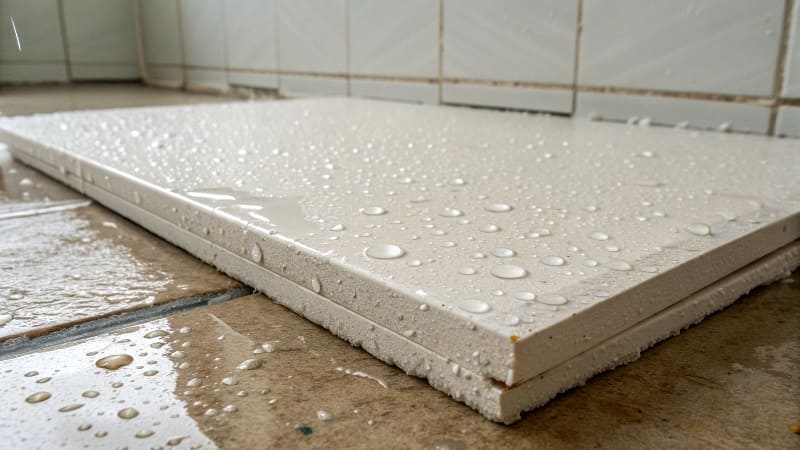
Moisture Performance Characteristics
Water absorption rates determine the need for additional waterproofing protection.
Waterproofing System Integration
Complete moisture protection requires systematic waterproofing design over cement board substrates.
| Waterproofing System | Effectiveness | Application Method | Lifespan | Cost Factor |
|---|---|---|---|---|
| Liquid Membrane | 95-99% protection | Roller/brush application | 15-20 years | Medium |
| Sheet Membrane | 99%+ protection | Adhesive installation | 20-25 years | High |
| Cementitious Coating | 90-95% protection | Trowel application | 10-15 years | Low |
| Polyurethane Systems | 95-99% protection | Spray/roll application | 20+ years | High |
| Epoxy Coatings | 99%+ protection | Brush/roll application | 25+ years | Very High |
Sheet membrane systems provide the most reliable waterproofing protection.
Application-Specific Requirements
Different environments require varying levels of moisture protection over cement board.
| Application | Moisture Exposure | Protection Level | System Recommendation | Maintenance Requirements |
|---|---|---|---|---|
| Shower Walls | Extreme | Complete waterproofing | Sheet membrane | Annual inspection |
| Bathroom Floors | High | Full protection | Liquid membrane | Bi-annual check |
| Kitchen Backsplash | Moderate | Water resistance | Sealant only | Monthly cleaning |
| Exterior Walls | Variable | Weather protection | Drainage system | Seasonal maintenance |
| Pool Areas | Continuous | Immersion protection | Specialized coatings | Quarterly assessment |
Shower wall applications require the highest level of waterproofing protection.
Long-term Performance Considerations
Multiple factors influence the sustained moisture performance of cement board systems.
| Performance Factor | Impact Level | Mitigation Strategy | Monitoring Method | Typical Timeline |
|---|---|---|---|---|
| Alkaline Degradation | Medium | pH-resistant coatings | Annual testing | 5-10 years |
| Freeze-Thaw Damage | High | Proper drainage | Visual inspection | Seasonal |
| Chemical Exposure | Variable | Compatible materials | Regular cleaning | Ongoing |
| Mechanical Damage | Low | Impact protection | Routine maintenance | As needed |
| Thermal Cycling | Medium | Expansion joints | Movement monitoring | Annual |
Freeze-thaw cycling represents the most significant threat to long-term moisture performance.
Conclusion
Grey cement board is a fiber-reinforced cementitious panel made from 65-75% Portland cement with cellulose fiber reinforcement providing compressive strength of 25-35 N/mm² and flexural strength of 8-12 N/mm² with Class A fire resistance rating. Grey cement board demonstrates superior strength compared to white cement board achieving 25-35 N/mm² compressive strength versus 20-28 N/mm² for white cement board with 20-30% higher impact resistance and better long-term durability under environmental stress. Installation requires proper substrate preparation with maximum 6mm variation using corrosion-resistant screws spaced 200-300mm centers and flexible sealant for joint treatment with carbide-tipped cutting tools and dust collection systems. Grey cement board provides water resistance through dense cementitious matrix with 15-25% water absorption by weight but requires additional waterproofing systems for complete moisture barrier protection including liquid-applied or sheet membranes with proper drainage design for long-term performance. Success with grey cement board depends on understanding its role as a structural substrate requiring proper installation techniques and appropriate waterproofing systems rather than assuming inherent waterproof properties, with optimal performance achieved through systematic approach to substrate preparation, fastening, and moisture protection based on specific application requirements.
