




What is Asbestos Cement Board Used For?
Many assume asbestos cement board represents current construction materials, but these products were primarily historical building materials. Asbestos cement board applications involved roofing, siding, and structural panels where fire resistance and durability were priorities before health risks became understood and safer alternatives emerged.
Asbestos cement board was historically used for roofing sheets, exterior siding, ceiling tiles, pipe insulation, and structural panels in construction from 1900s-1980s due to fire resistance and durability, but production ceased in most countries due to serious health risks from asbestos fiber exposure.
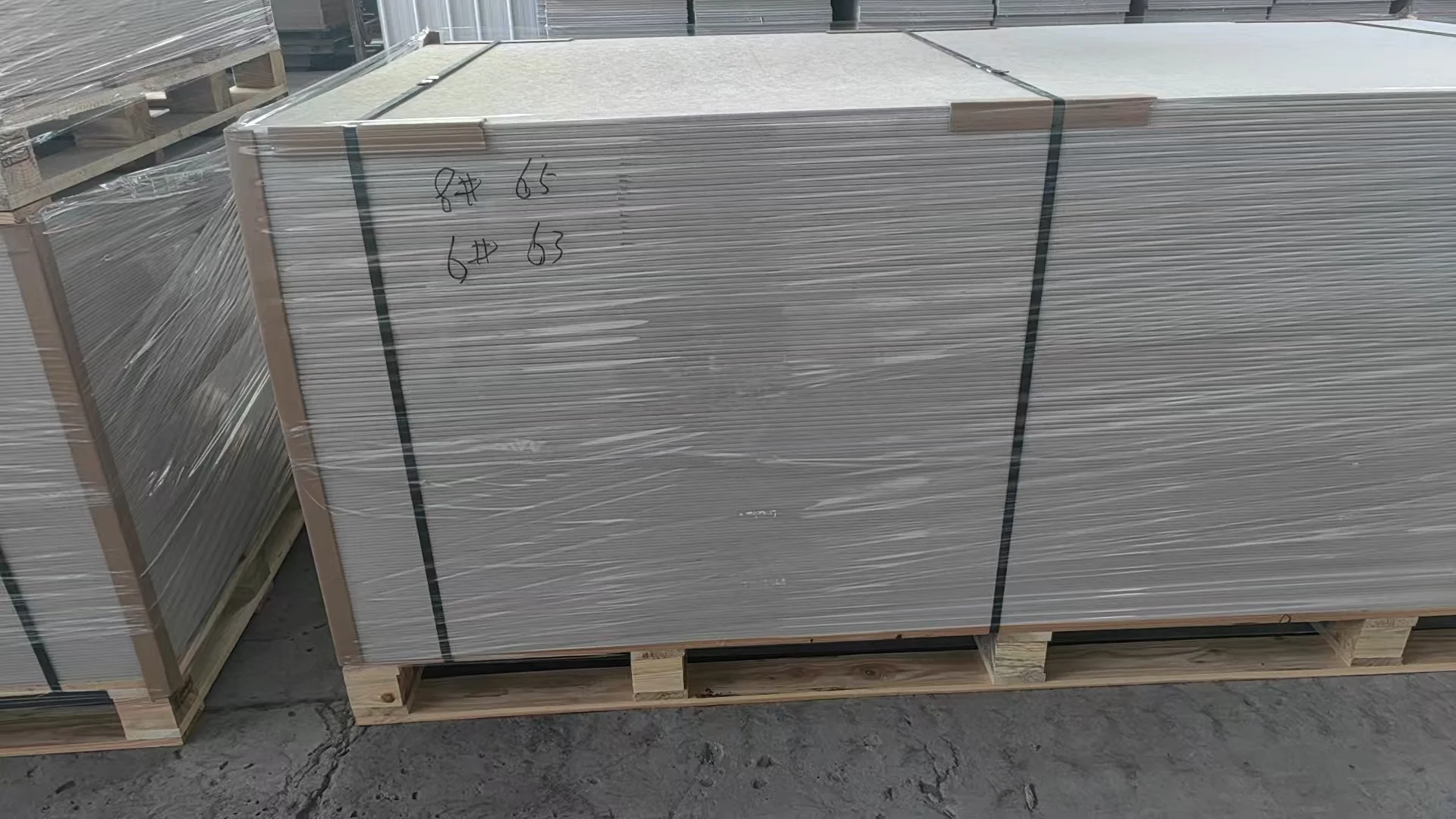
Through years of cement board manufacturing and safety regulation compliance, I learned that understanding historical asbestos applications helps identify potential hazards in existing buildings while emphasizing the importance of modern asbestos-free alternatives that provide superior performance with complete safety assurance.
What is the Most Common Use of Asbestos Cement?
Understanding historical asbestos cement applications helps identify potential exposure risks in existing structures. Asbestos cement usage concentrated in specific building applications where fire resistance, weather durability, and structural performance created widespread adoption before health risks became apparent.
The most common use of asbestos cement was corrugated roofing sheets for industrial, agricultural, and residential buildings, followed by flat siding panels, pressure pipes, and ceiling tiles, with roofing applications representing the largest volume due to excellent weather resistance and fire protection properties.
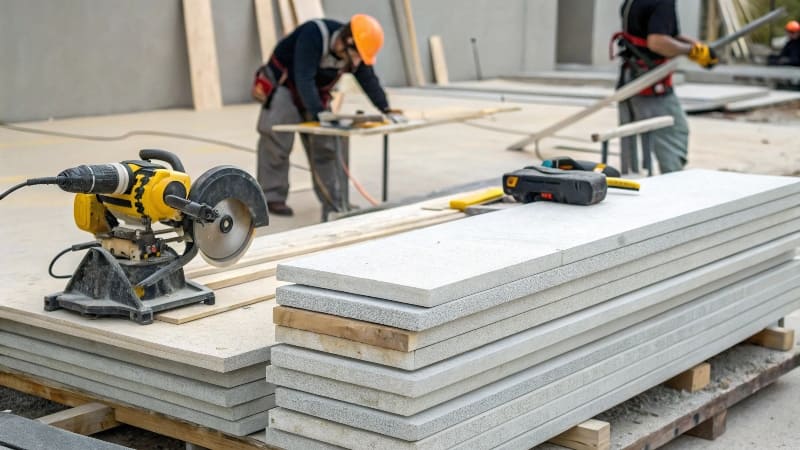
Comprehensive Asbestos Cement Application Analysis and Historical Context
Asbestos cement applications dominated specific construction sectors for decades due to unique performance characteristics before health risks necessitated industry transformation. During my experience working with building material transitions and safety compliance, I learned that understanding historical usage patterns helps identify potential hazards while supporting safe remediation planning.
Roofing applications represented the largest asbestos cement market through corrugated sheets, flat panels, and specialized profiles that provided excellent weather resistance, fire protection, and structural durability for industrial, agricultural, and residential buildings worldwide.
Industrial buildings utilized asbestos cement extensively for roofing systems, wall cladding, and structural panels where fire resistance requirements and harsh environmental conditions favored asbestos cement over alternative materials available during peak usage periods.
Agricultural applications included barn roofing, silo construction, and equipment housing where cost-effectiveness, durability, and weather resistance made asbestos cement the preferred choice for rural construction projects requiring long-term performance.
Residential usage encompassed siding panels, roofing sheets, and interior applications including ceiling tiles and insulation boards where fire safety concerns and affordability drove widespread adoption in suburban development projects.
Infrastructure applications included water pipes, sewer systems, and utility structures where pressure resistance, corrosion protection, and longevity requirements made asbestos cement suitable for critical infrastructure projects requiring decades of reliable service.
Geographic distribution shows varying usage patterns with heavy adoption in Europe, Australia, and developing countries while North American usage peaked earlier with subsequent regulatory restrictions leading to market transformation.
Peak production periods occurred from 1950s-1970s when manufacturing capacity expanded globally while construction demand increased, creating widespread distribution before health awareness prompted regulatory action and industry transformation.
Market transition began in 1980s as health research established clear links between asbestos exposure and respiratory diseases, leading to production bans, alternative material development, and comprehensive industry transformation.
Legacy issues include millions of buildings containing asbestos cement materials requiring careful management, safe removal procedures, and proper disposal methods to protect public health while maintaining building functionality.
Current implications involve identification requirements, management protocols, and remediation planning for existing structures containing asbestos cement while ensuring worker and occupant safety during renovation and demolition activities.
| Application Category | Specific Uses | Peak Usage Period | Current Status |
|---|---|---|---|
| Roofing Systems | Primary application | 1950s-1980s | Banned/replaced |
| Corrugated sheets | Industrial/agricultural | Widespread adoption | Alternative materials |
| Flat panels | Commercial buildings | Standard practice | Safety concerns |
| Siding Applications | Exterior cladding | 1940s-1970s | Phase-out completed |
| Flat siding panels | Residential construction | Popular choice | Modern alternatives |
| Decorative panels | Architectural features | Design applications | Safer substitutes |
| Infrastructure Uses | Utility applications | 1930s-1980s | Replacement programs |
| Water pipes | Municipal systems | Extensive networks | Ongoing replacement |
| Pressure pipes | Industrial systems | Critical applications | Safety upgrades |
| Interior Applications | Building systems | 1940s-1980s | Removal/management |
| Ceiling tiles | Commercial interiors | Standard products | Health-based replacement |
| Insulation boards | Thermal/fire protection | Safety applications | Modern solutions |
| Industrial Uses | Heavy construction | 1950s-1970s | Complete transition |
| Structural panels | Factory construction | Cost-effective choice | Performance alternatives |
| Equipment housing | Machinery protection | Durability requirements | Advanced materials |
Is Cement Board Harmful to Humans?
Understanding cement board safety helps distinguish between historical and modern products. Cement board health considerations involve material composition, manufacturing processes, and exposure risks that vary significantly between asbestos-containing legacy products and contemporary asbestos-free alternatives.
Modern cement board is not harmful to humans when manufactured according to current safety standards using asbestos-free formulations, though historical asbestos cement board poses serious health risks requiring professional handling, while proper installation practices ensure safe use of contemporary products.

Detailed Cement Board Safety Analysis and Health Risk Assessment
Cement board safety involves critical distinctions between historical asbestos-containing products and modern asbestos-free alternatives that provide equivalent performance with complete safety assurance. During my experience working with cement board safety compliance and product development, I learned that understanding composition differences prevents confusion while ensuring appropriate safety measures for different product generations.
Historical asbestos cement board contained chrysotile, amosite, or crocidolite asbestos fibers that provided reinforcement and fire resistance but created serious health risks through fiber release during cutting, drilling, or deterioration that can cause mesothelioma, lung cancer, and asbestosis.
Modern cement board utilizes cellulose fibers, synthetic fibers, or mineral wool reinforcement that provides equivalent structural performance without health risks while meeting or exceeding safety standards for construction applications.
Health risks from asbestos cement board include respiratory diseases through fiber inhalation with latency periods of 20-40 years between exposure and disease onset, making historical exposure particularly concerning for construction workers and building occupants.
Safety regulations now prohibit asbestos use in construction materials throughout most countries while establishing strict guidelines for handling existing asbestos cement materials during renovation and demolition activities.
Exposure prevention requires professional identification, proper handling procedures, and appropriate personal protective equipment when working with suspected asbestos cement materials while ensuring compliance with occupational safety regulations.
Contemporary manufacturing standards include rigorous quality control, safety testing, and certification programs that ensure modern cement board products meet health and safety requirements while providing superior performance characteristics.
Installation safety for modern products involves standard construction precautions including dust control, proper ventilation, and appropriate cutting techniques that minimize dust generation while ensuring worker safety during installation procedures.
Long-term safety of modern cement board includes stable composition, non-degrading performance, and absence of hazardous materials that ensure continued safety throughout building lifecycle without ongoing health concerns.
Regulatory compliance includes product certification, safety documentation, and manufacturing oversight that ensures modern cement board products meet stringent safety standards while providing reliable performance assurance.
Consumer protection involves clear labeling, safety information, and manufacturer warranties that ensure proper product identification while preventing confusion between historical and contemporary products.
| Safety Aspect | Historical Products | Modern Products | Key Differences |
|---|---|---|---|
| Fiber Content | Asbestos fibers | Safe alternatives | Complete reformulation |
| Chrysotile asbestos | High health risk | Cellulose/synthetic fibers | Zero asbestos content |
| Hazardous composition | Cancer risk | Safety certified | Regulatory compliance |
| Health Impact | Serious diseases | No known risks | Fundamental safety improvement |
| Mesothelioma risk | Established link | Not applicable | Material elimination |
| Respiratory damage | Long-term effects | Safe for occupants | Health protection |
| Handling Requirements | Extreme caution | Standard practices | Normal construction methods |
| Professional removal | Certified contractors | Regular installation | Simplified procedures |
| Special equipment | Protective measures | Basic precautions | Reduced complexity |
| Regulatory Status | Banned/restricted | Approved for use | Legal compliance |
| Prohibited materials | Phase-out required | Standard acceptance | Market availability |
| Safety compliance | Historical legacy | Current standards | Modern requirements |
| Performance Comparison | Historical standard | Enhanced properties | Technological advancement |
| Adequate performance | Basic requirements | Superior characteristics | Innovation benefits |
| Limited options | Restricted use | Design flexibility | Application expansion |
How to Tell if Cement Board Has Asbestos?
Understanding asbestos identification helps ensure proper safety precautions during renovation or removal. Asbestos detection involves age assessment, visual inspection, professional testing, and regulatory compliance that determine appropriate handling procedures for suspected materials.
Identify asbestos cement board through installation date (pre-1990 likely contains asbestos), manufacturer markings, professional laboratory testing, visual characteristics including smooth surface texture, and consulting building records, though definitive identification requires certified laboratory analysis for safety confirmation.
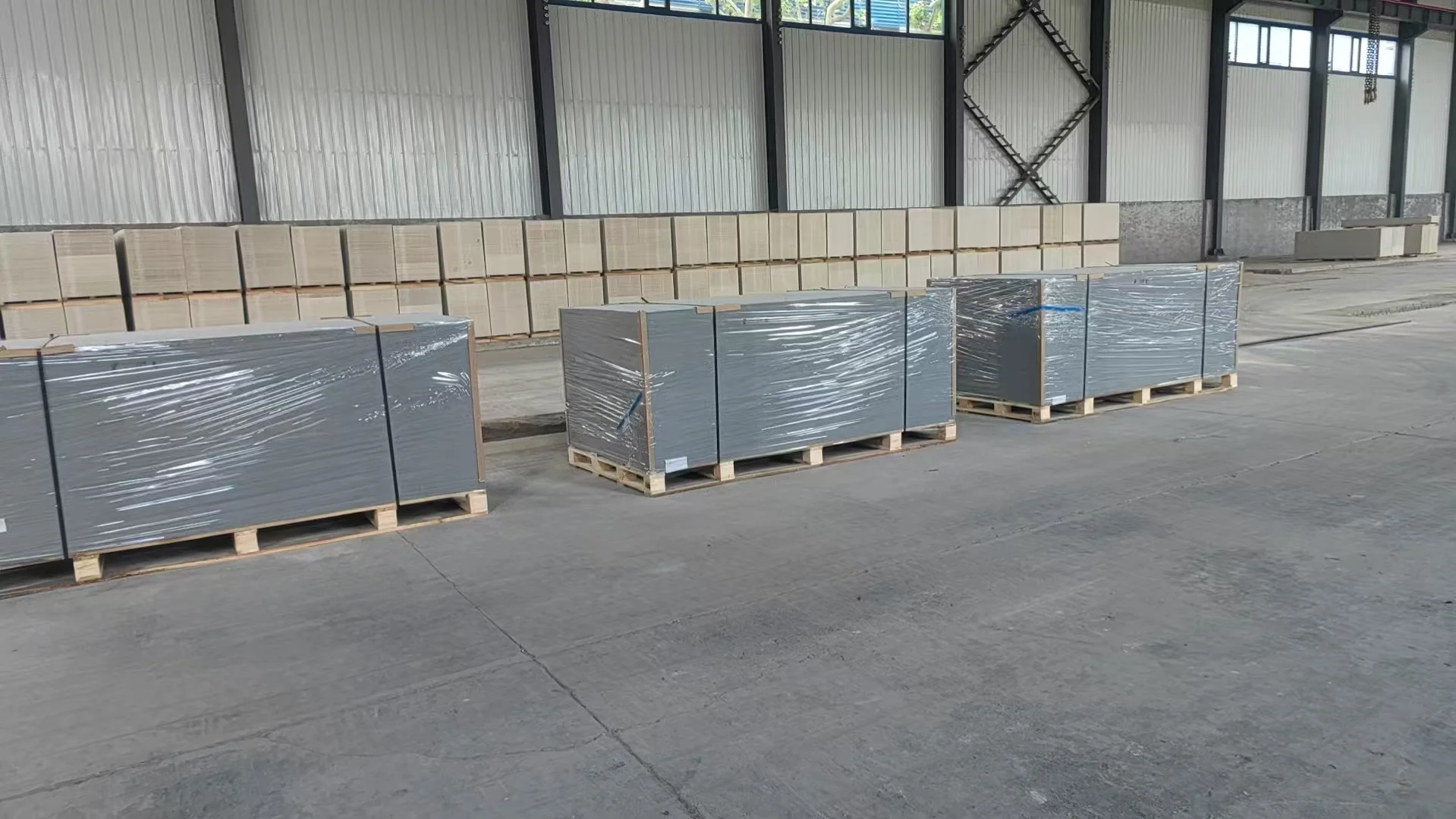
Comprehensive Asbestos Identification Guide and Safety Protocols
Asbestos cement board identification requires systematic assessment combining visual inspection, historical research, and professional testing to ensure accurate determination and appropriate safety measures. During my experience working with building material safety assessment and regulatory compliance, I learned that proper identification prevents dangerous assumptions while ensuring appropriate safety protocols for suspected materials.
Age determination provides initial risk assessment with cement board installed before 1980 having high asbestos probability, 1980-1990 requiring careful evaluation, and post-1990 installation generally safe while building records help establish installation timeframes.
Visual characteristics include smooth, dense surface texture, gray coloration, consistent thickness, and absence of visible fiber reinforcement that may indicate asbestos content, though appearance alone cannot provide definitive identification requiring professional confirmation.
Manufacturing marks including brand names, model numbers, and production codes may indicate asbestos content when cross-referenced with manufacturer databases and regulatory listings that document asbestos-containing products by company and time period.
Professional testing through certified laboratories provides definitive identification using polarized light microscopy (PLM) or transmission electron microscopy (TEM) that accurately determines asbestos content and fiber type for regulatory compliance.
Sampling procedures require trained professionals using proper safety equipment and containment measures to collect representative samples without creating hazardous exposure conditions while ensuring accurate test results.
Documentation review includes building permits, construction records, and material specifications that may identify original materials while providing evidence for asbestos presence without requiring physical sampling.
Regulatory requirements mandate professional assessment for suspected asbestos materials before renovation or demolition activities while establishing legal responsibilities for property owners and contractors to ensure compliance.
Safety precautions during identification include assuming asbestos presence until proven otherwise, avoiding disturbance of suspected materials, and engaging qualified professionals for assessment and handling to prevent exposure risks.
Cost considerations show professional testing representing minimal expense compared to potential health risks and legal liabilities while providing essential information for safe material management and regulatory compliance.
Legal implications include property disclosure requirements, contractor licensing needs, and disposal regulations that affect renovation projects while establishing liability for improper handling of asbestos-containing materials.
| Identification Method | Reliability Level | Implementation Requirements | Cost Considerations |
|---|---|---|---|
| Age Assessment | Initial screening | Building records review | No direct cost |
| Pre-1980 installation | High probability | Historical research | Time investment |
| 1980-1990 period | Moderate risk | Careful evaluation | Documentation review |
| Visual Inspection | Preliminary only | Trained observation | Minimal expense |
| Surface characteristics | Suggestive indicators | Safety precautions | Professional consultation |
| Texture analysis | Non-definitive | Comparison standards | Experience required |
| Professional Testing | Definitive results | Certified laboratories | $200-500 per sample |
| Laboratory analysis | Regulatory compliance | Proper sampling | Essential investment |
| Microscopic examination | Accurate identification | Chain of custody | Legal protection |
| Documentation Review | Supporting evidence | Record accessibility | Research time |
| Building permits | Historical context | Archive access | Verification effort |
| Contractor records | Material specifications | Contact availability | Information quality |
| Regulatory Consultation | Compliance guidance | Agency contact | Professional fees |
| Environmental agencies | Official requirements | Permit processes | Regulatory knowledge |
| Safety authorities | Legal obligations | Compliance verification | Risk management |
Conclusion
Asbestos cement board was historically used primarily for roofing, siding, and structural applications from 1900s-1980s before health risks ended production, modern cement board poses no health risks using safe fiber alternatives, and asbestos identification requires professional testing though age assessment and visual inspection provide initial screening for materials requiring careful handling and regulatory compliance.
