




What is an EPS cement sandwich panel?
Many builders see EPS cement sandwich panels as a cheap, fast, and versatile wall option, but the reality is more complex.
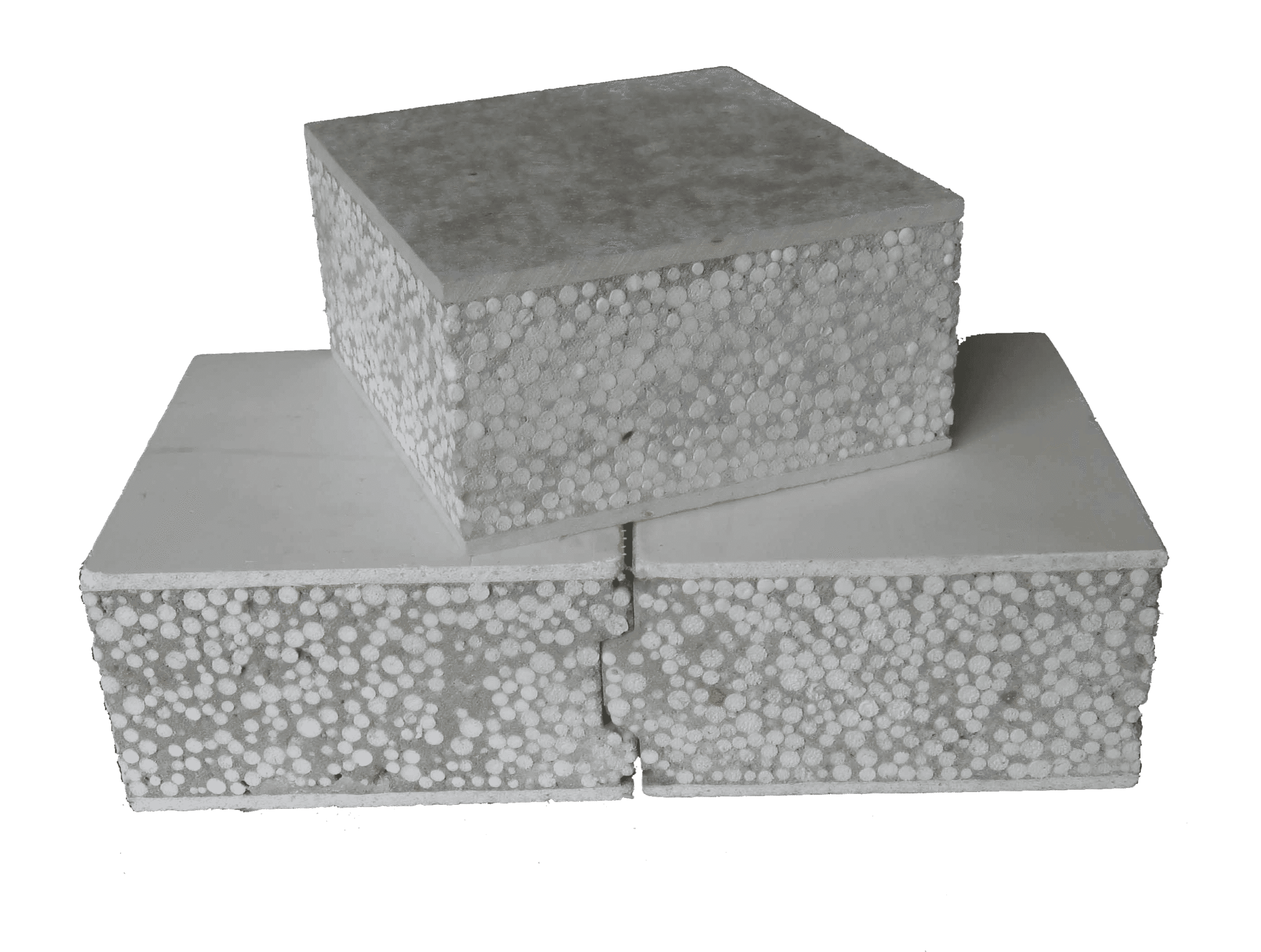
An EPS cement sandwich panel is a lightweight wall panel with an expanded polystyrene (EPS) foam core, sandwiched between cement-fiber boards.
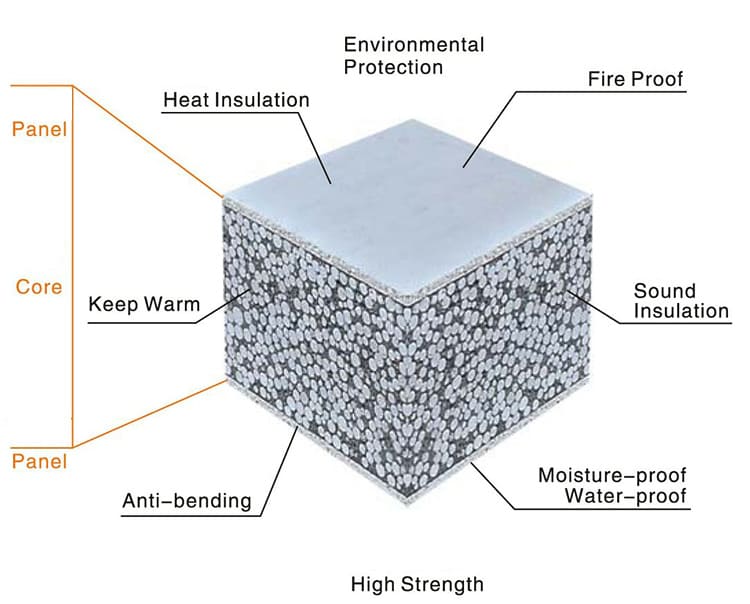
I’ve used these panels in temporary projects for their speed and cost advantage. They offer insulation, reduce structural load, and cut build time. However, the EPS foam core changes their durability and safety profile compared to solid walls.
What is the price of EPS sandwich panel?
One of the biggest draws of EPS panels is their cost — but that cost is not stable.
EPS sandwich panel prices typically range from $10 to $25 per square meter, depending on thickness, fire rating, and quality.
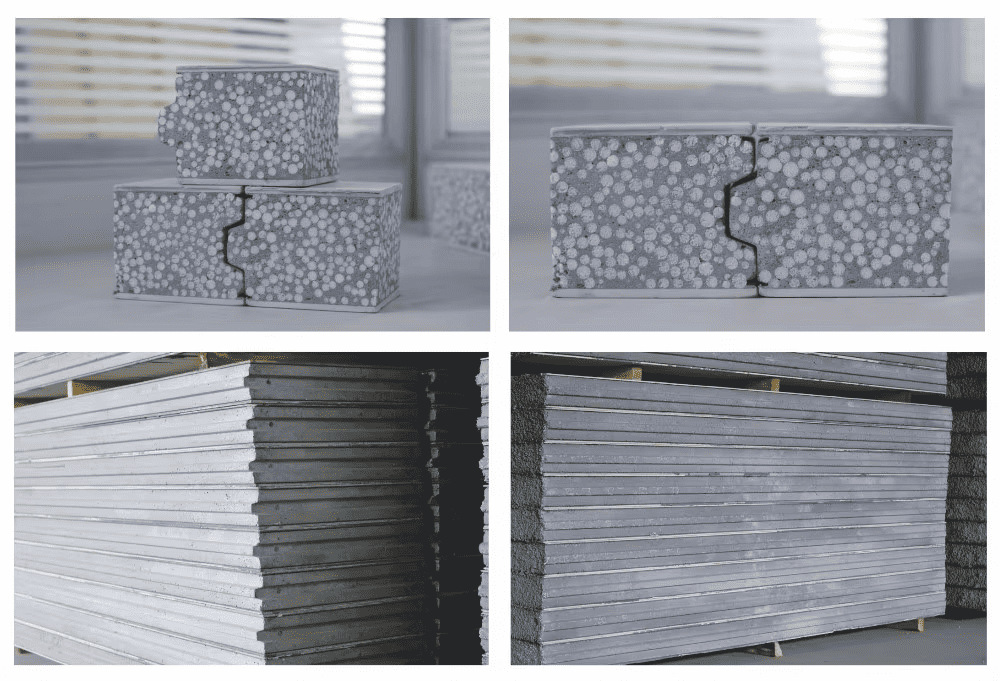
Price is highly influenced by EPS raw material costs, which follow oil price fluctuations. Large orders may reduce the price by 15–20%, but low-cost products often have reduced density or recycled EPS core, affecting quality.
| Factor Affecting Price | Typical Impact on Range |
|---|---|
| Panel Thickness | +$2–5/m² |
| Fire-retardant EPS core | +$5–8/m² |
| Cement board grade | +$3–6/m² |
| Order volume | −$2–3/m² on bulk orders |
I’ve seen projects fail cost control when mid-construction price hikes hit — sometimes 30–40% above initial quotes.
What is an EPS wall panel?
EPS wall panels are often grouped under the same category but can vary widely in design.
An EPS wall panel is any construction panel built with an expanded polystyrene core, used for partition or exterior walls.
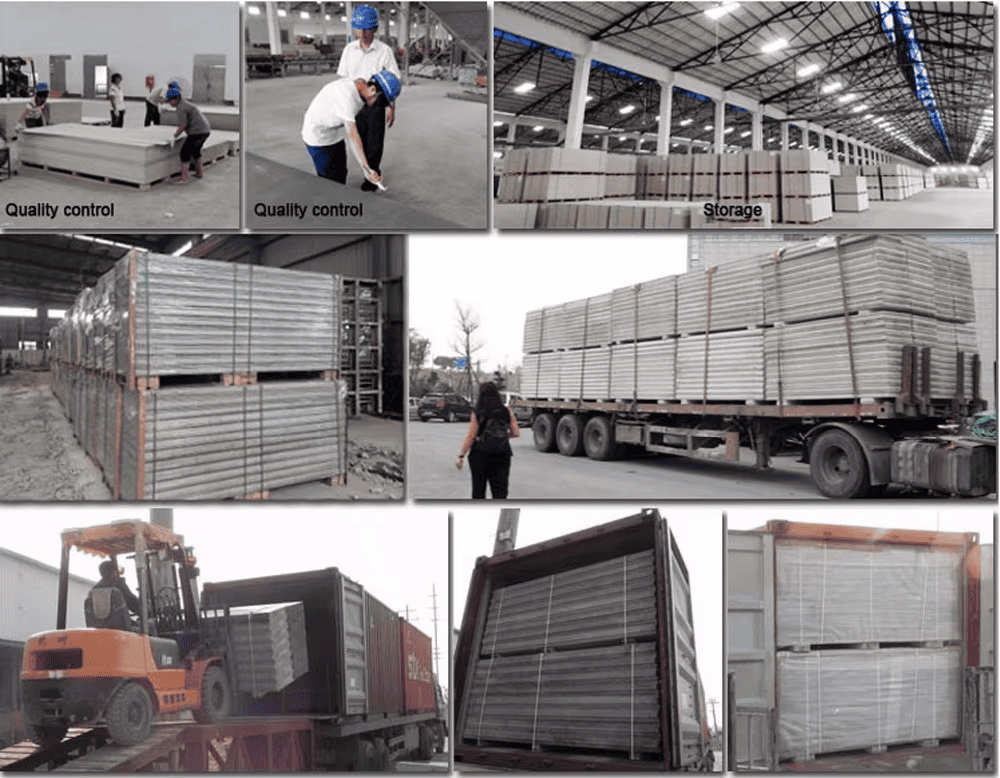
EPS wall panels can be cement-faced, metal-faced, or even plaster-faced. They are designed for insulation efficiency and lightness, but their structural strength often depends on framing or support systems.
| Panel Type | Typical Application | Key Strengths |
|---|---|---|
| EPS cement panel | Exterior/interior walls | Good insulation, light |
| EPS metal panel | Industrial/roof cladding | Weather resistance, quick install |
| EPS plaster panel | Interior partitions | Smooth finish, low cost |
In one prefab house build, cement-faced EPS panels allowed completion in less than half the usual schedule.
What are the disadvantages of EPS panels?
As much as EPS panels save cost and time, their drawbacks can’t be ignored.
EPS panels are flammable unless treated, degrade under UV and moisture, and have lower long-term durability than solid wall systems.
Let’s break them down:
- Fire safety: Standard EPS is combustible, producing toxic fumes; even fire-retardant versions can lose effectiveness over time.
- Durability: UV, moisture, and temperature changes cause shrinking, cracking, and reduced insulation performance.
- Maintenance costs: Early cracking and leaks can offset initial savings in as little as 3–5 years.
- Environmental impact: Difficult disposal and recycling, contributing to landfill waste.
| Disadvantage | Cause | Typical Timeline for Issues |
|---|---|---|
| Flammability | EPS core burns quickly | Immediate in fire |
| Aging/degradation | UV, heat, moisture | 3–10 years |
| Leak/crack risk | Thermal movement | 3–5 years |
| Waste disposal | Poor recyclability | End of life |
I’ve inspected EPS buildings with severe joint leaks after only four rainy seasons — requiring costly retrofits that erased all original savings.
Conclusion
EPS cement sandwich panels offer speed and low upfront costs, but fire safety, durability, and long-term maintenance risks require careful project-specific evaluation.
