




What is a calcium silicate board used for?
Many people associate calcium silicate boards with generic wall panels and overlook their unique advantages and applications.
Calcium silicate boards are mainly used for fire-rated walls, ceiling panels, and partition walls, offering excellent fire resistance, moisture resistance, and durability in both dry and damp environments.
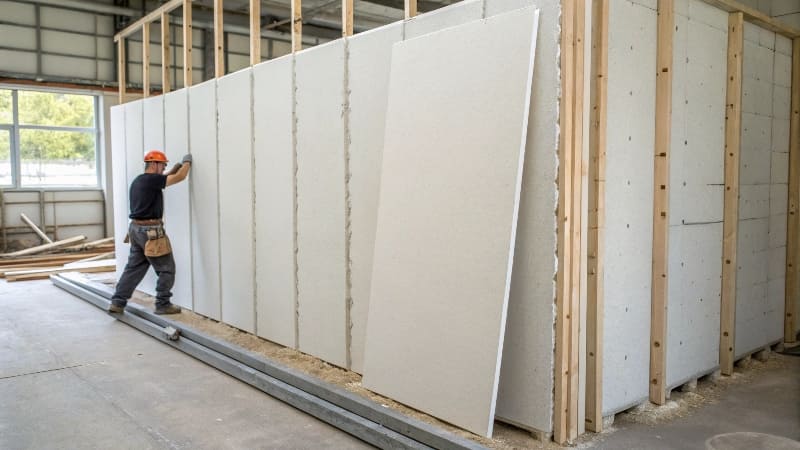
I often recommend them for kitchens, bathrooms, and utility rooms because they remain stable even in high-humidity areas. Compared to gypsum-based boards, they perform better in both fire safety and water resistance.
What are the disadvantages of calcium silicate board?
No building material is perfect, and calcium silicate board is no exception.
The downsides include higher cost than standard gypsum board, more dust during cutting, greater hardness making installation harder, and heavier weight than gypsum board.
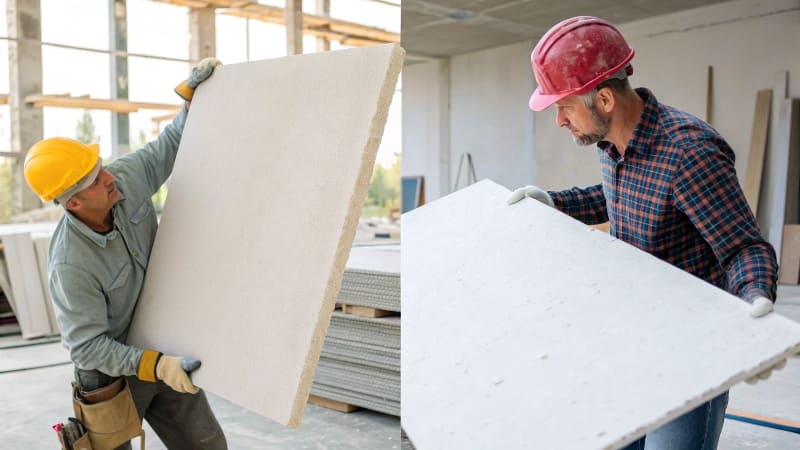
In my projects, I often point out that while calcium silicate board is lighter than cement board, it is still heavier than gypsum board. Cutting also requires proper tools like tungsten-tipped saw blades, and installers must wear masks to avoid inhaling dust. The price can be 20–30% higher than gypsum board, which affects budget planning.
| Disadvantage | Impact | Mitigation |
|---|---|---|
| Higher cost | Budget strain for large projects | Use selectively in critical areas |
| Heavy weight | More effort lifting and securing panels | Use lifting tools or team install |
| Dust during cutting | Health hazard without masks | Wear PPE and cut in ventilated area |
| Harder to cut | Slower installation | Use proper blades and techniques |
I’ve seen projects delayed simply because the team underestimated the extra preparation needed for handling these boards.
Can calcium silicate board get wet?
Clients often assume “silicate” means it will dissolve in water. The reality is quite different.
Yes, calcium silicate board can be used in wet areas because it resists moisture, does not warp easily, and maintains its strength in humid or damp conditions.
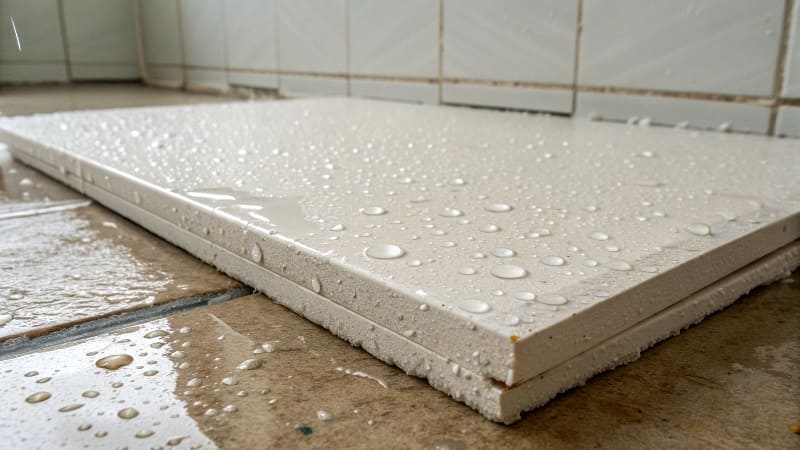
That said, "water-resistant" does not mean it should be submerged for long periods without protection. It can handle steam and splashes, making it ideal for bathrooms, kitchens, and covered outdoor areas.
In one villa renovation I managed, we used calcium silicate board in a guest bathroom that was used moderately. Three years later, there was no swelling, warping, or cracking, even without direct waterproof coating on the panel surface — just proper joint sealing and ventilation.
| Environment | Suitability | Notes |
|---|---|---|
| Kitchen walls/ceilings | High | Resists steam and splashes |
| Bathrooms | High | Use waterproof sealant on joints |
| Outdoor covered areas | Medium | Needs UV-resistant coating for longevity |
| Constant water contact | Low | Not designed for submerged conditions |
Which is better, cement board or calcium silicate board?
This is not about which is “best” overall — it’s about what works for your project.
Cement board is stronger and better for extreme wet conditions; calcium silicate board is lighter, easier to work with, and offers better fire performance while still resisting moisture.
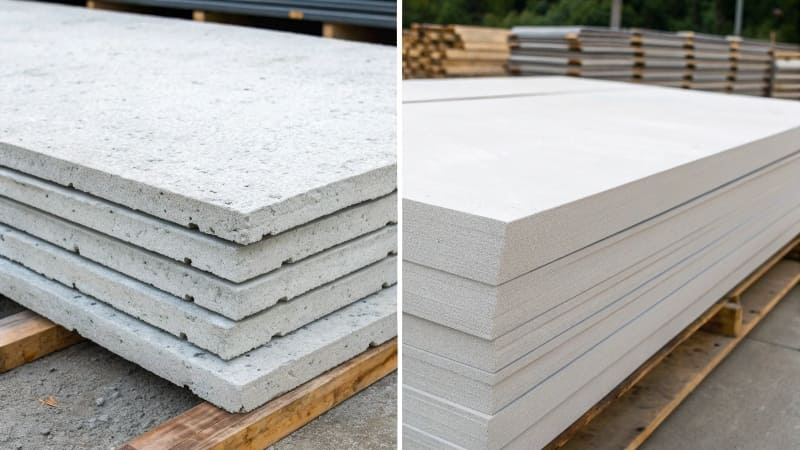
I once advised a client renovating three bathrooms in a holiday home to mix both materials: cement board for the main ensuite shower walls (heavy use and extreme humidity) and calcium silicate board for guest and semi-open outdoor bathrooms (lighter load, humidity but less water contact). This approach balanced performance, budget, and installation ease.
| Feature | Cement Board | Calcium Silicate Board |
|---|---|---|
| Moisture Resistance | Excellent (even extreme) | Very good |
| Fire Resistance | Good | Excellent |
| Weight | Heavy | Medium |
| Installation difficulty | Harder to cut and handle | Easier than cement board |
| Cost | Moderate–High | High (slightly more than gypsum) |
| Best Use | Constant wet exposure | Damp or mixed environments |
From experience, I recommend:
- Choose cement board if you face constant water exposure and long-term dampness.
- Choose calcium silicate board if you want moisture resistance plus lighter handling, better fire rating, and more flexibility in use.
Conclusion
The right choice between calcium silicate board and cement board depends on humidity levels, installation needs, and budget — not just on cost or one advertised feature.
TRUSUS – Bring beauty to every corner of the world
