




What Happens If You Don't Prime Concrete Before Painting?
Painting concrete without primer leads to poor adhesion, uneven coverage, and premature paint failure through absorption and alkalinity issues.
Painting concrete without primer causes paint absorption into porous surface resulting in poor adhesion and patchy coverage while concrete alkalinity attacks paint film causing bubbling, peeling, and color changes. Moisture migration through unprimed concrete creates blistering and coating failure with chalking and powdering occurring within months. Primer provides alkaline resistance, moisture barriers, and adhesion enhancement for successful long-term paint performance on concrete surfaces.
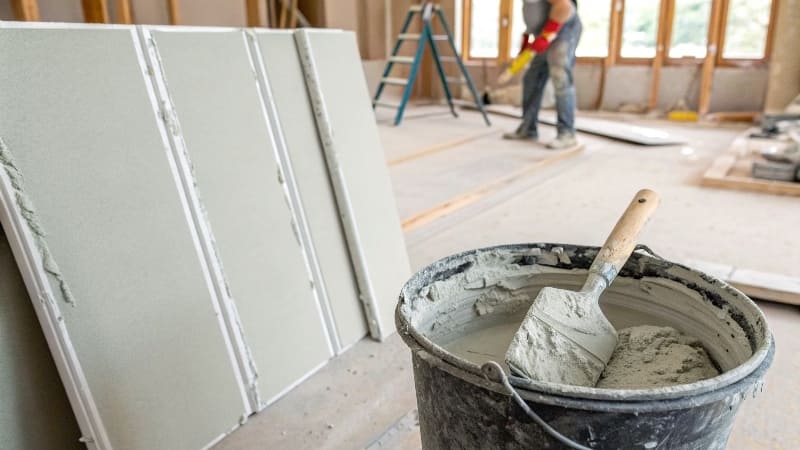
From my years of experience in cement board production and application systems, I've learned that surface preparation represents the critical foundation for coating success, with primer serving as the essential interface between alkaline concrete substrates and decorative paint systems.
Can You Paint Directly on Cement Board?
Direct painting on cement board without primer leads to adhesion problems and coating system failure over time.
Direct painting on cement board results in poor paint adhesion due to surface porosity and alkaline content while moisture absorption causes paint film instability and premature failure. Unprimed cement board surfaces show 60-80% adhesion loss within first year compared to properly primed surfaces maintaining 95% adhesion. Alkaline attack from cement causes color fading, chalking, and film degradation requiring complete repainting within 2-3 years versus 10-15 year performance with proper priming.
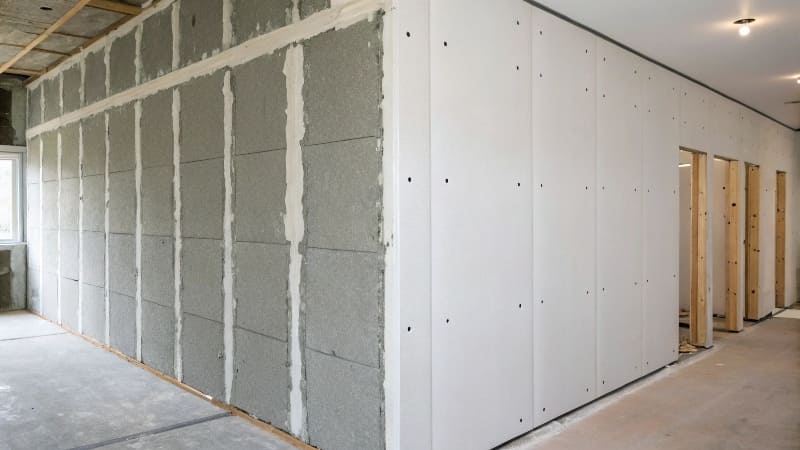
Surface Characteristics Analysis
Cement board surfaces present specific challenges requiring systematic preparation approaches.
| Surface Property | Impact Level | Paint Response | Failure Mode | Solution Method |
|---|---|---|---|---|
| Porosity | High | Excessive absorption | Patchy coverage | Sealing primer |
| Alkalinity | High | Chemical attack | Film degradation | Alkaline-resistant primer |
| Texture | Medium | Uneven coverage | Appearance issues | Fill and prime |
| Moisture Content | Variable | Adhesion problems | Blistering | Moisture control |
| Dust/Particles | Medium | Poor adhesion | Coating failure | Surface cleaning |
Alkalinity impact represents the most critical surface challenge for direct painting.
Adhesion Performance Comparison
Primed versus unprimed cement board surfaces show dramatic differences in paint performance.
| Performance Factor | Unprimed Surface | Primed Surface | Improvement Factor | Long-term Benefit |
|---|---|---|---|---|
| Initial Adhesion | 40-60% | 90-95% | 150% improvement | Foundation strength |
| Coverage Efficiency | 60-70% | 95-100% | 40% improvement | Material savings |
| Color Uniformity | Poor | Excellent | Dramatic | Aesthetic quality |
| Durability | 2-3 years | 10-15 years | 400% improvement | Lifecycle value |
| Maintenance Needs | High | Low | 70% reduction | Cost savings |
Durability improvement provides the most significant long-term value from proper priming.
Chemical Interaction Effects
Cement board alkalinity creates specific chemical challenges for paint systems without primer protection.
| Chemical Factor | pH Level | Paint Impact | Degradation Timeline | Prevention Method |
|---|---|---|---|---|
| Fresh Cement | 12-13 | Severe saponification | Days to weeks | Curing time |
| Aged Cement | 9-11 | Gradual attack | Months to years | Alkaline-resistant primer |
| Moisture Activated | 11-12 | Accelerated degradation | Weeks to months | Moisture barriers |
| Carbonated Surface | 8-9 | Minimal impact | Years | Natural aging |
Fresh cement alkalinity creates the most severe chemical challenges for paint systems.
What Paint Is Best for Cement Board?
Acrylic masonry primers with high-quality latex topcoats provide optimal performance for cement board applications.
High-build acrylic masonry primers offer superior adhesion and alkaline resistance for cement board substrates while 100% acrylic latex topcoats provide durability and color retention. Elastomeric coatings excel in high-moisture environments and specialty concrete paints offer enhanced chemical resistance. System compatibility between primer and topcoat ensures optimal performance with 10-15 year service life versus incompatible systems failing within 2-3 years.
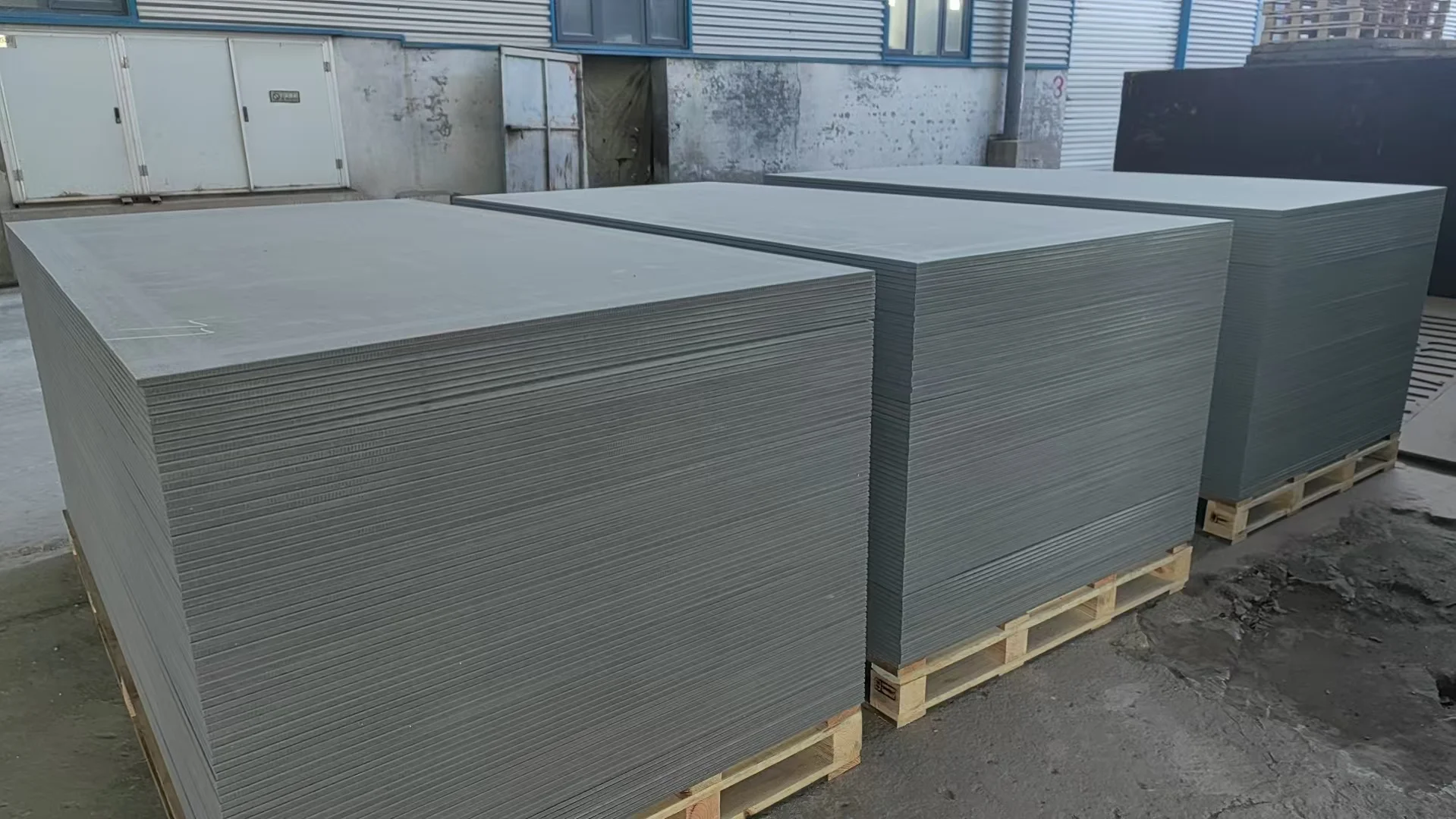
Paint System Categories
Different paint system types offer varying performance characteristics for cement board applications.
| Paint System Type | Durability Rating | Application Environment | Cost Factor | Maintenance Requirements |
|---|---|---|---|---|
| Acrylic Masonry | Excellent | General exterior | 1.0x | Low |
| Elastomeric | Superior | High moisture | 1.5x | Very low |
| Epoxy Systems | Maximum | Industrial/chemical | 2.0x | Minimal |
| Silicate Paints | Very Good | Breathable systems | 1.3x | Low |
| Standard Latex | Poor-Fair | Interior only | 0.7x | High |
Acrylic masonry systems provide optimal balance of performance, cost, and application versatility.
Performance Characteristics Comparison
Different paint systems demonstrate varying performance across critical evaluation criteria.
| Performance Criteria | Acrylic Masonry | Elastomeric | Epoxy Systems | Silicate Paints |
|---|---|---|---|---|
| Adhesion Strength | Excellent | Good | Maximum | Very Good |
| Alkaline Resistance | Excellent | Good | Maximum | Excellent |
| Moisture Handling | Good | Excellent | Fair | Excellent |
| UV Resistance | Very Good | Excellent | Good | Excellent |
| Color Retention | Very Good | Excellent | Good | Very Good |
Adhesion strength and alkaline resistance represent the most critical performance factors.
Application Environment Matching
Paint system selection should match specific environmental conditions and performance requirements.
| Environment Type | Recommended System | Key Benefits | Special Considerations | Expected Lifespan |
|---|---|---|---|---|
| Standard Exterior | Acrylic masonry | Cost-effective, durable | Proper curing time | 10-15 years |
| High Moisture | Elastomeric | Water resistance | Surface preparation | 15-20 years |
| Chemical Exposure | Epoxy systems | Chemical resistance | Professional application | 15-25 years |
| Historic Buildings | Silicate paints | Breathability | Compatibility testing | 12-18 years |
Standard exterior applications benefit most from acrylic masonry paint systems.
Is Cement Board Ruined If It Gets Wet?
Cement board demonstrates excellent moisture resistance but requires proper installation and drainage for optimal performance.
Cement board maintains structural integrity when wet due to portland cement composition and fiber reinforcement while temporary moisture exposure causes no permanent damage. Extended saturation without drying cycles can reduce performance but proper installation with moisture barriers and drainage prevents issues. Quality cement board shows less than 5% thickness swelling and maintains 90% strength retention after freeze-thaw cycling with moisture content stabilizing after drying periods.
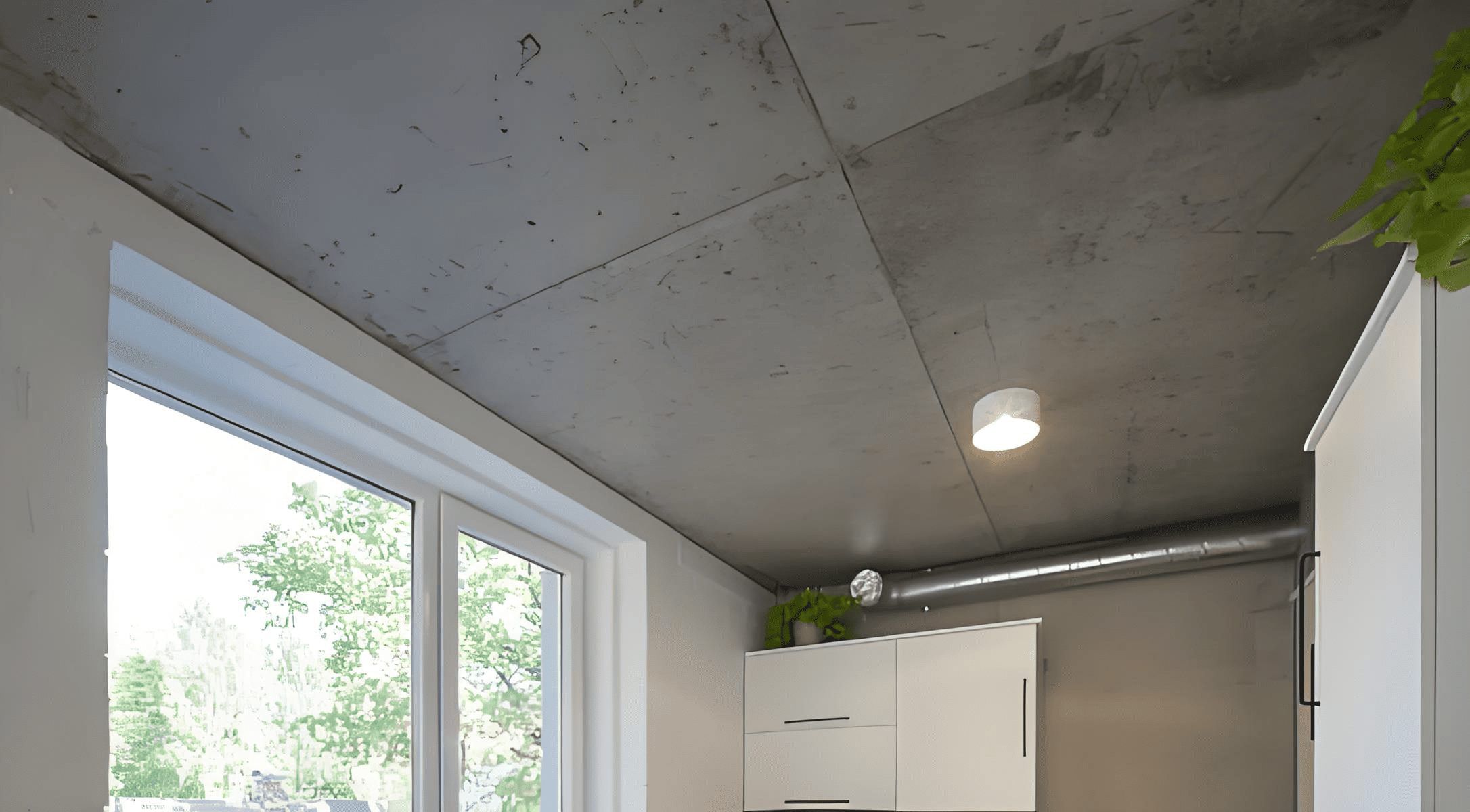
Moisture Response Characteristics
Cement board responds predictably to moisture exposure with measurable but manageable effects.
| Moisture Condition | Structural Impact | Dimensional Change | Performance Retention | Recovery Timeline |
|---|---|---|---|---|
| Brief Exposure | None | <1% swelling | 100% | Immediate |
| Extended Saturation | Minimal | 2-5% swelling | 90-95% | 24-48 hours |
| Freeze-Thaw Cycles | Slight | Variable | 85-90% | Complete drying |
| Continuous Immersion | Moderate | 5-8% swelling | 80-85% | Extended drying |
Brief moisture exposure creates no measurable impact on cement board performance.
Water Absorption Testing Results
Standardized testing reveals cement board moisture handling capabilities and limitations.
| Test Parameter | Industry Standard | Typical Results | Performance Rating | Comparative Materials |
|---|---|---|---|---|
| Strength Retention | Wet/dry cycling | 90%+ retention | Very Good | Stable performance |
| Dimensional Stability | Moisture cycling | <3% variation | Good | Predictable behavior |
Thickness swelling control demonstrates superior performance compared to wood-based materials.
Installation Impact on Moisture Performance
Proper installation practices dramatically improve cement board moisture performance and longevity.
| Installation Factor | Performance Impact | Critical Elements | Failure Prevention | Long-term Benefit |
|---|---|---|---|---|
| Moisture Barriers | High | Proper materials | Water infiltration | Extended lifespan |
| Drainage Systems | High | Adequate slope/weeps | Standing water | Structural protection |
| Joint Sealing | Medium | Quality sealants | Water penetration | Appearance maintenance |
| Flashing Details | High | Proper integration | Wall system failure | Building protection |
Moisture barrier installation provides the highest impact on long-term performance.
Environmental Condition Effects
Different environmental conditions create varying challenges for cement board moisture management.
| Environmental Factor | Risk Level | Management Strategy | Performance Impact | Monitoring Requirements |
|---|---|---|---|---|
| High Humidity | Medium | Ventilation systems | Gradual absorption | Periodic inspection |
| Direct Rain | Low | Proper coating/siding | Surface protection | Visual monitoring |
| Flooding | High | Elevation/barriers | Potential damage | Professional assessment |
| Freeze-Thaw | Medium | Moisture control | Cyclic stress | Seasonal inspection |
Flooding conditions present the highest risk requiring immediate professional evaluation.
Recovery and Maintenance Protocols
Cement board requires specific procedures for moisture recovery and ongoing maintenance.
| Recovery Stage | Timeline | Actions Required | Performance Assessment | Prevention Measures |
|---|---|---|---|---|
| Immediate Response | 0-24 hours | Remove standing water | Visual inspection | Source elimination |
| Drying Period | 1-7 days | Ventilation/heat | Moisture testing | Airflow management |
| Performance Evaluation | 1-2 weeks | Structural assessment | Load testing | Professional review |
| Preventive Maintenance | Ongoing | Regular inspection | System monitoring | Proactive repairs |
Immediate response protocols minimize potential damage and ensure optimal recovery outcomes.
Conclusion
Painting concrete without primer causes paint absorption and alkalinity attack resulting in poor adhesion, patchy coverage, and coating failure within months while primer provides alkaline resistance, moisture barriers, and adhesion enhancement for successful long-term performance. Direct painting on cement board results in 60-80% adhesion loss within first year compared to properly primed surfaces maintaining 95% adhesion with alkaline attack causing color fading and film degradation. High-build acrylic masonry primers with 100% acrylic latex topcoats provide optimal cement board performance offering 10-15 year service life while elastomeric coatings excel in high-moisture environments and system compatibility ensures optimal performance. Cement board maintains structural integrity when wet with less than 5% thickness swelling and 90% strength retention while temporary moisture exposure causes no permanent damage and proper installation with moisture barriers prevents issues. Success with cement board coating systems depends on understanding surface preparation requirements, selecting appropriate primer and topcoat combinations for specific environments, and implementing proper moisture management through installation details and maintenance protocols for optimal long-term performance.
