




What Fasteners for Cement Board?
Use corrosion-resistant screws specifically designed for cement board, including galvanized or stainless steel screws with sharp points and coarse threads, typically 1¼" to 1⅝" length for wall applications and 2" to 2½" for floor installations, spaced 8" on center on edges and 12" in the field.
Galvanized steel screws provide corrosion resistance for wet area applications while stainless steel offers superior longevity in high-moisture environments. Sharp-point screws penetrate easily through dense cement board without pre-drilling requirements. Coarse threads ensure secure holding in wood framing members with proper pull-out resistance. Screw length selection depends on board thickness plus minimum 1" penetration into structural framing. Spacing patterns follow manufacturer specifications for structural adequacy and thermal movement accommodation.
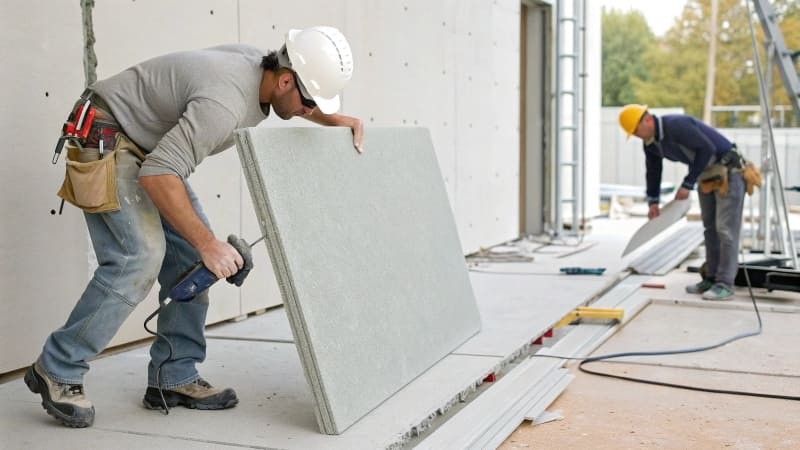
From my extensive experience in cement board manufacturing, I've observed that fastener selection directly impacts long-term installation integrity and system performance in ways many contractors underestimate.
What Do You Attach Cement Board With?
Attach cement board using appropriate screws or nails combined with construction adhesive for optimal performance, with fastener type depending on application - galvanized screws for standard installations, stainless steel for wet areas, and roofing nails for specific applications, always ensuring proper penetration into structural framing.
Construction-grade screws provide primary attachment with mechanical holding power while construction adhesive adds supplemental bonding and reduces fastener requirements. Galvanized fasteners resist corrosion in normal conditions while stainless steel handles extreme moisture exposure. Roofing nails work for specific applications but screws offer superior holding. Adhesive application requires compatible formulations for cement board substrates. Combination attachment methods provide redundant security and improved performance.
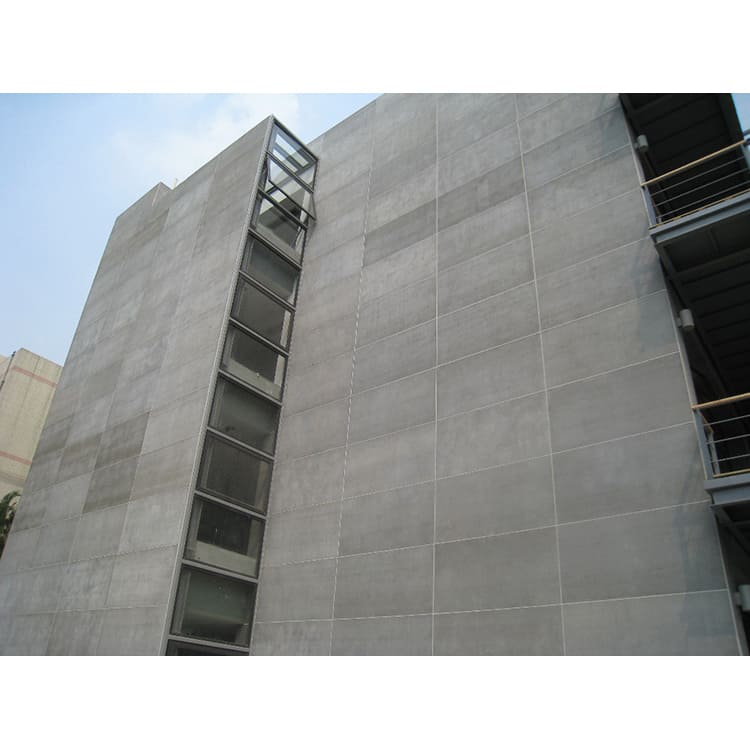
Fastener Selection Criteria
Choosing appropriate cement board fasteners requires understanding application conditions and performance requirements.
| Fastener Type | Material | Coating | Applications | Corrosion Resistance | Cost Factor |
|---|---|---|---|---|---|
| Galvanized Screws | Steel | Zinc coating | Standard installations | Good | Baseline |
| Stainless Steel | Steel alloy | Inherent resistance | Wet areas | Excellent | +200-300% |
| Polymer-Coated | Steel | Synthetic coating | Harsh environments | Very Good | +150% |
| Roofing Nails | Steel | Galvanized | Specific applications | Fair | -20% |
| Specialty Screws | Various | Advanced coatings | Extreme conditions | Superior | +400%+ |
Stainless steel screws provide optimal performance for wet area installations.
Installation Specifications
Proper cement board attachment requires adherence to specific installation parameters.
| Installation Parameter | Wall Applications | Floor Applications | Ceiling Applications | Critical Requirements |
|---|---|---|---|---|
| Screw Length | 1¼" - 1⅝" | 2" - 2½" | 1⅝" - 2" | Minimum 1" penetration |
| Edge Spacing | 8" on center | 6" on center | 8" on center | Manufacturer specs |
| Field Spacing | 12" on center | 8" on center | 12" on center | Structural adequacy |
| Edge Distance | ⅜" minimum | ½" minimum | ⅜" minimum | Prevent edge breakout |
| Countersinking | Flush to slightly below | Flush surface | Flush surface | Avoid overdriving |
Proper spacing patterns ensure structural integrity and thermal movement accommodation.
Adhesive Integration
Construction adhesive enhances cement board attachment when properly selected and applied.
| Adhesive Type | Bond Strength | Cure Time | Temperature Range | Moisture Resistance | Application Method |
|---|---|---|---|---|---|
| Polyurethane | Very High | 24-48 hours | -40°F to 180°F | Excellent | Cartridge/bulk |
| Modified Silicone | High | 12-24 hours | -65°F to 400°F | Superior | Cartridge |
| Epoxy-Based | Excellent | 4-8 hours | 32°F to 200°F | Good | Two-component |
| Acrylic Latex | Moderate | 1-4 hours | 40°F to 140°F | Fair | Ready-to-use |
| Construction Grade | Good | 2-6 hours | 20°F to 160°F | Good | Cartridge/bulk |
Polyurethane adhesives provide optimal bond strength and environmental resistance.
How to Attach Things to Cement Board?
Attach items to cement board using appropriate anchors based on weight and application: toggle bolts or molly bolts for hollow installations, masonry anchors for solid backing, construction adhesive for lightweight items, and specialized fasteners for heavy loads, always considering board thickness and structural support.
Toggle bolts work best for heavy items in hollow wall applications distributing load across board surface. Masonry anchors provide maximum holding power when cement board has solid backing support. Construction adhesive handles lightweight decorative items without penetrating board surface. Plastic anchors work for medium-weight items with proper size selection. Through-bolt systems offer ultimate holding power for structural connections requiring backing plate support.
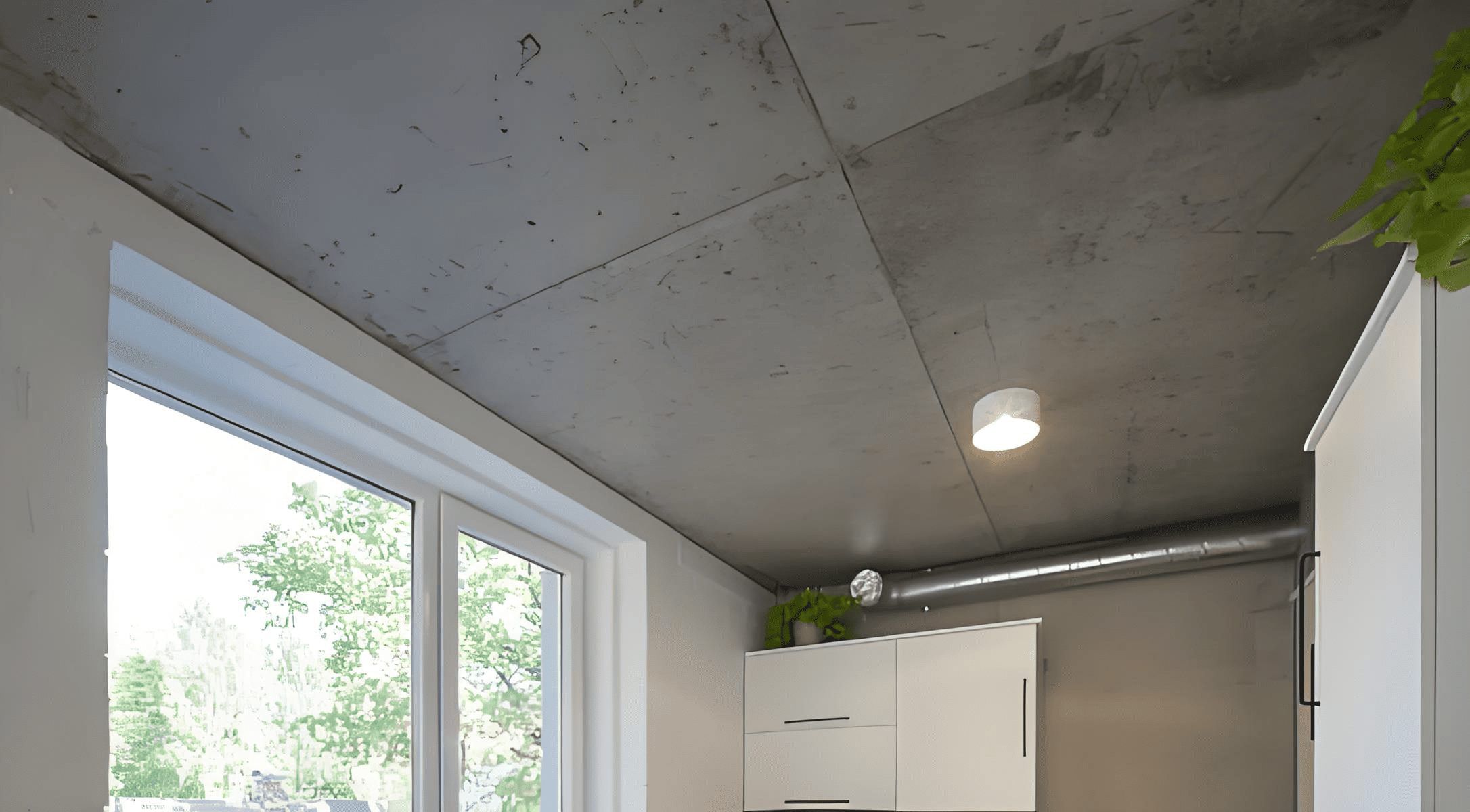
Load Capacity Analysis
Different attachment methods provide varying load capacities for cement board installations.
| Attachment Method | Weight Capacity | Installation Type | Board Thickness | Backing Requirements | Best Applications |
|---|---|---|---|---|---|
| Toggle Bolts | 50-200 lbs | Hollow wall | ½" - ⅝" | None required | Heavy fixtures |
| Masonry Anchors | 100-500 lbs | Solid backing | Any thickness | Solid substrate | Structural mounting |
| Plastic Anchors | 10-50 lbs | Standard | ½" minimum | Varies | Medium items |
| Adhesive Only | 5-25 lbs | Surface mount | Any thickness | Clean surface | Light decorative |
| Through Bolts | 200-1000 lbs | Structural | Any thickness | Backing plate | Heavy equipment |
Masonry anchors with solid backing provide maximum holding capacity.
Installation Techniques
Proper installation techniques ensure reliable attachment performance in cement board applications.
| Technique Factor | Pre-Drilling | Anchor Selection | Installation Depth | Torque Requirements | Success Indicators |
|---|---|---|---|---|---|
| Hole Preparation | Carbide bit | Size-matched | Full anchor depth | Hand-tight plus ¼ turn | Clean entry |
| Anchor Insertion | Gentle pressure | Load-appropriate | Flush surface | Manufacturer specs | Secure seating |
| Tightening Method | Controlled force | Proper driver | Even pressure | No overdriving | Firm attachment |
| Load Testing | Gradual increase | Safety margin | Pull test | 125% working load | No movement |
Proper pre-drilling prevents cement board cracking during anchor installation.
Weight Distribution Strategies
Effective load distribution maximizes cement board attachment reliability and longevity.
| Distribution Method | Load Spread | Installation Complexity | Material Requirements | Performance Benefits |
|---|---|---|---|---|
| Multiple Fasteners | Distributed points | Moderate | Additional anchors | Redundant security |
| Backing Plates | Large area | High | Metal plates | Maximum distribution |
| French Cleats | Linear distribution | Moderate | Cleat system | Easy adjustment |
| Adhesive Strips | Continuous contact | Low | Structural adhesive | Even loading |
| Toggle Arrays | Point distribution | High | Multiple toggles | High capacity |
Backing plates provide optimal load distribution for heavy installations.
What Is the Best Adhesive for Cement Board?
The best adhesives for cement board are polyurethane-based construction adhesives and modified silicone formulations that bond well to cement surfaces, resist moisture, maintain flexibility, and cure properly in alkaline conditions, with specific product selection depending on application requirements and environmental conditions.
Polyurethane construction adhesives provide excellent bond strength with cement board surfaces while maintaining flexibility for thermal movement. Modified silicone adhesives offer superior moisture resistance and temperature stability in wet area applications. Epoxy-based systems deliver maximum structural bonding for high-load applications requiring permanent attachment. Alkaline-resistant formulations prevent bond degradation from cement board chemistry. Cure characteristics must accommodate substrate porosity and moisture conditions.
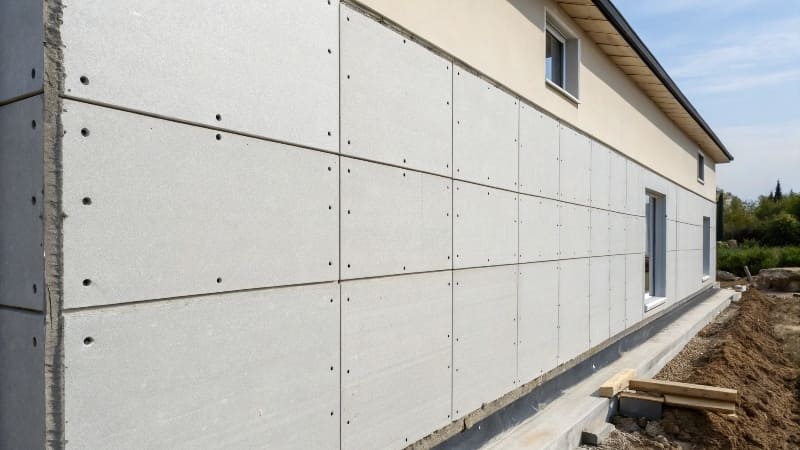
Adhesive Performance Comparison
Different adhesive formulations offer varying performance characteristics for cement board applications.
| Adhesive Type | Bond Strength | Cure Time | Flexibility | Moisture Resistance | Temperature Range | Cost Factor |
|---|---|---|---|---|---|---|
| Polyurethane | Excellent | 24-48 hrs | Very Good | Excellent | -40°F to 180°F | Moderate |
| Modified Silicone | Very Good | 12-24 hrs | Excellent | Superior | -65°F to 400°F | Higher |
| Epoxy Systems | Superior | 4-8 hrs | Limited | Good | 32°F to 200°F | High |
| Acrylic Latex | Good | 1-4 hrs | Good | Fair | 40°F to 140°F | Lower |
| Hybrid Polymers | Excellent | 6-12 hrs | Very Good | Excellent | -20°F to 250°F | Higher |
Polyurethane adhesives provide the best overall performance balance for most applications.
Application-Specific Selection
Adhesive selection should match specific cement board application requirements and environmental conditions.
| Application Type | Recommended Adhesive | Performance Priority | Environmental Factors | Installation Considerations |
|---|---|---|---|---|
| Shower Surrounds | Modified silicone | Moisture resistance | High humidity/water | Waterproof compatibility |
| Exterior Siding | Polyurethane | Weather resistance | Temperature cycling | UV stability |
| Fireplace Applications | High-temp silicone | Heat resistance | Extreme temperatures | Fire-rated systems |
| Flooring Underlayment | Polyurethane | Structural bond | Moisture/load | Subfloor compatibility |
| Decorative Panels | Acrylic latex | Workability | Indoor conditions | Easy cleanup |
Modified silicone performs best in high-moisture cement board applications.
Preparation and Application
Proper surface preparation and application technique ensure optimal adhesive performance.
| Preparation Step | Requirements | Tools Needed | Quality Indicators | Common Mistakes |
|---|---|---|---|---|
| Surface Cleaning | Dust-free, dry | Vacuum, cloth | Clean appearance | Inadequate cleaning |
| Temperature Check | Within spec range | Thermometer | Proper conditions | Cold weather application |
| Adhesive Mixing | Per instructions | Proper ratio | Uniform consistency | Incorrect proportions |
| Application Pattern | Even coverage | Appropriate gun | Consistent beads | Insufficient adhesive |
| Assembly Time | Within working time | Timer | Proper positioning | Delayed assembly |
Surface preparation critically impacts adhesive bond strength and longevity.
Conclusion
Use corrosion-resistant screws for cement board including galvanized or stainless steel with sharp points and coarse threads, 1¼" to 2½" length depending on application, spaced 8" on edges and 12" in field. Attach cement board using appropriate screws or nails combined with construction adhesive for optimal performance, with stainless steel for wet areas and galvanized for standard installations. Attach items to cement board using toggle bolts for hollow installations, masonry anchors for solid backing, construction adhesive for lightweight items, and through-bolt systems for heavy loads. Best adhesives include polyurethane construction adhesives and modified silicone formulations that bond well to cement surfaces, resist moisture, and maintain flexibility in alkaline conditions. Success with cement board installation requires understanding that proper fastener selection prevents corrosion and ensures structural integrity, combination attachment methods provide redundant security, load-appropriate anchoring prevents failure, and alkaline-resistant adhesives maintain long-term bond strength, making system compatibility and environmental conditions critical factors in achieving durable, reliable cement board installations across residential and commercial applications.
