




What Concrete Looks Like Wood Siding?
Concrete panels can be molded and finished to replicate wood siding with realistic textures and grain lines.
Fiber cement board is the most popular choice because it merges the warmth of wood with the durability of cement.
TRUSUS material insight: modern cement boards don’t imitate wood—they redefine nature through technology.
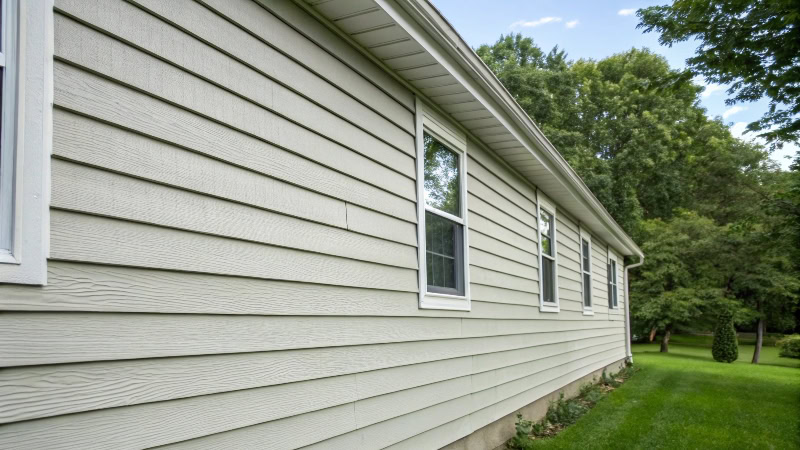
Manufacturers achieve the wood appearance by using embossed molds, multi‑layer coloring, and UV‑resistant finishes.
These finishes provide both natural grain and long‑term weather stability.
Concrete Siding Texture Guide
| Product Type | Texture Method | Appearance | Maintenance |
|---|---|---|---|
| Fiber Cement Lap Siding | Pressed wood‑grain molds | Realistic cedar look | Very low |
| WoodTex Concrete Panel | Stamped concrete patterns | Broad planks, deep grain | Minimal |
| TRUSUS Textured Board | Hybrid fiber‑cement casting | Fine wood effect | Easy‑clean surface |
The best products blend tactile realism with moisture and fire resistance that exceed any wood material.
What Fiber Cement Siding Looks Like Real Wood?
Fiber cement siding can be manufactured to look almost identical to real wood.
Through patterned casting and multilayer staining, it replicates wood’s texture and shade variations while being much more durable.
TRUSUS design insight: real wood look, minus the fire risk and maintenance burden.

Fiber Cement vs Real Wood Comparison
| Property | Fiber Cement | Real Wood |
|---|---|---|
| Appearance | Molded wood grain | Natural texture |
| Durability | 30–50 years | 10–15 years average |
| Fire Resistance | Non‑combustible (Class A) | Flammable (varies by species) |
| Maintenance | Repaint every 10–15 years | Regular sealing required |
| Moisture Resistance | Excellent | Poor under prolonged exposure |
When properly installed, painted, and sealed, fiber cement siding provides a natural wood charm with industrial durability.
Can Fiber Cement Siding Look Like Wood?
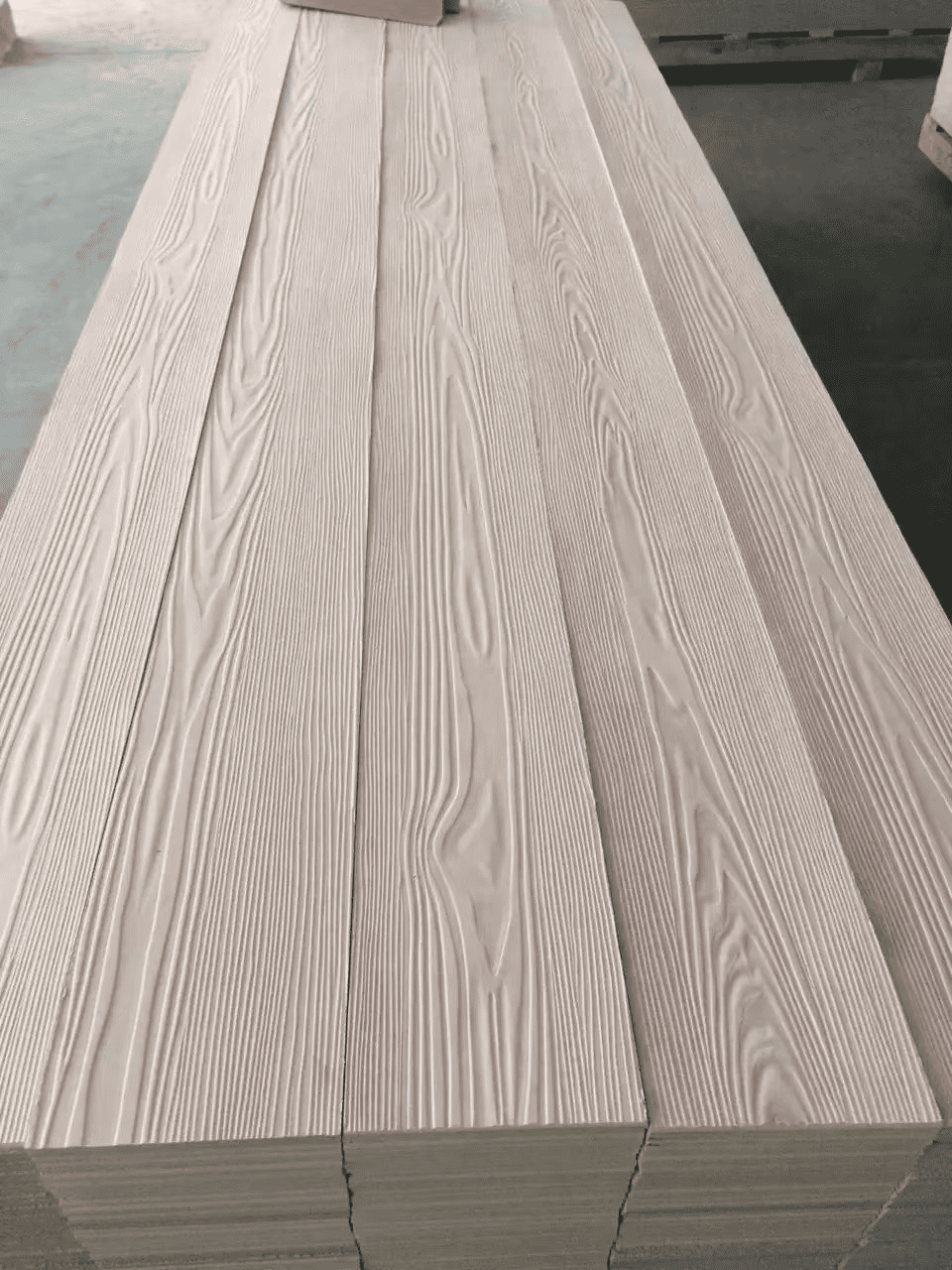
Yes. Advanced press‑forming and coating methods allow fiber cement siding to achieve both visual and tactile realism of wood.
It can even replicate species such as cedar, oak, or birch.
TRUSUS performance insight: engineering precision allows cement to breathe like wood, yet last like stone.
How‑It‑Looks Breakdown
| Feature | Technology | Result |
|---|---|---|
| Surface Texture | Molded under high pressure | Grain depth and linear pattern |
| Color Finish | Multi‑tone baked coating | Wood‑like visual depth |
| Edge Treatment | Beveled and detailed edges | Realistic board overlap |
| Touch Feel | Micro‑embossed surface | Warm tactile feedback |
The key lies in optical and physical texture—how light reflects across the embossed pattern and coating layers.
That’s what makes fiber cement appear "alive" like true timber.
What Cement Board Looks Like Wood?
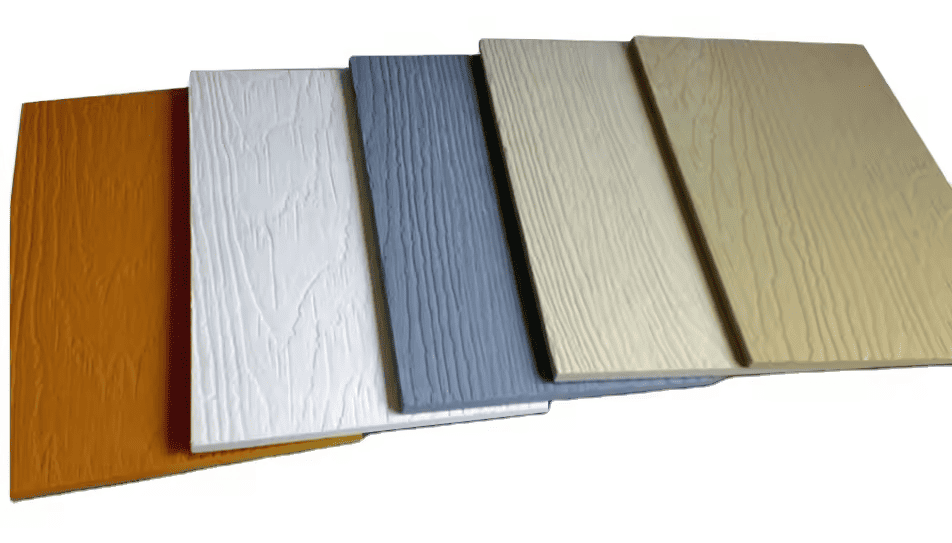
Cement boards with wood‑grain finishes—often called wood‑grain fiber cement boards—are designed specifically to replace natural timber siding.
These boards combine cement stability, cellulose reinforcement, and surface embossing molds.
TRUSUS sustainability insight: every board carries the warmth of wood but leaves the forest standing.
Wood‑Look Cement Board Traits
| Trait | Description | Benefit |
|---|---|---|
| Composition | Portland cement + cellulose fiber | Structural rigidity |
| Fire Rating | Class A non‑combustible | Safe for façades |
| Texture | Deep grain wood imprint | Natural visual harmony |
| Paint Compatibility | Accepts acrylic coatings | Wide color options |
| Lifespan | Up to 50 years | Long‑term investment |
In architectural design, this type of board extends beyond imitation—it builds a new language of “natural technology,” where material strength meets environmental responsibility.
Conclusion
At TRUSUS, I believe the value of fiber cement siding lies not in copying wood, but in recreating its spirit through durable, sustainable innovation—where technology makes nature last longer.
