




What Colors Does Fiber Cement Board Come In?
Fiber cement board comes in standard colors including gray, white, beige, and earth tones, with custom color options available through integral pigmentation, factory-applied coatings, or field-applied paint systems offering virtually unlimited color possibilities for architectural applications.
Standard and custom color options provide comprehensive design flexibility for diverse architectural requirements.
TRUSUS color technology insight: fiber cement board color achievement involves multiple technical approaches including integral coloring, surface coating systems, and custom pigmentation for optimal aesthetic and durability performance.

I increasingly see architectural projects require extensive color customization as building design becomes more aesthetically sophisticated and brand-specific.
Understanding color options enables optimal aesthetic planning and design coordination for architectural applications.
Standard Color Portfolio
| Color Category | Available Colors | Production Method | Durability Rating |
|---|---|---|---|
| Neutral tones | Gray, white, beige | Integral pigmentation | Excellent fade resistance |
| Earth tones | Terracotta, brown, tan | Through-body coloring | Superior weather resistance |
| Modern colors | Black, charcoal | Surface treatment | High UV stability |
| Light colors | Cream, off-white | Natural cement base | Long-term consistency |
Standard colors provide proven performance with established durability characteristics.
Custom Color Development
| Customization Level | Color Range | Lead Time | Minimum Order |
|---|---|---|---|
| Standard variations | 50+ options | 2-4 weeks | Standard quantities |
| Custom matching | RAL/Pantone colors | 4-6 weeks | Minimum batch requirements |
| Architectural specification | Unlimited options | 6-8 weeks | Project-specific quantities |
| Brand-specific colors | Corporate colors | 8-12 weeks | Large volume commitment |
Custom color development accommodates specific architectural and branding requirements.
Color Achievement Technologies
| Technology Method | Color Durability | Cost Factor | Application Suitability |
|---|---|---|---|
| Integral pigmentation | Excellent | Moderate | Through-body consistency |
| Factory coating | Very good | Higher | Superior finish quality |
| Surface staining | Good | Lower | Cost-effective options |
| Multi-layer systems | Excellent | Highest | Premium applications |
Different color technologies provide varying performance and cost characteristics.
UV Resistance Performance
| Color Type | UV Stability | Fade Resistance | Maintenance Requirements |
|---|---|---|---|
| Light colors | Excellent | Minimal fading | Low maintenance |
| Medium colors | Very good | Gradual change | Periodic inspection |
| Dark colors | Good | Moderate fading | Regular assessment |
| Metallic finishes | Variable | Special consideration | Specific care protocols |
Color selection affects long-term appearance maintenance and performance requirements.
Color Consistency Standards
| Quality Aspect | Measurement Standard | Tolerance Range | Control Method |
|---|---|---|---|
| Color matching | Delta E value | ±2.0 units | Spectrophotometer verification |
| Batch consistency | Visual assessment | Grade A standard | Production quality control |
| Surface uniformity | Coverage analysis | 95% consistency | Manufacturing precision |
| Long-term stability | Accelerated testing | ASTM standards | Laboratory validation |
Rigorous quality control ensures consistent color performance across production runs.
Architectural Color Coordination
| Coordination Element | Color Consideration | Design Impact | Selection Criteria |
|---|---|---|---|
| Building envelope | Overall harmony | Visual coherence | Comprehensive planning |
| Detail elements | Accent coordination | Architectural emphasis | Strategic highlighting |
| Landscape integration | Environmental harmony | Contextual appropriateness | Site-specific selection |
| Brand expression | Corporate identity | Marketing value | Brand guideline compliance |
Color selection requires comprehensive architectural and branding coordination.
Why Color Variety Matters
| Limited Color Options | Comprehensive Color Portfolio |
|---|---|
| Design constraints | Creative freedom |
| Generic appearance | Distinctive aesthetics |
| Standard solutions | Customized architectural expression |
Extensive color options enable distinctive architectural design and brand expression.
The Industry Shift Behind Color Questions
| Traditional Fiber Cement | Modern Aesthetic Applications |
|---|---|
| Limited gray options | Full spectrum color availability |
| Functional focus | Aesthetic-driven selection |
| Standard appearances | Customized design solutions |
I increasingly see architectural projects implement comprehensive color strategies that integrate fiber cement board colors with overall design aesthetics, brand identity, and environmental harmony for distinctive building character.
Can Fiber Cement Board Be Painted Any Color?
Fiber cement board can be painted virtually any color using appropriate primer and paint systems, with proper surface preparation and high-quality architectural coatings providing 15-20 years of durable color performance and weather resistance.
Professional painting systems enable unlimited color possibilities while maintaining weather protection and aesthetic longevity.
TRUSUS painting system insight: successful fiber cement board painting requires understanding surface preparation, primer selection, paint compatibility, and application techniques for optimal adhesion and durability.
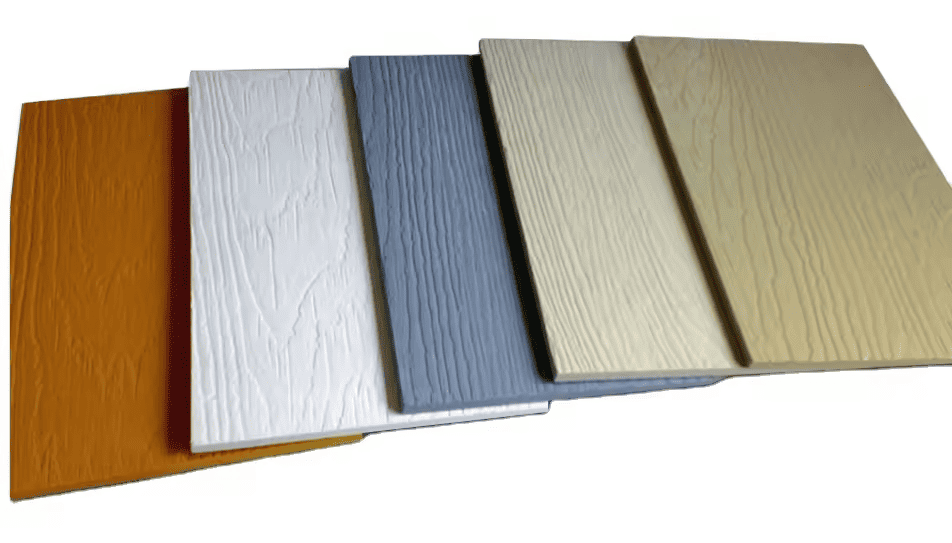
I increasingly see construction projects utilize field-applied paint systems for maximum color flexibility and design customization in architectural applications.
Understanding painting requirements enables optimal color achievement and long-term performance for architectural projects.
Surface Preparation Requirements
| Preparation Stage | Process Details | Quality Standards | Performance Impact |
|---|---|---|---|
| Surface cleaning | Dust/debris removal | Clean, dry surface | Optimal adhesion |
| Defect repair | Fill gaps/imperfections | Smooth consistency | Uniform appearance |
| Alkalinity neutralization | pH treatment if required | Neutral surface pH | Prevent coating failure |
| Moisture control | Proper drying time | <15% moisture content | Adhesion assurance |
Thorough surface preparation ensures optimal paint adhesion and longevity.
Primer System Selection
| Primer Type | Application Method | Performance Characteristics | Suitability |
|---|---|---|---|
| Alkali-resistant primer | Brush/roller/spray | Blocks alkaline migration | Standard applications |
| High-build primer | Spray application | Surface leveling/sealing | Premium finishes |
| Specialty primers | Product-specific | Enhanced adhesion | Challenging conditions |
| Universal primers | Multiple methods | General compatibility | Cost-effective solutions |
Proper primer selection ensures optimal paint adhesion and performance.
Paint System Categories
| Paint Type | Durability | Color Options | Application Suitability |
|---|---|---|---|
| Acrylic latex | 10-15 years | Full spectrum | General residential/commercial |
| 100% acrylic | 15-20 years | Unlimited colors | Premium applications |
| Elastomeric | 15-25 years | Standard colors | Extreme weather conditions |
| Specialty coatings | Variable | Custom options | Specific performance requirements |
Different paint systems provide varying durability and color performance characteristics.
Application Techniques
| Application Method | Coverage Rate | Finish Quality | Equipment Requirements |
|---|---|---|---|
| Brush application | 350-400 sf/gal | High quality | Standard brushes |
| Roller application | 400-450 sf/gal | Good efficiency | Premium rollers |
| Spray application | 300-350 sf/gal | Excellent finish | Professional equipment |
| Combination methods | Variable | Optimal results | Multiple tools |
Proper application technique affects coverage, appearance, and coating performance.
Color Performance Factors
| Performance Factor | Impact on Longevity | Optimization Strategy | Maintenance Requirement |
|---|---|---|---|
| UV resistance | Fade prevention | Quality paint selection | Periodic inspection |
| Moisture resistance | Coating integrity | Proper application | Weather monitoring |
| Thermal cycling | Expansion/contraction | Flexible formulations | Seasonal assessment |
| Environmental exposure | Overall durability | Site-specific selection | Proactive maintenance |
Understanding performance factors enables optimal paint system selection and maintenance.
Quality Control Standards
| Quality Aspect | Measurement Method | Acceptance Criteria | Verification Process |
|---|---|---|---|
| Color matching | Spectrophotometer | Delta E <2.0 | Laboratory verification |
| Coverage uniformity | Visual inspection | Complete coverage | Field assessment |
| Adhesion strength | Pull-off testing | ASTM standards | Quality testing |
| Surface defects | Detailed examination | Zero defects | Comprehensive review |
Rigorous quality control ensures optimal painting results and longevity.
Cost-Benefit Analysis
| Cost Component | Investment Level | Performance Return | Long-term Value |
|---|---|---|---|
| Premium paint systems | Higher initial cost | Extended durability | Lower lifecycle cost |
| Professional application | Moderate investment | Superior results | Warranty protection |
| Quality preparation | Upfront expense | Optimal performance | Maintenance reduction |
| Maintenance planning | Ongoing budget | Appearance preservation | Asset protection |
Quality painting systems provide superior long-term value despite higher initial investment.
Why Painting Capability Matters
| Factory Colors Only | Unlimited Painting Options |
|---|---|
| Limited design choices | Complete color freedom |
| Standard appearances | Customized aesthetics |
| Fixed color commitment | Color change flexibility |
Painting capability provides unlimited color possibilities and design flexibility for architectural projects.
The Industry Shift Behind Painting Questions
| Traditional Color Options | Modern Paint System Applications |
|---|---|
| Limited factory colors | Unlimited field-applied colors |
| Standard color selections | Custom color matching |
| Fixed aesthetic choices | Flexible design solutions |
I increasingly see architectural projects implement comprehensive paint system strategies that provide unlimited color options, custom aesthetic solutions, and long-term performance for distinctive building design and brand expression.
What Is The Difference Between Smooth And Textured Fiber Cement Board?
Smooth fiber cement board features a flat, uniform surface ideal for modern architectural styles and easy maintenance, while textured versions offer dimensional surface patterns providing visual interest, slip resistance, and traditional aesthetic appeal for diverse design applications.
Surface texture affects both aesthetic appeal and functional performance characteristics.
TRUSUS surface technology insight: smooth and textured fiber cement surfaces represent different manufacturing approaches and aesthetic philosophies, each offering distinct advantages for specific architectural applications and design objectives.

I increasingly see architectural projects select surface textures based on comprehensive design strategies integrating aesthetics, functionality, and maintenance considerations.
Understanding surface differences enables optimal selection for specific architectural requirements and design objectives.
Surface Manufacturing Processes
| Surface Type | Manufacturing Method | Production Technique | Quality Control |
|---|---|---|---|
| Smooth finish | Precision pressing | Hydraulic compression | Surface uniformity |
| Light texture | Roller imprinting | Controlled texturing | Pattern consistency |
| Deep texture | Mold pressing | Dimensional forming | Texture definition |
| Custom patterns | Specialized tooling | Pattern-specific process | Design accuracy |
Different manufacturing processes create distinct surface characteristics and performance properties.
Aesthetic Characteristics
| Surface Type | Visual Impact | Architectural Style | Design Applications |
|---|---|---|---|
| Smooth finish | Clean, modern appearance | Contemporary/minimalist | Urban commercial buildings |
| Light texture | Subtle visual interest | Transitional styles | Residential/light commercial |
| Deep texture | Bold dimensional effect | Traditional/rustic | Heritage/natural settings |
| Wood grain texture | Natural material simulation | Organic/warm aesthetics | Residential/hospitality |
Surface texture significantly influences architectural character and design compatibility.
Functional Performance Differences
| Performance Aspect | Smooth Surface | Textured Surface | Application Benefit |
|---|---|---|---|
| Slip resistance | Standard | Enhanced | Safety improvement |
| Dirt accumulation | Moderate | Variable by texture | Maintenance consideration |
| Cleaning ease | Excellent | More challenging | Operational efficiency |
| Weather shedding | Good | Excellent | Moisture management |
Surface texture affects functional performance and maintenance requirements.
Maintenance Requirements
| Maintenance Factor | Smooth Surface | Textured Surface | Maintenance Strategy |
|---|---|---|---|
| Cleaning frequency | Standard | More frequent | Regular schedule |
| Cleaning methods | Simple washing | Specialized techniques | Appropriate tools |
| Stain removal | Straightforward | More difficult | Prevention focus |
| Long-term care | Minimal | Moderate | Proactive maintenance |
Surface texture significantly influences maintenance requirements and operational costs.
Paint Application Differences
| Application Aspect | Smooth Surface | Textured Surface | Technical Consideration |
|---|---|---|---|
| Paint coverage | Standard rates | Higher consumption | Cost calculation |
| Application technique | Standard methods | Specialized approaches | Equipment selection |
| Finish quality | Uniform appearance | Variable results | Quality expectations |
| Touch-up ease | Simple process | Complex procedure | Maintenance planning |
Surface texture affects paint application techniques and coverage requirements.
Light Interaction Effects
| Light Characteristic | Smooth Surface | Textured Surface | Visual Result |
|---|---|---|---|
| Reflection pattern | Uniform reflection | Varied shadows | Dynamic appearance |
| Glare potential | Possible glare | Reduced glare | Visual comfort |
| Color appearance | True color | Enhanced depth | Aesthetic richness |
| Architectural emphasis | Clean lines | Surface interest | Design character |
Surface texture significantly influences light interaction and visual effects.
Selection Guidelines
| Selection Criteria | Smooth Choice | Textured Choice | Decision Factors |
|---|---|---|---|
| Design style | Modern/contemporary | Traditional/natural | Aesthetic preference |
| Maintenance priority | Low maintenance | Aesthetic priority | Operational requirements |
| Safety requirements | Standard | Enhanced slip resistance | Performance needs |
| Cost considerations | Standard cost | Variable pricing | Budget constraints |
Selection depends on balancing aesthetic preferences with functional requirements.
Why Surface Choice Matters
| Single Surface Option | Optimized Surface Selection |
|---|---|
| Generic appearance | Design-specific aesthetics |
| Standard functionality | Performance-optimized features |
| Limited applications | Versatile design solutions |
Appropriate surface selection optimizes both aesthetic appeal and functional performance.
The Industry Shift Behind Texture Questions
| Traditional Fiber Cement | Modern Surface Options |
|---|---|
| Limited surface options | Comprehensive texture portfolio |
| Functional focus | Aesthetic-driven selection |
| Standard applications | Customized surface solutions |
I increasingly see architectural projects implement strategic surface selection that integrates texture choices with overall design aesthetics, functional requirements, and maintenance considerations for optimal building performance and visual appeal.
Is Fiber Cement Board Available With A Wood Grain Finish?
Fiber cement board is available with realistic wood grain finishes achieved through advanced embossing techniques and multi-layer coloring systems, providing 90%+ visual authenticity while maintaining superior fire resistance, moisture protection, and pest immunity compared to natural wood.
Wood grain fiber cement combines natural aesthetics with engineered performance for optimal building solutions.
TRUSUS wood grain technology insight: advanced manufacturing techniques create highly realistic wood grain textures and colors in fiber cement board while preserving all performance advantages of the engineered material system.
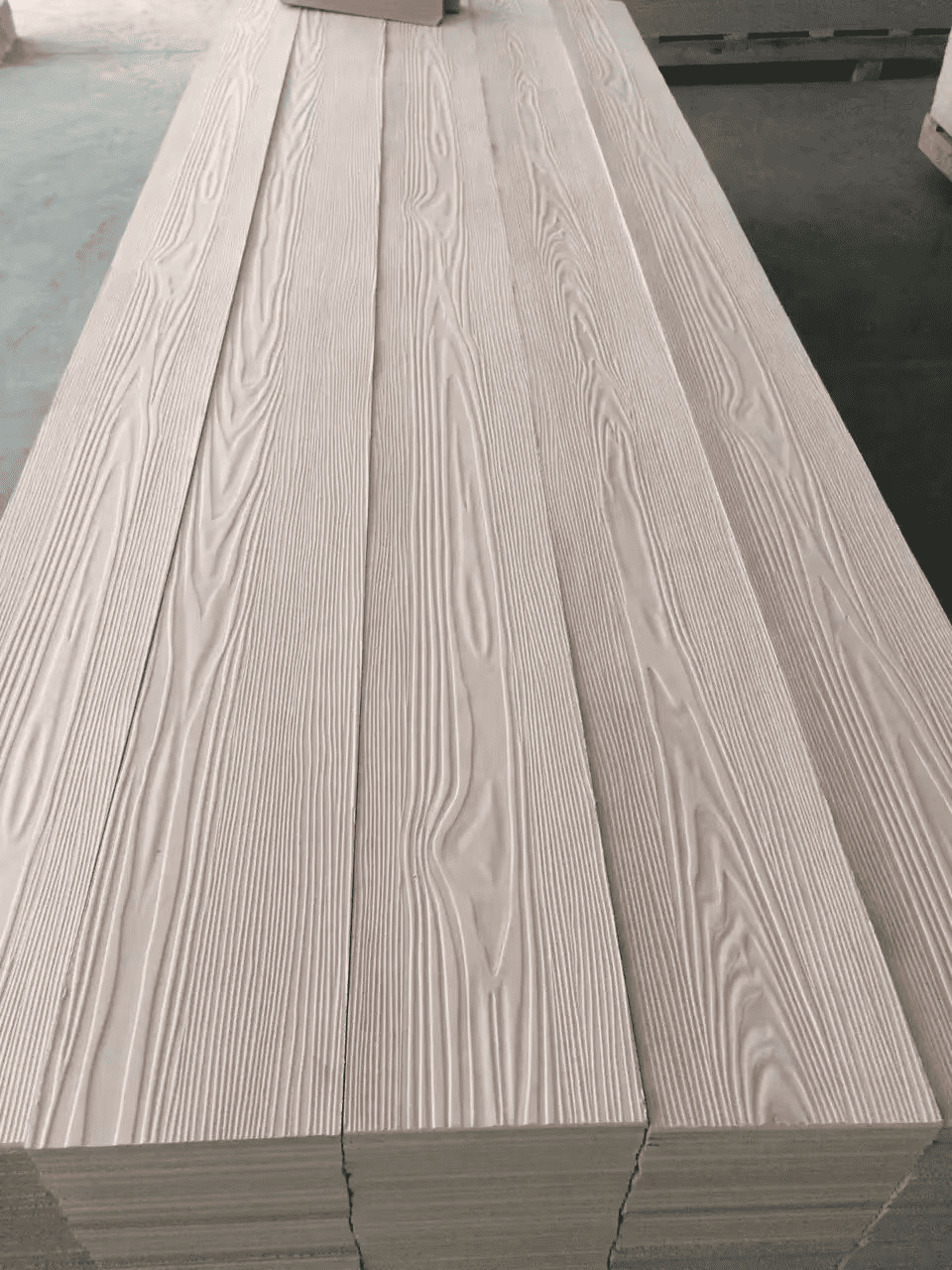
I increasingly see architectural projects specify wood grain fiber cement for applications requiring natural aesthetics combined with superior durability and fire safety performance.
Understanding wood grain options enables optimal aesthetic solutions with engineered performance benefits.
Wood Grain Manufacturing Technology
| Manufacturing Process | Technique | Realism Level | Production Capability |
|---|---|---|---|
| Deep embossing | Hydraulic pressing | 90-95% realistic | High-volume production |
| Multi-stage texturing | Sequential processing | 95%+ authentic | Premium applications |
| Digital pattern creation | Computer-controlled | Variable patterns | Custom designs |
| Natural template replication | Real wood molds | Maximum authenticity | Specialized production |
Advanced manufacturing creates highly realistic wood grain patterns with consistent quality.
Wood Species Replication
| Wood Species | Grain Characteristics | Color Range | Application Suitability |
|---|---|---|---|
| Cedar | Fine, straight grain | Light to medium | Residential siding |
| Oak | Prominent grain pattern | Medium to dark | Traditional applications |
| Pine | Visible knots, varied grain | Light tones | Rustic/natural settings |
| Mahogany | Smooth, flowing grain | Rich brown tones | Premium applications |
Multiple wood species patterns provide diverse aesthetic options for architectural applications.
Performance Comparison
| Performance Factor | Wood Grain Fiber Cement | Natural Wood | Advantage |
|---|---|---|---|
| Fire resistance | Class A rating | Combustible | Safety superiority |
| Moisture resistance | Excellent | Variable | Durability advantage |
| Pest immunity | Complete protection | Vulnerable | Maintenance reduction |
| Dimensional stability | Minimal movement | Significant movement | Structural reliability |
Wood grain fiber cement provides natural aesthetics with superior performance characteristics.
Color Integration Systems
| Color System | Application Method | Durability | Aesthetic Result |
|---|---|---|---|
| Integral coloring | Through-body pigmentation | Excellent | Consistent appearance |
| Surface staining | Multi-layer application | Very good | Natural variation |
| Printed patterns | Digital color application | Good | Detailed reproduction |
| Hand-applied finishes | Artisan techniques | Variable | Custom aesthetics |
Multiple coloring systems create authentic wood appearance with varying durability characteristics.
Installation Considerations
| Installation Factor | Special Requirements | Technical Considerations | Performance Impact |
|---|---|---|---|
| Grain alignment | Pattern matching | Installation planning | Visual continuity |
| Joint treatment | Texture coordination | Specialized techniques | Seamless appearance |
| Fastener placement | Concealed mounting | Strategic positioning | Clean aesthetics |
| Edge finishing | Texture continuation | Detail coordination | Professional results |
Wood grain installation requires specialized techniques for optimal aesthetic results.
Maintenance Advantages
| Maintenance Aspect | Wood Grain Fiber Cement | Natural Wood | Maintenance Benefit |
|---|---|---|---|
| Refinishing frequency | 15-20 years | 3-5 years | Reduced maintenance |
| Pest treatment | Not required | Regular treatment | Cost savings |
| Moisture damage | Highly resistant | Susceptible | Reliability advantage |
| Color consistency | Stable | Fading/weathering | Appearance preservation |
Wood grain fiber cement significantly reduces maintenance requirements compared to natural wood.
Application Areas
| Application Type | Suitability | Performance Benefit | Aesthetic Value |
|---|---|---|---|
| Exterior siding | Excellent | Weather resistance | Natural appearance |
| Accent walls | Very good | Fire safety | Visual interest |
| Commercial facades | Good | Low maintenance | Professional aesthetics |
| Interior applications | Specialized | Design flexibility | Natural warmth |
Wood grain finish suits diverse architectural applications with varying performance priorities.
Cost-Benefit Analysis
| Cost Factor | Initial Investment | Long-term Value | Economic Advantage |
|---|---|---|---|
| Material cost | Moderate premium | Maintenance savings | Lifecycle value |
| Installation cost | Standard | Reduced callbacks | Quality assurance |
| Maintenance cost | Minimal | Significant savings | Operational efficiency |
| Replacement frequency | Extended intervals | Cost avoidance | Investment protection |
Wood grain fiber cement provides superior long-term value despite moderate initial premium.
Why Wood Grain Availability Matters
| Standard Fiber Cement | Wood Grain Options |
|---|---|
| Industrial appearance | Natural aesthetics |
| Limited design appeal | Residential/commercial versatility |
| Functional focus only | Beauty plus performance |
Wood grain availability expands design possibilities while maintaining engineered performance advantages.
The Industry Shift Behind Wood Grain Questions
| Traditional Fiber Cement | Modern Aesthetic Options |
|---|---|
| Basic gray appearance | Natural wood simulation |
| Functional applications | Aesthetic-driven selection |
| Limited design appeal | Comprehensive appearance options |
I increasingly see architectural projects implement wood grain fiber cement solutions that combine natural aesthetic appeal with superior fire safety, moisture resistance, and pest immunity for optimal building performance and visual appeal.
Conclusion
At TRUSUS, I see fiber cement board applications evolving from basic functional requirements toward comprehensive aesthetic solutions including extensive color options, unlimited painting possibilities, diverse surface textures, and realistic wood grain finishes for enhanced architectural expression.
Success requires treating fiber cement board as an aesthetic building system demanding systematic analysis of color technology, surface characteristics, finishing techniques, and performance integration for optimal architectural and functional results.
