




What color is cement board?
Many people see cement board as plain, dull grey, but there’s more to it than meets the eye.
Standard cement board is usually natural grey, reflecting the original color of cement without added pigments.
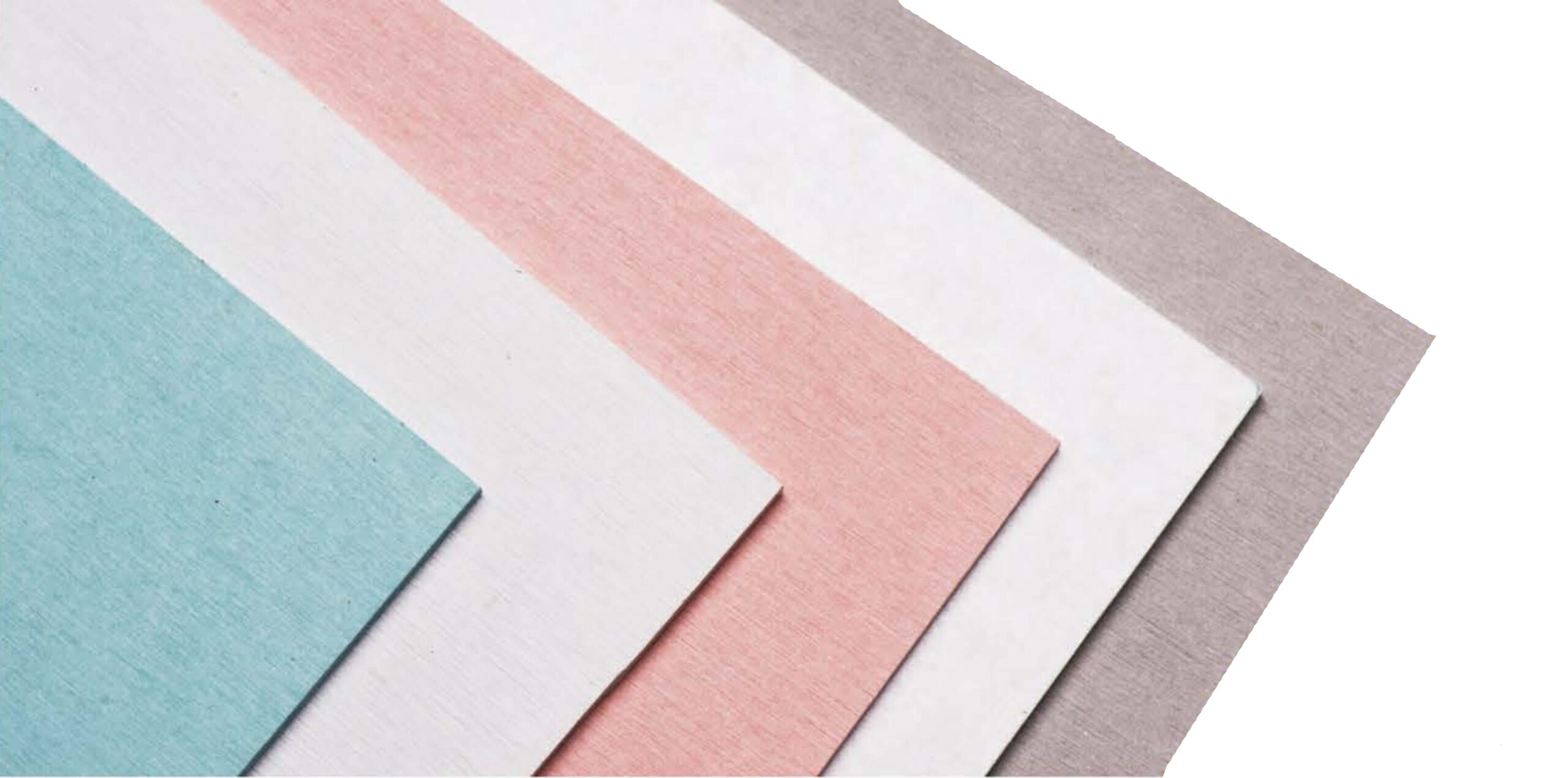
I’ve worked with cement boards for years, and this grey tone is the most common starting point. But asking “What color is cement board?” opens the door to a wider world of possibilities. Modern production allows for customization far beyond the natural look.
How many types of cement color are there?
Some think grey is the only option, but manufacturing advancements have changed this.
Cement boards can come in more than ten colors, including grey, white, beige, light brown, and dark grey, all tested for outdoor durability.

To dive deeper, colors in cement boards are achieved either during manufacturing by adding inorganic pigments or later by applying high-performance coatings. When pigments are mixed into the cement slurry, they penetrate the surface and create a consistent, long-lasting finish.
| Color Option | Typical Use Case | Durability Level |
|---|---|---|
| Classic Grey | General construction, industrial spaces | High |
| Warm White | Interior walls, minimal designs | High |
| Beige | Commercial facades, warm tone designs | High |
| Light Brown | Feature walls, rustic themes | High |
| Dark Grey | Modern exteriors, UV resistance | Very High |
I remember a project where the client wanted warm white panels for a hotel lobby. We opted for pigment-based boards, which held color consistently without fading. The choice completely transformed the space.
What type of paint for cement board?
Applying the wrong paint to cement boards can lead to peeling and cracks.
Use specialized paints like silicate, acrylic, or elastic coatings for cement boards to ensure strong adhesion and durability.

Here’s the deeper reason: cement boards have a slightly alkaline surface and a porous texture. This makes many standard paints unsuitable because they fail to bond well. Silicate paints chemically bond to mineral surfaces. Acrylic paints create a flexible, moisture-resistant layer. Elastic paints handle temperature changes without cracking.
| Paint Type | Adhesion Quality | Weather Resistance | Best Use Environment |
|---|---|---|---|
| Silicate | Chemical bonding | Very High | Exterior walls |
| Acrylic | Good surface grip | High | Both interior/exterior |
| Elastic Coating | Flexible under stress | Very High | Outdoor high-temp areas |
In exterior factory walls I worked on, we applied elastic coatings over cement boards to resist both heat and heavy rain. They looked new even after years of exposure.
What color is cement color?
People sometimes confuse “cement color” with paint color.
Cement color naturally appears in shades of grey, from light to dark, depending on raw materials and curing methods.
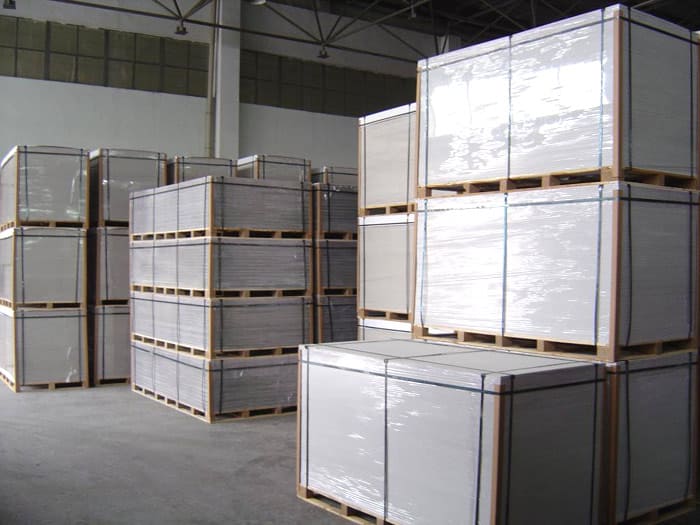
Looking closer, cement’s base color is determined by the type of clinker, amount of gypsum, and mineral additives. Light grey occurs when raw materials are cleaner with less iron. Darker shades are caused by more iron oxide or specific fly ash types in the mix.
| Shade | Main Cause | Common Applications |
|---|---|---|
| Light Grey | Low iron content, pure limestone | Decorative panels |
| Medium Grey | Standard portland cement mix | General structures |
| Dark Grey | Higher iron and mineral content | Industrial modules |
I once supplied light grey cement boards for a museum’s exterior, where the natural tone complemented the stone landscaping. No paint was needed, yet it achieved a deliberate aesthetic style.
Conclusion
Cement board color is not limited to plain grey—manufacture and coating choices open a full palette, balancing beauty and durability.
