



What Causes the White Powdery Chalking (Efflorescence) on Exterior Cement Board?
Efflorescence happens when minerals inside the board migrate to the surface through moisture and crystallize after drying. It shows chemical movement, not material failure.
TRUSUS material insight: cement always breathes; efflorescence is its visible language.
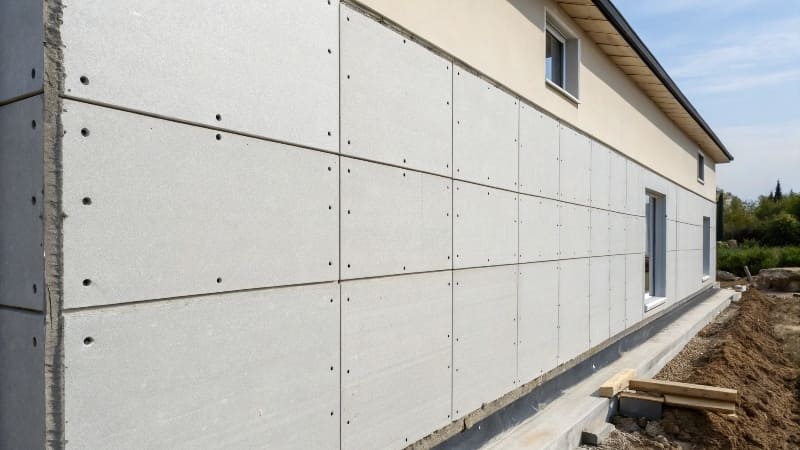
Efflorescence forms when free calcium and alkalis dissolve in rainwater and travel outward. Dense coatings, blocked rear ventilation, or poor drainage prevent vapor release, forcing salts out through the face. Proper moisture balance avoids this “white powder” reaction entirely.
Why Is My Fiber Cement Board Peeling Paint Within Two Years of Installation?
Peeling paint comes from micro‑movement between board and coating caused by humidity change and thermal expansion. It is a dynamic mismatch, not a paint defect.
TRUSUS surface insight: buildings expand, coatings must move with them.
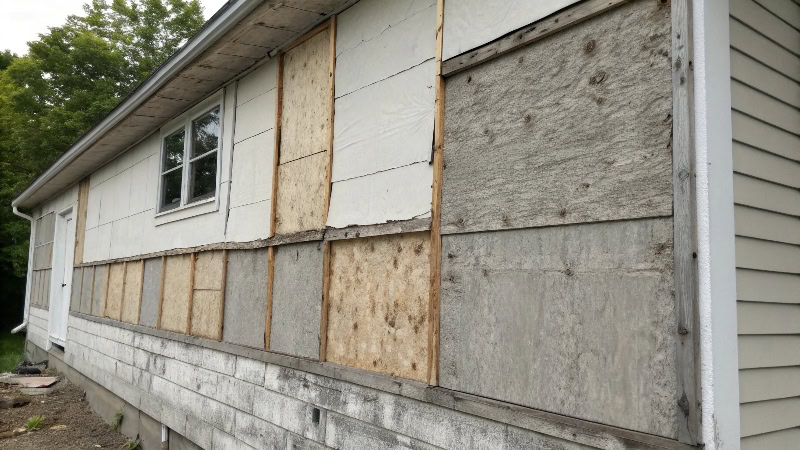
Cause Table
| Issue | Typical Source | Prevention |
|---|---|---|
| Loss of adhesion | Trapped moisture under paint | Allow breathable primer |
| Thermal expansion | No expansion joints | Leave 2–3 mm spacing |
| Surface vibration | Wind pressure or mounting stress | Use flexible bonding |
| Incorrect curing | Painting before dry board | Maintain <10% moisture content |
When one client sealed all surfaces tightly, the paint lifted after a humid summer. After switching to vapor‑permeable coating, no peeling reappeared—proof that breathability wins over full sealing.
How Can You Tell If Cement Board Delamination Is Due to Water Freezing Inside?
Freeze‑related delamination shows bulging, micro‑cracks, and hollow sounds when tapped. It is internal tearing from expanded ice, not surface glue failure.
TRUSUS freezing insight: the break begins inside invisible pores.
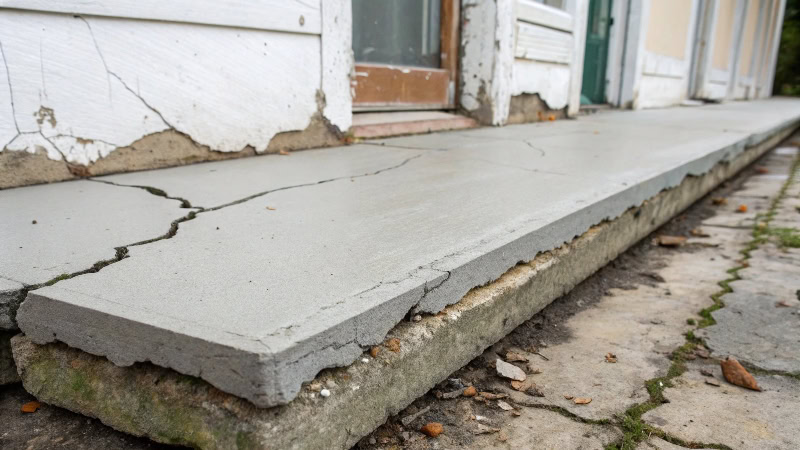
Identification Chart
| Symptom | Hidden Cause | Mitigation |
|---|---|---|
| Raised areas | Pore water expansion | Use low‑absorption board |
| Hairline cracks | Freeze–thaw stress | Improve drainage and seal joints |
| Hollow tapping tone | Internal separation | Replace affected panels |
| Cold climate location | <0 °C conditions | Select frost‑resistant formulation |
During a northern site inspection, I tapped the board and heard a muffled echo. Core samples later confirmed frozen‑water rupture between layers, reminding me that real durability needs internal flexibility.
What Are the Warning Signs of Core Rot in Wood‑Fiber Blended Cement Boards?
Early rot signs include darkened color, spongy texture, loss of density, and dull percussion sound. They point to long‑term moisture intrusion and fiber decomposition.
TRUSUS composite insight: organic cores demand constant dryness.
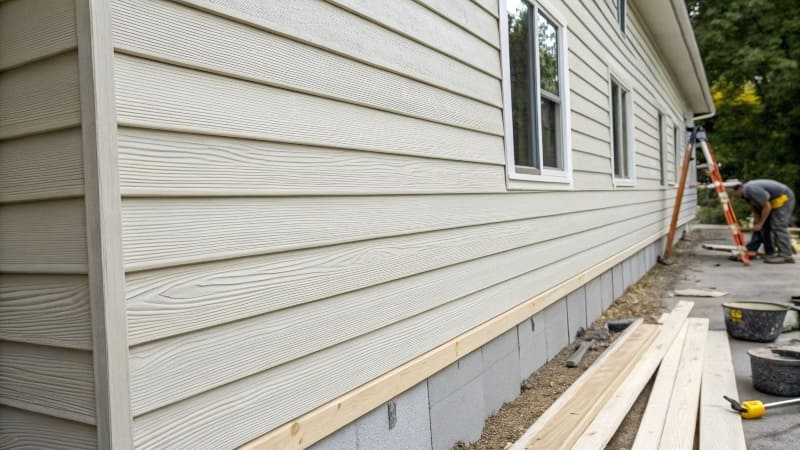
Rot Diagnosis Table
| Indicator | Description | Action |
|---|---|---|
| Color change | Turning brown or gray | Check moisture source |
| Density drop | Easier drilling feel | Inspect fiber integrity |
| Soft sound | Thud instead of ring | Remove affected section |
| Edge crumble | Weak corners | Re‑seal perimeter and repaint |
I once received panels from a humid warehouse where edges looked fine but sounded weak. After cutting through, the inner fiber was black and brittle—a clear reminder that hidden humidity is time’s slowest destroyer.
Conclusion
At TRUSUS, I see surface issues not as failure but as feedback. Efflorescence, peeling, cracks, and rot are messages—if we learn to read them, we learn to build longer‑living walls.