




What Are The Standard Sizes For Fiber Cement Board?
Fiber cement boards are commonly available in standard sizes such as 1220×2440 mm (4×8 ft), 1200×2400 mm, and 1000×2000 mm, with thicknesses ranging from 4 mm to 25 mm depending on the application. The correct size depends on structural requirements, installation methods, and project design goals.
TRUSUS technical insight: customers today increasingly choose fiber cement boards based on engineering performance instead of only price or habit.
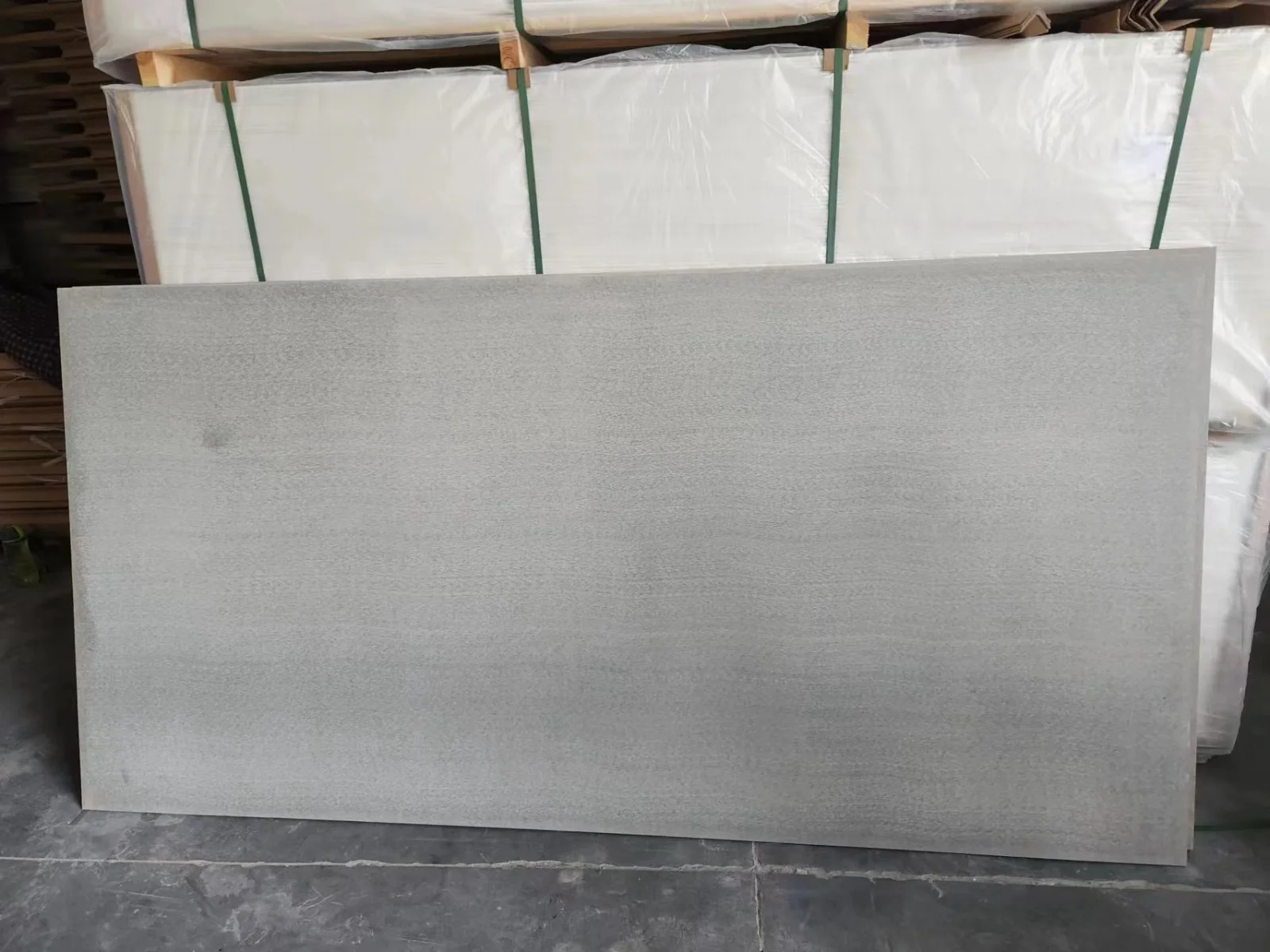
I increasingly see contractors and designers asking for exact board specifications because modern construction projects demand tighter quality control and more predictable installation performance.
Material selection has become more data-driven.
Common Thickness Options
| Thickness | Typical Application |
|---|---|
| 4–6 mm | Decorative wall cladding |
| 8–10 mm | Interior walls and ceilings |
| 12–18 mm | Flooring and exterior applications |
| 20–25 mm | Heavy-duty industrial uses |
Thickness directly affects strength and stability.
Common Board Dimensions
| Standard Size | Common Market |
|---|---|
| 1220×2440 mm | International standard |
| 1200×2400 mm | Asian and European projects |
| 1000×2000 mm | Small-format applications |
Larger boards reduce visible joints.
Why Size Selection Matters
| Wrong Size Choice | Possible Issue |
|---|---|
| Oversized panels | Difficult handling |
| Thin panels in heavy-use areas | Structural failure risk |
| Small panels | More installation joints |
Board sizing affects labor efficiency and durability.
Why Different Markets Prefer Different Sizes
| Market Preference | Main Reason |
|---|---|
| Large-format boards | Faster installation |
| Smaller boards | Easier transport |
| Custom dimensions | Reduced cutting waste |
Project logistics strongly influence board selection.
Why Standardization Is Growing
| Traditional Material Selection | Modern Material Engineering |
|---|---|
| Experience-based decisions | Data-based specification |
| Flexible informal sizing | Standardized dimensions |
| General-purpose material use | Application-specific optimization |
Modern projects demand greater technical precision.
The Industry Shift Behind Size Questions
| Traditional Building Material Industry | Modern Technical Support Industry |
|---|---|
| Product availability focus | Performance matching focus |
| Sales-driven recommendations | Engineering-driven consultation |
| Generic specifications | Detailed technical documentation |
I increasingly believe technical specification support is becoming a major competitive advantage.
Is 9mm Fiber Cement Board Strong Enough For Flooring?
Yes, 9 mm fiber cement board is strong enough for many flooring applications when installed with proper framing support and spacing. For residential floors, support spacing is usually kept within 300–400 mm to maintain structural stability and prevent flexing.
TRUSUS flooring insight: successful flooring performance depends more on installation design than on thickness alone.
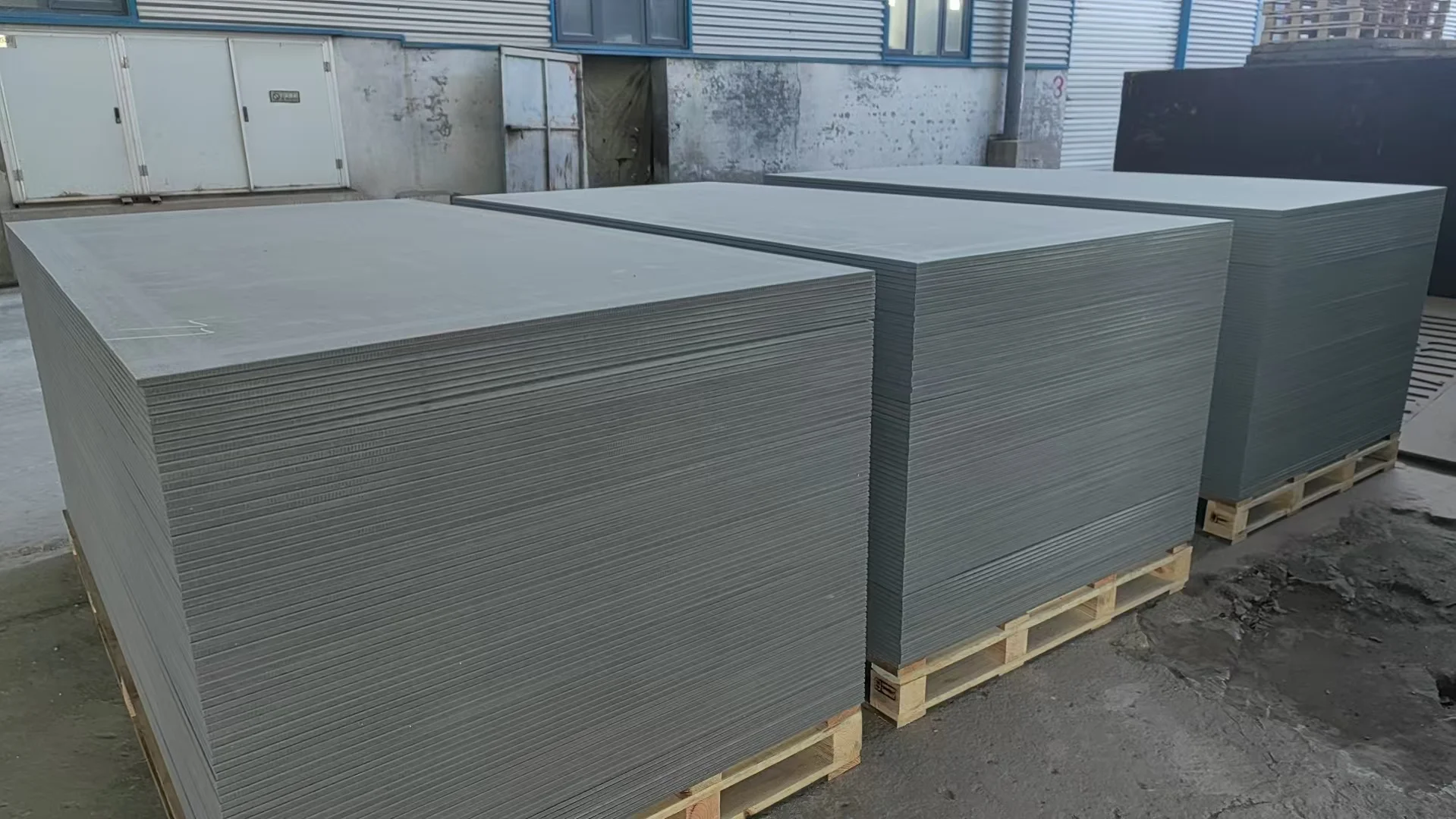
I increasingly see customers assume thicker boards always perform better, but flooring performance actually depends on support structure, load distribution, and installation quality.
Engineering balance matters more than simple thickness.
Typical Flooring Applications For 9mm Boards
| Application Type | Suitability |
|---|---|
| Residential flooring | Suitable |
| Light commercial flooring | Often suitable |
| Heavy industrial flooring | Usually insufficient |
Application environment affects material choice.
Why Framing Spacing Matters
| Wide Framing Spacing | Possible Result |
|---|---|
| Excessive board flex | Cracking risk |
| Weak support points | Surface instability |
| Uneven load transfer | Long-term deformation |
Proper support protects board integrity.
Recommended Flooring Structure
| Structural Component | Function |
|---|---|
| Steel or timber joists | Main support |
| Fiber cement board | Load distribution layer |
| Waterproof membrane | Moisture protection |
Floor systems work as integrated structures.
Why Load Type Is Important
| Load Condition | Flooring Impact |
|---|---|
| Static residential loads | Moderate stress |
| Rolling equipment | Concentrated pressure |
| Heavy machinery | High structural demand |
Different loads require different engineering solutions.
Why Lightweight Flooring Systems Are Growing
| Traditional Floor Construction | Modern Lightweight Flooring |
|---|---|
| Thick concrete slabs | Engineered dry systems |
| High structural weight | Lightweight assemblies |
| Long curing times | Faster installation |
Modern construction increasingly values efficiency.
The Market Evolution Behind Flooring Questions
| Traditional Construction Industry | Modern Performance Engineering Industry |
|---|---|
| Material thickness focus | System performance focus |
| Overdesign for safety | Optimized structural balance |
| Standard construction habits | Data-supported engineering |
I increasingly see customers becoming more educated about structural performance instead of relying only on traditional assumptions.
What Is The Density Of High-Quality Fiber Cement Board?
High-quality fiber cement board usually has a density between 1.2 and 1.8 g/cm³, with premium products commonly ranging from 1.4 to 1.6 g/cm³. Higher density generally improves strength, durability, and impact resistance, but also increases board weight.
TRUSUS manufacturing insight: density is one of the most important indicators of fiber cement board consistency and production quality.
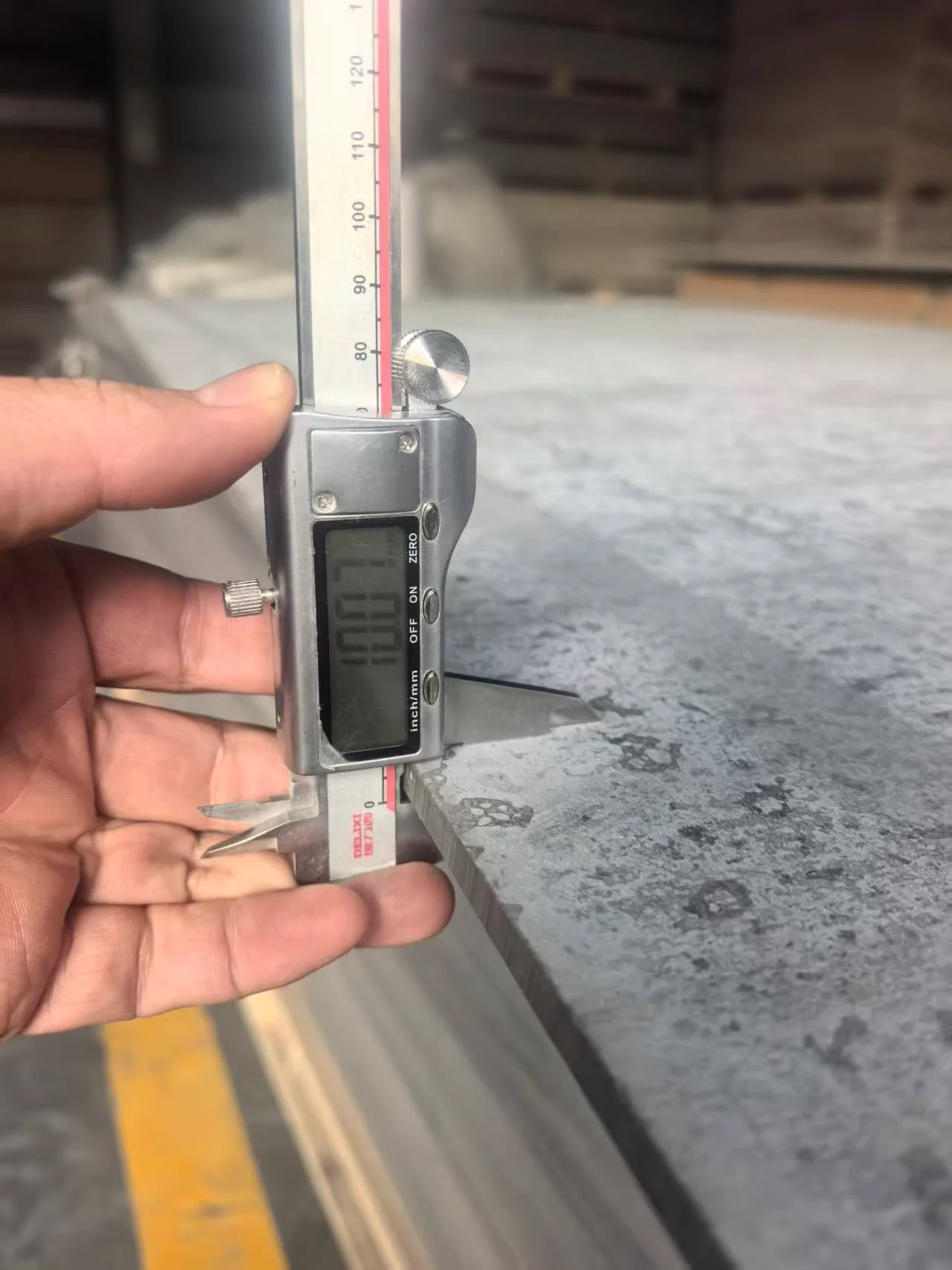
I increasingly see professional buyers asking about density because it directly affects installation performance, durability, and long-term project reliability.
Density has become part of quality evaluation.
Density Performance Relationship
| Density Range | Typical Performance |
|---|---|
| Below 1.2 g/cm³ | Lower structural performance |
| 1.4–1.6 g/cm³ | Balanced premium quality |
| Above 1.7 g/cm³ | High strength but heavier weight |
Balance is important in material engineering.
Why Density Affects Strength
| Density Characteristic | Performance Impact |
|---|---|
| Higher compactness | Better bending strength |
| Lower porosity | Improved moisture resistance |
| Stronger internal structure | Better durability |
Material structure controls board behavior.
Why Extremely High Density Is Not Always Better
| Excessive Density Issue | Possible Drawback |
|---|---|
| Higher weight | Harder installation |
| Increased transport cost | Higher logistics expense |
| Reduced cutting convenience | Slower site work |
Performance should match project needs.
Density And Application Matching
| Application Area | Recommended Density |
|---|---|
| Decorative interiors | Medium density |
| Flooring systems | Higher density |
| Exterior cladding | Balanced high density |
Different projects require different performance priorities.
Why Customers Now Focus On Technical Data
| Traditional Material Buying | Modern Technical Procurement |
|---|---|
| Price-driven decisions | Performance-driven decisions |
| Brand familiarity | Measurable engineering data |
| General product claims | Verified technical specifications |
Construction buyers increasingly demand transparency.
The Industry Transformation Behind Density Questions
| Traditional Manufacturing Industry | Modern Engineering Service Industry |
|---|---|
| Production volume competition | Technical performance competition |
| Basic product marketing | Application-specific consulting |
| Generic quality claims | Measurable specification systems |
I increasingly believe data transparency will shape the future of building material trust.
How Much Does A 4x8 Fiber Cement Board Weigh?
A standard 4×8 ft fiber cement board weighs approximately 28–35 kg at 9 mm thickness and around 38–45 kg at 12 mm thickness. Actual weight depends on density, moisture content, and manufacturing formulation.
TRUSUS logistics insight: board weight affects transport cost, labor planning, installation speed, and jobsite safety.
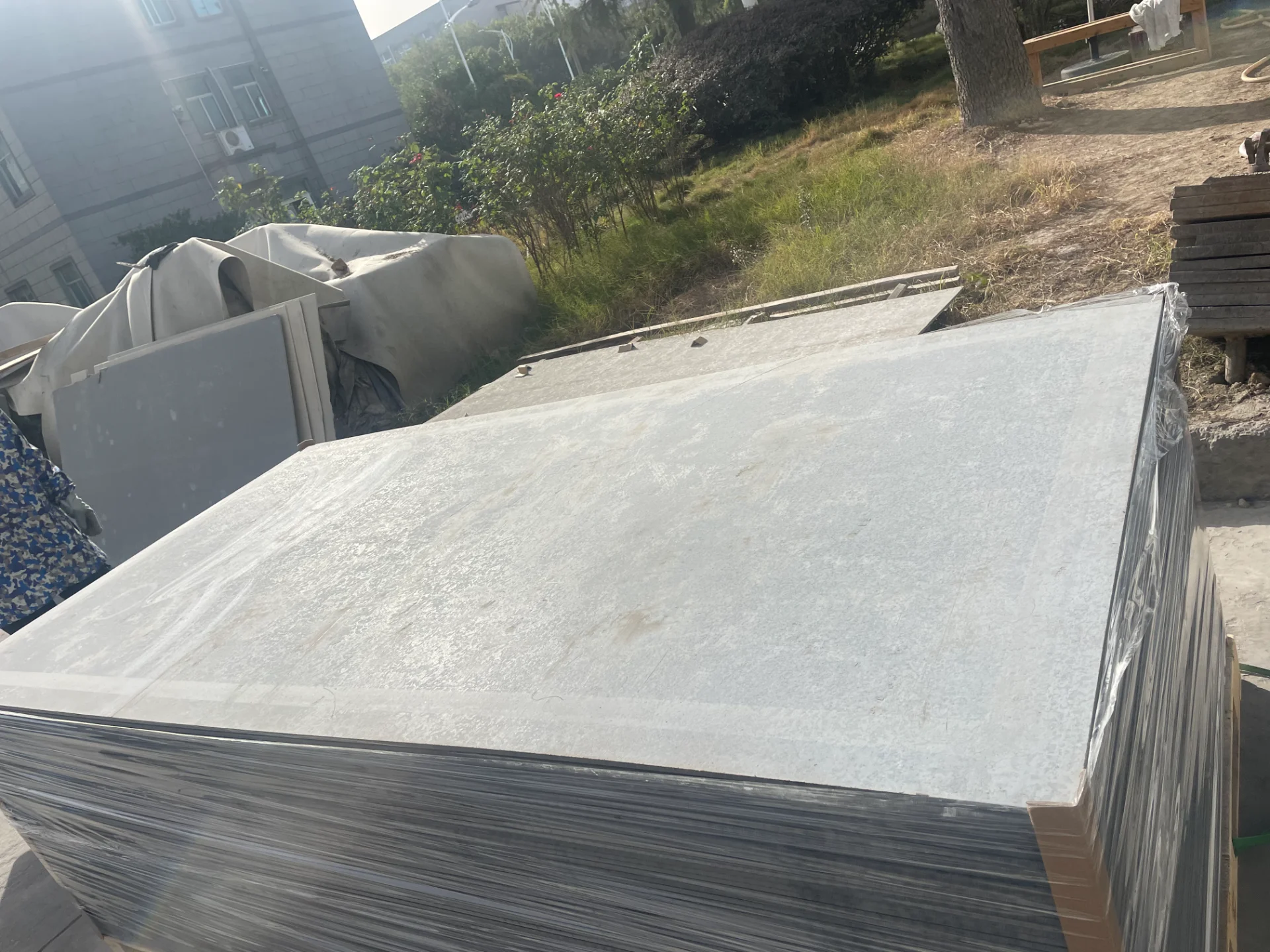
I increasingly see customers asking about board weight early in project planning because modern construction focuses heavily on efficiency and labor management.
Weight affects the entire supply chain.
Approximate Weight Reference Table
| Thickness | Approximate Weight |
|---|---|
| 6 mm | 20–25 kg |
| 9 mm | 28–35 kg |
| 12 mm | 38–45 kg |
| 15 mm | 48–55 kg |
Heavier boards often require more workers during installation.
Why Weight Matters During Installation
| Weight Issue | Operational Impact |
|---|---|
| Heavy handling | Increased labor demand |
| Difficult lifting | Higher injury risk |
| Slow positioning | Reduced installation speed |
Installation efficiency affects total project cost.
Why Weight Impacts Transportation
| Transportation Factor | Effect |
|---|---|
| Higher cargo weight | Increased shipping cost |
| Manual unloading difficulty | Longer unloading time |
| Container load limitations | Reduced shipment volume |
Logistics planning is increasingly important.
Weight And Structural Design
| Structural Concern | Why It Matters |
|---|---|
| Ceiling loading | Support frame design |
| Floor dead load | Structural calculation |
| Wall system weight | Fastener requirements |
Material weight affects engineering calculations.
Why Lightweight Construction Is Expanding
| Traditional Construction Methods | Modern Lightweight Construction |
|---|---|
| Heavy masonry systems | Engineered panel systems |
| Labor-intensive installation | Faster modular assembly |
| High transport weight | Optimized logistics efficiency |
Construction efficiency increasingly drives material innovation.
The Larger Market Evolution
| Traditional Building Material Industry | Modern Performance Optimization Industry |
|---|---|
| Product-focused sales | Full project efficiency support |
| Material specification discussions | Logistics and installation optimization |
| Manufacturing-centered thinking | System-level project planning |
I increasingly see technical parameter support becoming one of the most valuable services manufacturers can provide.
Conclusion
At TRUSUS, I see fiber cement board selection becoming more scientific, precise, and performance-focused. Future industry leadership will depend on technical transparency, engineering support, application matching, and the ability to help customers make smarter material decisions through reliable data and professional guidance.
