




What Are the Pros and Cons of Cement Board Siding?
Cement board siding offers strong durability, fire and moisture resistance, and low maintenance, but it requires careful installation and sealing. Poor structural support or missing expansion gaps can later cause cracks.
insight: siding strength means nothing without system balance.
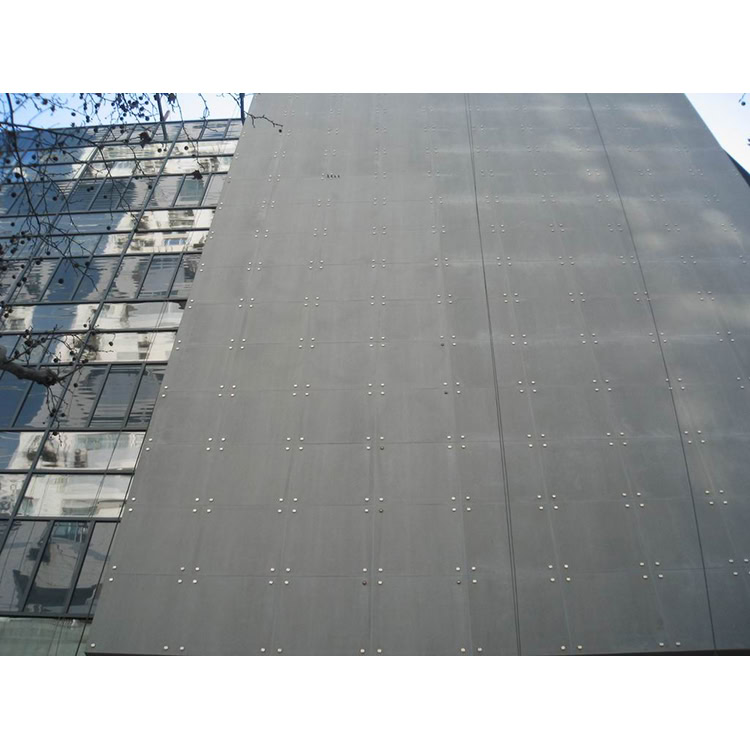
Each “pro” depends on design details, not only material quality.
What Causes Cement Board Siding to Crack?
Cement board siding cracks because of structural shifts, improper nailing, incompatible framing materials, or thermal expansion without spacing. The boards themselves are stable, but stress concentration at joints creates micro-cracks over time. This is more about installation discipline than manufacturing flaws.
technical note: most cracking begins at connection points—not across the boards.
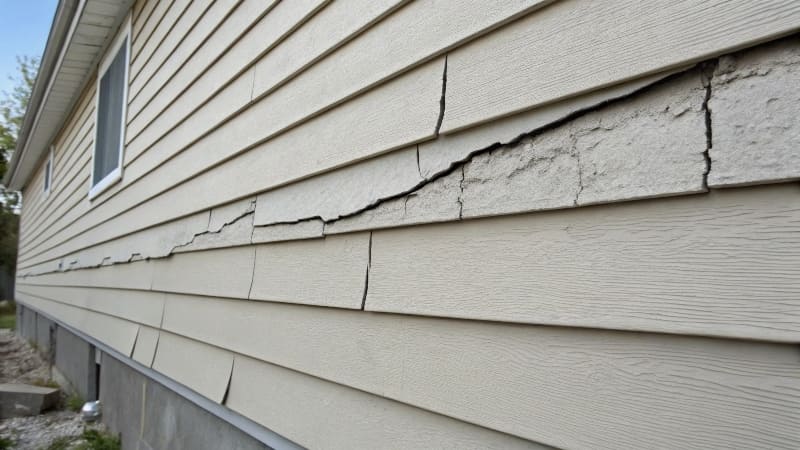
Crack Source Reference
| Cause | Description | Prevention |
|---|---|---|
| Tight fastening | Boards nailed too firm | Leave 2–3 mm expansion space |
| Thermal movement of structure | Wood or steel expands differently | Use flexible sealants and joints |
| Improper support spans | Frame spacing exceeds specification | Follow manufacturer layout |
| Lack of edge sealing | Moisture enters cut edges | Always apply waterproof coating |
How Movement Affects Cracking
| Factor | Stress Impact | Best Practice |
|---|---|---|
| Seasonal humidity | Moderate–high | Ventilated cladding gap |
| Daily temperature cycle | Medium | Elastic seal lines |
| Structural vibration | Varies | Use screws with precision control |
Cement board doesn’t “fail”—it responds to inconsistency in installation.
How Do You Fill Holes in Cement Board Siding?
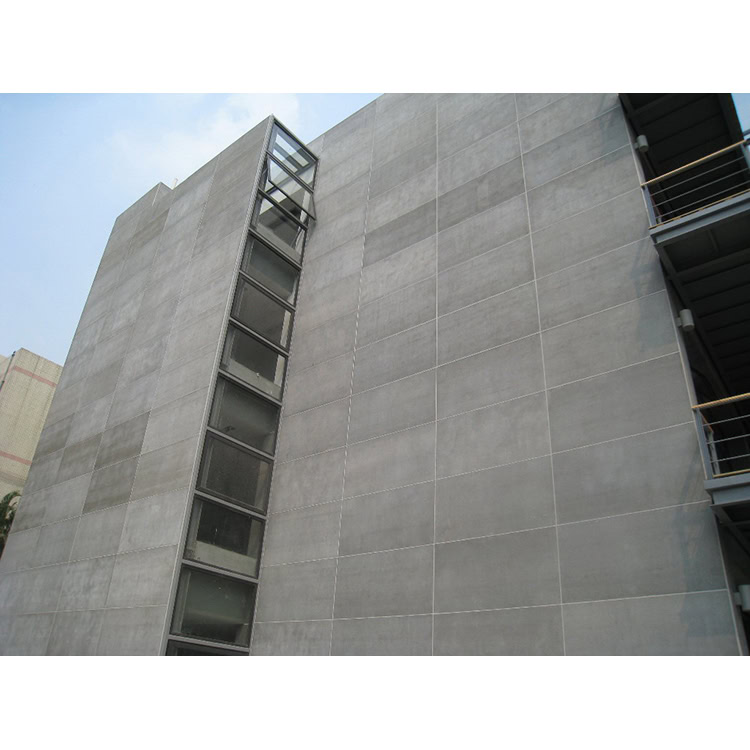
You can fill holes in cement board siding using polymer-modified patching compound or exterior-grade epoxy filler. Clean the area first, remove loose debris, apply filler with a putty knife, then sand and repaint. For larger holes, reinforce with a fiberglass mesh before patching.
repair insight: the right compound bonds through flexibility, not hardness.
Repair Steps
| Step | Tool / Material | Purpose |
|---|---|---|
| 1 | Wire brush | Clean damaged area |
| 2 | Polymer filler | Fill holes or cracks |
| 3 | Fiberglass mesh (for large gaps) | Add strength |
| 4 | Sandpaper (180–220 grit) | Smooth surface |
| 5 | Primer + paint | Weather protection |
Key Tips for Effectiveness
| Tip | Why It Matters |
|---|---|
| Apply in dry conditions | Moisture weakens bond |
| Match color after drying | Avoid patch visibility |
| Inspect sealant yearly | Extend service life |
Filling holes correctly prevents moisture from entering and extends siding life.
How Long Will Cement Board Last?
Cement board siding can last 40 to 50 years or more when installed and maintained properly. Its durability depends on the coating system, sealing, and environmental exposure. Routine repainting every 10–15 years keeps water from penetrating edges, ensuring longevity.
lifecycle perspective: system maintenance defines lifespan more than material aging.

Siding Performance Over Time
| Condition | Expected Longevity | Maintenance Cycle |
|---|---|---|
| Ideal installation & climate | 50+ years | Repaint every 10–15 years |
| Humid or coastal area | 30–40 years | Inspect seal yearly |
| Poorly sealed joints | <20 years | May fail early |
Durability Factors Table
| Factor | Description | Influence |
|---|---|---|
| Subframe design | Controls flex | Very high |
| Paint coating | Prevents moisture entry | High |
| Fastener type | Galvanized steel or stainless | Medium |
| Local UV exposure | Can fade coating | Moderate |
When treated as part of a system, cement board siding performs longer than many wood or vinyl alternatives.
Conclusion
Cement board siding offers lasting strength, moisture resistance, and fire safety—but its success depends on careful installation, flexible sealing, and routine coating renewal. Cracks and holes reflect structural stress or maintenance gaps, not material flaws. Properly handled, TRUSUS cement board siding becomes a building’s long-term investment—not just a wall covering.
