



What Are The Disadvantages Of Fiber Cement Board Roofing?
Fiber cement board roofing is durable and fire-resistant, but it also has disadvantages such as higher weight, possible cracking, moisture absorption, and stricter installation requirements.
Without proper structural support and detailing, long-term performance problems may occur.
TRUSUS engineering insight: more architects and contractors now ask about the technical limits of fiber cement systems instead of only focusing on advantages.
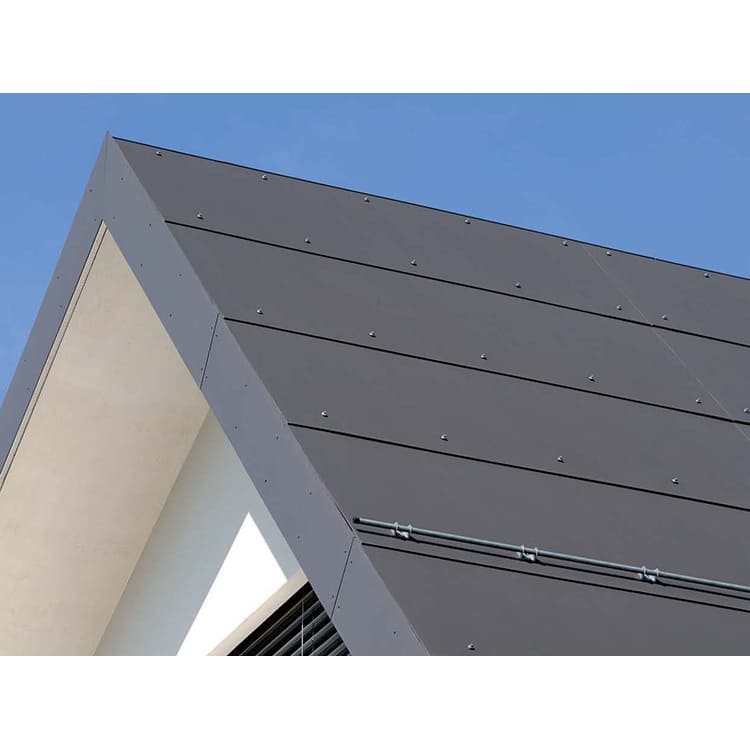
I increasingly see project teams evaluate roofing systems through full lifecycle performance instead of only initial material cost.
Modern construction decisions are becoming more technical.
Main Disadvantages Of Fiber Cement Roofing
| Disadvantage | Impact |
|---|---|
| Heavy weight | Stronger support structure required |
| Moisture absorption | Risk of expansion and cracking |
| Brittle behavior | Edge damage during handling |
Proper engineering becomes critical.
Thermal Movement Challenges
| Thermal Issue | Result |
|---|---|
| Expansion and contraction | Joint stress |
| Temperature cycling | Surface cracking risk |
| Poor movement allowance | Premature failure |
Movement joints are very important.
Installation Complexity
| Installation Factor | Challenge |
|---|---|
| Accurate fastening | Prevents cracking |
| Waterproof detailing | Avoids leakage |
| Panel spacing control | Allows movement |
Installation quality strongly affects durability.
Long-Term Maintenance Considerations
| Maintenance Issue | Effect |
|---|---|
| Surface weathering | Appearance decline |
| Joint maintenance | Ongoing inspection needed |
| Water exposure | Potential deterioration |
Maintenance planning improves lifespan.
Where Fiber Cement Roofing Works Best
| Application | Suitability |
|---|---|
| Residential roofing | Good with proper structure |
| Industrial roofing | Common use |
| Extreme coastal exposure | Requires special protection |
Environment matters greatly.
Why Clients Now Ask About Limitations
| Traditional Material Marketing | Modern Engineering Evaluation |
|---|---|
| Focus on product strengths | Focus on performance boundaries |
| Basic application guidance | Risk-analysis approach |
| Standard recommendations | Project-specific engineering |
Technical transparency is becoming more valuable.
The Industry Shift Behind Roofing Questions
| Traditional Building-Material Industry | Modern Engineering-Solution Industry |
|---|---|
| Product-selling focus | Technical-consulting focus |
| Generic system promotion | Scientific application analysis |
| Performance claims | Full risk-and-benefit evaluation |
I increasingly believe honest discussion about material limitations builds stronger professional trust.
Is Fiber Cement Board A Composite Material?
Yes, fiber cement board is a composite material made from cement, cellulose fibers, mineral fillers, and additives.
Its performance comes from combining a rigid cement matrix with reinforcing fibers that improve toughness and crack resistance.
TRUSUS material insight: understanding fiber cement as a composite material helps explain both its strengths and its technical limitations.
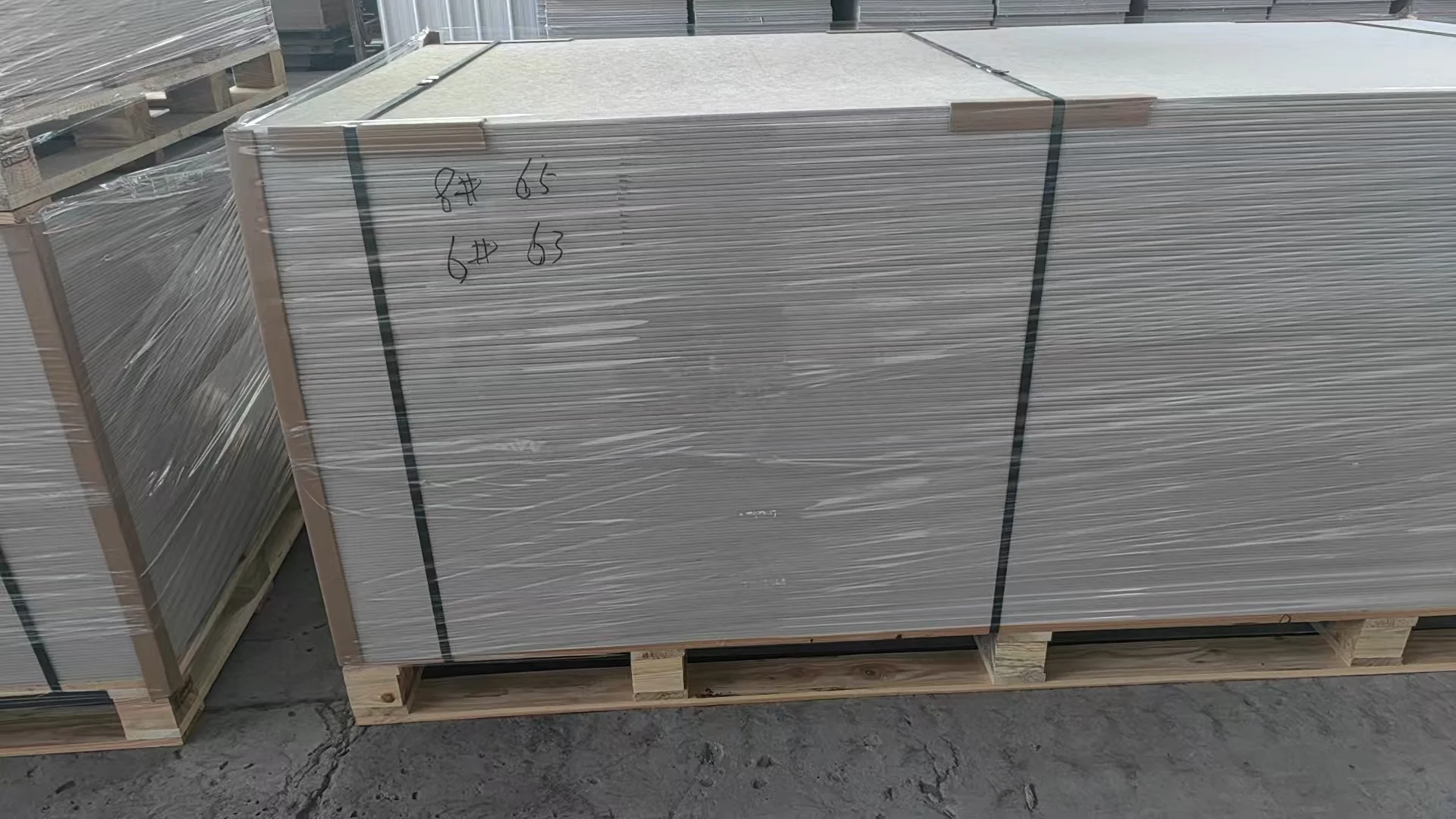
I increasingly see engineers study the internal structure of building materials instead of treating products as simple construction commodities.
Material science now plays a larger role in design decisions.
Main Components Of Fiber Cement Board
| Component | Function |
|---|---|
| Portland cement | Structural matrix |
| Cellulose fibers | Reinforcement |
| Silica and fillers | Dimensional stability |
Each component contributes differently.
Why Composite Structures Matter
| Composite Benefit | Result |
|---|---|
| Fiber reinforcement | Improved toughness |
| Multi-phase structure | Better crack control |
| Balanced properties | Improved durability |
The combination creates better overall performance.
How Fiber Cement Differs From Pure Cement
| Pure Cement Products | Fiber Cement Boards |
|---|---|
| More brittle | Higher toughness |
| Lower crack resistance | Improved flexibility |
| Limited impact resistance | Better stress distribution |
Fiber reinforcement changes material behavior.
Challenges Of Composite Materials
| Challenge | Effect |
|---|---|
| Interface bonding quality | Performance variation |
| Moisture interaction | Dimensional movement |
| Fiber durability | Long-term aging concerns |
Composite systems require precise manufacturing.
Why Composite Science Is Important
| Traditional Construction Thinking | Modern Material Engineering |
|---|---|
| Material as a basic commodity | Material as an engineered system |
| Simple strength evaluation | Multi-property analysis |
| Standard application methods | Performance optimization methods |
Building materials are becoming more technical.
The Industry Shift Behind Composite Questions
| Traditional Building Products Industry | Modern Materials-Science Industry |
|---|---|
| Basic manufacturing focus | Engineered-material focus |
| Generic product explanation | Scientific performance explanation |
| Cost-oriented discussion | Mechanism-oriented discussion |
I increasingly believe material-science knowledge will become a major competitive advantage in construction manufacturing.
What Is The Role Of Cellulose Fiber In Cement Board?
Cellulose fiber reinforces cement board by controlling cracking, improving toughness, distributing stress, and increasing flexural strength.
The fibers act like microscopic reinforcement bridges inside the cement matrix.
TRUSUS material-science insight: cellulose fiber is one of the key reasons modern fiber cement boards perform better than traditional brittle cement panels.
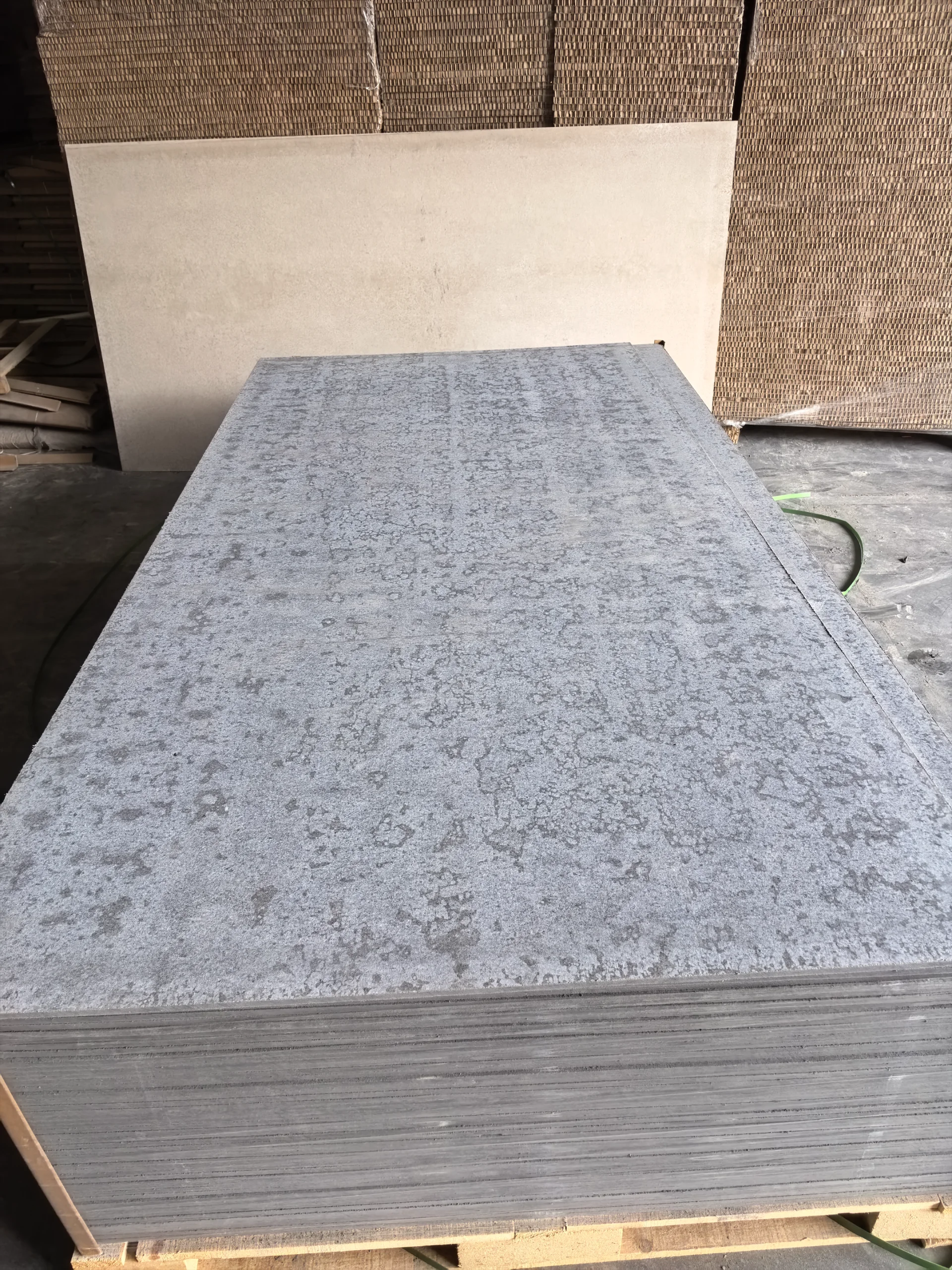
I increasingly see engineers focus on microstructure because many material problems begin at the microscopic level long before visible failure appears.
Small internal details create major performance differences.
Main Functions Of Cellulose Fiber
| Fiber Function | Result |
|---|---|
| Crack bridging | Reduced crack growth |
| Stress distribution | Better load transfer |
| Toughness improvement | Less brittle failure |
Fibers improve overall stability.
How Fibers Improve Durability
| Fiber Effect | Performance Benefit |
|---|---|
| Shrinkage control | Reduced warping |
| Microcrack limitation | Longer lifespan |
| Improved impact resistance | Better handling durability |
Fiber reinforcement supports long-term performance.
Why Fiber Distribution Matters
| Distribution Quality | Effect |
|---|---|
| Uniform distribution | Consistent strength |
| Poor dispersion | Weak points |
| Fiber clumping | Reduced performance |
Manufacturing quality strongly affects final behavior.
Challenges Of Cellulose Fibers
| Challenge | Impact |
|---|---|
| Long-term alkaline exposure | Fiber degradation risk |
| Moisture interaction | Dimensional changes |
| Processing sensitivity | Production complexity |
Fiber technology requires careful control.
Why Fiber Engineering Is Advancing
| Traditional Cement Panels | Modern Fiber-Reinforced Systems |
|---|---|
| Brittle structures | Toughened composite systems |
| Basic compression focus | Balanced mechanical performance |
| Simple formulation | Engineered microstructure design |
Modern construction materials increasingly depend on advanced material engineering.
The Industry Shift Behind Fiber Questions
| Traditional Cement Manufacturing | Modern Composite-Material Engineering |
|---|---|
| Bulk material production | Precision material design |
| Strength-only evaluation | Multi-performance optimization |
| Standard process control | Microstructure engineering |
I increasingly believe fiber-engineering expertise will shape the next generation of cement-board technology.
Is Fiber Cement Board Good For High-Rise Buildings?
Yes, fiber cement board can work well in high-rise buildings for cladding, partitions, and non-structural façade systems when properly engineered.
However, high-rise applications require strict attention to wind loads, seismic movement, fire safety, and connection design.
TRUSUS façade insight: high-rise applications demand much deeper engineering analysis than low-rise residential projects.
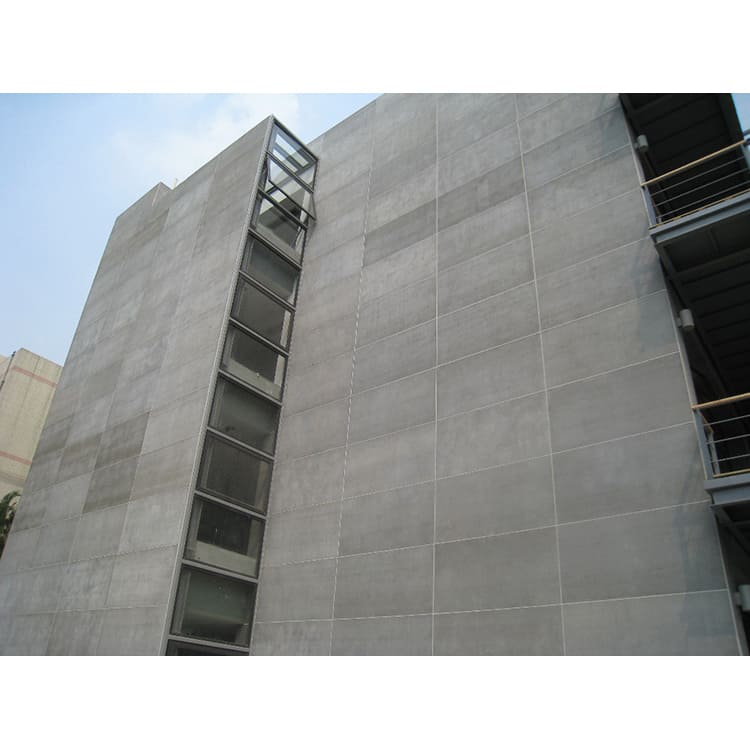
I increasingly see developers choose fiber cement systems because they balance fire resistance, appearance flexibility, and façade durability.
High-rise performance depends heavily on engineering quality.
Advantages In High-Rise Applications
| Advantage | Benefit |
|---|---|
| Fire resistance | Improved safety |
| Lightweight compared to concrete | Reduced façade load |
| Design flexibility | Modern architectural appearance |
Fiber cement works well as a façade material.
Key Engineering Requirements
| Requirement | Purpose |
|---|---|
| Wind-load analysis | Structural stability |
| Seismic detailing | Movement tolerance |
| Fire testing compliance | Safety certification |
Engineering systems must meet strict standards.
Common High-Rise Risks
| Risk | Potential Problem |
|---|---|
| Poor fastening systems | Panel detachment |
| Water penetration | Façade deterioration |
| Thermal movement stress | Cracking |
Installation precision is critical.
Why Connection Design Matters
| Connection Feature | Benefit |
|---|---|
| Flexible anchors | Absorbs movement |
| Corrosion-resistant fasteners | Longer durability |
| Ventilated cavity systems | Moisture control |
Façade systems must manage movement and moisture.
Typical High-Rise Applications
| Application Area | Suitability |
|---|---|
| Ventilated façades | Very suitable |
| Interior partitions | Common use |
| Structural load-bearing walls | Not suitable |
Fiber cement is usually non-structural.
Why High-Rise Questions Are Increasing
| Traditional Building Applications | Modern High-Performance Construction |
|---|---|
| Low-rise residential focus | Advanced façade engineering |
| Basic material selection | Full-system performance analysis |
| Product-based decisions | Engineering-based decisions |
High-rise projects require scientific material evaluation.
The Industry Evolution Behind High-Rise Questions
| Traditional Building-Material Industry | Modern Technical-Engineering Industry |
|---|---|
| Product manufacturing focus | Engineering-solution focus |
| Standard installation support | High-performance façade support |
| General product promotion | Technical risk management |
I increasingly see engineering knowledge become as important as manufacturing capability in advanced construction markets.
Conclusion
At TRUSUS, I see fiber cement board evolving from a standard building product into a highly engineered material system.
Future industry value will come from material science, risk analysis, performance optimization, and the ability to support complex architectural applications with deep technical expertise.