




What are the disadvantages of cement board?
Sometimes, what looks like the safest choice in building turns into a costly, tiring process.
Cement board is heavy, hard to cut, creates dust, has a rough surface, costs more to install, and often requires extra preparation before finishing.
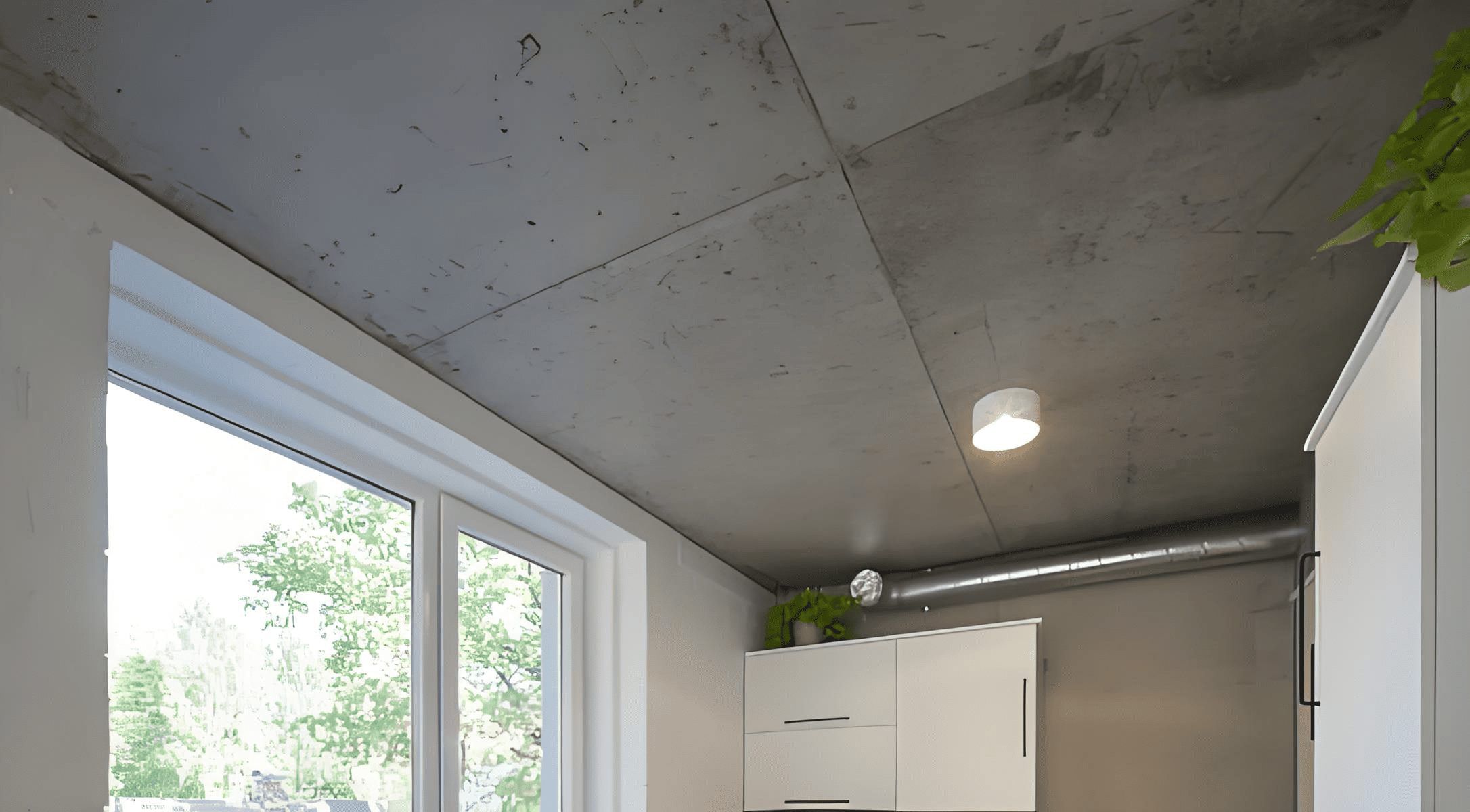
When I first started working with cement board, I believed it was the best for any wet area. But over time, I learned the truth. It is tough and durable, yes. But that toughness comes with a price. A single sheet weighs 2–3 times more than regular drywall, so moving and installing it is hard work. It needs special tools and creates clouds of fine dust when cut. Installers charge more because of this. The board’s rough and porous surface is another challenge. If finished without special prep, it soaks up paint or adhesive unevenly. In some jobs I’ve seen, the choice to use cement board everywhere resulted in higher costs, longer timelines, and even structural adjustments to support the extra weight.
Can I just paint cement board?
It looks solid and ready for paint, but is it really that simple?
You can paint cement board, but without sealing and leveling, the finish will be uneven and prone to damage or mold.
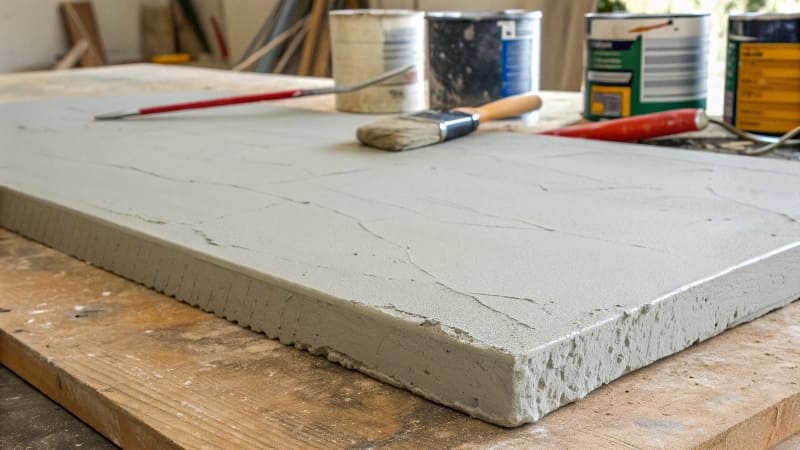
I learned my lesson when a DIY client once skipped the sealing step. A year later, the paint peeled and black mold appeared. Cement board is very porous. It drinks up paint like a sponge, which means more coats and more cost. Worse, moisture from bathrooms or kitchens can seep in through the paint, feeding mold. I always recommend applying a waterproof coating first, then skim-coating the surface smooth before painting or tiling. This takes more time but protects your work. If skipped, your painted cement board won’t last long. A little preparation now can save time, money, and frustration later.
Steps for painting cement board
| Step | Purpose | Result if skipped |
|---|---|---|
| Apply waterproof sealer | Blocks moisture infiltration | Mold growth, peeling paint |
| Skim coat surface | Smooths porous texture | Uneven paint finish |
| Prime board | Improves paint adhesion | Poor coverage, blotches |
| Paint in 2+ coats | Durable and even finish | Streaks, patchy color |
Key differences
| Feature | Standard Cement Board | Hardie Board (Fiber Cement) |
|---|---|---|
| Weight | Heavy | Slightly lighter |
| Cutting | Hard, dusty | Easier, less dusty |
| Crack resistance | Moderate | Higher |
| Cost | Lower | Higher |
| Surface finish | Rough, porous | Smoother, more uniform |
What is better than cement board?
If not cement board, then what gives the same protection with fewer hassles?
Better options depend on your needs: waterproof drywall, PVC wall panels, or magnesium oxide board can outdo cement board in specific situations.
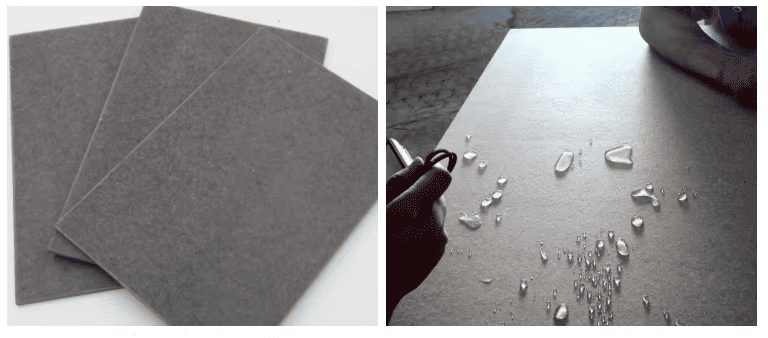
Over the years, I’ve advised many clients to avoid cement board for entire rooms, especially where water exposure is limited. In guest bathrooms, I sometimes recommend waterproof drywall for walls not directly hit by water—it is light, low-cost, and quick to install. PVC wall panels are my go-to for spaces that need complete waterproofing but with minimal weight, like mobile homes or temporary structures. For a balance of strength and workability, magnesium oxide boards are excellent—they resist fire and water but weigh about 30% less than cement board. In one hotel renovation, using magnesium oxide board cut a week off our installation time and lowered labor costs. Material choice is never about picking the “strongest” or “most expensive.” It is about matching the material to the job’s real demands.
Comparison of alternatives
| Material | Water Resistance | Fire Resistance | Weight vs Cement Board | Ease of Cutting | Cost Level |
|---|---|---|---|---|---|
| Waterproof Drywall | Medium | Low | Much lighter | Very easy | Low |
| PVC Wall Panels | High | Low | Very light | Very easy | Medium |
| Magnesium Oxide | High | High | ~30% lighter | Easy | Medium-High |
Conclusion
Cement board is strong and reliable, but often heavy, costly, and difficult to work with. The best choice fits your needs, budget, and installation conditions.
