



How To Finish Fiber Cement Board Seams?
Fiber cement board seams should be finished using alkali-resistant tape, polymer-modified joint compound or cement-based filler, multiple thin coats, and careful sanding for a smooth and crack-resistant surface.
Proper seam treatment improves durability, appearance, and long-term stability.
TRUSUS system insight: poor seam finishing is one of the main reasons fiber cement wall systems fail visually and structurally.
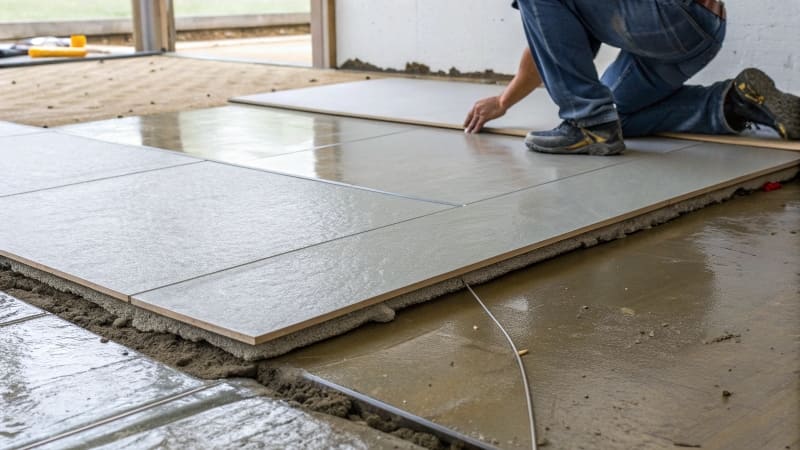
I increasingly see contractors understand that strong wall systems depend on connection quality as much as board quality.
The seam is often the weakest point.
Step 1: Prepare The Joint Area
| Preparation Task | Purpose |
|---|---|
| Clean dust and debris | Better bonding |
| Align board edges | Smooth finish |
| Check fastening | Stable support |
Surface preparation improves compound adhesion.
Step 2: Apply Base Joint Filler
| Filler Requirement | Benefit |
|---|---|
| Flexible formulation | Crack resistance |
| Strong adhesion | Long-term stability |
| Low shrinkage | Smooth surface |
Specialized fillers perform better on cement boards.
Step 3: Install Joint Tape
| Tape Type | Best Use |
|---|---|
| Alkali-resistant mesh tape | Cement-based systems |
| Reinforced fiberglass tape | High-stress joints |
Tape strengthens seam connections.
Step 4: Build Thin Finish Layers
| Layering Technique | Result |
|---|---|
| Thin applications | Reduced cracking |
| Wide feathering | Seam blending |
| Multiple coats | Better flatness |
Thin layers produce cleaner finishes.
Why Sanding Must Be Controlled
| Sanding Problem | Risk |
|---|---|
| Aggressive sanding | Surface damage |
| Uneven feathering | Visible seam lines |
Controlled finishing improves appearance quality.
Why Seam Quality Matters More Today
| Traditional Board Installation | Modern Wall-System Standards |
|---|---|
| Basic board attachment | Complete system performance |
| Functional-only focus | Finish-quality focus |
| Simple installation methods | Engineered joint systems |
Wall systems are becoming more performance-driven.
The Industry Shift Behind Seam-Finishing Questions
| Traditional Board Supply | Modern System-Solution Service |
|---|---|
| Panel-only sales | Full installation systems |
| Basic installation support | Technical performance consulting |
| Material-focused approach | Lifecycle wall-system approach |
I increasingly believe seam technology will become a key competitive advantage in fiber cement systems.
What Joint Compound Works On Cement Board?
The best joint compounds for cement board are polymer-modified compounds, cement-based fillers, or acrylic-modified compounds designed for alkaline and moisture-resistant applications.
Standard drywall mud is usually not ideal for direct cement-board use.
TRUSUS material insight: material compatibility is critical because cement boards behave differently from gypsum drywall.
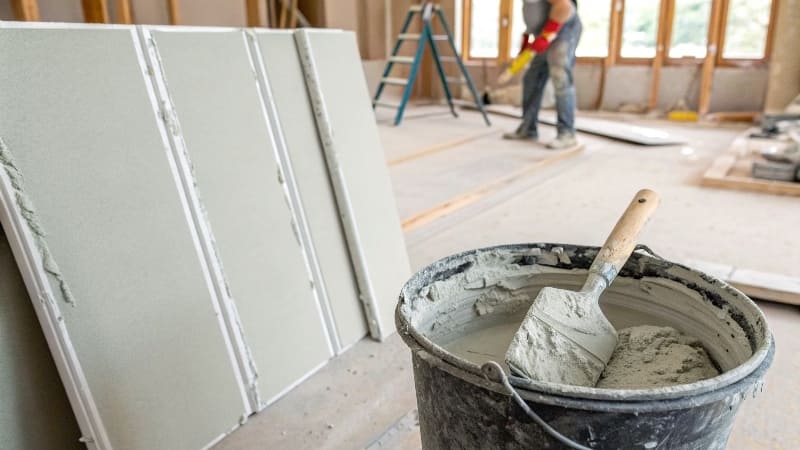
I increasingly see repair failures caused by using interior drywall products on moisture-resistant cement systems.
Matching materials correctly prevents long-term problems.
Best Joint Compound Types
| Compound Type | Main Advantage |
|---|---|
| Polymer-modified compound | Flexibility |
| Cement-based filler | Moisture resistance |
| Acrylic-modified compound | Strong adhesion |
Specialized compounds improve durability.
Why Cement Boards Need Different Materials
| Cement Board Property | Material Requirement |
|---|---|
| Alkaline surface | Alkali-resistant products |
| Dimensional movement | Flexible compounds |
| Moisture exposure | Water-resistant fillers |
Cement boards require stronger performance materials.
Problems With Standard Drywall Compound
| Drywall Mud Limitation | Possible Issue |
|---|---|
| Moisture sensitivity | Surface failure |
| Lower flexibility | Cracking |
| Poor alkali resistance | Weak bonding |
Standard drywall compounds are not designed for cement systems.
Why Flexible Compounds Matter
| Flexible Compound Benefit | Result |
|---|---|
| Movement absorption | Reduced cracking |
| Better adhesion | Longer lifespan |
| Improved durability | Better wall performance |
Fiber cement systems move differently from drywall.
Why Material Pairing Is Important
| Incorrect Pairing | Correct Pairing |
|---|---|
| Generic drywall mud | Cement-compatible filler |
| Standard paper tape | Alkali-resistant mesh tape |
| Interior-only products | Exterior-capable systems |
System compatibility improves long-term reliability.
Why Customers Ask More About Compound Selection
| Traditional Material Purchasing | Modern System Engineering |
|---|---|
| Single-product decisions | Material compatibility analysis |
| Basic installation thinking | Performance-based construction |
| Cost-first approach | Durability-first approach |
Construction decisions are becoming more technical.
The Industry Shift Behind Compound-Selection Questions
| Traditional Building-Material Industry | Modern Integrated-System Industry |
|---|---|
| Product specification focus | System compatibility focus |
| Independent material sales | Coordinated solution packages |
| Basic installation support | Long-term performance consulting |
I increasingly see system compatibility become central to premium construction quality.
How To Tape Fiber Cement Board Joints?
Fiber cement board joints should be taped using alkali-resistant fiberglass mesh tape embedded into a compatible joint compound or cementitious filler, followed by multiple finish coats.
Correct tape installation improves crack resistance and joint durability.
TRUSUS installation insight: tape quality and installation method directly affect long-term seam performance.
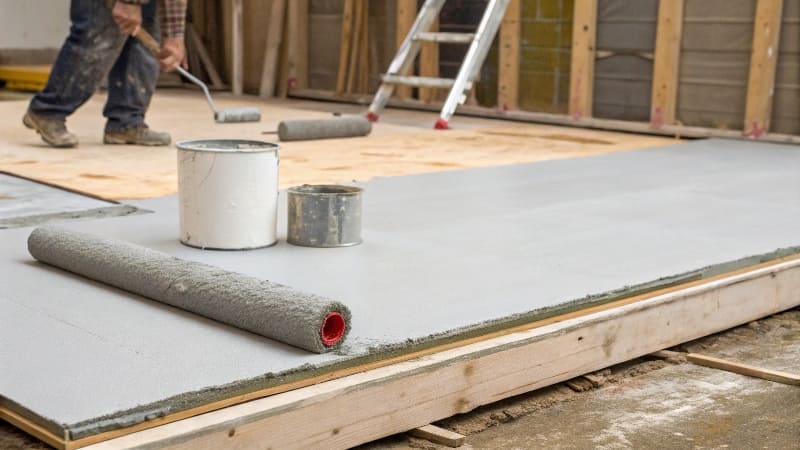
I increasingly see installers realize that rushed tape work often causes visible cracks months later.
Joint reinforcement is critical.
Step 1: Fill The Joint Gap
| Preparation Step | Purpose |
|---|---|
| Pre-fill seams | Stabilize joint |
| Smooth base layer | Better tape adhesion |
A stable base improves tape performance.
Step 2: Apply Alkali-Resistant Tape
| Tape Requirement | Reason |
|---|---|
| Alkali resistance | Cement compatibility |
| Fiberglass reinforcement | Crack prevention |
Standard drywall tape may fail in cement environments.
Step 3: Embed The Tape Properly
| Embedding Technique | Benefit |
|---|---|
| Firm pressure | Full adhesion |
| Bubble removal | Smooth finish |
| Center alignment | Balanced reinforcement |
Poor embedding weakens the joint.
Step 4: Apply Finish Coats
| Finish Process | Result |
|---|---|
| Thin top coats | Reduced shrinkage |
| Wide feathering | Seam blending |
| Final sanding | Smooth surface |
Finish quality depends on layering control.
Why Joint Cracks Happen
| Common Cause | Result |
|---|---|
| Incorrect tape | Weak reinforcement |
| Thick compound | Shrinkage cracks |
| Poor board fastening | Joint movement |
Crack prevention starts during installation.
Why Joint Reinforcement Standards Are Rising
| Traditional Joint Treatment | Modern Wall-System Reinforcement |
|---|---|
| Basic seam covering | Structural seam engineering |
| Minimal reinforcement | Long-term crack prevention |
| Simple appearance focus | System durability focus |
Wall systems now require more technical detailing.
The Industry Shift Behind Taping Questions
| Traditional Installation Support | Modern Technical-System Support |
|---|---|
| Basic product guidance | Full installation engineering |
| Material-only supply | Reinforcement-system support |
| Standard instructions | Performance-based specifications |
I increasingly believe joint reinforcement will become one of the most important quality-control areas in fiber cement construction.
Can You Use Drywall Mud On Cement Board?
Drywall mud can sometimes be used in dry interior decorative applications, but it is generally not recommended for cement board because it lacks moisture resistance, alkali resistance, and flexibility.
Specialized cement-board compounds perform much better long term.
TRUSUS compatibility insight: drywall mud and cement board are designed for different environments and performance conditions.
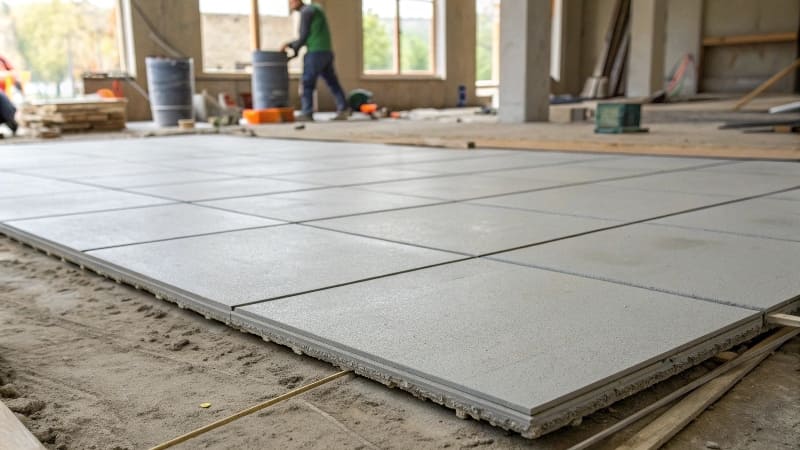
I increasingly see installers use the wrong finishing products because they want simpler inventory management.
That often creates future repair costs.
Why Drywall Mud Has Limitations
| Drywall Mud Property | Cement Board Challenge |
|---|---|
| Moisture sensitivity | High humidity exposure |
| Lower flexibility | Board movement |
| Gypsum-based chemistry | Alkaline substrate |
Drywall mud was designed for gypsum systems.
Situations Where Drywall Mud May Be Used
| Limited Application | Condition |
|---|---|
| Decorative dry interior areas | Low moisture exposure |
| Non-structural skim coating | Stable indoor climate |
Even then, proper primers may still be needed.
Better Alternatives For Cement Board
| Recommended Product | Main Benefit |
|---|---|
| Polymer-modified filler | Better flexibility |
| Cementitious compound | Strong moisture resistance |
| Acrylic-modified skim coat | Improved adhesion |
Specialized products improve durability.
Risks Of Using Standard Drywall Mud
| Potential Problem | Long-Term Effect |
|---|---|
| Cracking | Visible seam failure |
| Delamination | Surface separation |
| Moisture damage | Reduced lifespan |
Shortcuts often reduce system reliability.
Why Product Compatibility Matters More Today
| Traditional Construction Methods | Modern System-Based Construction |
|---|---|
| Material substitution habits | Engineered compatibility standards |
| Simple finishing logic | Performance-based material selection |
| Short-term installation thinking | Long-term durability planning |
Modern buildings require more integrated systems.
The Industry Shift Behind Drywall-Mud Questions
| Traditional Building Practices | Modern Performance-Driven Construction |
|---|---|
| General-purpose material use | Specialized system solutions |
| Installer preference decisions | Technical-specification decisions |
| Product convenience focus | Lifecycle-performance focus |
I increasingly see system compatibility become a defining factor in premium wall construction.
Conclusion
At TRUSUS, I see fiber cement construction evolving from simple panel installation into fully engineered wall-system integration.
Future market value will come from compatible materials, precise joint treatment, technical guidance, and complete system-performance support.