



What Are The Benefits Of Through-Colored Fiber Cement Board?
Through-colored fiber cement board offers long-lasting color consistency, reduced visible scratching, lower maintenance needs, and a more natural material appearance because the color runs throughout the entire board thickness. It provides durable aesthetics without relying only on surface coatings.
TRUSUS color insight: through-colored fiber cement board reflects a major shift in architecture from surface decoration toward authentic material expression and long-term performance value.
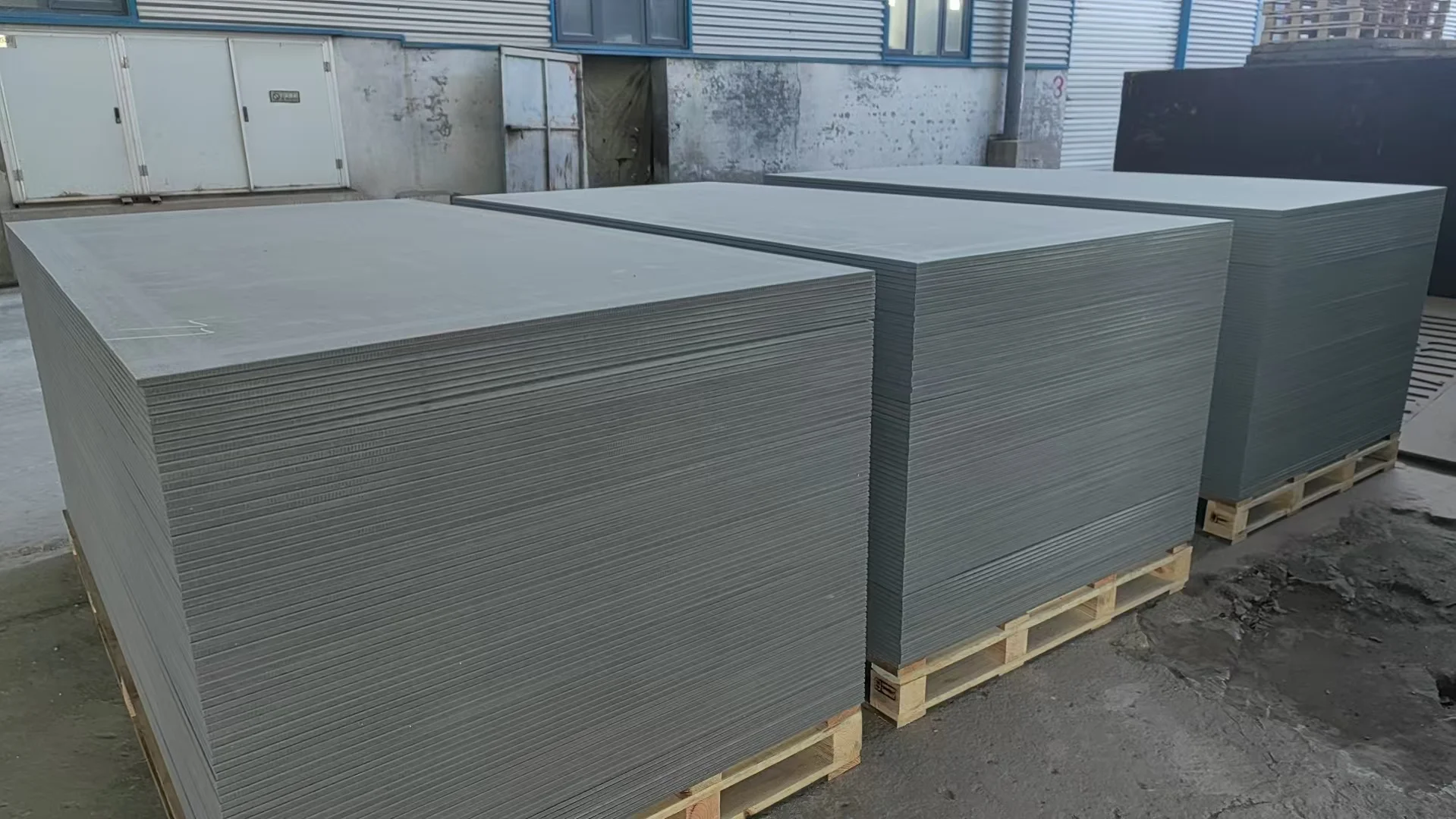
I increasingly see architects and developers asking not only how materials look on installation day, but also how they will age after years of exposure and use.
This is changing the way building materials are evaluated.
Main Benefits Of Through-Colored Boards
| Benefit | Practical Value |
|---|---|
| Integrated color body | Reduced visible damage |
| No surface-only coating | Longer visual stability |
| Lower maintenance demand | Reduced lifecycle costs |
| Natural material appearance | Premium architectural aesthetics |
The color becomes part of the material itself.
Why Architects Prefer Integral Color Systems
| Traditional Painted Panels | Through-Colored Panels |
|---|---|
| Surface-dependent appearance | Full-body color consistency |
| Repainting required over time | Minimal color maintenance |
| Surface chips expose substrate | Better scratch concealment |
Many designers now prefer materials with authentic visual depth.
Why Long-Term Appearance Matters
| Earlier Building Priorities | Modern Building Priorities |
|---|---|
| Low initial cost | Long-term durability |
| Fast installation | Reduced maintenance cycles |
| Temporary appearance focus | Permanent quality focus |
Owners increasingly calculate total ownership value.
Typical Applications For Through-Colored Boards
| Application Area | Reason For Use |
|---|---|
| Schools | Low maintenance |
| Public buildings | Long-term durability |
| Commercial projects | Consistent visual quality |
| High-end residential projects | Natural aesthetics |
Durability and appearance now work together.
Why Material Authenticity Is Becoming Important
| Earlier Decorative Philosophy | Modern Architectural Philosophy |
|---|---|
| Surface decoration emphasis | Honest material expression |
| Artificial visual finishes | Natural integrated textures |
| Short-term visual effect | Long-term material character |
Architectural trends increasingly value authenticity.
The Industry Shift Behind This Demand
| Traditional Fiber Cement Industry | Modern Architectural Materials Industry |
|---|---|
| Product price competition | Lifecycle value competition |
| Surface coating dependence | Integrated material engineering |
| Standard commodity production | Premium quality positioning |
I believe through-color technology will become one of the strongest indicators of premium fiber cement manufacturing capability.
Does Through-Colored Fiber Cement Board Show Scratches Easily?
No, through-colored fiber cement board generally hides scratches better than painted boards because the color extends throughout the material thickness. Minor scratches do not expose a contrasting substrate layer, so visual damage is less noticeable.
TRUSUS durability insight: through-color technology improves not only aesthetics but also the long-term visual resilience of architectural surfaces.
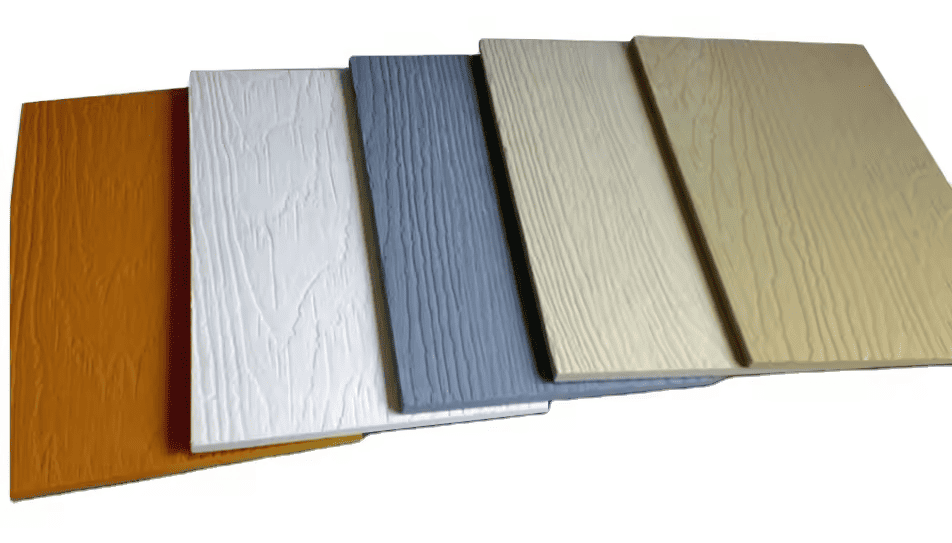
Many clients first become interested in through-colored boards after seeing surface-painted panels become damaged over time.
Surface wear often changes the appearance much faster than expected.
Why Scratches Are Less Visible
| Surface Condition | Visual Result |
|---|---|
| Painted surface damage | Contrasting substrate exposure |
| Through-colored surface wear | Similar color continuity |
Color continuity reduces visual contrast.
Types Of Surface Damage
| Damage Type | Appearance On Through-Colored Board |
|---|---|
| Light scratches | Usually difficult to notice |
| Minor edge chips | Reduced visual contrast |
| Surface abrasion | More natural aging appearance |
Wear often looks softer and more uniform.
Why Surface Coatings Fail Faster
| Painted Surface Limitation | Long-Term Effect |
|---|---|
| UV coating degradation | Color fading |
| Paint layer peeling | Surface inconsistency |
| Coating scratches | Visible damage marks |
Surface-only color systems depend heavily on coating durability.
Why Through-Color Supports Better Aging
| Material Characteristic | Architectural Benefit |
|---|---|
| Consistent internal color | Uniform appearance over time |
| Natural surface wear | More authentic material aging |
| Reduced maintenance cycles | Lower operational disruption |
Many architects now design for graceful aging instead of perfect surface preservation.
Why Clients Are Thinking More Long-Term
| Earlier Purchasing Logic | Modern Purchasing Logic |
|---|---|
| Lowest upfront cost focus | Long-term performance evaluation |
| Immediate visual effect | Decade-long appearance quality |
| Replacement-based thinking | Durability-based thinking |
Building owners increasingly prioritize operational efficiency.
The Larger Market Transformation
| Traditional Building Materials Market | Quality-Centered Materials Market |
|---|---|
| Fast turnover products | Long-life architectural systems |
| Surface beauty emphasis | Material integrity emphasis |
| Short-term pricing pressure | Lifecycle value analysis |
I increasingly see through-colored boards becoming part of a broader movement toward durable architectural authenticity.
How To Achieve A Consistent Finish With Integral-Color Cement Board?
A consistent finish with integral-color cement board requires precise pigment dosing, uniform material mixing, controlled curing conditions, calibrated production pressure, and standardized installation practices. Consistency depends on both manufacturing control and proper project handling.
TRUSUS production insight: color consistency in fiber cement manufacturing is not achieved by pigments alone. It depends on full-process quality management.
Many people assume color consistency is only a painting issue.
In reality, integral-color systems require extremely stable production conditions.
Key Factors In Color Consistency
| Production Factor | Impact On Appearance |
|---|---|
| Pigment ratio accuracy | Color stability |
| Mixing uniformity | Surface consistency |
| Moisture control | Tone variation reduction |
| Curing conditions | Final color development |
Small production changes can affect appearance.
Why Batch Control Matters
| Poor Batch Control Issue | Visual Result |
|---|---|
| Uneven pigment dispersion | Patchy surfaces |
| Variable curing temperature | Color inconsistency |
| Different raw material moisture | Shade fluctuation |
Consistency requires strict manufacturing discipline.
Installation Practices That Affect Final Appearance
| Installation Practice | Visual Benefit |
|---|---|
| Mixing panels from multiple pallets | Reduced shade concentration |
| Consistent joint spacing | Balanced visual rhythm |
| Controlled lighting evaluation | Better finish assessment |
Installation quality affects perceived consistency.
Why Natural Variation Still Exists
| Material Characteristic | Architectural Effect |
|---|---|
| Cement-based composition | Slight tonal movement |
| Mineral pigmentation | Natural visual texture |
| Fiber distribution | Organic appearance variation |
Many architects value this natural variation.
Why Precision Manufacturing Is Becoming Essential
| Earlier Manufacturing Expectations | Modern Quality Expectations |
|---|---|
| Basic structural performance | Premium finish consistency |
| Acceptable visual variation | Controlled architectural appearance |
| Industrial production tolerance | Design-grade surface quality |
Architectural applications now demand higher visual precision.
Why Manufacturers Are Investing In Advanced Color Systems
| Traditional Production Systems | Modern Integrated Color Systems |
|---|---|
| Manual process adjustment | Digital process control |
| Standard pigment blending | Precision color engineering |
| Basic quality inspection | Full-process consistency monitoring |
I increasingly see color engineering becoming a core competitive capability in premium fiber cement manufacturing.
The Future Of Integral-Color Building Materials
| Traditional Decorative Coatings | Integrated Architectural Material Systems |
|---|---|
| Surface appearance solutions | Full-body material identity |
| Maintenance-dependent finishes | Long-term stable aesthetics |
| Coating-based performance | Material-based performance |
Future architectural materials will increasingly combine structural durability with permanent visual integrity.
Is Through-Colored Fiber Cement Board More Expensive Than Painted?
Yes, through-colored fiber cement board usually has a higher initial material cost than painted fiber cement board because it requires premium pigments, tighter production control, and specialized manufacturing processes. However, lifecycle costs are often lower due to reduced maintenance and repainting needs.
TRUSUS value insight: the true economic comparison between through-colored and painted systems should include installation, maintenance, and long-term operational costs.
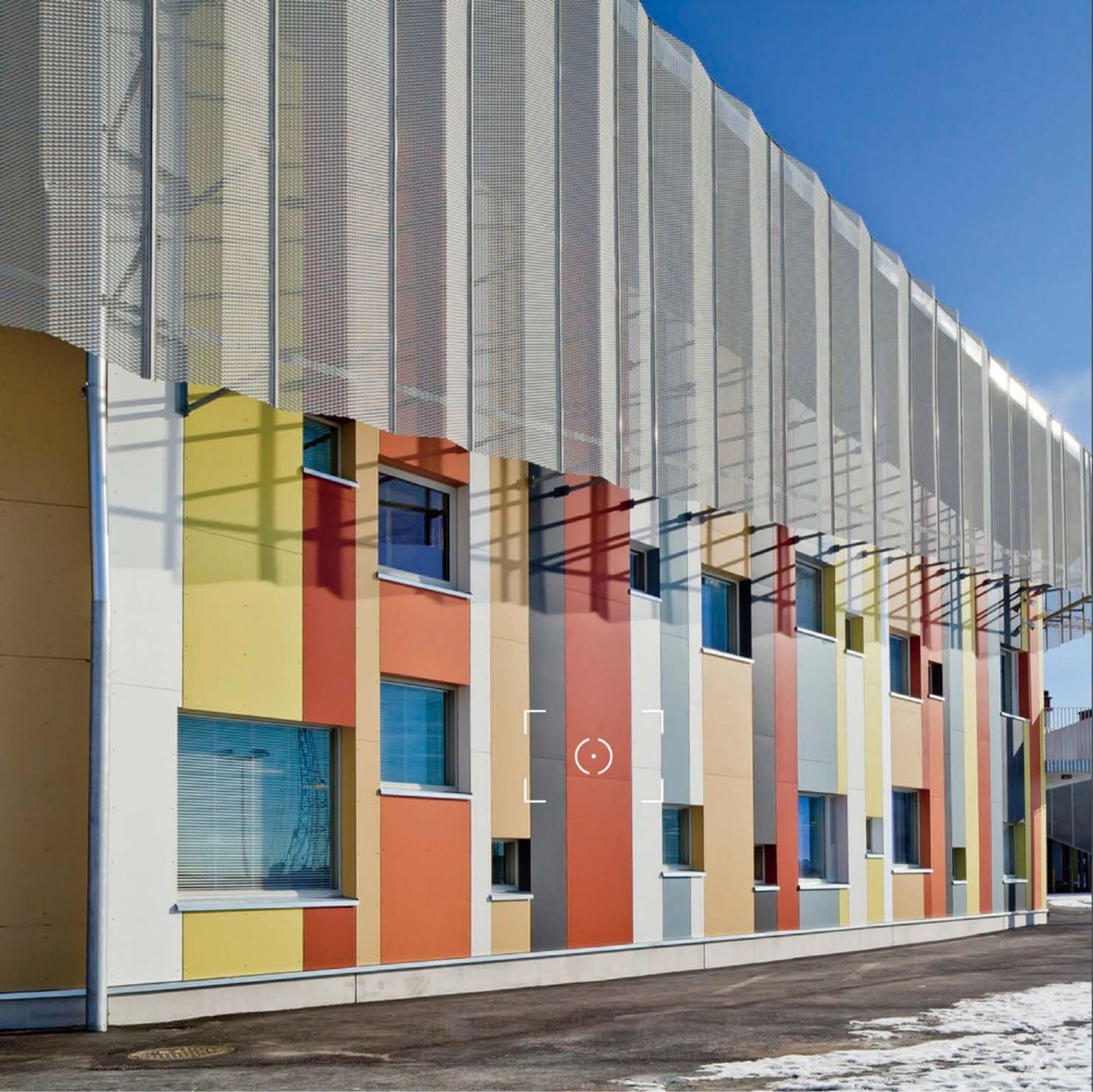
Many projects still compare materials only by purchase price.
However, long-term ownership costs are becoming more important in modern construction decisions.
Why Through-Colored Boards Cost More Initially
| Cost Factor | Reason |
|---|---|
| High-quality pigments | Better UV stability |
| Precision manufacturing | Improved consistency control |
| Specialized production systems | Full-body color integration |
The production process is more demanding.
Why Lifecycle Costs May Be Lower
| Long-Term Cost Area | Through-Colored Advantage |
|---|---|
| Repainting cycles | Reduced frequency |
| Surface damage repair | Less visible maintenance |
| Operational downtime | Lower maintenance disruption |
Maintenance savings can offset higher initial costs.
Comparing Short-Term And Long-Term Economics
| Traditional Painted Systems | Through-Colored Systems |
|---|---|
| Lower upfront cost | Higher upfront investment |
| Ongoing repainting expenses | Reduced maintenance costs |
| More appearance degradation | Longer visual stability |
The economic advantage often changes over time.
Why Public Projects Often Prefer Through-Color
| Public Building Requirement | Through-Color Benefit |
|---|---|
| Long service life | Stable appearance |
| Reduced maintenance labor | Lower operational complexity |
| Budget predictability | Better lifecycle planning |
Maintenance efficiency matters greatly in public infrastructure.
Why Market Thinking Is Changing
| Earlier Construction Purchasing Models | Modern Lifecycle Evaluation Models |
|---|---|
| Lowest bid selection | Total ownership cost analysis |
| Construction-phase budgeting | Long-term operational budgeting |
| Material-only evaluation | System-wide value evaluation |
The market increasingly values durability and operational efficiency.
Why Through-Color Represents A Larger Industry Trend
| Traditional Building Material Philosophy | Modern Sustainable Material Philosophy |
|---|---|
| Short-term replacement cycles | Long-term durability strategies |
| Surface maintenance dependence | Permanent integrated performance |
| Consumption-driven construction | Sustainability-driven construction |
I believe through-colored systems represent a broader shift toward durable, low-maintenance architectural materials.
The Future Of Architectural Material Value
| Traditional Commodity Materials | Premium Long-Life Materials |
|---|---|
| Price-centered competition | Performance-centered competition |
| Short-term visual appeal | Long-term quality preservation |
| Maintenance-heavy systems | Maintenance-efficient systems |
Future market leadership will increasingly belong to manufacturers who combine technical durability, authentic aesthetics, and lifecycle value creation.
Conclusion
At TRUSUS, I see through-colored fiber cement board transforming architecture from surface decoration toward authentic long-term material quality. Future success will depend on durability, lifecycle value, visual consistency, and the ability to deliver permanent architectural character through integrated material engineering.