




What Are Fibre Cement Sheets Made Of?
Fibre cement sheets are made of Portland cement, silica sand, cellulose fibres, and water.
These components combine into a rigid yet flexible composite that resists fire, moisture, and impact while maintaining dimensional stability.
TRUSUS material insight: the strength of fibre cement lies in its blend of mineral and organic elements, not a single component.
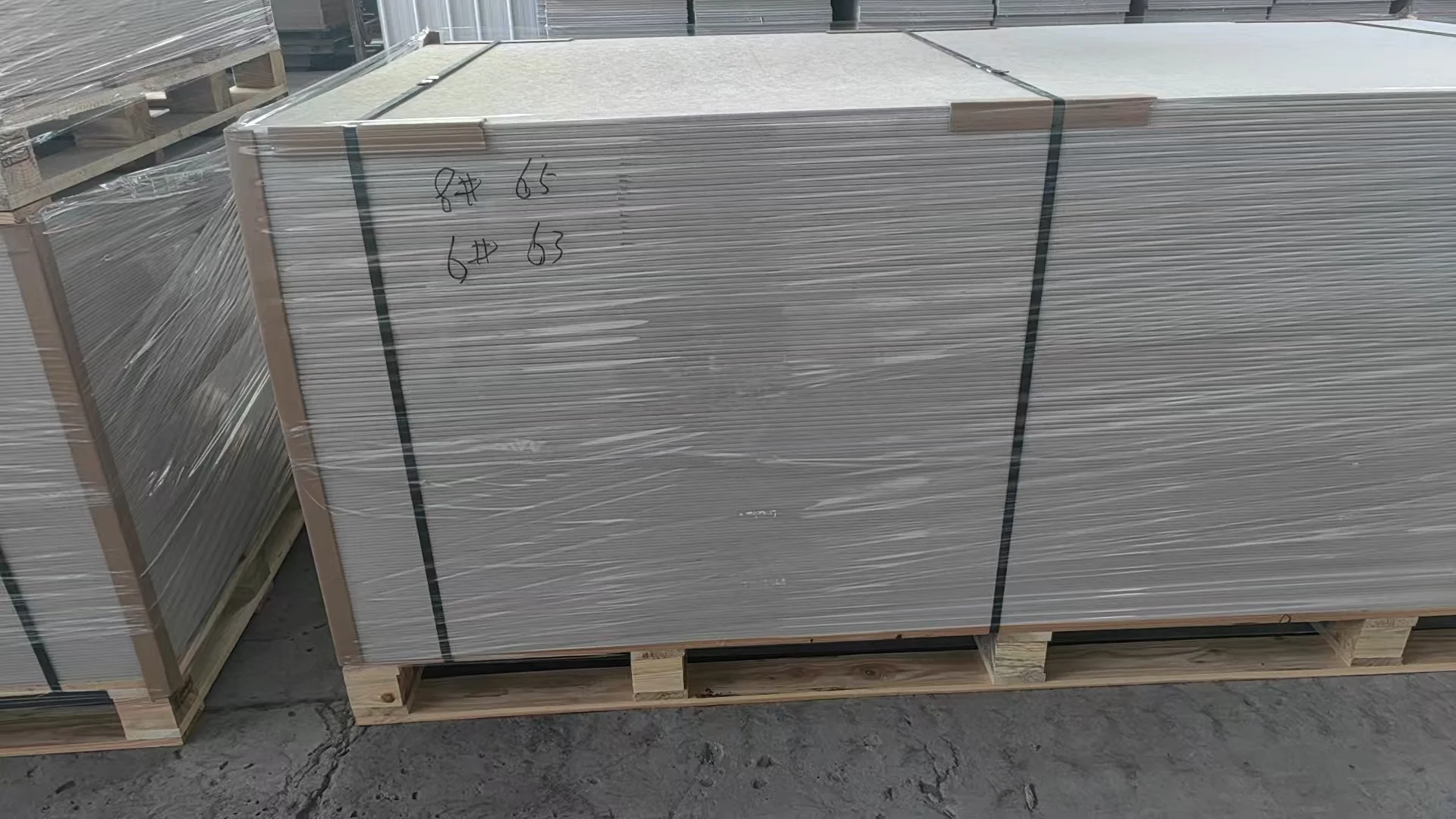
Each ingredient plays a distinct role—cement serves as the binder, fibres provide tensile reinforcement, and silica enhances hardness and weather resistance.
Does Cement Sheet Have Fibres?
Yes, all fibre cement sheets contain reinforcing fibres such as cellulose, PVA, or synthetic blends.
The fibres form a mesh within the cement matrix, improving crack control and flexibility compared to traditional rigid cement panels.
TRUSUS performance insight: fibre addition transforms cement from brittle solid to adaptive composite.
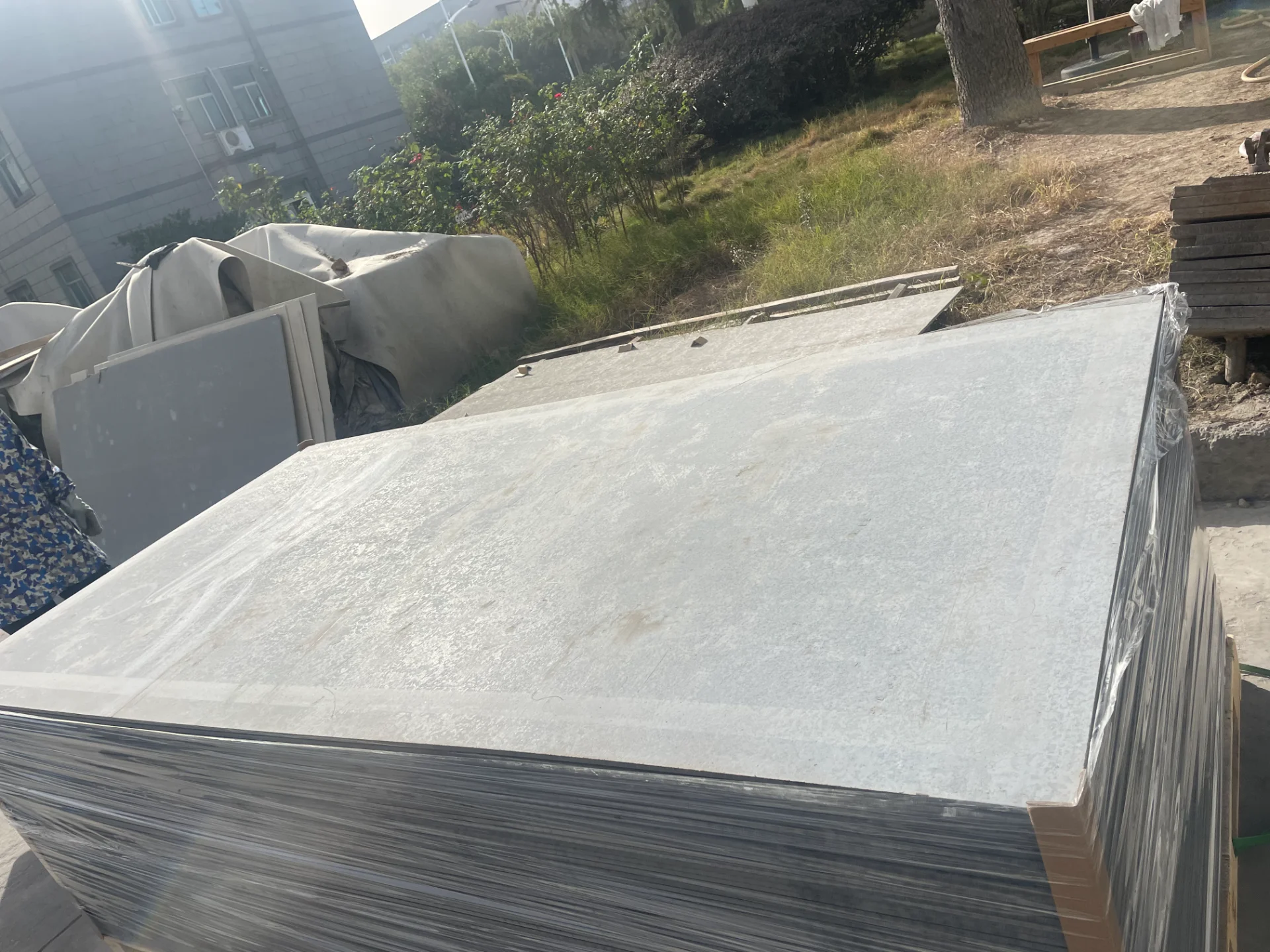
Fibre Function Table
| Fibre Type | Source | Key Benefit | Usage Ratio |
|---|---|---|---|
| Cellulose | Natural plant fibre | Improved workability and micro‑crack resistance | Moderate |
| PVA | Synthetic polyvinyl alcohol | High tensile and chemical resistance | Low |
| Glass Fibre | Silica‑based synthetic | High dimensional stability | Selective |
| Hybrid Mix | Combined cellulose and synthetic | Balanced flexibility and strength | Common |
The fibres act like internal rebar—dispersed reinforcement that allows the sheet to bend slightly under stress rather than break.
How Is Fibre Cement Manufactured?
Fibre cement is manufactured through a wet forming process combining mechanical blending, sheet forming, pressing, and autoclaving.
Each step ensures uniform fibre distribution and stable hydration of cement compounds.
TRUSUS process insight: manufacturing converts loose powders and fibres into a crystalline solid through controlled pressure and steam.
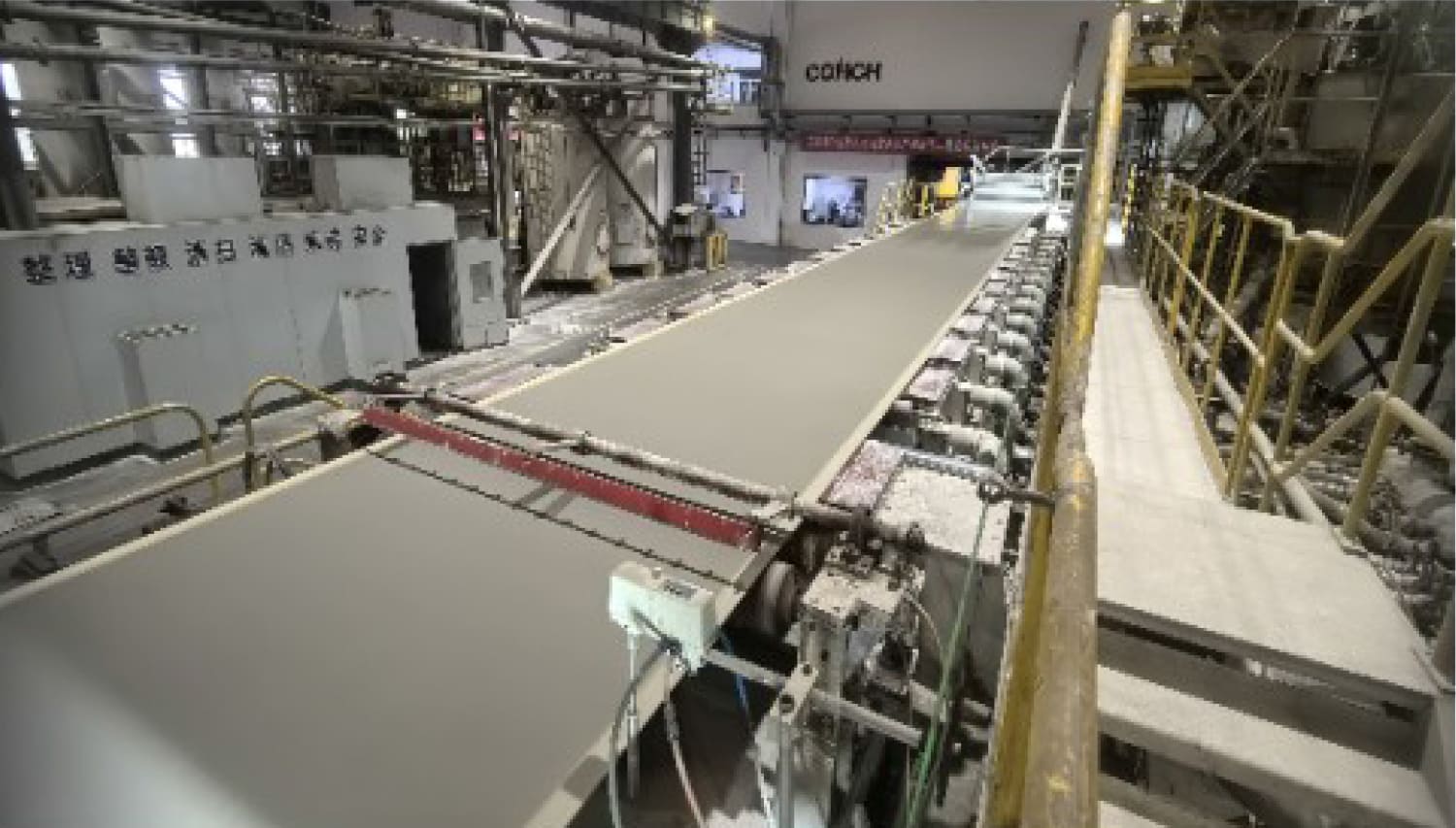
Manufacturing Flow
| Stage | Process | Main Purpose |
|---|---|---|
| Mixing | Cement, silica, fibres, water blending | Achieve uniform slurry |
| Forming | Layered sheet building on felt belts | Control thickness and fibre orientation |
| Pressing | Mechanical compaction | Increase density and contact bonding |
| Curing | High‑pressure steam autoclaving | Form Tobermorite crystal structure |
| Finishing | Cutting, sanding, coating | Achieve surface and dimensional precision |
The autoclave stage defines long‑term durability: steam converts calcium and silica compounds into needle‑like crystals, making the sheet solid and stable.
How to Make Fibre Cement Sheets?
To make fibre cement sheets, combine cement slurry and fibres, spread onto forming belts, compress under pressure, dry, and cure at high temperature.
The process requires a precise ratio and timing to ensure consistency and durability.
TRUSUS production insight: making fibre cement is engineering, not mixing—it’s about system control from molecule to sheet.
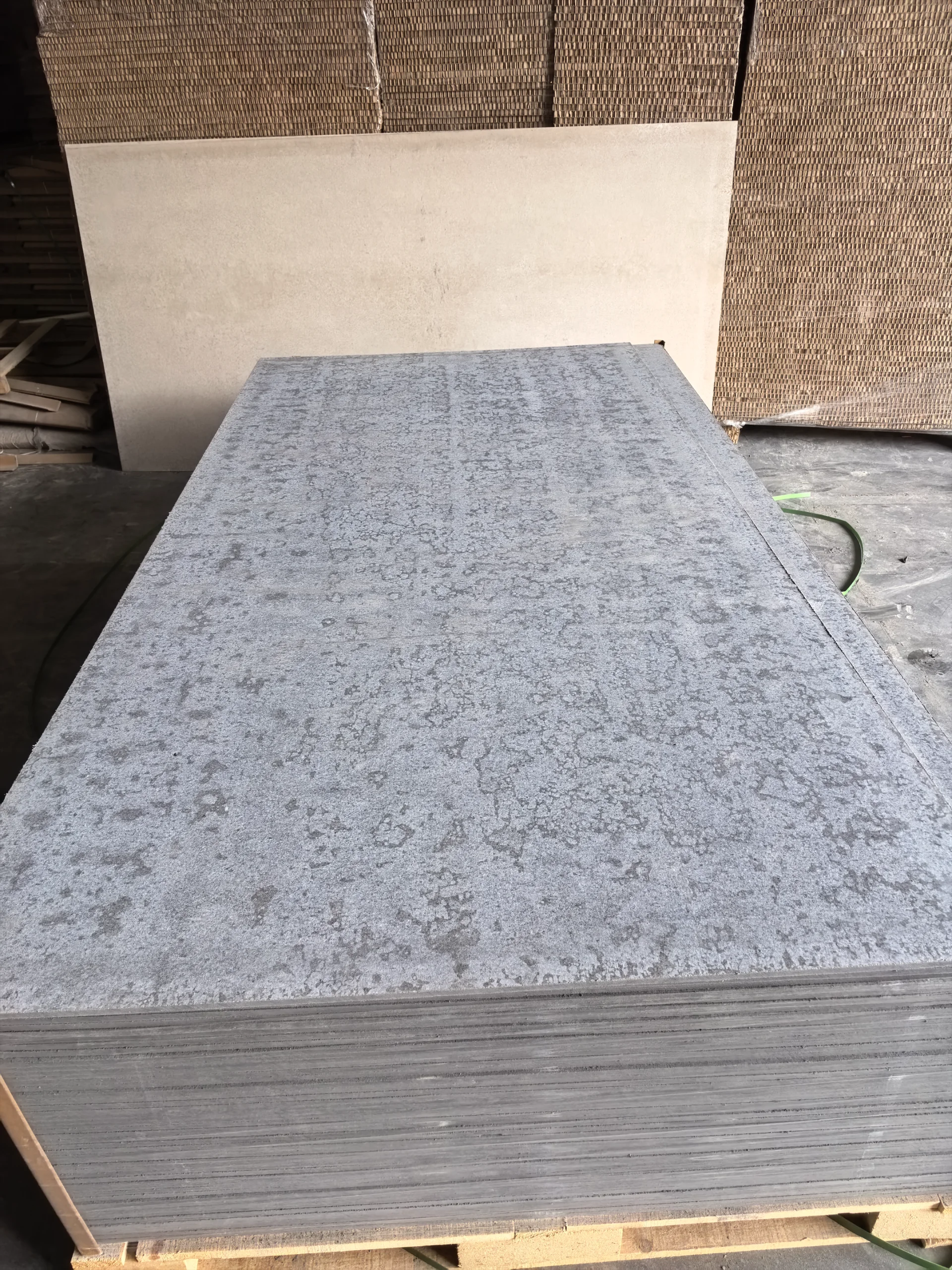
Simplified Production Outline
| Step | Description | Key Control Parameter |
|---|---|---|
| 1 | Prepare raw materials | Fibre purity and water ratio |
| 2 | Mix to uniform slurry | Continuous agitation speed |
| 3 | Form sheets via Hatschek process | Slurry feeding rate and belt movement |
| 4 | Press to remove excess water | Target density 1.5–1.7 g/cm³ |
| 5 | Cure in autoclave | Steam temperature 170–180 °C |
| 6 | Finish and coat | Surface uniformity and color stability |
When done right, the product emerges as a dense, smooth composite panel capable of withstanding decades of exterior exposure without warping or cracking.
Conclusion
At TRUSUS, I know fibre cement's true strength lies not in its ingredients but in how they work together.
Each sheet represents industrial harmony—cement’s solidity, fibre’s flexibility, and engineering’s precision—combined to form a sustainable architectural material that endures and adapts across generations.
