




Does Cement Board Warp with Heat or Moisture?
Cement board can slightly expand or contract under heat or humidity, but it doesn’t warp, crack, or delaminate when properly installed in a balanced system.
TRUSUS insight: the secret isn’t resistance—it’s balanced stress control.
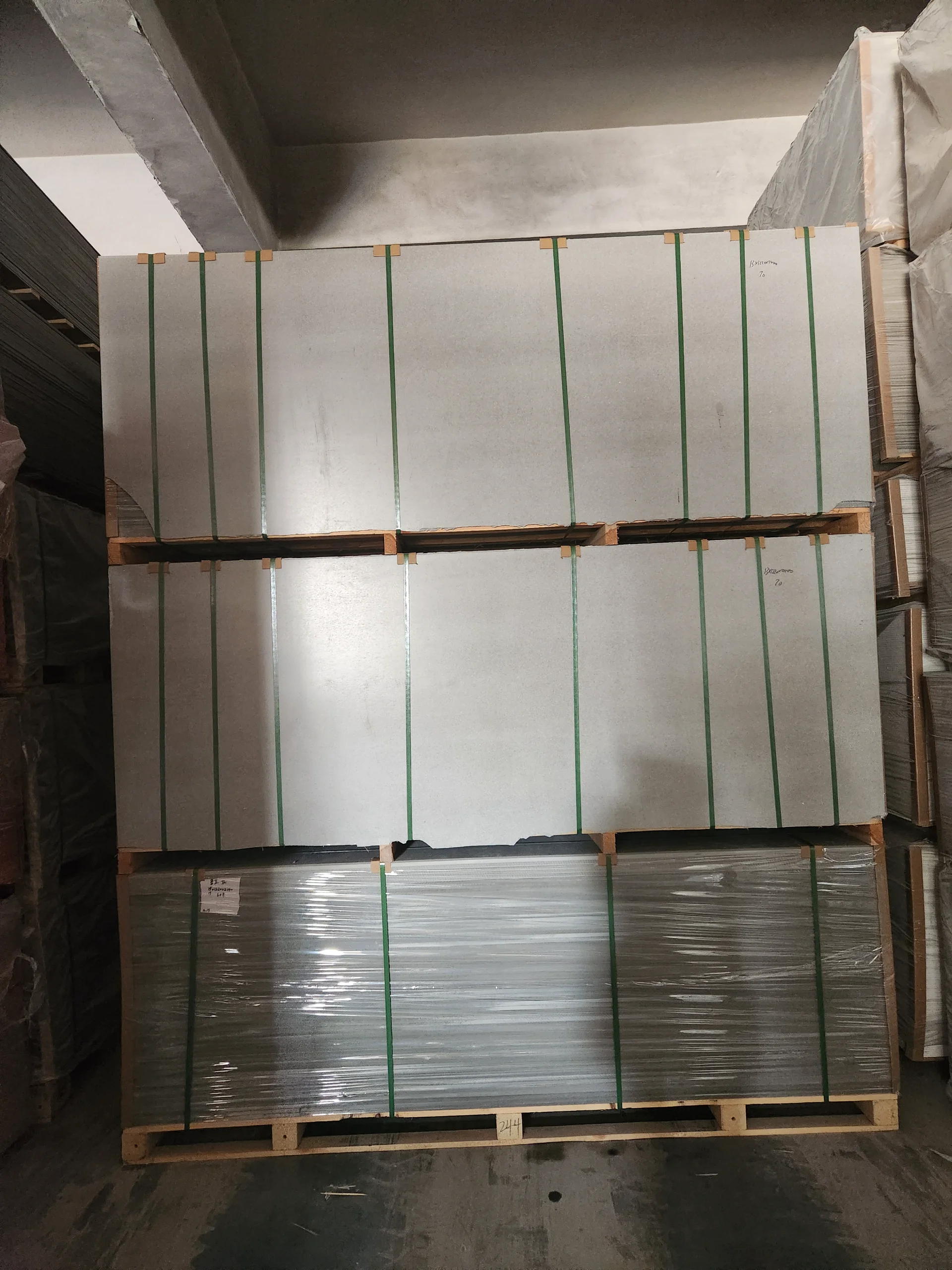
Thanks to fiber reinforcement and microstructural porosity, modern cement boards maintain dimensional stability even through heat-and-moisture cycles. Minor expansion is normal, but serious warping occurs only with improper installation or inadequate ventilation.
Can Cement Board Withstand Heat?
Yes, cement board can withstand temperatures up to about 800°C (1470°F) without losing structural integrity. Its strength lies in managing internal stress, not just resisting heat.
thermal insight: heat resistance is not about survival—it’s about equilibrium.
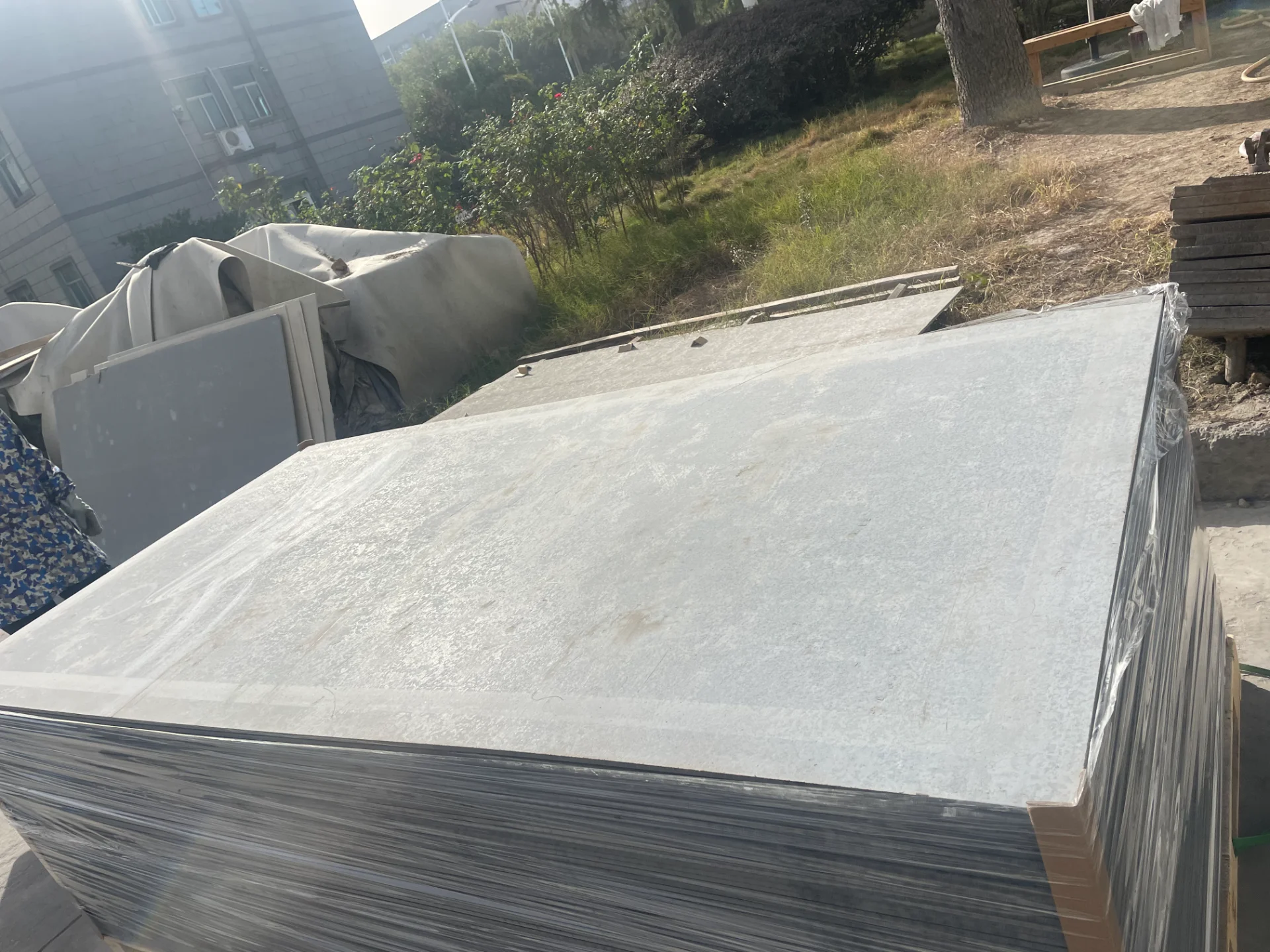
Cement Board Heat Performance
| Property | Performance Measure | Explanation |
|---|---|---|
| Thermal limit | Up to 800°C | No visible deformation |
| Structural change | Negligible | Fibers control internal tension |
| Surface reaction | Stable | Resists thermal cracking |
Material Behavior Chart
| Material Type | Heat Tolerance | Typical Use |
|---|---|---|
| Fiber Cement | Up to 800°C | Walls, ceilings |
| Gypsum Board | Below 70°C | General interiors |
| Wood Board | Below 60°C | Furniture and finish surfaces |
The board’s inner fiber grid releases localized tension when hot, preventing cracks or curl. This makes it ideal for kitchens, facades, and high-heat walls.
Does Cement Board Expand with Heat?
Yes, but expansion is minimal and predictable, staying within a 0.05–0.07% dimensional change even in extreme heat and humidity.
structural insight: stability means embracing small shifts, not denying them.
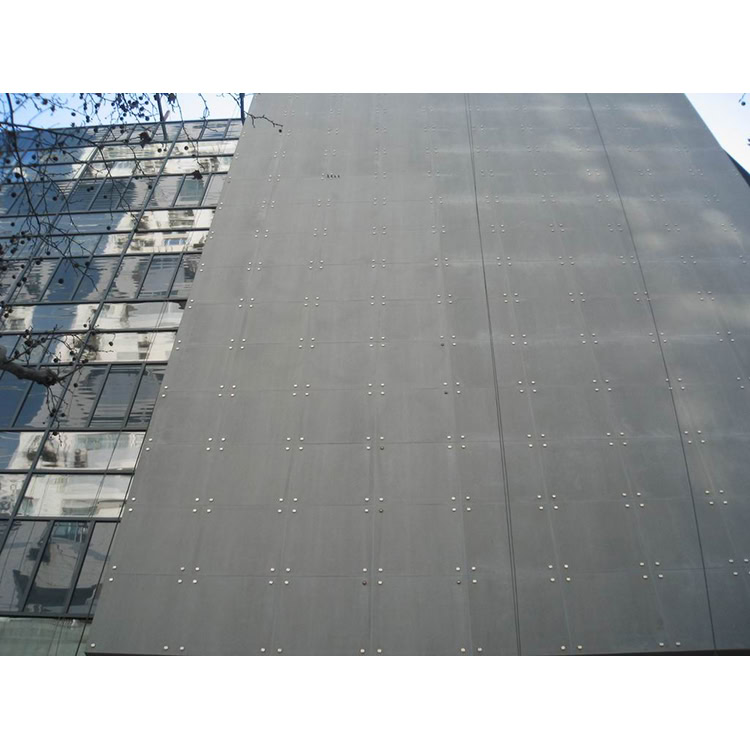
Dimensional Stability Data
| Test Condition | Temperature | Humidity | Expansion Rate |
|---|---|---|---|
| Normal | 25°C | 60% | 0.01% |
| High Heat | 80°C | 60% | 0.05% |
| High Humidity | 25°C | 95% | 0.06% |
Expansion Control Factors
| Design Aspect | Function |
|---|---|
| Fiber reinforcement | Distributes thermal stress |
| Edge spacing | Prevents joint bulging |
| Finishing layer | Acts as surface buffer |
Cement board’s design allows “dynamic stability,” meaning it shifts slightly but remains under control. That’s why it lasts even in constantly changing environments.
Can You Use Cement Board in a Sauna?
Yes. Cement board performs exceptionally well in saunas, steam rooms, and spas, where moisture and heat alternate rapidly.
environmental insight: when others fail under stress, cement board stays balanced.
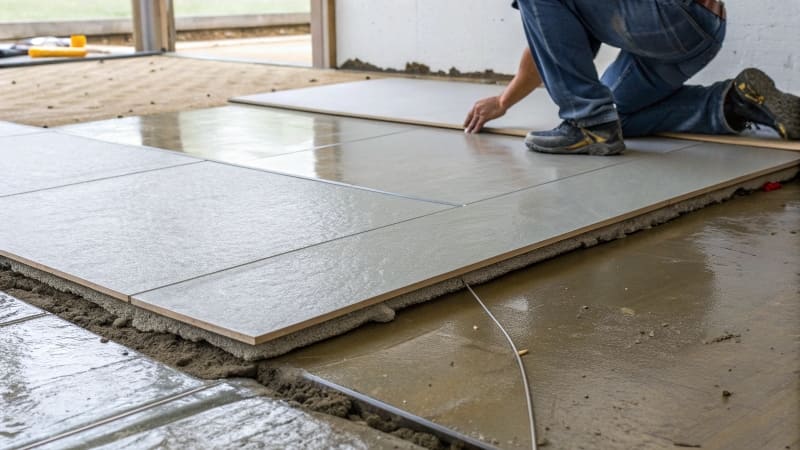
Sauna Condition Suitability
| Factor | Requirement | Cement Board Performance |
|---|---|---|
| Heat | 60–90°C | Stable |
| Humidity | Up to 100% RH | Moisture-proof |
| Thermal cycling | Continuous | No surface flaking |
Installation Essentials
| Step | Action |
|---|---|
| 1 | Use corrosion-resistant screws |
| 2 | Leave small expansion gaps |
| 3 | Seal joints with heat-rated compound |
| 4 | Add water-resistant surface coating |
Sauna environments highlight why cement board outperforms wood or gypsum—it doesn’t swell, decay, or lose adhesion after repeated heat cycles.
Conclusion
Cement board doesn’t warp—it adapts. It withstands heat, humidity, and time through controlled stress management and structural design. At TRUSUS, we see stability not as stillness but as mastered movement—the art of allowing material to live with its environment while staying true to its form.
