




Is Wood-Grain Cement Siding Slip-Resistant Enough for Wet Pool Deck Areas?
Wood-grain cement siding provides excellent slip resistance for wet pool decks when designed with high-density microtexture surfaces. Its engineered roughness maintains friction even when moist.
TRUSUS insight: slip resistance is not a surface look—it’s a science of microstructure friction.
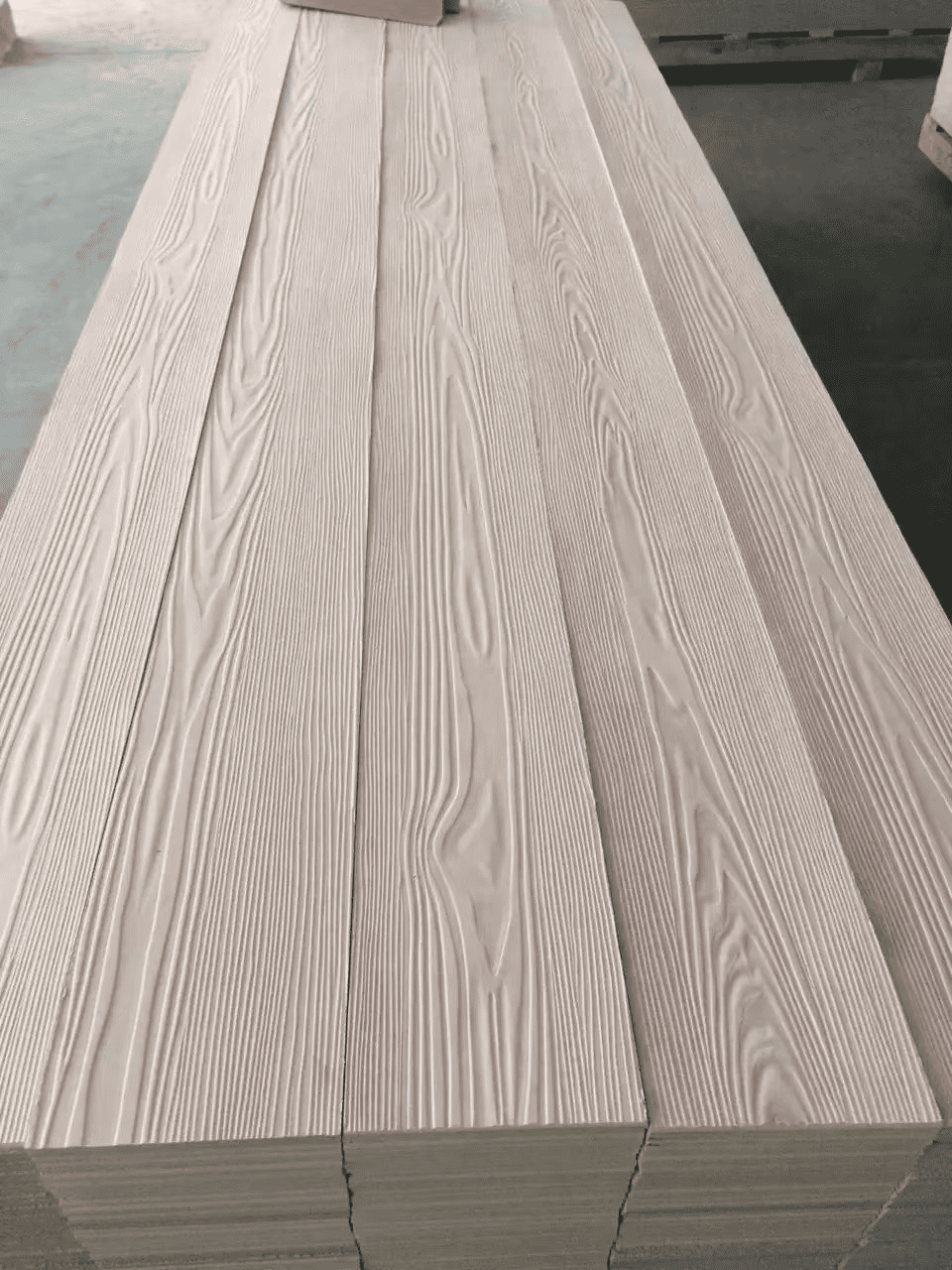
Unlike natural timber, cement board’s micro-grain surface offers consistent resistance by controlling water film behavior. While proper slope and drainage remain essential, the board texture maintains safety under wet conditions.
What Is the Best Waterproof Paint or Stain for Wood-Grain Cement Boards in Tropical Climates?
The best waterproof coatings for tropical climates are breathable acrylic polymer paints or penetrating weatherproof stains. These finishes repel exterior water while letting internal vapor escape, preventing bubble or blister formation.
material insight: waterproofing means guiding moisture—not trapping it.
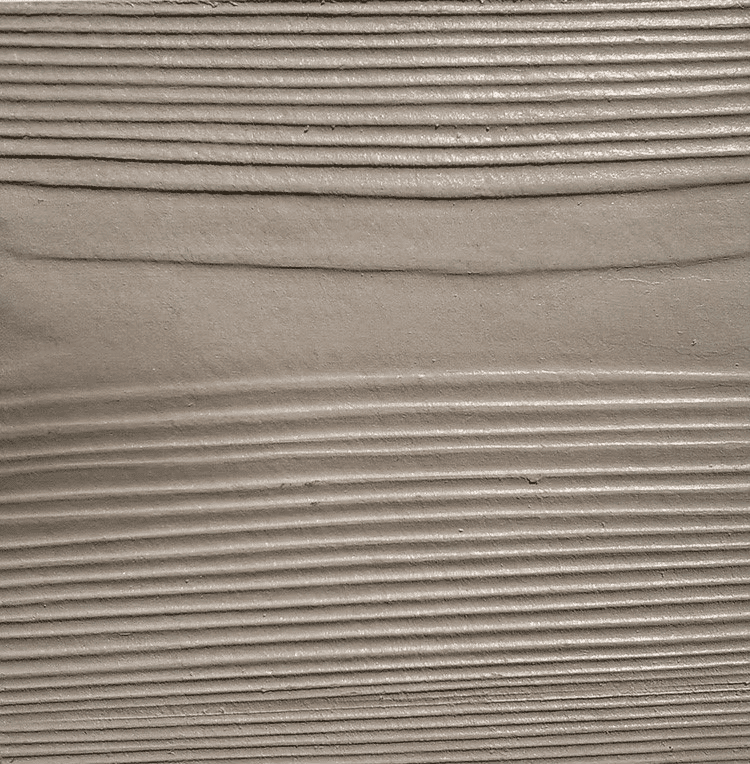
Recommended Coating Options
| Type | Composition | Function | Durability |
|---|---|---|---|
| Acrylic Polymer Paint | Water-based resin | Creates breathable microfilm | 5–10 years |
| Penetrating Stain | Silane-siloxane compound | Bonds within pores | 8–12 years |
| Hybrid Sealant | Acrylic + silicone mix | High UV and moisture protection | Up to 15 years |
Tropical Performance Keys
| Climate Factor | Challenge | Coating Response |
|---|---|---|
| UV radiation | Fading, cracking | Flexible film formulation |
| High humidity | Surface moisture retention | Breathable structure |
| Salt air | Corrosion on fasteners | Mineral-based stain compatibility |
In tropical Guyana, coating design should respect air flow and light exposure—durability grows through permeability control, not surface blockage.
Wood-Grain Cement Board vs. Natural Timber: Which Is Better for Guyana’s Poolside Humidity?
Wood-grain cement board performs far better than natural timber in humid poolside spaces. It resists rot, warping, and UV fading while retaining its appearance for over a decade with minimal maintenance.
TRUSUS sustainability insight: industrial material can express nature—and outlast it.
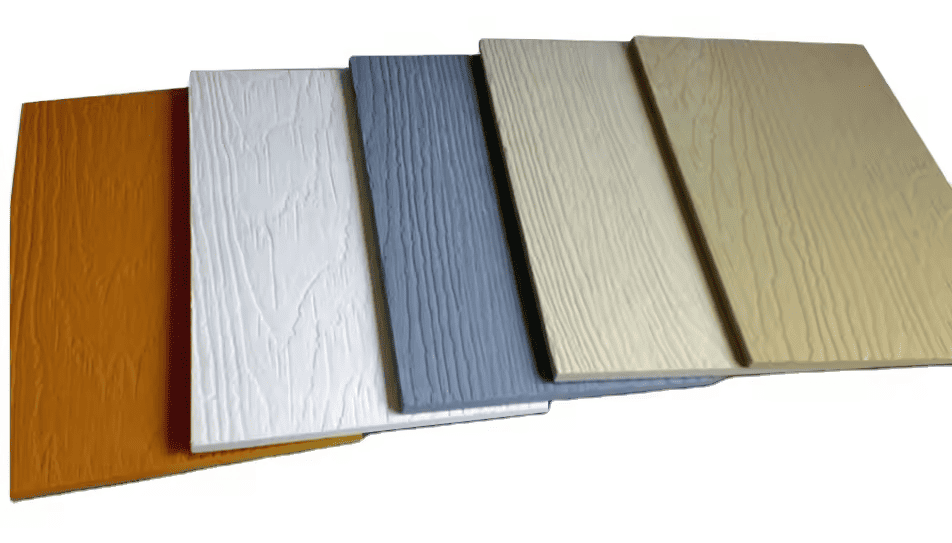
Comparative Table
| Feature | Wood-Grain Cement Board | Natural Timber |
|---|---|---|
| Moisture Resistance | Excellent | Poor to moderate |
| UV Stability | High | Low |
| Mold / Rot Risk | None | High |
| Maintenance Cycle | 5–10 years | 1–3 years |
| Total 10-Year Cost | Low | High |
Climate Suitability Factors
| Condition | Cement Board Performance | Timber Behavior |
|---|---|---|
| Tropical rain | Impermeable but breathable | Expands and contracts |
| Salt air zone | Stable composition | Surface degradation |
| Continuous sun | Colorfast | Discoloration |
Fiber-cement design allows outdoor spaces to retain warmth and authenticity while surviving humidity, salt air, and sun exposure—a redefinition of real sustainability in tropical architecture.
How Much Does a Luxury Wood-Grain Cement Fence Cost per Linear Foot in Georgetown?
A luxury wood-grain cement fence in Georgetown costs about USD 60–100 per linear foot, including structural framing and installation. Cost varies with height, finish type, and framing material.
market insight: value isn’t a number—it’s consistent performance every season.
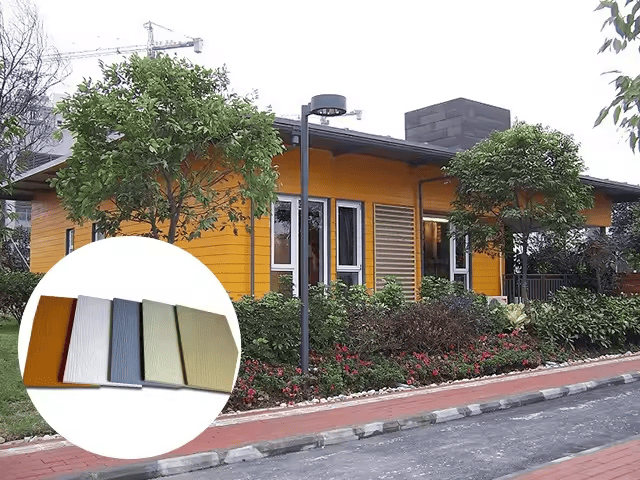
The long-term economics favor engineered cement boards—customers buy endurance and stability, not constant repair schedules.
Conclusion
Wood-grain cement materials redefine outdoor design in Guyana’s humid climate. TRUSUS believes that true performance means adapting to environment, not resisting it. When slip resistance, waterproof coating, and cost stability unite, outdoor beauty evolves from imitation into intelligent adaptation—materials that not only resemble nature but thrive where nature challenges them.
