



Is There An Anti-Bacterial Fiber Cement Board?
Yes, anti-bacterial fiber cement boards exist. Manufacturers can add silver ions, antimicrobial agents, or photocatalytic coatings to help reduce bacterial growth on the board surface, especially in hygiene-sensitive environments.
TRUSUS material insight: more customers now ask for functional building materials instead of only standard construction panels.
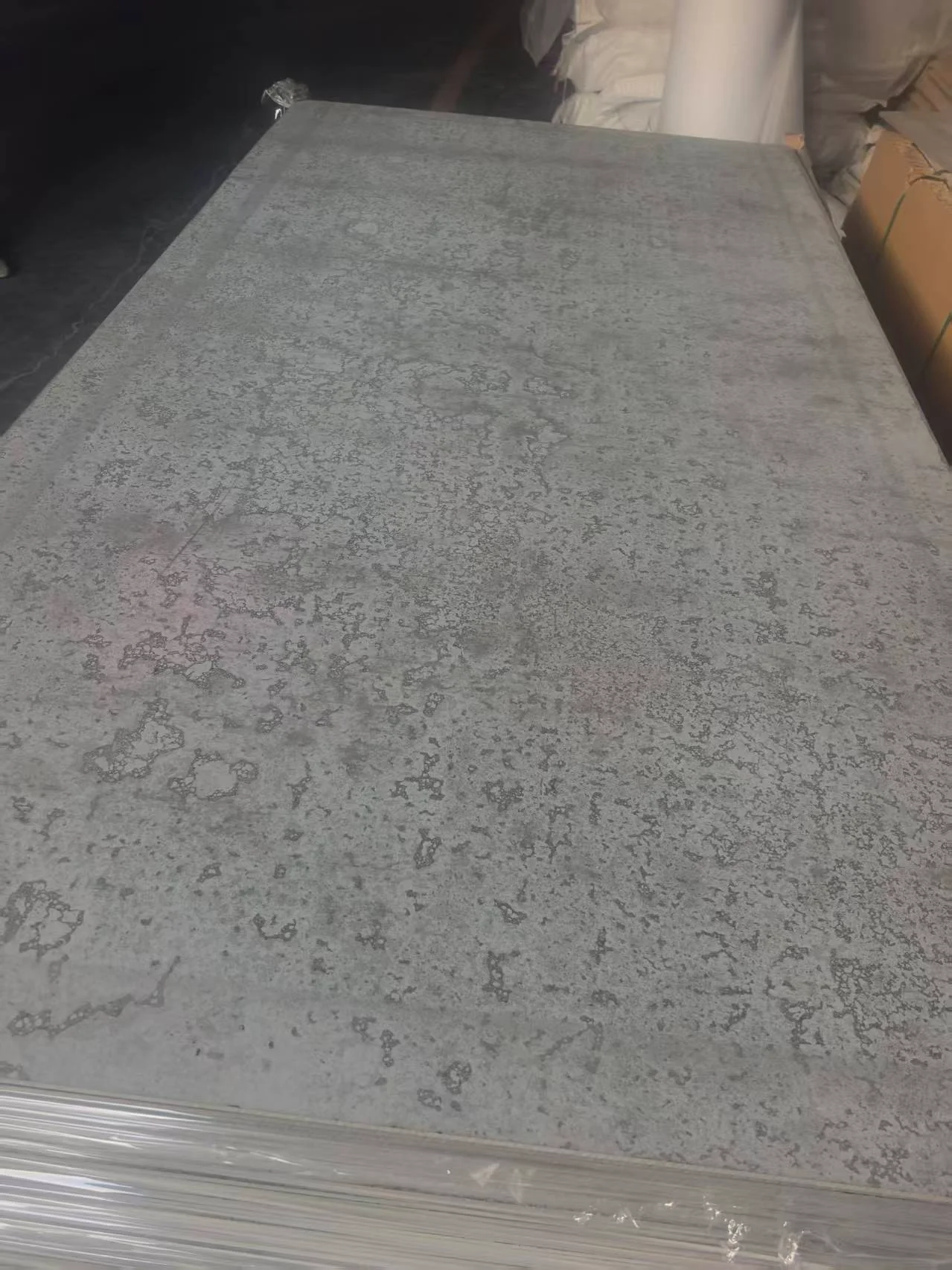
I increasingly see architects and developers treat wall systems as part of indoor health and environmental control strategies.
Modern building materials now carry more functional responsibility.
How Anti-Bacterial Fiber Cement Boards Work
| Technology | Function |
|---|---|
| Silver-ion additives | Inhibits bacterial growth |
| Photocatalytic coatings | Breaks down contaminants |
| Surface antimicrobial treatment | Improves hygiene protection |
The protection mechanism depends on the formulation.
Common Applications
| Building Type | Reason |
|---|---|
| Hospitals | Hygiene control |
| Food factories | Sanitary standards |
| Laboratories | Reduced contamination risk |
High-cleanliness projects often require specialized materials.
Why Functional Panels Are Growing
| Traditional Fiber Cement Boards | Functional Fiber Cement Boards |
|---|---|
| Basic wall protection | Environmental-performance support |
| Structural and decorative role | Hygiene and safety role |
| Standard applications | Specialized applications |
Buildings increasingly require advanced material functions.
Important Performance Considerations
| Performance Factor | Importance |
|---|---|
| Antimicrobial durability | Long-term effectiveness |
| Moisture resistance | Surface stability |
| Cleaning compatibility | Maintenance performance |
Material performance must remain stable over time.
Why Health-Focused Buildings Are Expanding
| Traditional Construction Priorities | Modern Building Priorities |
|---|---|
| Cost and appearance focus | Health and comfort focus |
| Basic durability | Environmental safety |
| Standard materials | Specialized materials |
Healthy-building design is becoming more important.
The Industry Shift Behind Anti-Bacterial Questions
| Traditional Building-Material Industry | Modern Performance-Material Industry |
|---|---|
| Commodity-material focus | Functional-material focus |
| Standard manufacturing | Application-specific engineering |
| Basic supply relationships | Technical-solution partnerships |
I increasingly believe functional material innovation will shape the future of high-performance construction.
Does Fiber Cement Board Price Depend On Thickness And Density?
Yes, fiber cement board price strongly depends on thickness and density. Thicker and higher-density boards require more raw materials, more manufacturing energy, and tighter quality control, which increases cost.
TRUSUS engineering insight: price differences often reflect performance differences, not only material quantity.
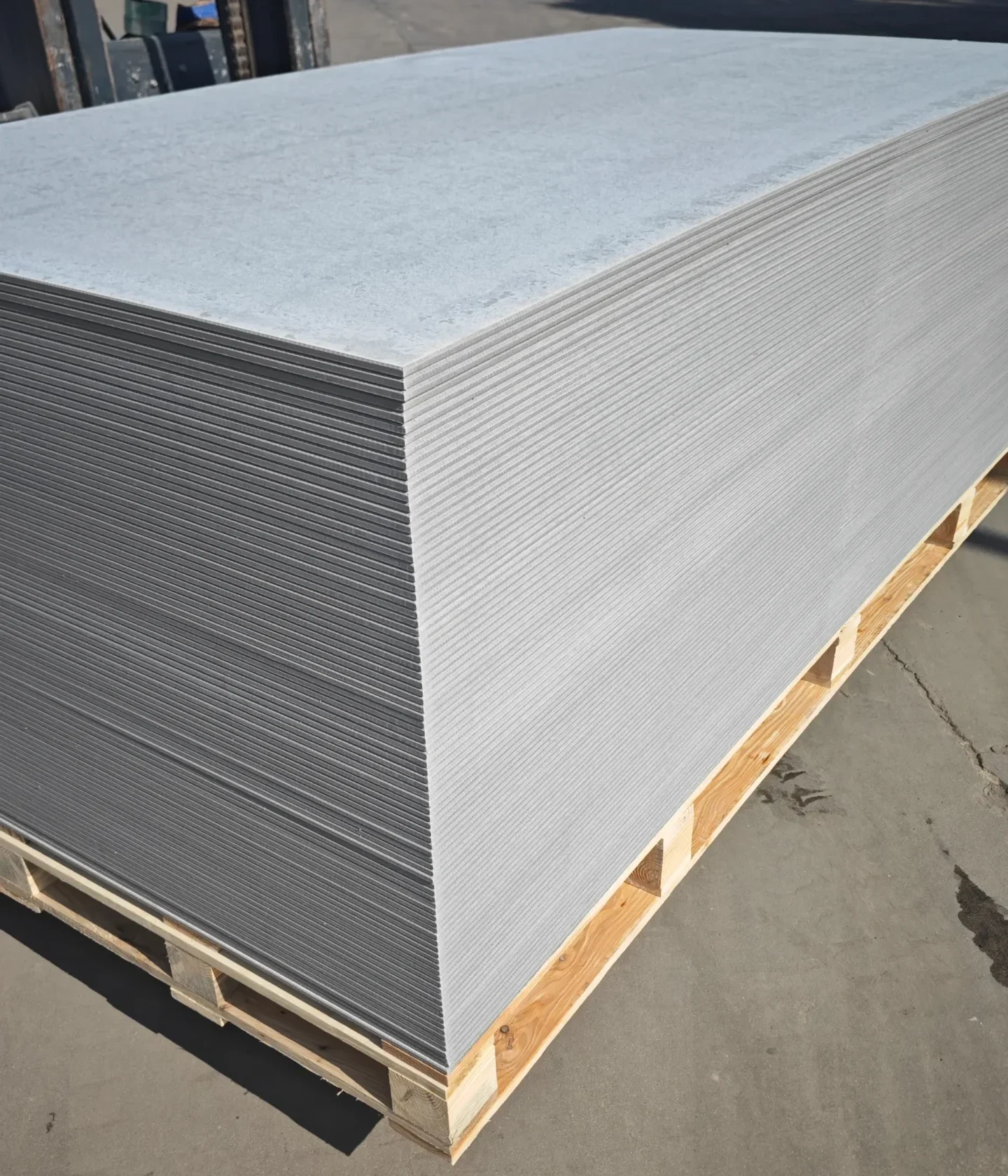
I increasingly see customers compare boards based on long-term performance instead of only initial purchase price.
Technical specifications now matter much more.
How Thickness Affects Price
| Thickness Factor | Impact |
|---|---|
| More raw material use | Higher production cost |
| Greater structural strength | Higher engineering value |
| Improved durability | Longer service life |
Thicker boards usually perform better under demanding conditions.
How Density Affects Performance
| Density Level | Performance Effect |
|---|---|
| Low density | Lighter weight |
| Medium density | Balanced performance |
| High density | Better strength and durability |
Density changes structural behavior.
Why High-Density Boards Cost More
| Cost Factor | Reason |
|---|---|
| Tighter compaction | More advanced processing |
| Better raw materials | Higher material cost |
| Enhanced quality control | Production complexity |
Manufacturing precision increases cost.
Typical Applications By Density
| Application | Recommended Density |
|---|---|
| Interior partitions | Medium density |
| Exterior cladding | High density |
| Industrial applications | High density |
Application conditions determine specification needs.
Why Price Discussions Are Becoming More Technical
| Traditional Purchasing Logic | Modern Engineering Logic |
|---|---|
| Lowest price focus | Performance-value focus |
| Basic specification review | Lifecycle-performance evaluation |
| Material quantity comparison | Functional-performance analysis |
Construction decisions are becoming more scientific.
The Industry Shift Behind Pricing Questions
| Traditional Building-Material Market | Modern Performance-Based Market |
|---|---|
| Commodity pricing | Engineering-value pricing |
| Standard product comparison | Technical-performance comparison |
| Cost competition | Lifecycle-value competition |
I increasingly believe transparent technical education builds stronger long-term customer trust.
Why Is Fiber Cement Board More Expensive Than Other Boards?
Fiber cement board is usually more expensive because it combines high-quality raw materials, advanced manufacturing processes, and superior long-term performance. Its higher cost reflects better fire resistance, moisture resistance, durability, and structural stability.
TRUSUS manufacturing insight: many customers first compare only purchase price, but later focus on maintenance cost and service life.
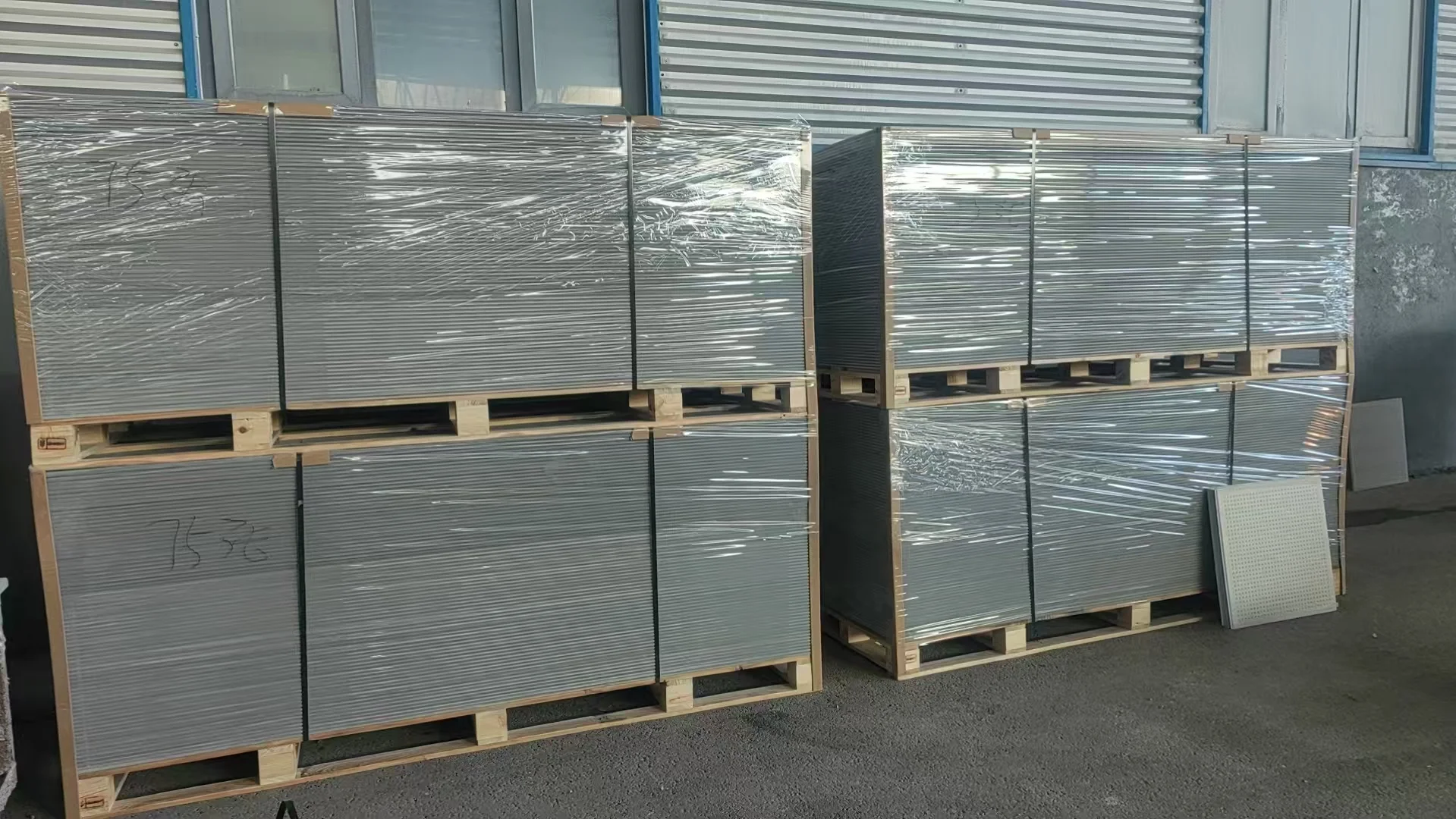
I increasingly see professional developers evaluate building materials through total lifecycle value instead of short-term savings.
Long-term durability changes the economics.
Main Reasons For Higher Cost
| Cost Driver | Explanation |
|---|---|
| Cement and fiber materials | Higher raw-material quality |
| Advanced production process | Precision manufacturing |
| Quality testing | Strict performance standards |
Engineering-grade products require more investment.
Performance Advantages
| Performance Feature | Benefit |
|---|---|
| Fire resistance | Improved safety |
| Water resistance | Better durability |
| Weather resistance | Longer exterior lifespan |
Performance improvements create value.
Manufacturing Complexity
| Manufacturing Step | Technical Requirement |
|---|---|
| Fiber dispersion | Uniform reinforcement |
| High-pressure forming | Structural consistency |
| Controlled curing | Stable performance |
Process quality affects final reliability.
Lifecycle Cost Comparison
| Low-Cost Boards | Fiber Cement Boards |
|---|---|
| Lower initial cost | Higher initial cost |
| Shorter lifespan | Longer lifespan |
| More maintenance | Reduced maintenance |
Long-term economics often favor durability.
Why Professional Projects Choose Fiber Cement
| Project Type | Reason |
|---|---|
| Commercial buildings | Fire safety |
| Healthcare facilities | Durability |
| Public buildings | Long service life |
High-performance projects require reliable materials.
The Industry Shift Behind Cost Questions
| Traditional Material Purchasing | Modern Value-Based Selection |
|---|---|
| Lowest upfront cost | Best long-term value |
| Basic functionality | Multi-performance evaluation |
| Product comparison | System-performance analysis |
Building-material decisions are becoming more strategic.
The Industry Evolution Behind Value Recognition
| Traditional Building-Material Industry | Modern Technical-Solution Industry |
|---|---|
| Product manufacturing focus | Performance-engineering focus |
| Price competition | Value competition |
| Standardized products | Specialized building solutions |
I increasingly see technical expertise become as important as manufacturing capacity.
What Buildings Use Fiber Cement Siding?
Fiber cement siding is used in residential, commercial, industrial, healthcare, educational, and public buildings because of its durability, fire resistance, and low maintenance requirements. It is especially common in projects requiring long-term exterior performance.
TRUSUS application insight: fiber cement siding has expanded far beyond traditional residential construction.
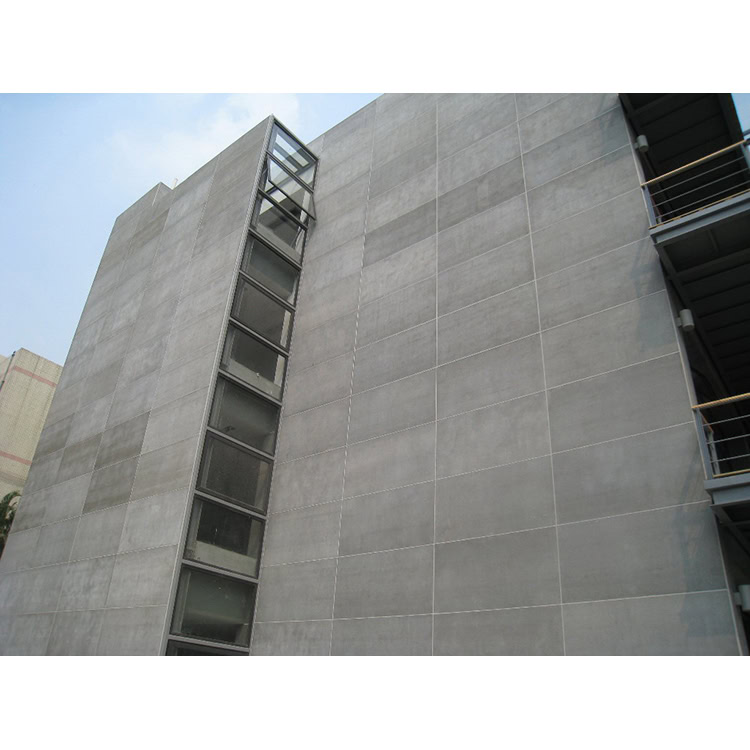
I increasingly see architects select fiber cement systems because they balance aesthetics, safety, and durability in a wide range of climates.
Exterior materials now carry both technical and design responsibilities.
Common Residential Applications
| Residential Type | Advantage |
|---|---|
| Single-family homes | Weather resistance |
| Multi-family housing | Fire protection |
| Luxury residences | Premium appearance |
Residential demand continues to grow.
Commercial And Public Applications
| Building Type | Performance Need |
|---|---|
| Office buildings | Durable façade systems |
| Schools | Low maintenance |
| Hospitals | Fire safety and hygiene |
Institutional projects often require higher standards.
Industrial Applications
| Industrial Building | Benefit |
|---|---|
| Warehouses | Durability |
| Manufacturing plants | Moisture resistance |
| Logistics facilities | Long-term performance |
Industrial environments require robust materials.
Why Fiber Cement Works Well Outdoors
| Exterior Challenge | Fiber Cement Advantage |
|---|---|
| Rain exposure | Moisture resistance |
| UV exposure | Weather durability |
| Fire risk | Non-combustibility |
Performance stability is a major advantage.
Why Architects Choose Fiber Cement Siding
| Design Goal | Fiber Cement Benefit |
|---|---|
| Modern appearance | Flexible textures and finishes |
| Long lifecycle | Reduced replacement frequency |
| Safety compliance | Strong fire ratings |
Technical and aesthetic value work together.
Why Exterior Cladding Selection Is Evolving
| Traditional Cladding Decisions | Modern Façade Engineering Decisions |
|---|---|
| Appearance-first approach | Multi-performance approach |
| Basic weather protection | Full-building-envelope strategy |
| Material-only evaluation | Lifecycle-system evaluation |
Façade systems are becoming more engineered.
The Industry Shift Behind Siding Questions
| Traditional Cladding Market | Modern Building-Performance Market |
|---|---|
| Exterior-decoration focus | High-performance-envelope focus |
| Product-based selling | Technical-solution consulting |
| Standard façade materials | Specialized façade systems |
I increasingly believe fiber cement siding will continue growing as architects demand safer and longer-lasting building envelopes.
Conclusion
At TRUSUS, I see fiber cement board evolving from a standard construction panel into a high-performance building-material system. Future industry value will come from functional innovation, scientific material engineering, lifecycle performance, and professional technical support.