




Is There a Difference Between Cement Board and Concrete Board?
Yes, there is a clear difference. Cement board is a fiber-reinforced industrial panel designed for lightweight construction, while concrete board refers to heavy structural panels or poured concrete slabs.
insight: cement board supports construction systems; concrete supports buildings.
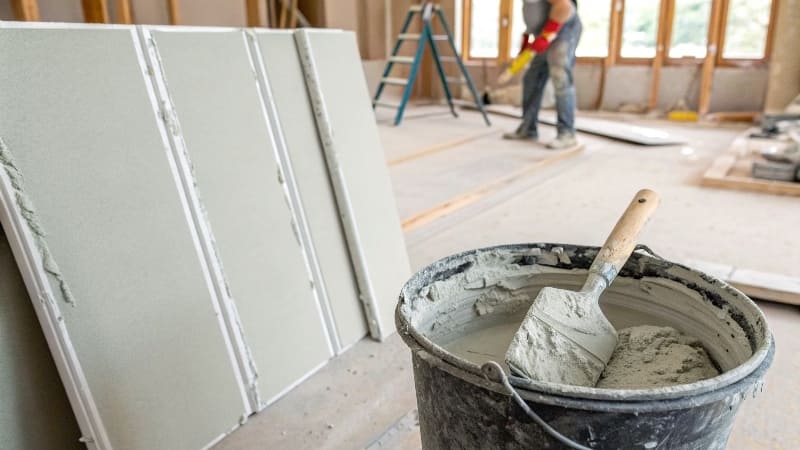
Cement board is manufactured for walls, floors, and facades that require strength and water resistance without heavy load, while concrete board is part of structural frameworks.
Is Cement Board the Same as Concrete Board?
No, they are not the same. Cement board combines cement with reinforcing fibers for flexibility and easy installation. Concrete board mainly uses thick concrete components for structural load-bearing.
material insight: lightweight design reflects modern building logic—strong yet manageable.
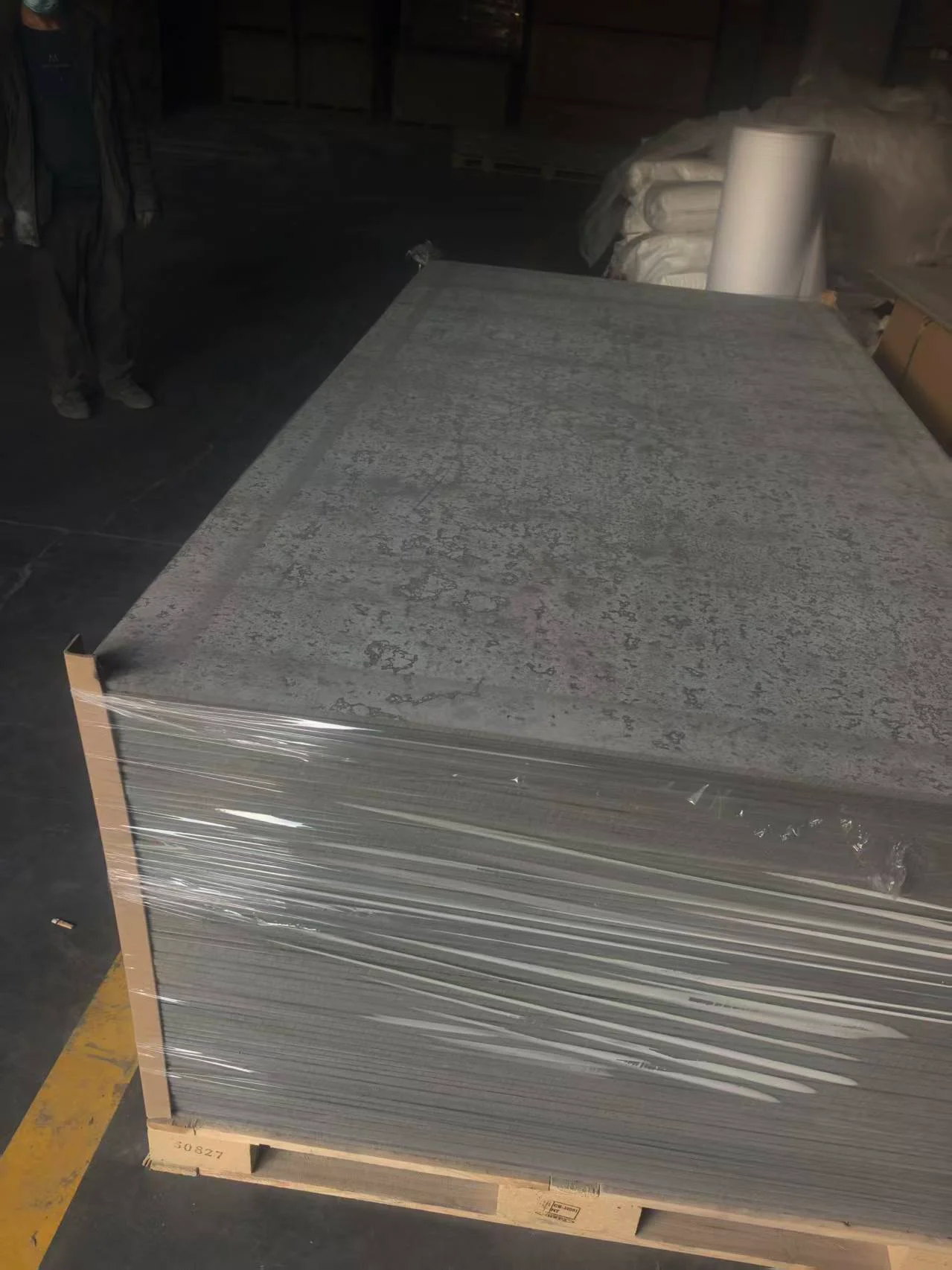
Material Comparison Table
| Feature | Cement Board | Concrete Board |
|---|---|---|
| Weight | Light to medium | Heavy |
| Composition | Cement + fiber mesh | Solid concrete |
| Purpose | Finishing system | Load-bearing structure |
| Installation | Screw or adhesive | Mechanical setting |
| Flexibility | High | Low |
| Indoor/Outdoor Suitability | Both | Mostly structural foundations |
Structural vs Finishing Logic
| Perspective | Cement Board | Concrete Board |
|---|---|---|
| System Type | Interface layer | Core structure |
| Design Focus | Stability and resistance | Strength and durability |
| Evolution | Part of dry-construction era | Legacy of heavy building system |
Cement boards connect architecture layers, while concrete belongs to the skeleton beneath.
What Is a Cement Board Made Of?
Cement board is made from Portland cement, silica or limestone filler, water-resistant additives, and reinforcing fiberglass or cellulose fibers. These materials are compressed, cured, and coated for durability.
TRUSUS composition insight: the science lies not in ingredients, but in how they form structure.
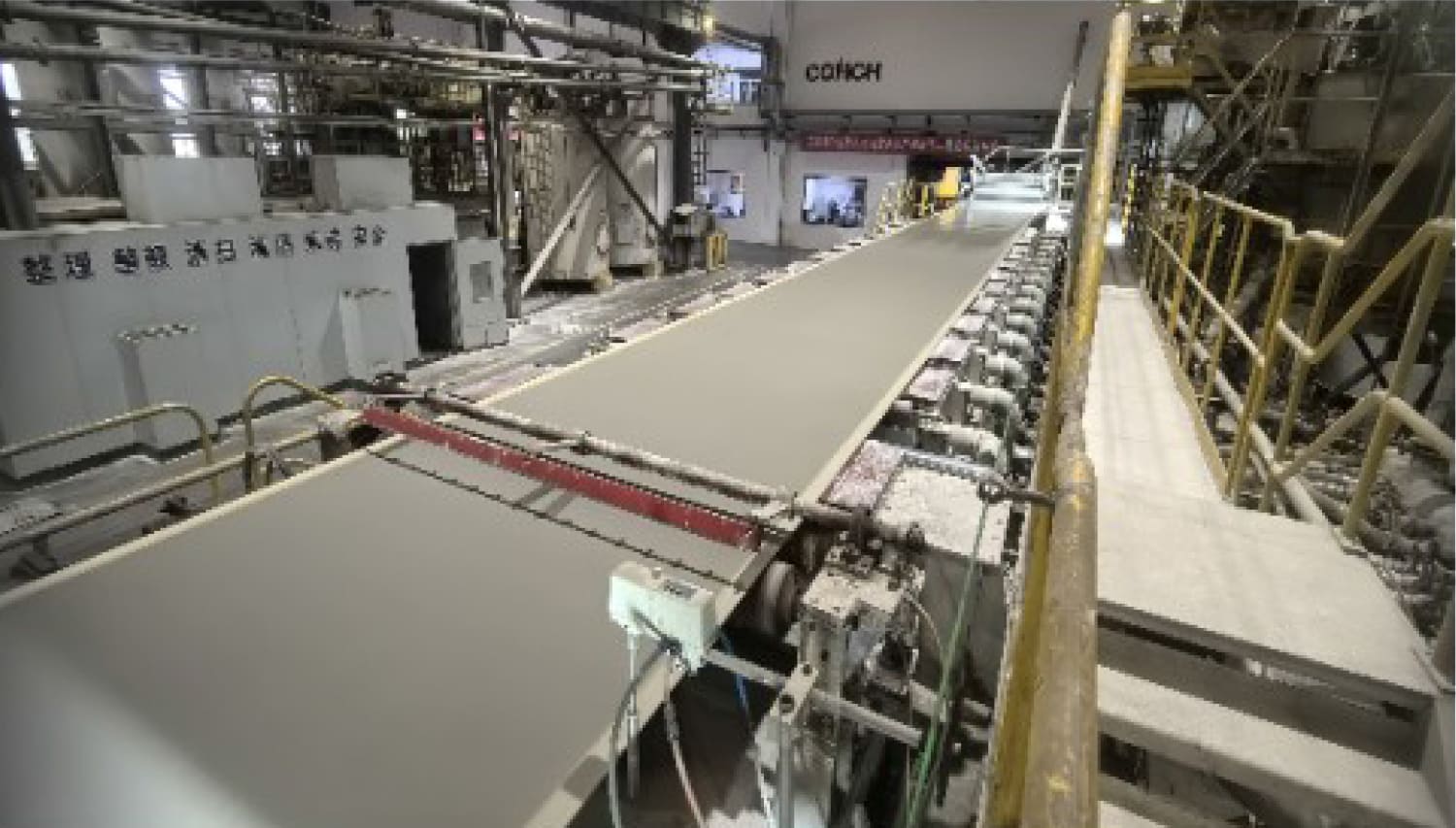
Cement Board Structure
| Component | Function |
|---|---|
| Portland cement | Base binder material |
| Silica filler | Density and hardness control |
| Glass fiber mesh | Anti-crack reinforcement |
| Cellulose fiber | Internal bonding and flexibility |
| Additives | Moisture and fire resistance |
| Surface coating | Smoothness and protection |
Structural Highlights
| Feature | Benefit |
|---|---|
| Multi-layer build | Strength with low thickness |
| Fiber orientation | Stable performance under stress |
| Compression curing | Uniform density and water resistance |
Cement board’s construction turns raw minerals into intelligent building components capable of holding tile, paint, or mechanical load effectively.
Are There Different Types of Cement Board?
Yes, there are several types based on fiber reinforcement, density, and use. These include fiber cement board, glass fiber cement board, silicate-based cement board, and wood particle cement board.
TRUSUS classification insight: diversity is not confusion—it’s precision for each building need.
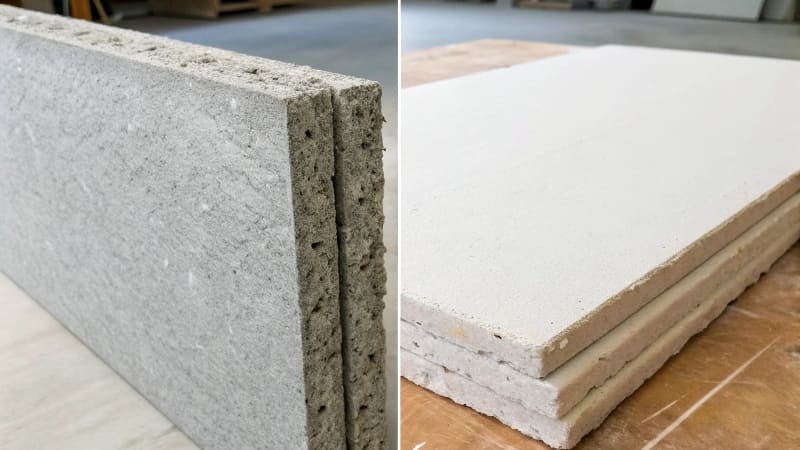
Cement Board Classification Table
| Type | Reinforcement | Common Uses |
|---|---|---|
| Fiber Cement Board | Cellulose fiber | Wall cladding, floor base |
| Glass Fiber Cement Board | Glass fiber mesh | Fire-resistant partitions |
| Silicate Cement Board | Mineral blend filler | Decorative finishing in wet zones |
| Wood Particle Cement Board | Wood particles + cement | Acoustic and impact-resistant surfaces |
Functional Differentiation
| Property | Optimal Type | Application Example |
|---|---|---|
| Fire Defense | Glass fiber board | Industrial partitions |
| Moisture Control | Silicate board | Bathrooms, kitchens |
| Structural Strength | Fiber cement | Exterior siding |
| Sound Insulation | Wood particle | Meeting rooms, studios |
Each design reflects how cement technology adapts from heavy structure use toward precise, lightweight protection layers in buildings.
Conclusion
Cement board and concrete board differ in purpose, composition, and structural philosophy. Cement board represents modern lightweight construction systems—balancing strength, water resistance, and workability. TRUSUS believes every cement board is not just a panel, but a system interface connecting durability, design, and the future of building efficiency.
